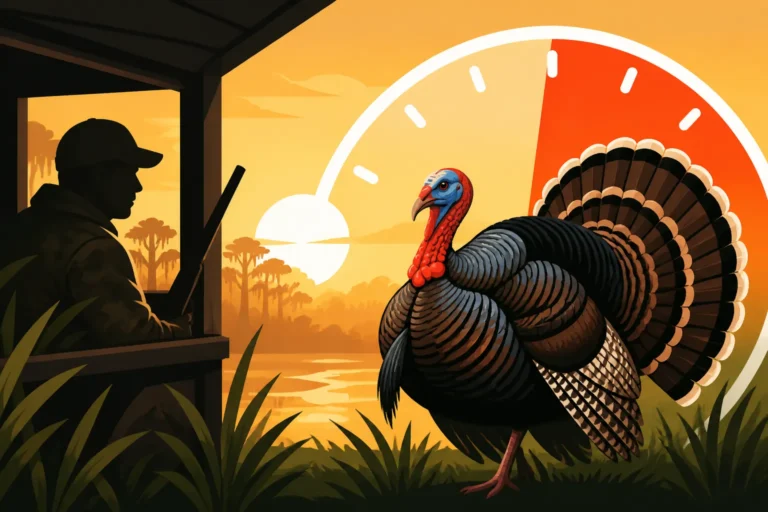
Spring Turkey Hunting in Louisiana
The first gobble of spring is a sound that echoes deep in the soul of any hunter, a wild symphony that promises renewal and challenge in the Louisiana woods. But let's be real, chasing longbeards in the Pelican State isn't always easy. From navigating diverse terrain like sprawling pine forests and dense bottomland hardwoods to understanding the intricate season dates that vary by area, it can feel like you need a secret decoder ring just to get started. This comprehensive guide is here to untangle the complexities, equip you with the knowledge, and share the hard-won wisdom you need to successfully hunt wild turkeys in Louisiana, turning those early morning dreams into cherished memories.
Understanding Louisiana's Wild Turkey Landscape
Louisiana might be best known for its deer and waterfowl, but the wild turkey holds a special place in the hearts of many Bayou State hunters. These intelligent birds provide an unparalleled challenge, demanding keen observation, patience, and a mastery of woodcraft. Before you even think about loading your shotgun, it’s crucial to understand the historical journey and current status of these magnificent game birds across our diverse state.
A Legacy of Restoration
It's easy to take for granted the vibrant turkey populations we have today, but Louisiana's wild turkeys faced a perilous decline in the early 20th century. Habitat destruction, unregulated hunting, and market hunting nearly wiped them out. The forests that once teemed with gobblers became eerily silent. Thankfully, dedicated efforts by conservationists and the Louisiana Department of Wildlife and Fisheries (LDWF) turned the tide. Starting in the mid-1900s, an ambitious trapping and transplanting program began. Wild turkeys were trapped from remnant populations in more remote areas, often in the Tensas River Basin or parts of the Florida Parishes, and then relocated to suitable habitats across the state where they had been extirpated.
This painstaking work, often involving countless hours and significant resources, truly brought the wild turkey back from the brink. It wasn't an overnight success; it was a testament to long-term vision and commitment. These restoration projects laid the groundwork for the robust populations we enjoy today, allowing hunters across different regions to pursue these iconic birds. Understanding this history instills a deeper appreciation for every gobble heard and every bird seen, reminding us of the fragility of wildlife and the importance of ongoing conservation.
Population Strongholds and Challenges
Today, Louisiana boasts a healthy, though somewhat unevenly distributed, wild turkey population. Generally, you'll find higher concentrations of birds in the northern and southeastern parts of the state, particularly in areas with extensive pine forests, mixed pine-hardwood stands, and well-managed private lands. Regions like the Florida Parishes, parts of Kisatchie National Forest, and the Tensas River Basin are often considered strongholds for Louisiana turkeys. These areas typically offer the diverse habitat turkeys need: mature timber for roosting, open understories for bugging, and scattered fields or clear-cuts for foraging and strutting.
However, even with successful restoration, challenges persist. Habitat fragmentation due to development, changes in land use practices, and the presence of increasing predator populations can impact local turkey numbers. Weather patterns, especially during nesting and brood-rearing seasons, also play a significant role; a wet, cold spring can drastically reduce poult survival. The LDWF actively monitors Louisiana Turkey Population Trends through various surveys, including poult-to-hen ratios, to gauge reproductive success and adapt management strategies. Hunters often notice these fluctuations firsthand, with some years feeling abundant and others requiring more effort to locate birds.
Louisiana's Wild Turkey Subspecies
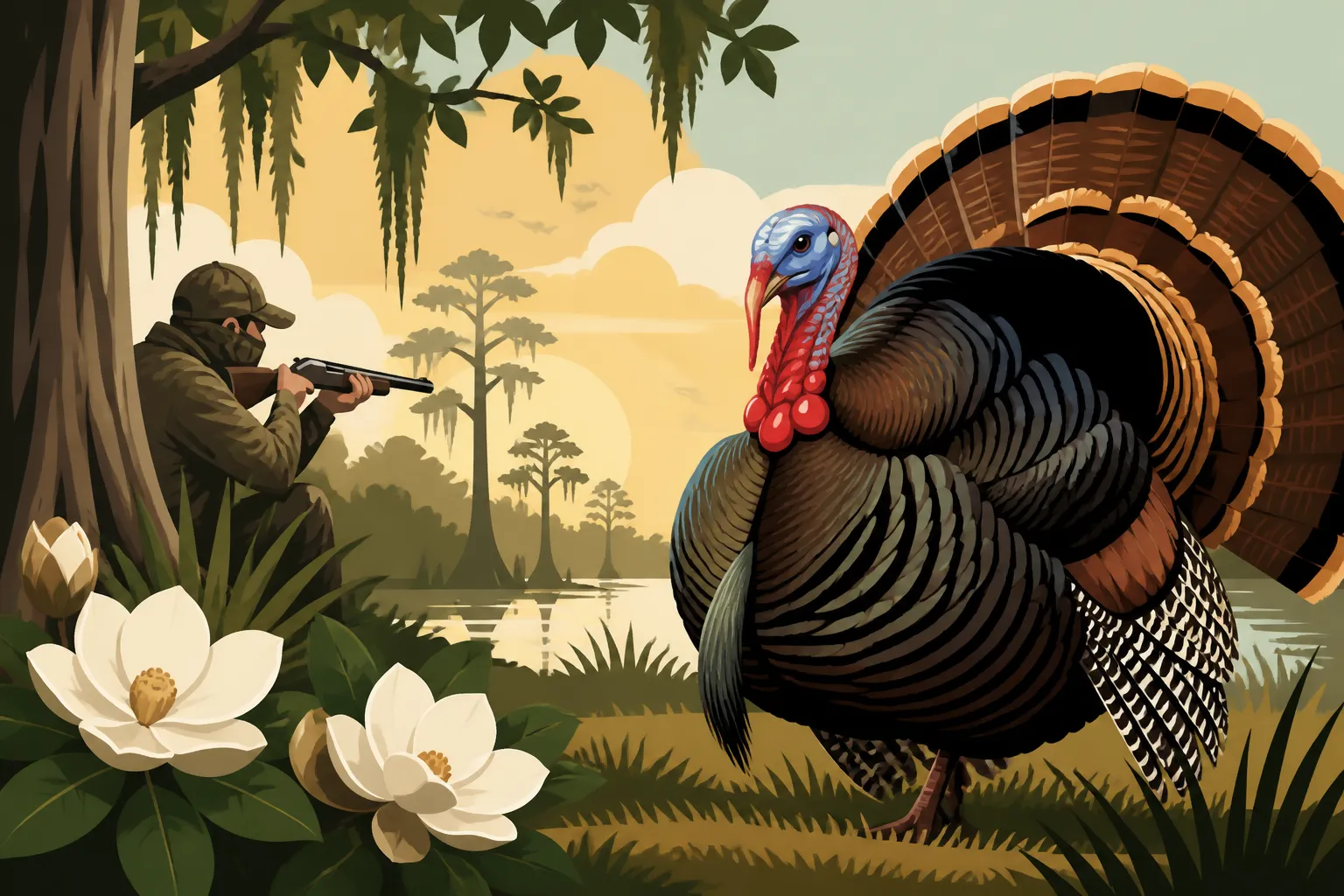
The wild turkeys found across Louisiana are predominantly Eastern wild turkeys, Meleagris gallopavo silvestris. These are the most widespread subspecies in North America, characterized by their iridescent bronze and copper body feathers, dark heads, and chestnut-colored tail feather tips. They are perfectly adapted to the varied forest environments found throughout our state, from the hilly pine woods to the swampy bottomlands.
While other subspecies like the Osceola or Rio Grande thrive elsewhere, the Eastern is our primary focus here. Their behavior, vocalizations, and habitat preferences are what Louisiana turkey hunters learn to understand intimately. Recognizing the subtle variations in their plumage and understanding their particular habits helps hunters fine-tune their approach, ensuring that their calling and setup strategies align with the birds they are pursuing. There's a certain pride in hunting the native Eastern wild turkey, a bird that has persevered and thrived against significant odds thanks to dedicated conservation efforts.
Navigating Louisiana's Spring Turkey Seasons and Zones
One of the first, and often most confusing, hurdles for a Louisiana turkey hunter is understanding the seasonal structure. Unlike the more uniform deer seasons, turkey hunting in Louisiana is divided into three distinct areas, each with its own opening and closing dates and specific bag limits. Missing these details can quickly turn a hopeful hunting trip into a frustrating rule violation. Getting this right is absolutely fundamental to a successful and legal hunt.
The Three Turkey Hunting Areas A, B, and C
Louisiana is carved into three primary turkey hunting zones: Area A, Area B, and Area C. These zones are established by the LDWF to manage turkey populations based on regional densities, habitat types, and overall health of the local flocks. Each area encompasses multiple parishes, and it's absolutely crucial to know which area your intended hunting grounds fall into. For instance, much of the Florida Parishes and central Louisiana are often within Area A, while portions of the Tensas Basin might be in Area B, and the piney hills of northern Louisiana could be in Area C.
These designations aren't arbitrary; they reflect careful biological assessments. Areas with more robust and stable populations might have longer seasons, while areas experiencing lower numbers or struggling with reproduction might have shorter, more conservative windows. Before planning any trip, consult the current LDWF hunting regulations pamphlet or their website to confirm the exact parish-by-parish breakdown. This simple step can save you a lot of grief and ensure you're hunting within the correct legal framework for your specific location.
Key Season Dates and How They Differ
The season dates are where the differences between Area A, B, and C become most pronounced. Area A typically boasts the longest season, often running for several weeks, sometimes stretching from late March well into April. This extended period offers hunters more flexibility and opportunities, particularly on private lands where pressure might be lower. Hunters interested in Louisiana Turkey Area A Closing Date will find that it often provides ample time to pursue gobblers as they transition through various phases of their spring breeding cycle.
Area B, on the other hand, usually has a shorter season compared to Area A, often starting a bit later or ending sooner. This condensed window means hunters in Area B need to be more strategic with their hunting days, especially when trying to pinpoint peak gobbling activity. Lastly, Area C generally features the shortest season of the three, sometimes just a few weeks in duration. This brief opportunity demands quick action and focused effort. It’s imperative to check the Louisiana Turkey Area B Closing Date and the dates for Area C well in advance. Understanding these varying timelines helps you plan your vacations, coordinate with hunting buddies, and decide where you might get the most bang for your buck, so to speak.
Bag Limits and Legal Harvest Rules
Beyond just knowing when you can hunt, you absolutely need to know what you can harvest. Louisiana's spring turkey bag limits are straightforward but unforgiving if ignored. Generally, the statewide bag limit allows for one gobbler per day, with a total of two gobblers per season. This means that once you've harvested two legal birds across all open areas and dates, your spring turkey season is officially over, regardless of whether other areas are still open. This is a critical rule to remember, especially if you hunt in multiple zones or have the opportunity for an early harvest.
A "gobbler" is defined as a male turkey with a visible beard. Some states have regulations regarding spur length or beard length, but in Louisiana, the presence of a beard is the primary legal indicator for a gobbler. Hen turkeys are strictly off-limits during the spring season to protect the breeding population. Always ensure your target is a legal gobbler before pulling the trigger. Familiarizing yourself with the comprehensive Louisiana Turkey Bag Limit Rules is not just good practice, it's a legal requirement. Additionally, remember that all harvested turkeys must be reported to the LDWF, typically through their online harvest reporting system or mobile app, within a specific timeframe, usually 24 to 48 hours. This reporting is vital for wildlife managers to track harvest data and inform future season structures.
Essential Gear for Louisiana Gobblers
Chasing wild turkeys in Louisiana is an equipment-intensive endeavor, but not necessarily in an extravagant way. It's more about having the right tools for the job and understanding how to use them effectively. From your shotgun to your calls and the clothes on your back, each piece of gear plays a role in your success and comfort. Getting your setup dialed in beforehand can make a huge difference when that gobbler finally steps into range.
Shotguns and Ammunition Choices
When it comes to harvesting a spring gobbler, a shotgun is almost universally the tool of choice. The vast majority of turkey hunters opt for a 12-gauge, as it offers a versatile balance of pattern density and recoil manageability. However, 20-gauge shotguns have gained significant popularity, especially with advancements in ammunition technology, offering lighter weight and less recoil while still delivering lethal patterns. For younger hunters or those sensitive to recoil, a 20-gauge can be an excellent option. Some even choose 10-gauge for its sheer knockdown power, though they are much heavier and less common. Regardless of gauge, ensure your shotgun is equipped with a turkey choke tube, typically an extra-full or super-full constriction, designed to produce incredibly tight patterns at extended ranges.
Ammunition choice is equally critical. Modern turkey loads are a far cry from standard birdshot. They are packed with dense, hard-hitting shot materials like lead, tungsten super shot (TSS), or bismuth. TSS has revolutionized turkey hunting, allowing for smaller shot sizes (like #7 or #9) to carry incredible energy and create extremely dense patterns, extending ethical killing ranges. Brands like Federal Premium, Winchester, and Remington all offer excellent turkey-specific loads. Before the season, it is absolutely paramount to pattern your chosen shotgun and ammunition combination at various distances (20, 30, 40 yards) to understand its effective range. Knowing your gun's limitations ensures ethical shots and minimizes wounded birds.
Mastering Turkey Calls for Louisiana Birds
Calling is arguably the most captivating and challenging aspect of turkey hunting. While a variety of calls exist, mastering just a few can be highly effective. The most common types include slate calls, box calls, and diaphragm (mouth) calls. Slate calls produce a wide range of yelps, clucks, purrs, and cutts with a striker, offering versatility and realistic sounds. Box calls are simpler to operate, producing loud, resonant yelps and cutts that carry well, making them great for locating distant birds. Diaphragm calls, though requiring the most practice, allow for hands-free calling, which is invaluable when a gobbler is close and you need to remain motionless with your gun shouldered.
In Louisiana, understanding the specific vocalizations can make a difference. Early in the season, when gobblers are still gathering hens, excited cutting and aggressive yelping can sometimes entice a bird. As the season progresses and hens start to nest, a softer approach with more purrs and soft tree yelps might be more effective, mimicking a lonely hen looking for a mate. It's not just what you call, but when and how loudly you call. Being able to imitate various hen sounds, from content clucks to the excited assembly yelp, will significantly increase your odds. Practice, practice, practice is the key to becoming proficient.
Camouflage and Concealment Strategies
Turkeys possess incredible eyesight, perhaps their greatest defense. They can spot the slightest movement or unnatural shape, even from a distance. This makes proper camouflage and concealment absolutely non-negotiable. Full head-to-toe camouflage is essential, including a face mask or face paint and gloves. The pattern should ideally break up your outline and blend with the local vegetation. In Louisiana, this often means patterns with greens, browns, and grays that mimic dense underbrush, hardwoods, or pine forests.
Beyond the pattern itself, how you position yourself is even more crucial. Always set up with a solid natural backdrop, like a wide tree trunk, against which your silhouette will be broken up. This also offers a measure of safety from other hunters. Minimize movement at all costs. When calling, only move your hands if necessary, and keep your body still. If a bird is approaching, prepare for the shot early and freeze until the opportune moment. A good ground blind can be incredibly effective, especially on public land where you might have less control over the natural cover, allowing for more movement without detection. Remember, a turkey's eyes are always watching, and the slightest mistake in movement or concealment can send a gobbler running.
Scouting and Locating Turkeys Before the Hunt
You wouldn't head out on the water without checking the tides, and you shouldn't step into the turkey woods without some serious pre-season scouting. Knowing where the birds are, what they're doing, and where they're likely to be is half the battle. This isn't just about finding a gobbler; it's about understanding his routine, his comfort zones, and his travel routes, which is paramount for success, especially on new ground or heavily pressured areas.
Pre-Season Reconnaissance on Public and Private Land
Whether you're hunting on public or private land, pre-season scouting is your secret weapon. Long before opening day, spend time walking the woods. Look for turkey sign: droppings, feather piles, tracks, and dusting bowls. Dusting bowls are shallow depressions where turkeys "bathe" to rid themselves of parasites, often found in dry, sandy soil. Pay close attention to potential strut zones—open areas like logging roads, field edges, or sparse timber where gobblers might display for hens. Look for wingtip drag marks in soft earth, a sure sign a gobbler has been strutting.
On private land, you might have the advantage of trail cameras. Set them up near food sources, water, or historical strut zones to monitor activity. For public land, which can be vast and challenging, tools like GoHunt's mapping features can be incredibly helpful. You can use their satellite imagery and property line overlays to identify potential roosting areas, open clearings, and access points. This kind of digital reconnaissance, combined with boots-on-the-ground exploration, forms a powerful scouting strategy. Focus on areas with varied topography and habitat, especially where pine forests meet hardwoods or near creek bottoms, as these transition zones are often turkey magnets.
Understanding Roosting Patterns and Travel Corridors
Turkeys are creatures of habit, especially when it comes to where they sleep. Locating roost trees is a golden ticket to early morning success. Roost trees are typically large, mature trees with strong, horizontal limbs that allow birds to perch safely off the ground, away from predators. Tall pines or large oaks in relatively open timber, often near water or on ridge tops, are common choices. In the days leading up to the season, drive or walk slowly through your hunting area at dusk, listening intently for those tell-tale tree yelps and wing beats as birds fly up to roost. Do the same at dawn to hear them fly down. Pinpointing these locations helps you plan your morning setup.
Once turkeys fly down, they often follow predictable travel corridors. These can be old logging roads, creek bottoms, field edges, or subtle changes in elevation like ridges and saddles. Look for signs of travel along these routes: fresh tracks in mud or soft earth, scattered droppings, and scratch marks where they've foraged. Understanding these patterns allows you to intercept birds as they move from roost to feeding areas, or from feeding areas to strut zones. A good example might be a logging road that acts as a funnel between a creek bottom roost and a distant green field. Setting up along such a corridor can put you right in the path of a cruising gobbler.
Utilizing Technology for Scouting Advantage
In today's hunting world, technology is no longer a luxury but a crucial scouting asset. Mapping apps and aerial photography are indispensable. As mentioned, tools like those offered by GoHunt allow you to view detailed satellite imagery, identify property boundaries, mark waypoints for potential roosts or strut zones, and even analyze topography. You can pinpoint dense cover, open timber, clear-cuts, and water sources—all critical elements of turkey habitat—from the comfort of your home. This helps you narrow down large tracts of land to focus your physical scouting efforts.
Another piece of tech that can be incredibly useful is a pair of good binoculars. While scouting, they can help you spot birds from a distance, or identify distant strut zones without spooking birds. Even a simple GPS device or a smartphone with a mapping app is vital for marking locations and navigating unfamiliar terrain, especially on large public land tracts where getting turned around is a real possibility. When you're scouting, mark every piece of sign, every gobble, every fly-up location. This digital journal becomes an invaluable resource year after year, building a comprehensive understanding of your hunting area.
Effective Hunting Tactics for Louisiana Turkeys
Once you've done your homework and understand the lay of the land, it's time to put boots on the ground and deploy effective hunting tactics. Louisiana's diverse terrain—from the open pine forests to the dense bottomland swamps—demands a versatile approach. What works in one area might be less effective in another, so having a few strategies in your toolkit is key to adapting to whatever the birds and the environment throw at you.
Roost Hunting for Early Morning Action
There's nothing quite like the thrill of a gobbler hammering from the limb right before daylight. Roost hunting is a classic and highly effective tactic, capitalizing on a turkey's predictability at dawn. The goal is to set up quietly, well before first light, within earshot of a roosted gobbler you've located during scouting. The optimal distance is usually 100-150 yards—close enough to hear and entice him, but far enough not to spook him when he flies down. As the sky lightens, a few soft tree yelps and clucks can often get him to gobble, letting him know a hen is nearby.
Once he pitches down, the real chess match begins. He'll expect the hen to come to him. This is where patience is paramount. Continue with soft calling, mimicking a hen feeding or moving away subtly. If he hangs up, resisting your calls, he might be "henned up," meaning he has actual hens with him. In this scenario, being patient and trying to call the hens in, hoping the gobbler follows, is often the best bet. Alternatively, if legal and safe, you might try a very slow, wide circle to get ahead of his expected travel path. Remember, getting to your spot silently and setting up against a solid backdrop are crucial for success in this early morning game.
Run-and-Gun Strategies for Public Land
Public lands in Louisiana, like Kisatchie National Forest or certain WMAs, can be vast, offering plenty of room to roam but also presenting the challenge of locating widely dispersed birds. This is where the "run-and-gun" tactic shines. Instead of committing to one spot, the run-and-gun hunter covers significant ground, stopping frequently to call, listen for a response, and then quickly moving towards any gobble heard. This is particularly effective in areas where turkeys aren't heavily concentrated or where they might be pressured and less likely to come far to a call. If you're hunting in dense cover where visibility is limited, you might need to rely on sound more than sight.
The key to successful run-and-gun is mobility and efficiency. Travel light, carry only essential gear, and be prepared to move quickly. When you get a response, immediately identify potential setup spots between you and the bird. Ideally, you want to get within 100-150 yards, find a good tree for a backdrop, and then try to entice him in. If he stops gobbling or seems uninterested, don't waste time. Get up quietly and move on to the next ridge or creek bottom. This dynamic approach increases your odds of encountering a responsive gobbler over the course of a day, especially on expansive public tracts where birds might be more scattered. For more details on this active approach, check out Run-and-Gun Turkey Tactics on Public Land.
Setting Up and Calling from a Blind
Sometimes, patience and concealment are your best friends, especially when dealing with wary gobblers or hunting in open country. Setting up in a ground blind offers unparalleled concealment, allowing you to move, stretch, or even check your phone without alarming sharp-eyed turkeys. Pop-up blinds are quick to deploy and are excellent for setting up along field edges, near food plots, or in open timber. For a more natural look, you can always brush in your blind with local vegetation to help it blend seamlessly into the environment.
From a blind, you can focus on consistent, subtle calling. Instead of trying to locate a bird by driving around, you're inviting the bird to come to a known location, mimicking a hen that's comfortable and feeding. This is often a better strategy for pressured birds that have become accustomed to aggressive calling or human intrusion. Decoys work exceptionally well in conjunction with a blind setup, giving the gobbler a visual target and distracting his attention from your position. The key here is comfort and the ability to wait out a gobbler. A well-placed blind and patient calling can often trick even the most cautious longbeard into range. For specific advice on using these setups, consider reading about Using a Ground Blind on Louisiana Public Land.
Decoy Strategies for Pressured Birds
Decoys can be a game-changer, especially for those challenging gobblers that hang up just out of range. The visual cue of a hen or jake can often be the final piece of the puzzle to draw a hesitant bird into shotgun range. There are various types of turkey decoys, from full-strut gobblers to feeding hens, each with its own advantages. For Louisiana, especially with pressured birds, less is often more. A single hen decoy, or a hen and jake combination, can be very effective.
Position your decoy (or decoys) strategically: facing away from you, as gobblers tend to approach a hen from behind. If using a jake decoy with a hen, place the jake slightly behind the hen, mimicking a dominant jake attempting to breed. Always place your decoys within your ethical shooting range, typically 20-30 yards from your position, ensuring that any gobbler approaching them will be in range. Ensure your setup protects you; never place a gobbler decoy directly between you and where you expect the bird to come from, as another hunter might mistake your decoy for a live bird. Decoys work best in open areas where they can be seen from a distance, such as clear-cuts, pastures, or logging roads. The visual realism can often override a gobbler's natural wariness, especially if he's actively looking for hens.
Public Land Opportunities for Spring Turkey
Louisiana offers a surprising amount of public land for turkey hunting, a blessing for those without private land access. However, public land hunting comes with its own set of challenges, including increased pressure and more complex regulations. Knowing where to go and understanding how to navigate these areas is crucial for a successful public land turkey hunt.
Kisatchie National Forest: Pines and Hardwoods
Kisatchie National Forest, spanning over 600,000 acres across central and northern Louisiana, is a gem for public land hunters. It’s composed of diverse habitats, from towering pine plantations to mature bottomland hardwoods along creeks and rivers. These varied ecosystems provide excellent turkey habitat. The piney woods offer good roosting trees and open understories where turkeys can forage, while the hardwood bottoms provide critical food sources like acorns in the fall and insect-rich environments in the spring.
Hunting Kisatchie requires good physical condition and a willingness to walk. Birds can be spread out, and the terrain, while not mountainous, can be rolling and thick in places. Scouting is absolutely vital here. Utilize tools like the LDWF app or the GoHunt app to understand the different ranger districts and identify areas with less human pressure. Look for areas away from main roads, as most hunters won't venture too far off the beaten path. Targeting areas with recent timber thinning or prescribed burns can be productive, as these create fresh growth and open up the understory, making it attractive to turkeys.
Popular Wildlife Management Areas for Turkey
Louisiana boasts numerous Wildlife Management Areas (WMAs) that offer spring turkey hunting opportunities. These areas are specifically managed for wildlife and provide excellent habitat, but often come with more restrictive regulations, including specific season dates that might differ from statewide private land seasons. For example, Why WMA Turkey Dates Differ From Private Land is a common question, and it's due to specific management goals and pressure mitigation.
Some popular WMAs known for decent turkey populations include Sherburne WMA, Bodcau WMA, and portions of the Pearl River WMA, though turkey numbers can fluctuate year to year. Each WMA has its unique character and habitat. Sherburne WMA, for instance, offers a mix of bottomland hardwoods and cypress-tupelo swamps, providing a different challenge than the piney woods of Kisatchie. Before hunting any WMA, always download or pick up a current WMA pamphlet. These will detail specific rules, such as allowable hunting methods, vehicle access, and any mandatory self-clearing permits. Ignoring WMA regulations can quickly lead to citations.
Navigating WMA Regulations and Quota Hunts
Hunting on WMAs often involves navigating a unique set of regulations beyond the statewide turkey rules. Many WMAs require a self-clearing permit, where you sign in and out at designated kiosks or via a mobile app. This helps the LDWF track hunter effort and harvest, which is crucial for managing the resource. Some WMAs may also have specific restrictions on calling devices, decoys, or even shotgun gauges. Always check the individual WMA regulations before heading out.
Additionally, certain WMAs implement quota hunts for turkeys, especially for youth or physically challenged hunters, or to manage pressure in highly desirable areas. These hunts require pre-application and a drawing, and successful applicants receive a permit for specific dates. It's important to be aware of the Louisiana Youth and Veterans Weekend Rules if you're planning to participate in or mentor during these special opportunities. If you plan to hunt a quota area, pay close attention to the application deadlines. Failing to do so means you'll miss out on the chance to hunt these managed areas, which often hold higher concentrations of birds due to limited access. This upfront research and adherence to rules are paramount for a legal and enjoyable public land hunt.
Private Land Access and Management for Turkeys
For many Louisiana turkey hunters, private land offers significant advantages: less pressure, greater control over habitat, and often more consistent turkey populations. However, gaining access and understanding how to manage land for turkeys effectively are key to making the most of these opportunities.
Securing Private Land Permission
Finding quality private land to hunt turkeys can be a challenge, but it's not impossible. The most common methods involve simply asking landowners for permission. Start with people you know – friends, family, or acquaintances who own land. If that's not an option, try "cold knocking" on doors or sending letters to landowners in areas known for good turkey numbers. When you approach a landowner, be polite, respectful, and clearly explain your intentions. Offer to share your harvest, help with chores, or assist with nuisance wildlife issues like feral hogs. Building a relationship based on trust and mutual respect is vital.
It’s also important to understand Louisiana Trespass and Permission Law. While implied consent can sometimes exist, it's always best to obtain explicit, written permission from the landowner, detailing the specific areas you're allowed to hunt and the duration of the permission. This protects both you and the landowner. Many hunters also join hunting clubs or lease land. Hunting clubs offer access to larger tracts, often with established infrastructure like camps and food plots, but come with annual dues. Leasing land provides exclusive hunting rights but can be a significant financial investment. Regardless of how you gain access, treating the land and the landowner with the utmost respect is paramount for continued opportunities.
Habitat Management for Thriving Turkey Populations
If you're fortunate enough to have control over private land, or are part of a hunting club that focuses on wildlife management, there are specific strategies to enhance turkey habitat. Turkeys thrive in diverse ecosystems, so a mosaic of mature timber for roosting, open fields or clear-cuts for strutting and foraging, and dense cover for nesting and brood rearing is ideal. Timber management practices, such as selective thinning or prescribed burns, can greatly benefit turkeys by creating open understories, promoting new plant growth, and increasing insect availability.
Food plots are another powerful tool. Planting small plots of clover, chufa, or a mixture of grains like chufa and millet can provide consistent food sources throughout the spring and summer. These plots act as magnets, drawing turkeys into specific areas, making them easier to pattern and hunt. Water sources are also critical; ensuring access to clean water, whether through natural creeks, ponds, or man-made guzzlers, will keep birds in the area. By actively managing the habitat, you're not just creating better hunting opportunities; you're contributing to the overall health and sustainability of the local turkey population, providing a rewarding experience that goes beyond the harvest itself.
Working with Landowners for Mutual Benefit
A strong relationship with a landowner is the backbone of successful private land hunting. It's not just about getting permission; it's about being a good steward of their property and a valuable asset to them. Beyond offering to help with chores, stay in regular communication. Let them know when you'll be on their property and if you see anything out of the ordinary, such as trespassers or damaged fences. If you harvest a bird, offer them a portion of the meat.
Remember that landowners often have their own interests, whether it's timber production, cattle grazing, or farming. Understanding their priorities and ensuring your hunting activities don't interfere is crucial. For example, if they have cattle, ensure gates are closed. If they're farming, avoid driving on crops. Being considerate and respectful of their property and their time will build a lasting relationship, often leading to continued hunting opportunities for years to come. A hunter who is also a good neighbor is always welcome back.
Post-Harvest Essentials and Safety
The moment of truth arrives, and you've successfully tagged a gobbler. Congratulations! But the hunt isn't truly over until you've properly cared for your bird, fulfilled your legal obligations, and ensured everyone's safety throughout the process. These post-harvest steps are just as important as the hunt itself.
Field Dressing and Care of Your Harvest
Once you've made the shot and retrieved your gobbler, the first step is to properly field dress the bird, especially in Louisiana's often warm spring weather. Field dressing involves removing the entrails to allow the carcass to cool down quickly, preventing meat spoilage. Lay the bird on its back, make a small incision near the vent, and carefully remove the internal organs. If you plan to get your bird mounted, be extra careful not to damage the breast feathers or the head and neck. For a full fan mount, make a circular cut around the vent without severing the tail fan.
After field dressing, consider how you'll transport the bird. If you have a long journey, placing the bird in a cooler with ice (in a separate bag to avoid waterlogging the meat) is ideal. Once home, either process the bird yourself or take it to a reputable wild game processor. Plucking a turkey can be a labor-intensive process, but it yields the skin-on breast meat, which is excellent for roasting. Alternatively, many hunters simply breast out the bird, removing the breast meat, legs, and thighs. Properly chilling and processing the meat quickly will ensure the best flavor and quality from your hard-earned harvest.
Mandatory Reporting and Tagging Requirements
Louisiana has strict requirements for reporting harvested game, and wild turkeys are no exception. After you've taken a gobbler, it must be legally tagged immediately and reported to the LDWF within a specific timeframe, typically 24-48 hours. The specific regulations for Louisiana Turkey Checking Requirements should always be reviewed in the current hunting regulations. Most hunters use the LDWF's online harvest reporting system or their handy mobile app to report their kill. You'll need to provide details such as the date of harvest, the parish, and the type of bird (gobbler).
Failing to properly tag and report your turkey can result in citations and fines, so don't let the excitement of a successful hunt overshadow your legal responsibilities. The information collected from these reports is incredibly valuable to wildlife biologists, helping them monitor turkey populations, assess harvest pressure, and make informed decisions about future hunting seasons and bag limits. Your compliance directly contributes to the ongoing conservation efforts that sustain Louisiana's wild turkey resource for future generations.
Prioritizing Safety in the Spring Woods
Turkey hunting, especially with its unique calling strategies, requires an exceptional commitment to safety. You're camouflaged, often calling, and potentially enticing other hunters who might mistake your movements or calls for a real bird. The most critical safety rule is absolutely identifying your target beyond any doubt. Never shoot at sound or movement. Ensure you see the beard and the head of a legal gobbler before you even consider pulling the trigger.
Always be aware of your surroundings, and never wear red, white, or blue while turkey hunting, as these colors are present on a gobbler's head and can attract an errant shot from another hunter. Blaze orange is usually not required during spring turkey season, but it's a good idea to wear it when entering or exiting the woods or when moving between hunting spots, especially if you're carrying a harvested bird. If you're setting up near a tree, choose one that's wider than your shoulders and offers good visibility, ensuring you have a safe backdrop in case another hunter approaches from behind. Consider taking a hunter education course if you haven't already, as it covers crucial safety aspects. Ensuring you and everyone else returns home safely is the most important part of any hunting trip. For those new to hunting or who need a refresher, checking Louisiana Hunter Education Requirements is a wise step.
| Turkey Hunting Area | Typical Season Length | Season Dates (Example) | Bag Limit (Per Season) | Considerations |
|---|---|---|---|---|
| Area A | Longest (4-5 weeks) | Late March – Late April | 2 Gobblers | Most flexible, higher pressure on public lands early. |
| Area B | Medium (3-4 weeks) | Early April – Early May | 2 Gobblers | Often starts later, may have more 'henned up' gobblers. |
| Area C | Shortest (2-3 weeks) | Mid-April – Mid-May | 2 Gobblers | Condensed window, requires focused effort, later peak gobbling. |
Note: Season dates are examples and can vary year to year. Always consult current LDWF regulations.
Disclaimer
This guide is intended for informational purposes only and is not a substitute for official Louisiana Department of Wildlife and Fisheries (LDWF) regulations. Hunting laws, season dates, and bag limits can change annually. It is the responsibility of every hunter to consult the most current LDWF hunting regulations pamphlet or website before heading afield. Always prioritize safety and ethical hunting practices.