Brushing In a Blind on a Field Edge
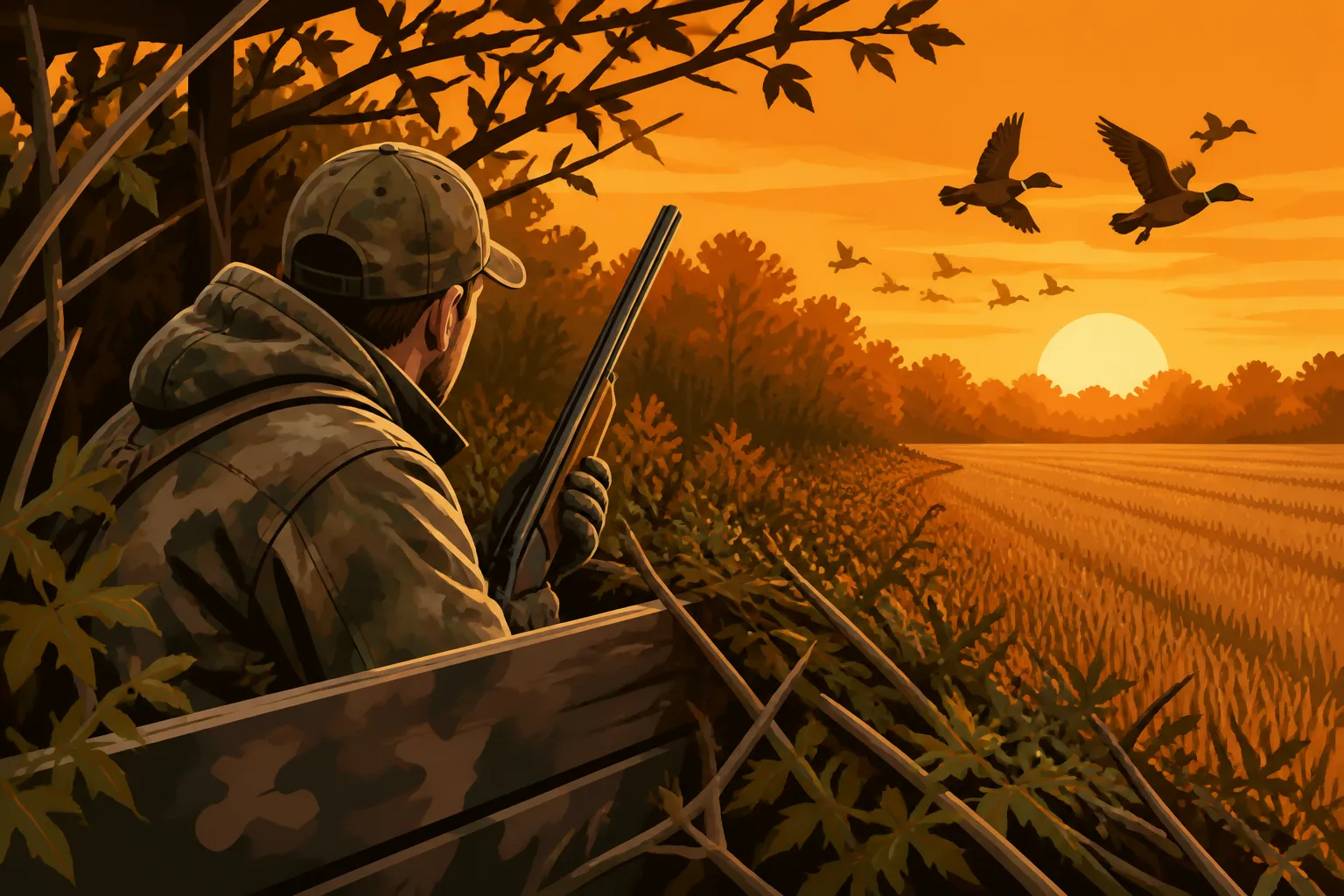
It's happened to all of us: you've spent hours setting up what you think is the perfect ground blind on a prime field edge, only to have a wary buck stop dead in its tracks 100 yards out, stare directly at your setup, and then melt back into the timber. That gut-wrenching feeling of being busted by a deer's incredible eyesight is a common frustration for Louisiana hunters. This guide is all about tackling that exact problem, showing you how to transform a conspicuous artificial blind into a seamless part of the landscape by mastering the art of brushing it in effectively on a field edge.
Why Field Edge Blinds Are So Tricky and Crucial
Hunting a field edge is often the most productive strategy in many parts of Louisiana, from the vast agricultural lands of the Tensas Basin to the smaller food plots nestled in the piney hills. Deer consistently use these transitional zones between thick cover and open feeding areas. However, this high traffic also means deer are often on high alert, making your concealment paramount. Simply popping up a blind without proper integration is a recipe for being spotted.
The Problem with Artificial Blinds
Imagine walking through the woods and suddenly seeing a vibrant, boxy structure that wasn't there yesterday. Your immediate reaction is probably one of curiosity, then perhaps caution. Deer are no different, but their stakes are much higher. A newly erected ground blind, even if it's in a popular camouflage pattern, screams "unnatural" to a whitetail. Their world is one of subtle shifts, familiar shapes, and ingrained patterns. Anything that breaks that pattern, particularly a large, static object, is a red flag.
The problem intensifies on field edges. Deer approaching a field are already on guard, often pausing at the tree line to scent check and visually scan for danger before committing to the open. When they spot a dark, geometric shape that clearly doesn't belong, especially one that hasn't had time to "season" and become part of the environment, they'll simply pivot and disappear. Many hunters underestimate the deer's visual acuity and their ability to differentiate new objects from existing cover, especially when those objects possess hard edges or an unnatural silhouette.
The Importance of Blending In
True concealment isn't just about being hidden; it's about being invisible—or, more accurately, being perceived as part of the natural environment. Brushing in a blind goes far beyond just throwing a few branches on it. It's about breaking up the distinct outline, softening the hard edges, and creating a three-dimensional texture that mimics the surrounding vegetation. When done correctly, a well-brushed blind ceases to be a distinct object and instead becomes an indistinguishable part of the bush line or tree row.
This blending isn't just for visual deception. Natural materials can also help absorb some sound, preventing the rustle of synthetic fabric from carrying too far. While brushing in won't eliminate your scent, integrating the blind into existing cover can help your scent plume disperse more naturally, rather than being concentrated around an isolated structure. The goal is to make the deer feel completely comfortable approaching the field edge, never once suspecting a threat from your position.
Understanding Deer Behavior on Field Edges
Deer use field edges for a multitude of reasons, making them prime hunting locations. These areas serve as primary travel corridors, especially during low-light hours as deer transition between bedding and feeding. Bucks often cruise these edges, scent-checking for does, while does bring their fawns out to feed. They also act as staging areas where deer gather and mill about before venturing into the open expanse of a soybean field, a winter food plot, or a cut rice field in Cameron Parish.
Because these are such critical zones, deer are inherently cautious here. They've learned that danger often lurks where cover meets open ground. They’ll utilize every bit of available cover, often slipping along the very edge of the woods, poking their heads out to survey the field. A hunter's blind, even if placed perfectly along an established travel route, will be scrutinized. Their peripheral vision is excellent, and they're constantly scanning. This means your blind needs to disappear, not just from the front, but from all angles of approach. Think about where they'll be coming from, and where they'll be looking. It's not just about what you can see from your blind, but what they can see of you.
Gathering Your Natural Materials for the Perfect Brush-In
The success of brushing in your blind hinges entirely on the quality and type of materials you use. You can have the best blind on the market, but if you cover it with the wrong stuff, or not enough of it, you're still going to stick out like a sore thumb. This step is just as important as the actual placement of the blind.
Local Vegetation is Key
The golden rule of brushing in is to always use vegetation that is native and abundant to the immediate area where your blind is set up. This isn't just a suggestion; it's absolutely critical for achieving seamless concealment. If you're hunting in a piney hills region of North Louisiana, don't bring in palmetto fronds from a swamp; it will look completely out of place. Similarly, if you're along a river bottom with cypress and tupelo, you wouldn't use pine boughs. Deer are acutely aware of their environment, and anything that doesn't match the surrounding flora will draw their attention.
In Louisiana, you're blessed with a variety of natural materials. In swampy or marshy areas, you might find an abundance of common cane, palmetto, or even dead cypress branches. In upland areas, small saplings like sweetgum or oak, wild grasses, deadfall branches, and even invasive kudzu can be fantastic. The key is to select materials that mimic the dominant growth around your blind. For instance, if you're along a fencerow for late-season deer, tall, dried grasses and weeds collected directly from that fencerow will be far more effective than fresh green branches from a distant part of the woods. GoHunt, a popular hunting app, offers detailed satellite imagery that can help you scout the specific vegetation types in your chosen area, allowing you to plan your brushing materials even before you get to the field.
Tools of the Trade for Gathering
While you can break off branches by hand, having the right tools makes the process much more efficient, safer, and allows for cleaner cuts that don't damage the living trees unnecessarily. Here’s what you should consider bringing:
- Loppers: These are essential for cutting larger branches (up to 1.5-2 inches thick). They provide leverage and a clean cut, crucial for maintaining the health of the plant material and making it easier to work with.
- Pruning Shears/Hand Pruners: For smaller branches, vines, and thick grasses, these are invaluable. They allow for precision cuts and are easy to carry and operate with one hand.
- Small Handsaw or Folding Saw: For anything larger than what your loppers can handle, a handsaw is a must. It’s compact, lightweight, and can handle branches up to 4-6 inches in diameter, perfect for deadfall or larger structural pieces.
- Work Gloves: Protect your hands from thorns, splinters, and blisters. You'll be doing a lot of cutting and handling of rough materials.
- Tie-Down Straps or Bungee Cords: Useful for securing larger bundles of brush to your ATV or truck for transport back to your blind site.
When gathering, always prioritize deadfall or naturally fallen branches. If you must cut living vegetation, choose wisely. Opt for areas where the species is abundant, and cut smaller branches rather than entire young trees. The goal is to minimize your impact on the environment while still getting enough material.
How Much is Enough?
This is where many hunters fall short. When it comes to brushing in a blind, you almost always need more material than you think. A good rule of thumb is to gather enough to completely obscure the blind, then double that amount. You want layers, depth, and overlap to truly break up the outline. It’s far better to have a surplus of brush that you don’t use than to realize you’re short when you’re halfway through the job.
Consider the density you’re trying to achieve. You should be able to look at the exterior of your blind and barely discern its original shape, let alone its color or pattern. This means filling in gaps, creating shadows, and ensuring that no part of the blind’s fabric is exposed, especially at the bottom where light can peek through. Think about the entire season; fresh leaves will eventually wilt and fall off, so having a robust, dense initial brush-in will save you maintenance later on.
The Art of Brushing In: Step-by-Step Execution
Brushing in a blind isn't just about piling branches; it's a strategic process that requires a keen eye and a bit of artistry. The goal is to create a seamless transition from the natural environment to your artificial structure, making it disappear.
Starting with the Base
Before you even think about adding brush, make sure your blind is properly set up and secure. Once it's in place, the first step in brushing it in is to integrate it with the existing cover. Don't just place it in front of a bush; try to nestle it into the natural vegetation. If there's a thicket of small trees or a dense briar patch along the field edge, try to push your blind into it so that the back and sides are already partially obscured. This immediately reduces the amount of artificial material that needs to be covered.
Next, focus on creating a sturdy foundation for your brush-in. Start from the bottom of the blind and work your way up. Use thicker, stiffer branches as the primary framework. These pieces should be woven into the existing loops or ties on your blind, or even secured with zip ties or wire if needed. The idea is to create a strong, structural layer that will hold the lighter, more concealing materials. Think of it like building a small, dense wall around your blind.
It’s crucial to establish your shooting lanes at this stage. You don't want to perfectly brush in your blind only to realize you can't get a clear shot at that trophy buck crossing the field. While these lanes will be kept clear, the vegetation directly around them needs to be even denser to funnel deer into the open areas you've chosen. For example, if you're hunting an entry route through standing soybeans, ensure your lanes are clear but the blind itself is still perfectly hidden.
Layering for Depth and Texture
This is where the magic really happens. Once your base layer of sturdy branches is in place, it's time to add the finer, more detailed layers that create depth and natural texture. This isn't a flat painting; it's a three-dimensional sculpture. Use a variety of materials gathered from the immediate area.
- Mix it up: Don't use just one type of plant. Combine the thicker branches with leafy saplings, long grasses, and even vines. This variation mimics the natural diversity of a field edge.
- Overlap and create shadows: Rather than laying brush flat against the blind, angle pieces to create overhangs and gaps. These create natural shadows, which are essential for breaking up straight lines and deceiving a deer's eye. Direct sunlight hitting a flat, camouflaged surface can still make it stand out.
- Think in layers: Start with larger, leafier branches, then tuck in smaller, denser pieces. Fill any obvious gaps where light might pass through.
- Focus on key angles: Consider where deer are most likely to approach from and where the sun will be throughout your hunt. Ensure these angles are particularly well-brushed. If you’re hunting in a Florida Parishes bottomland, you know deer often follow creek beds and low-lying areas, so consider how your blind looks from those vantage points.
This layering process takes time and patience. It’s not a rush job. Step back frequently to assess your work and identify any areas that still look too uniform or unnatural.
Integrating with the Background and Foreground
Many hunters stop at brushing in the blind itself, but true mastery involves integrating the blind with its surroundings, both behind and in front. A perfectly brushed blind can still look out of place if it's sitting in a barren patch of ground that contrasts sharply with the dense woods behind it.
- Merge with the background: Extend your brushing efforts beyond the blind's footprint. If possible, use longer branches or even small saplings to create a gradual transition from the blind into the existing treeline or brush. This eliminates the "box in the woods" effect. You want the blind to look like a natural continuation of the fence row, hedgerow, or tree line.
- Utilize the foreground: Don't forget about the ground directly in front of your blind. Small tufts of grass, low-lying shrubs, or even a few scattered logs can help break up the sightline and add another layer of natural camouflage. This is especially important when deer are approaching the field directly in front of you. Sometimes, even a well-placed stump or pile of discarded corn stalks can add that extra bit of natural clutter to complete the illusion.
The "Hunter's Eye" Inspection
Once you think you're finished, the real test begins. Don't just pack up your tools and leave. Take the time to conduct a thorough "hunter's eye" inspection.
- Walk around: Walk completely around your blind, approaching it from every angle a deer might. Get out to 50, 75, even 100 yards and look back. Does it blend in? Can you still make out the shape?
- Get low: Get down on your hands and knees, mimicking a deer's perspective. What do you see from their eye level? Often, gaps that weren't visible from a standing position become glaringly obvious when you're lower to the ground.
- Check for shine and hard lines: Look for any reflective surfaces, like exposed blind fabric or shiny zip ties. These will stand out under direct sunlight. Also, scrutinize for any straight, unnatural lines. Nature is full of curves and irregularities, not perfectly straight edges.
- Enlist a buddy: If possible, have another hunter, preferably one who hasn't seen your process, come and give you an objective assessment. A fresh set of eyes can often spot details you've overlooked.
Be critical. If something looks off, fix it. It’s far better to spend an extra 30 minutes perfecting your brush-in than to have your season's prime opportunity ruined by a busted blind. Sometimes, it might even require a return trip a day or two later, after the initial brush has settled, to make final adjustments. A useful tool for this is the GoHunt app, which allows you to mark your blind's location and review satellite images to visualize how it might blend into the terrain from various angles, helping you identify potential flaws in your setup.
Maintenance and Advanced Considerations
Brushing in a blind isn't a "set it and forget it" task. Natural materials are, well, natural, and they will change over time. Being aware of these changes and making necessary adjustments will ensure your blind remains effective throughout the hunting season.
Keeping it Fresh
The vibrant green leaves you used on opening day won't stay that way. They'll wilt, turn brown, and eventually fall off, especially in Louisiana's often warm and humid conditions. This natural degradation can quickly compromise your concealment.
- Periodic Refreshment: Plan to refresh your brush-in periodically, particularly if you're hunting the same blind over several weeks or if you're targeting areas like the long either-sex window in Areas 5, 6, and 9. Before each hunt, or at least once a week, take a few minutes to inspect your blind. Replace any materials that have become too withered or sparse.
- Noise Factor: Dried leaves and brittle branches can become incredibly noisy in the wind or when you shift around inside the blind. This is a subtle but significant factor that can alert deer. Remove excessively dry, crunchy materials and replace them with fresher, more pliable vegetation to minimize sound.
- Color Change: As materials dry, their color changes. Ensure the new materials you add still match the surrounding live vegetation. If everything around you has gone brown for winter, then dried brush might actually blend in better than fresh green cuttings. Adapt to the season.
Dealing with Wind and Weather
Louisiana weather can be unpredictable, with strong winds and heavy rain capable of undoing a meticulously brushed blind. Anticipating these challenges can save you a lot of headache.
- Securing Materials: Strong winds are notorious for stripping leaves and blowing away loose branches. When you're initially brushing in, consider how you'll secure your materials. Weaving branches tightly into the blind's existing loops is a good start. For more security, use zip ties, small lengths of twine, or even fishing line to tie down key pieces. This is especially important for structural branches that form the bulk of your concealment.
- Rain and Weight: Heavy rainfall can saturate natural materials, making them much heavier. Ensure your blind's frame is robust enough to handle the added weight without sagging or collapsing. If using very dense or heavy branches, distribute the weight evenly. Excessive weight on one side could deform the blind, creating new, unnatural shapes.
- After a Storm: Always inspect your blind after a significant weather event. Wind and rain can create new gaps, expose parts of the blind, or even shift entire sections of your brush-in. Don't assume it's still good to go; a quick check can prevent a lost opportunity.
Scent Control with Natural Cover
While brushing in is primarily about visual and perhaps some auditory concealment, it's important to understand its role, or lack thereof, in scent control. Natural materials are not a substitute for proper scent management practices. Deer primarily rely on their noses, and if your scent is directly carried to them, even the most perfectly hidden blind won't save you.
- Minimizing Human Contamination: When gathering and placing brush, try to handle the materials as little as possible with bare hands. Wear your hunting gloves, which should be as scent-free as possible, to reduce transferring human scent to the brush.
- Air Out Materials: If possible, cut your brush a day or two before you need it and let it air out in a natural environment near your blind. This allows some of the initial "fresh cut" scent to dissipate and for any transferred human scent to weather away.
- Integration with Scent Strategy: Think of your brushed-in blind as one layer in your overall scent strategy. The natural materials might help to absorb or deflect some minor scent plumes, but your primary focus should still be on showering with scent-free soaps, wearing clean hunting clothes, and playing the wind. Understanding wind and thermals in swamp bottomland, for instance, is far more critical for scent control than any amount of brushing in.
Ultimately, a well-brushed blind, maintained throughout the season, is a game-changer for hunting wary deer from a field edge. It demands effort and attention to detail, but the reward of a deer walking confidently into your shooting lane, completely unaware of your presence, is priceless.
| Vegetation Type | Pros | Cons | Best Used For |
|---|---|---|---|
| Palmetto Fronds | Dense, broad leaves create excellent visual block. Durable. | Can be bulky to transport. Limited to specific regions. | Swamp, marsh, and piney flatlands. Excellent for solid barriers. |
| Common Cane | Very straight, tall, and abundant in many wetlands. Breaks up lines. | Can be sparse on leaves. Needs dense packing for full concealment. | River bottoms, swamp edges, marsh borders. Great for vertical texture. |
| Dead Branches/Fall | Readily available. Natural appearance. Adds depth and shadows. | Can be brittle and noisy. Requires more volume for dense cover. | Any wooded area. Foundation layer, adding bulk and breaking up shapes. |
| Kudzu Vines | Extremely dense and leafy. Excellent concealment. | Can be heavy when wet. Invasive, so often abundant. | Field edges, clear-cuts, areas with thick secondary growth. |
| Tall Grasses/Weeds | Blends seamlessly with field edges. Lightweight. Adds fine texture. | Less structural, can flatten easily. Needs frequent refreshing. | Foregrounds, soft top layers, blending with crop fields. |
Disclaimer
Hunting is an inherently dangerous activity. Always prioritize safety, understand and follow all Louisiana Department of Wildlife and Fisheries regulations, and obtain appropriate licenses before heading afield. The information provided here is for educational purposes and should not replace professional guidance or personal experience. Be aware of your surroundings and the capabilities of your equipment.