Hunting the Rut in the Early-Start Areas
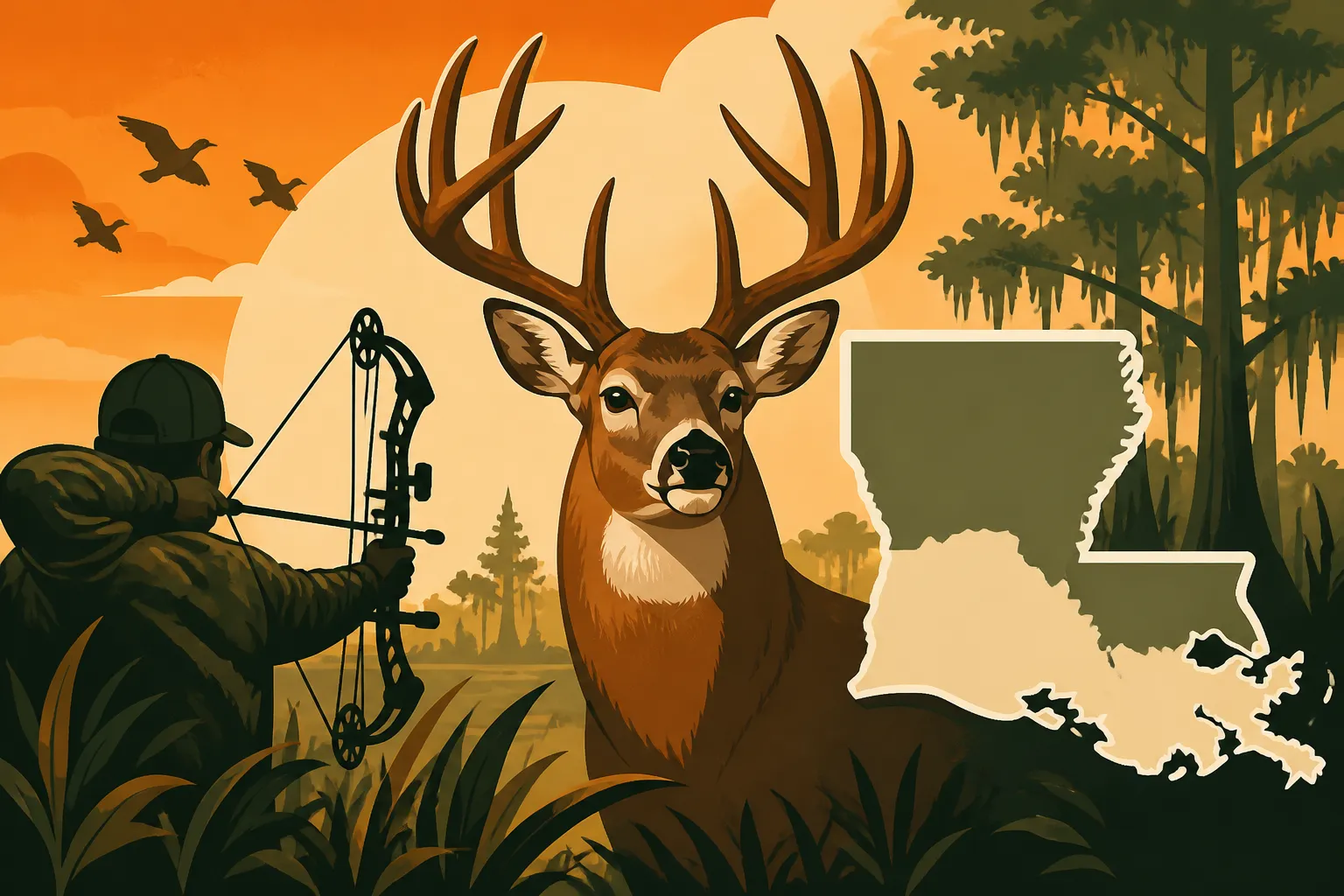
There's a special kind of anticipation that builds when the deer rut approaches, especially in Louisiana's "early-start" areas. Many of us have felt that frustration, pouring over maps and trying to guess exactly when that magical window of peak buck activity will kick off, only to find ourselves a week early or a few days late. It's a game of timing, and when you're hunting in areas where the deer start their breeding cycle a bit sooner, understanding the nuances can make all the difference between seeing a few does and encountering that cruising buck of a lifetime. This guide is dedicated to helping you decipher the signs, strategize your approach, and make the most of the early rut in these unique Louisiana landscapes.
Understanding Louisiana's Early-Start Deer Areas and Rut Timing
Louisiana is a big state, and the deer rut, that glorious period of frenzied breeding activity, doesn't happen uniformly across all its regions. It's a common misconception that the entire state "ruts" at the same time, leading many hunters to miss crucial opportunities. In reality, several factors, including genetics, habitat, and even latitude, contribute to varying rut timings. For those of us focused on the so-called "early-start" areas, this typically means a rut that can kick into gear as early as late September or early October, peaking in late October through early November, depending on the specific zone.
Identifying Key Early Rut Zones
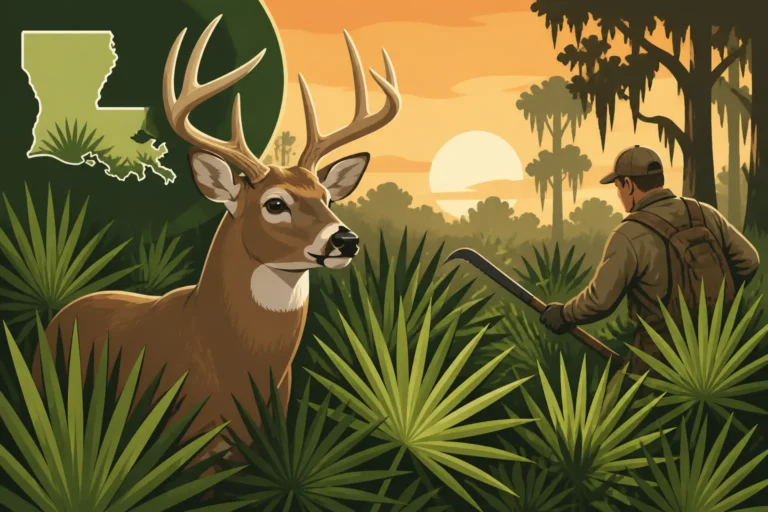
When we talk about early-start areas in Louisiana, we're generally looking at Deer Areas 2, 7, 8, and 10. These areas, particularly in the northern and western parts of the state, tend to see their deer herds enter the breeding phase before many of their counterparts further south or in the river bottoms. For instance, parts of Northwest Louisiana, often associated with Area 2, can experience significant rut activity well into October. Similarly, sections of the Florida Parishes (primarily Area 8) can also have an earlier onset, contrasting sharply with the later ruts seen in central and southern Louisiana's deep swamps. It's vital to check the current Louisiana Department of Wildlife and Fisheries (LDWF) regulations and deer area maps, which you can easily access through tools like the GoHunt app, to confirm which zone you're hunting in. Understanding these geographic distinctions is the first step to successful early rut hunting. You can learn more about Louisiana's Ten Deer Hunting Areas Explained to get a broader picture of how the state is divided.
Factors Influencing Early Rut Onset
The earlier rut in these specific areas isn't just a random occurrence; it's often a result of historical deer stocking efforts and local genetics. When deer were reintroduced to certain parts of Louisiana decades ago, some populations came from states further north with naturally earlier breeding cycles. Over generations, these genetic predispositions have largely remained, influencing when the local does come into estrus and, consequently, when the bucks begin their frantic search. Additionally, subtle differences in habitat quality, nutrition, and even local weather patterns can play a role. A slight dip in temperatures or a well-timed cold front can often trigger more intense daytime rut activity, even if the primary breeding window is still a week or two away. It’s not just about the calendar; it's about the conditions that make those deer feel like it's time to get moving.
Key Rut Behaviors to Watch For in Early-Start Areas
Even in the early stages of the rut, deer behavior shifts dramatically. Gone are the predictable patterns of pre-rut, where bucks might stick to specific feeding or bedding routines. During the rut, and especially as it begins to fire up, bucks become much more mobile and less cautious, driven by the intense biological imperative to breed. Spotting these changes in behavior is crucial for knowing exactly when and where to focus your hunting efforts.
Increased Scrapes and Rubs
One of the most obvious indicators that the rut is kicking into high gear is a sudden proliferation of scrapes and rubs. Bucks create rubs by rubbing their antlers on saplings and small trees, leaving visual and olfactory markers. Scrapes, on the other hand, are bare spots of earth where bucks paw away leaf litter, urinate, and sometimes salivate over a licking branch, all to deposit their scent and signal their presence to does. In early-start areas, you might start seeing these signs increasing in intensity by mid-October. A fresh, active scrape with dirt kicked up and a strong scent indicates a buck is actively working it. Don't just look for one or two; seek out "scrape lines" along field edges, old logging roads, or transition areas, as these routes often indicate significant buck travel. Paying attention to these subtle cues can tell you that the deer are already in their prime, ready to find a mate.
Bucks Cruising and Chasing
As the rut progresses from the initial scraping and rubbing phase into full-blown breeding, you'll notice a marked increase in bucks actively "cruising" for does. This means they are no longer sticking to a tight home range but are constantly on the move, covering significant ground in search of a receptive doe. This is when patience in your stand really pays off. A buck might appear seemingly out of nowhere, scent-checking every thicket and travel corridor. Later in the early rut, you'll start to witness actual "chasing" – bucks hot on the heels of does, sometimes running them for considerable distances. This is a tell-tale sign that the does are nearing or are in estrus, and the action is truly heating up. Observing these high-energy chases can pinpoint areas of intense activity. For strategies on how to draw these deer in, consider tactics covered in Rattling and Grunting in Louisiana.
| Rut Behavior | Timing in Early-Start Areas (Approximate) | Significance for Hunters |
|---|---|---|
| Increased Rubs | Late September – Early October | Bucks establishing dominance and marking territory; follow rub lines. |
| Increased Scrapes | Early October – Mid-October | Bucks actively communicating with does; target active scrapes. |
| Cruising Bucks | Mid-October – Early November | Bucks actively searching for does; focus on travel corridors. |
| Chasing/Breeding | Late October – Mid-November | Peak rut activity; bucks are less cautious, highly mobile. |
| Post-Peak Cruising | Mid-November onwards | Bucks still searching for late-estrus does, less intense. |
Effective Hunting Strategies During the Early Rut
Hunting during the early rut in Louisiana's "early-start" areas requires a blend of aggression and patience. The deer are on the move, but they might not be as completely oblivious as they are during the absolute peak of the breeding phase. Your strategy needs to capitalize on their increased movement while still respecting their senses.
Strategic Stand Placement for Roaming Bucks
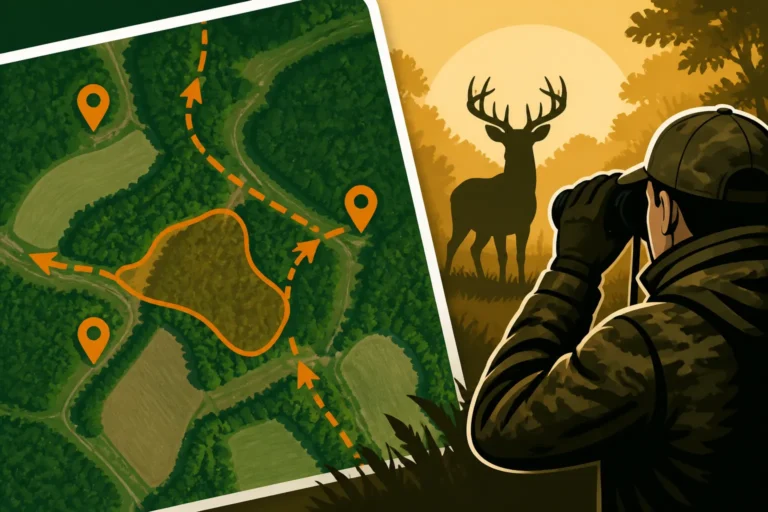
During the early rut, bucks are spending more time on their feet, scent-checking for does. This means that traditional food plot stands might not be as productive as stands placed along natural travel corridors, funnels, or pinch points. Think about how deer move between bedding areas and feeding areas, or between different blocks of cover. A saddle on a ridge, a narrow strip of timber connecting two larger woods, or a creek crossing can be absolute goldmines. Bucks will use these natural choke points to efficiently cover ground while also checking for does. If you're hunting public land, consider how deer might skirt areas of high pressure. Tools like the GoHunt mapping platform can help you identify these topographical features and potential travel routes before you even step foot in the woods. When thinking about where to set up, drawing on resources like Treestand Setups in Kisatchie National Forest can provide valuable insights, even if you're not in Kisatchie itself, as the principles of identifying key deer movement patterns remain constant.
Using Calling and Decoys Effectively
The early rut is often the prime time to employ calling strategies like rattling and grunting. Bucks are looking for other bucks to assert dominance or investigate potential competitors, and they're also keenly listening for does. A few short, aggressive rattling sequences can sometimes bring a curious buck right into your lap. Similarly, grunt calls, especially those mimicking a social grunt or an excited tending grunt, can grab a cruising buck's attention. Remember to use these calls sparingly and realistically; overcalling can spook wary deer. For visual appeal, a buck decoy can be incredibly effective, especially if you set it up to look like a young buck challenging an unseen dominant buck, or even a lone doe. Positioning it downwind from your stand, where a real buck would typically approach, can draw them in close for a shot. Always consider the wind direction when using scent and calls; you want your sound and scent to carry into areas where deer might be, not directly into your stand.
Scent Control and Patient Observation
Despite the rut-fueled carelessness, deer are still incredibly sensitive to human scent. During the early rut, when bucks are actively cruising and does are being chased, they are covering a lot of ground, increasing the chances of them crossing your scent trail. Meticulous scent control is paramount. This means showering with scent-eliminating soaps, washing your hunting clothes in scent-free detergent, and storing them in airtight containers. Using a high-quality carbon suit or layering up to minimize scent can also make a significant difference. Furthermore, once you're in your stand, patience is your greatest ally. The early rut isn't always a constant flurry of activity; there can be lulls. Remaining still, scanning continuously, and being prepared for a shot at any moment is crucial. Sometimes, the most action you see is during those quiet midday hours, when other hunters have retreated for lunch. This time can be especially productive for bucks that are avoiding heavier morning and evening pressure.
Adapting to Weather and Pressure in Early-Start Rut Hunts
Hunting during the early rut, especially in Louisiana, brings its own set of challenges, from unpredictable weather to fluctuating hunting pressure. Being prepared to adapt to these variables can significantly improve your chances of success.
Capitalizing on Cold Fronts and Weather Shifts
One of the most impactful external factors during the early rut in Louisiana is the weather. While the general rut timing is genetically driven, a strong cold front can absolutely ignite deer movement. A significant drop in temperature after a period of warm weather often gets bucks on their feet during daylight hours, pushing them to cruise more actively. They're looking for does, and cooler temperatures make it more comfortable for them to cover ground. Conversely, unseasonably warm spells can suppress daytime activity, making those mid-morning and mid-afternoon hunts tougher. During these warmer periods, focus your efforts on the first hour of daylight and the last hour before dark, or try hunting close to thick cover where bucks might be staging. Keep a close eye on weather forecasts, and if you see a cold front approaching, try to schedule your hunt to coincide with its arrival. Remember that Wind and Thermals in Swamp Bottomland are also critical, and these factors are often more pronounced with changing weather.
Managing Hunting Pressure on Public and Private Land
Hunting pressure is an undeniable reality in Louisiana, particularly during the deer season, and it can heavily influence deer movement, even during the rut. In early-start areas, the opening of firearms season (often in October) can bring a significant influx of hunters, especially on public lands. If you're hunting a Wildlife Management Area (WMA) or other public access points, anticipate increased traffic. Bucks, even when rut-driven, will often become more nocturnal or move into the thickest, most secluded cover to avoid hunters. To counteract this, consider venturing further off the beaten path than others are willing to go. Use mapping apps like GoHunt to identify remote corners or difficult-to-access pockets that might hold pressured deer. On private land, communicating with neighboring hunters can help manage pressure. If everyone knows where everyone else is hunting, you can collectively push deer toward each other or ensure certain areas remain low-pressure sanctuaries. Understanding Why Louisiana's Gun Opener Draws the Biggest Crowds can help you prepare for these changes in hunting dynamics.
Late October to Early November: The Sweet Spot
While we call these "early-start" areas, the absolute peak of the rut often falls into late October and early November. This is when the majority of does are coming into estrus, and buck activity is at its highest. This timeframe often coincides with milder, more stable weather patterns, making conditions ideal for long sits. This is your prime window to be in the woods as much as possible. Focus on areas that funnel deer movement, use calling strategies aggressively but wisely, and maintain impeccable scent control. Don't be afraid to try new stand locations based on fresh sign or observed movement. This is the period when a buck that has been nocturnal for weeks might suddenly appear in broad daylight, completely focused on finding a doe. It's a truly exciting time to be a deer hunter in Louisiana, and with the right preparation and strategy, you can make the most of the early rut.
Disclaimer
The information provided in this guide is for general informational purposes only and does not constitute legal or professional advice. Hunting regulations and conditions can change rapidly. Always consult the official Louisiana Department of Wildlife and Fisheries (LDWF) regulations, local ordinances, and landowner permissions before engaging in any hunting activities. Adhere to all safety guidelines and ethical hunting practices.