Hunting the Rut in the Long-Window Areas
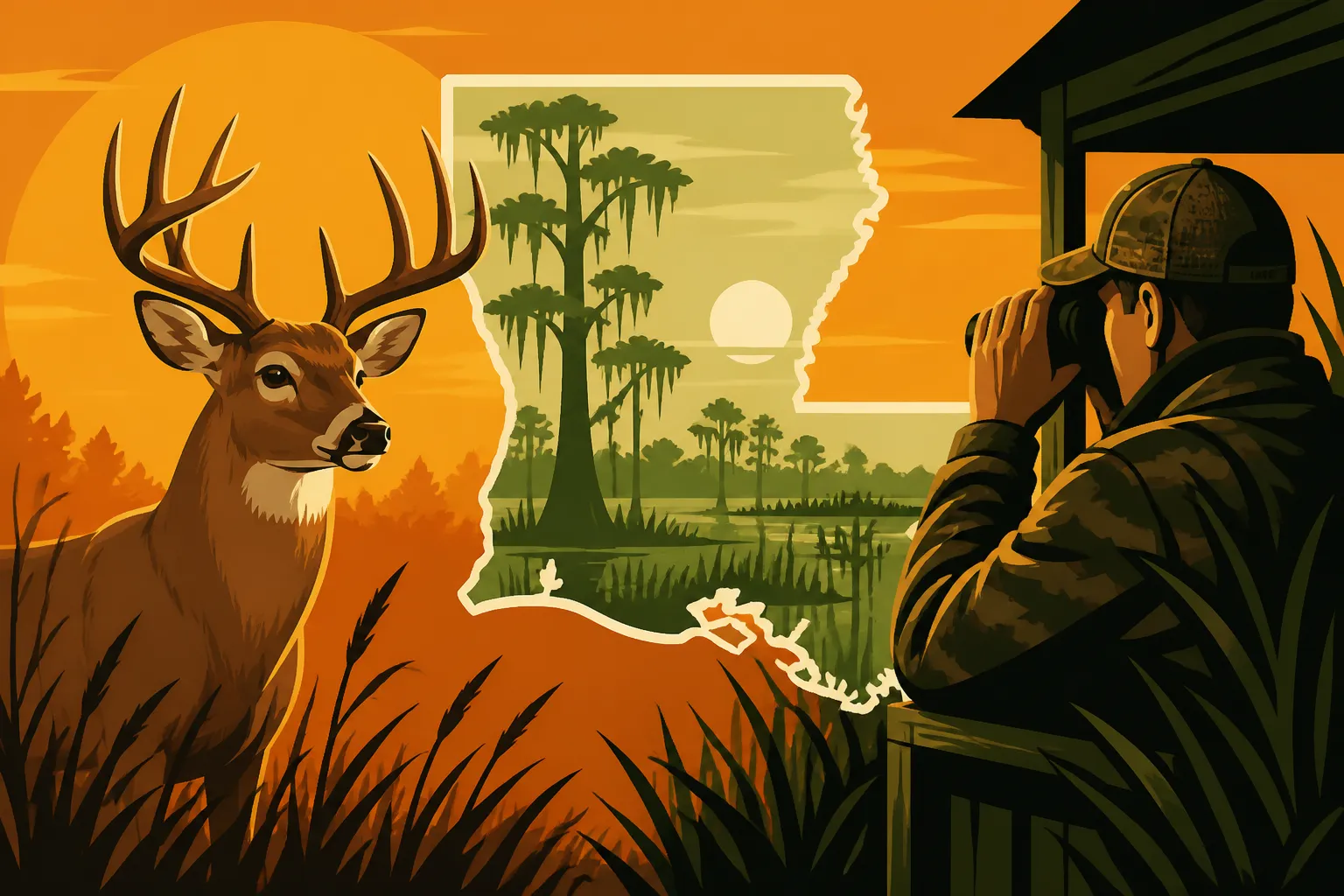
It can feel like a lifetime waiting for deer season to roll around here in Louisiana, and once it does, many of us are laser-focused on one thing: the rut. That magical window when bucks, usually so cautious and nocturnal, throw caution to the wind in pursuit of does. But if you hunt in our "long-window areas" – Deer Areas 5, 6, and 9 – figuring out exactly when that peak activity hits can be a real head-scratcher with seasons stretching for months. This guide is all about helping you dissect those extended seasons, understand the nuances of the rut in these specific regions, and put you in the best position for success when the action really heats up.
Understanding Louisiana's Long-Window Deer Areas
Louisiana is a diverse state, and that diversity extends right down to our deer seasons and, more importantly, the timing of the deer rut. Unlike some areas where the gun season kicks off and wraps up in a few short weeks, leaving little guesswork about the peak breeding time, our "long-window" areas offer a different beast entirely. It’s a blessing in disguise sometimes, but it can also make pinpointing the rut a true challenge.
Defining the "Long-Window" Advantage
When we talk about long-window areas, we're specifically looking at Deer Areas 5, 6, and 9. These are the zones where the archery and firearms seasons, particularly for either-sex deer, often stretch for five months or even longer. For many hunters, this extended period offers incredible flexibility. You're not forced to cram all your hunting into a few weekends, which is a huge relief for those with busy schedules. You can hunt early bow season, firearms season, and even catch the tail end of the rut or the post-rut without feeling rushed. It's a fantastic opportunity to really get out there and enjoy the woods.
However, this extended season length also presents a unique challenge: the rut isn't a state-wide phenomenon that happens uniformly. It's not like the entire state flips a switch in mid-November and every buck goes crazy. In these long-window areas, the rut can be surprisingly localized and its timing can vary considerably. Imagine having a massive buffet in front of you, but you're only looking for one specific dish, and that dish moves around the table every day. That's a bit like hunting the rut in these zones. It demands a more nuanced approach than just "hunting November." Understanding how Louisiana's Ten Deer Hunting Areas Differ is crucial here, as each has its own quirks.
Distinct Rut Timings Within These Zones
One of the biggest misconceptions I hear from hunters, especially those new to these areas or coming from states with more uniform rut calendars, is that the rut will happen at the exact same time across all of Areas 5, 6, and 9. That couldn't be further from the truth. While there are general windows, the peak rut – that intense 7-10 day period of chase and breeding – can shift dramatically from one parish to the next, and even between different habitat types within the same parish.
For instance, you might find that bucks in the piney woods of certain parts of Area 6 are locking down with does in late October and early November, showing all the classic signs of the rut, while bucks just an hour away in the deep bottomlands of Area 5 might not hit their peak until late November or even early December. This is often due to factors like genetics, nutrition, soil types, and even historical hunter pressure. Knowing How Louisiana's Ten Deer Areas Differ isn't just about season dates; it's about understanding these biological variations. These long-window areas, particularly Areas 5, 6 and 9's Long Either-Sex Window, provide ample time, but require a precise focus on the micro-rut, rather than a broad assumption. It’s important to research specific parish data or even WMA biologist reports to get a more accurate picture of when the most intense breeding activity typically occurs in your hunting spot.
Scouting and Pre-Season Intel for Rut Success
Since the rut in Louisiana's long-window areas isn't a predictable, calendar-fixed event, your success hinges heavily on diligent scouting and leveraging all the information at your disposal. You can't just show up and expect bucks to be chasing does on opening day; you need to understand the local rhythm.
Leveraging Technology for Rut Predictions
In today's hunting world, technology is your best friend when it comes to predicting deer movement and, by extension, the rut. Gone are the days of just wandering aimlessly hoping to stumble upon sign. Tools like mapping applications are invaluable. A service like GoHunt, for example, allows you to meticulously study satellite imagery, topo maps, and even historical aerial photos to pick out potential hotspots before you ever set foot in the woods. You can identify natural funnels where deer movement is concentrated, thick security cover bucks will use during the rut, and even subtle changes in elevation that might influence thermal currents.
When you're staring at a map, look for pinch points created by swamps, roads, or drastic changes in timber type. These are often high-traffic areas during the rut as bucks traverse them looking for does. Identifying bedding areas and primary food sources is also critical. Even if the rut isn't in full swing, understanding travel corridors between these essential resources will pay dividends when bucks start to cruise. Don't underestimate the power of these digital scouting tools to give you an edge, allowing you to narrow down vast tracts of public land or private leases to a few high-percentage locations. You can even use these tools to help with Reading Aerial Photos for Central Louisiana Deer to identify potential rutting grounds.
Boots-on-the-Ground Scouting for Fresh Sign
While digital scouting gives you a fantastic starting point, there's absolutely no substitute for getting your boots on the ground. You need to verify what you see on a map and, more importantly, read the language of the deer themselves. As the pre-rut begins, bucks will start to lay down sign. Look for fresh scrapes – those bare patches of earth where bucks paw and urinate, often under a low-hanging "licking branch." These are communication hubs, especially during the rut. A community scrape, used by multiple deer, can be an absolute magnet.
Rubs are another key indicator. Bucks will rub their antlers on saplings and small trees, leaving behind telltale marks. The size and freshness of these rubs can tell you a lot about the bucks in the area and how recently they've been active. Pay attention to how aggressive the rubs look; heavy, gnarled rubs on larger trees often indicate a more mature buck. Differentiating between an old rub from last season and a fresh, oozing rub made days ago is crucial. I like to scout during the early bow season, even if I'm not hunting a specific spot, just to monitor the progression of sign. This early intel helps confirm or adjust my predicted rut timing for that particular locale. It's essentially Scouting Louisiana Public Land Before Season but with a hyper-focus on rut indicators.
Effective Hunting Tactics During the Long-Window Rut
Once you've done your homework and identified a likely rut window and potential hotspots, it's time to put those insights into action. Hunting the rut, especially in our varied Louisiana terrain, often requires a more aggressive and adaptable approach than early season sit-and-wait strategies.
Aggressive Calling and Decoy Strategies
During the peak of the rut, deer behavior shifts dramatically, making calling and decoy strategies incredibly effective. Bucks are no longer as worried about self-preservation; their primary driver is finding and breeding does. This is the time to get vocal! Rattling antlers, or even a synthetic rattling bag, can imitate two bucks fighting, a sound that often draws in curious or aggressive bucks looking to assert dominance or steal a doe. Combine this with grunt calls – short, guttural sounds bucks make while trailing does – and you can create a highly realistic scenario. In Louisiana's often-thick cover, you might need to use a higher volume on your calls to cut through the dense foliage, so don't be shy about it. For more insights, check out Rattling and Grunting in Louisiana.
Decoys can also be incredibly effective. A single doe decoy placed downwind of your stand can act as a visual magnet for cruising bucks. Some hunters even use a buck decoy, sometimes paired with a doe, to really challenge a dominant buck. When using decoys, always consider the wind direction and ensure the decoy is visible from typical travel corridors. The key is to make the scene as believable as possible. However, be mindful of hunter safety; ensure you clearly identify your target and are aware of other hunters in the area if on public land, especially when using decoys that could attract attention.
Playing the Wind and Thermals in Varied Terrain
Louisiana's diverse terrain, from the sprawling cypress-tupelo swamps to the rolling piney hills, means that understanding wind and thermals is paramount, especially during the rut when deer movement is more widespread. In a swampy bottomland, for instance, winds can swirl unpredictably, making scent control an even bigger challenge. Thermals, the rising and falling air currents, are particularly influential during the morning and evening hours. In the morning, as the sun heats the ground, air rises, carrying your scent upwards. In the evening, as the air cools, it sinks, pushing your scent downwards into valleys or low-lying areas.
This means your stand placement needs to be meticulously planned. Always hunt with the wind in your favor, positioning yourself so your scent is carried away from where you expect deer to approach. In areas with significant elevation changes, consider how thermals might shift throughout your hunt. Sometimes, an afternoon stand might be perfect for rising thermals, but that same stand could be a disaster in the morning when the air is falling. Mastering Wind and Thermals in Swamp Bottomland can be the difference between seeing that cruising buck and having him bust you before he even comes into view.
All-Day Sits and Strategic Movements
The rut can be exhausting for bucks, but it also means they're on the move at all hours. This is why many experienced rut hunters advocate for all-day sits. While deer activity often peaks at dawn and dusk, a rutting buck can appear at high noon, cruising between bedding areas or checking scrapes. If you're only hunting for a few hours in the morning and evening, you're missing a significant portion of potential action. Packing a lunch, snacks, and plenty of water is essential for staying comfortable and alert in your stand for long stretches.
However, sometimes an all-day sit might not be feasible, or the action just isn't happening. This is where strategic movements or still-hunting can come into play. A careful, slow still-hunt through a known bedding area or a funnel can sometimes nudge a buck into revealing himself. In dense cover, moving just 50-100 yards can open up a new view and expose deer you might have otherwise missed. On public lands, or even large private tracts, a well-executed, small deer drive with three or four hunters can sometimes push deer towards waiting standers, especially in areas with thick cover where deer can hide easily. Just remember, any movement must be slow, methodical, and always with the wind in mind.
Adapting to Pressure and Weather Variables
Hunting the rut in Louisiana’s long-window areas isn’t just about knowing when and where to hunt; it’s also about constantly adapting to external factors like hunter pressure and the fickle Louisiana weather. These can drastically alter deer behavior and dictate whether your carefully laid plans succeed or fail.
Handling Increased Hunter Pressure
Let's be realistic: when the rut approaches, especially during the firearms portion of the season, more hunters are going to be out there. Public lands can get crowded, and even private leases might see increased activity. This added pressure makes deer, particularly mature bucks, incredibly wary. They might become more nocturnal, moving primarily under the cover of darkness, or they might seek out the thickest, nastiest cover they can find during daylight hours.
To counter this, you need to think differently. Instead of hunting the obvious trails or clearings, start looking for those overlooked pockets of public land that other hunters walk past. These might be small, isolated thickets, dense swamps that are hard to access, or areas that require a longer, harder walk. Using a resource like GoHunt or other mapping apps can help you identify these hidden gems. You might find a small patch of untouched cover that holds a mature buck simply because it’s too much trouble for most hunters to get to. Sometimes, just walking an extra half-mile deeper than anyone else can put you in front of undisturbed deer. Learning to Find Ground Others Walk Past is a critical skill for pressured hunting.
Weather's Impact on Rut Activity
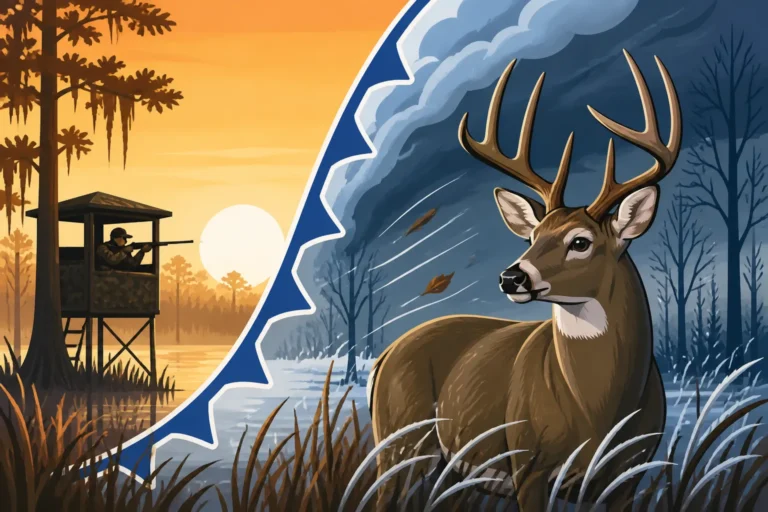
The weather in Louisiana, especially during the extended fall and winter hunting seasons, can swing wildly. One week you're hunting in shorts and a t-shirt, the next you're bundled up. These weather shifts have a profound impact on deer activity and, consequently, on rutting behavior. A sharp cold front, especially one that brings a significant drop in temperature after a warm spell, can ignite the rut. Deer, feeling the physiological need to breed and perhaps just feeling more comfortable moving in cooler temperatures, will often become much more active during daylight hours. This is when those all-day sits truly pay off.
Conversely, an unseasonably warm spell can actually suppress daytime rut activity. Bucks might still be breeding, but they'll often do it under the cover of darkness, retreating to thick cover during the heat of the day to conserve energy. If you find yourself hunting during a warm snap, focus on early mornings and late evenings, and consider hunting near dense bedding areas or water sources where deer might seek refuge. Post-rain conditions can also be fantastic for rut hunting. The damp ground quiets your footsteps, and the refreshed air carries scent better. Look for fresh tracks in the mud; they can tell you exactly where bucks are cruising. Knowing how to adapt your strategy for Warm-Weather Sitting Strategy in Louisiana is key to year-round success, even during the rut.
To give you a clearer picture of the general rut timing in these areas, here's a rough guide. Remember, these are averages and can shift based on localized factors. Always consult local LDWF resources or speak with biologists for the most precise information for your specific hunting grounds.
Understanding the Deer Rut: Behavior, Timing, and Hunting Strategies in Louisiana's Long-Window Areas
There's a palpable excitement that buzzes through the woods when the rut hits, a period when the usually secretive white-tailed deer throw caution to the wind. For us Louisiana hunters, especially those of us who hunt in the state's "long-window areas" like Deer Areas 5, 6, and 9, understanding the nuances of this critical breeding phase is key to success. With seasons that stretch for months, pinpointing the peak rut can feel like finding a needle in a haystack. This guide dives deep into deer behavior during the rut, helps you understand the varying timings across our long-window zones, and outlines effective strategies to put you in the thick of the action.
The Phases of the Rut in Louisiana
The rut isn't a single event; it's a dynamic period with distinct phases, each offering unique hunting opportunities. Knowing what to expect in each phase helps you tailor your tactics and increases your chances of encountering a cruising buck. In Louisiana, these phases often unfold over several weeks, especially in our long-window areas.
The Pre-Rut: Anticipation and Early Buck Activity
The pre-rut is that exciting period leading up to the peak breeding, and it's often my favorite time to be in the woods. Bucks are starting to feel the urge, their testosterone levels are surging, and they're becoming more active. You'll see an increase in rub lines and scrape activity as bucks begin to mark their territory and communicate with does. They're still somewhat cautious, but they're definitely on the prowl, looking for the first does to come into estrus. This is a fantastic time for scouting, as fresh sign will tell you exactly where bucks are moving and where they might establish their breeding corridors.
During this phase, bucks are often on a more predictable pattern, still tied to food sources and bedding areas, but beginning to expand their ranges. This is a great time to hunt pinch points and funnels between these critical areas. They'll respond well to soft grunts and doe bleats, as they're curious and testing the waters. I've had some fantastic encounters during the pre-rut by simply sitting on a well-used travel corridor with the wind in my favor. It’s also a good period for Scouting Louisiana Public Land Before Season if you missed earlier opportunities, as the sign will be fresh and abundant.
The Peak Rut: Chaos and Opportunity
This is what most hunters dream about – the peak rut. It’s a relatively short window, usually 7-10 days of intense activity, where the majority of does come into estrus and bucks go absolutely wild. Forget predictability; bucks will be seen at all hours of the day, chasing does relentlessly, ignoring food, and sometimes even disregarding hunter presence. Their sole focus is breeding. This is when you'll see bucks cruising through open timber, crossing fields in broad daylight, and generally exposing themselves in ways they wouldn't during any other time of year.
For hunters, the peak rut demands aggressive tactics and often all-day sits. Calling becomes incredibly effective, from aggressive rattling sequences to continuous grunting and tending bleats. Bucks are often so focused on does that they'll investigate any sound that suggests another deer might be in the area. Decoys, both doe and buck, can also be highly effective at drawing in curious or territorial bucks. This is the time to be in your stand from sunup to sundown, because you never know when that buck of a lifetime might come charging through. Hunting the Louisiana Rut by Area can give you more specific peak timings depending on your general location.
The Post-Rut: Recovery and Secondary Breeding
After the intensity of the peak rut, comes the post-rut. Bucks are exhausted, having expended massive amounts of energy chasing and breeding. They've likely lost significant body weight and will now turn their attention back to food to recover. However, some does may not have been bred during the primary rut and will come into estrus again, often 28 days later. This creates a "secondary rut," which can be a fantastic, albeit often overlooked, hunting opportunity.
During the post-rut, bucks will often still respond to calls, but perhaps with less enthusiasm. They're looking for those few remaining receptive does, and will be covering ground. Your strategy here should shift back towards hunting food sources, especially those Late-Season Food Sources for Louisiana Whitetails that provide high energy. Think about standing grains, food plots, or even hard mast that might still be available. Bucks will be seeking to replenish their reserves, and finding these crucial food sources can put you in front of a hungry, albeit tired, buck. Patience is key in the post-rut, as activity might be spottier, but the rewards can be great.
Localized Rut Timings in Long-Window Areas
One of the biggest challenges for hunters in Louisiana's long-window areas (Deer Areas 5, 6, and 9) is understanding that "the rut" isn't a single, statewide event. These zones cover vast and ecologically diverse landscapes, leading to significant variations in when peak breeding activity occurs.
Geographic and Habitat-Based Variations
Louisiana is a tapestry of different habitats, from the piney uplands and rolling hills to the vast river bottomlands and coastal marshes. This habitat diversity, combined with regional deer genetics and nutrition levels, directly influences when the rut kicks off and peaks. For example, parts of Deer Area 6 that consist of well-managed pine timberland with good forage might see an earlier rut than, say, a heavily hunted, dense cypress swamp within Deer Area 5, where deer might mature slower and face different environmental pressures.
Even within a single parish, you can observe differences. A property bordering a major river might have bucks rutting a week or two earlier or later than one just a few miles away in agricultural fields. This is why generalized state rut maps are just that – general. You need to dig deeper into local conditions. Hunters who use mapping systems like GoHunt often mark their observations of rutting activity (scrapes, rubs, chases) year after year, building a localized rut calendar for their specific spots. This kind of detailed, hyper-local observation is gold when planning your hunts. It takes effort, but the payoff is a much clearer picture of when to be in the woods.
The Influence of Genetics and Nutrition
While photoperiod (the amount of daylight) is the primary driver for initiating the rut, genetics and nutrition play a significant role in when the peak breeding actually occurs within that window. Deer herds with a history of earlier breeding might consistently rut earlier than a herd in a different part of the state. Likewise, deer in areas with abundant, high-quality forage and good herd health might exhibit stronger, more concentrated rut activity.
In the long-window areas, where hunting pressure can be sustained for a long time, bucks might also adjust their rutting behavior to be more nocturnal or utilize thicker cover, even during peak breeding. This isn't necessarily a shift in the biological timing of the rut itself, but rather a behavioral adaptation. So, while the does are still coming into estrus at a certain time, the observable buck activity might be more subtle due to external factors. This is why simply checking the calendar isn't enough; you need to understand the local herd dynamics, the available food, and the hunting pressure to truly predict the action.
Strategic Stand Placement for Rutting Bucks
During the rut, bucks are focused on one thing: finding and breeding does. This changes their movement patterns from their usual food-to-bed routines. Your stand placement needs to capitalize on these new behaviors.
Hunting Funnels and Pinch Points
One of the most effective strategies during the rut is to set up on funnels and pinch points. These are geographical features that constrict deer movement, forcing them into predictable travel corridors. A funnel could be a narrow strip of timber between two open fields, a brushy fence line connecting two woodlots, or a dry ridge running through a swamp. A pinch point might be where a river bend forces deer to walk a narrow strip of high ground, or where human development limits their passage.
Bucks, especially cruising bucks looking for does, will naturally use these features because it's the path of least resistance or the most efficient way to travel. Setting a stand, whether it’s a climbing stand or a tripod, on a major funnel can offer shot opportunities all day long during the peak rut. Don't just look for obvious funnels; sometimes subtle changes in vegetation or terrain can create a micro-funnel that concentrates deer movement. For example, finding a funnel between two sloughs could be a hot ticket in the lowlands. Using a mapping application like GoHunt can help you spot these less obvious travel corridors and plan your access routes discreetly.
Targeting Doe Bedding and Feeding Areas
While bucks are the target, during the rut, does are the magnet. Bucks will constantly check doe bedding areas and primary feeding locations for receptive females. Therefore, setting up near these areas can be incredibly productive. Identify dense thickets, overgrown clear-cuts, or swamps that provide good security cover for does to bed down. Then, scout the trails leading out of these bedding areas towards preferred food sources like green fields, acorn flats, or agricultural fields.
During the peak rut, a buck might cruise downwind of a bedding area, scent-checking for does, or he might intercept does moving to or from a feeding area. Your stand should be positioned to intercept these cruising bucks without disturbing the does. This often means setting up on the downwind side of the trail or funnel, allowing you to catch their scent without them catching yours. Remember that Wind and Thermals in Swamp Bottomland become even more critical here to avoid alerting the deer.
Adapting to Hunting Pressure and Weather Swings
Louisiana's hunting seasons, particularly in the long-window areas, can see fluctuating hunting pressure and notoriously unpredictable weather. Being able to adapt to these variables is crucial for consistent success during the rut.
Adjusting to Public Land Pressure
It's an unfortunate reality that public lands, especially during the firearms season and the rut, can draw a crowd. Increased human presence can push deer onto private lands, make them more nocturnal, or force them into the deepest, thickest cover available. Instead of getting frustrated, you need to adjust your strategy. If your primary spots are getting hammered, consider moving deeper into less accessible areas. This might mean an extra long walk, paddling a pirogue into a swamp, or hunting spots where access is physically demanding. Oftentimes, bucks will hole up in these sanctuaries during the day.
Another tactic is to hunt mid-week when pressure is typically lower than on weekends. If you're hunting private land, try to understand your neighbors' hunting habits. If they're constantly pushing deer in a certain direction, you might be able to set up an ambush point. Even on public land, observing where most hunters go and then choosing a spot that's off the beaten path, even by a few hundred yards, can make a huge difference. Finding Ground Others Walk Past is a skill that becomes incredibly valuable when the woods are busy.
Hunting During Unpredictable Weather
Louisiana weather is famously unpredictable. You can go from 70 degrees and sunny to a torrential downpour and a 30-degree cold front in a matter of days. Each weather pattern requires a slight tweak to your rut hunting strategy.
- Cold Fronts: These are gold during the rut. A significant drop in temperature often triggers increased deer movement as they seek food and does. These are prime times for all-day sits and aggressive calling. Bucks will be on their feet, looking to capitalize on the cooler, more comfortable conditions.
- Warm Spells: While less ideal, warm weather doesn't shut down the rut entirely. Deer simply become more nocturnal or move during the coolest parts of the day. Focus your efforts on the first few hours of daylight and the last few hours before dark. Hunt tighter to bedding areas and focus on shady, cool travel corridors. Deer will be less inclined to cross open, sun-baked areas.
- Rainy Days: Light rain can be excellent for hunting. It dampens the leaf litter, making your approach quieter, and can refresh scent, exciting bucks. Heavy rain, however, often drives deer to seek shelter. The period immediately after a heavy rain, once it clears, can be explosive, as deer emerge to feed and resume rutting activities.
- Windy Conditions: High winds make it difficult for deer to hear and can make them feel insecure. They often stick to thicker cover or leeward slopes where the wind is less intense. Adjust your calling volume, as sounds won't carry as far, and focus on areas that offer some wind protection.
Being flexible and paying close attention to weather forecasts will help you maximize your time afield and catch those crucial windows of intense rutting activity. Whether it's reading the wind, knowing when to call aggressively, or finding those overlooked sanctuaries, hunting the rut in Louisiana's long-window areas is a rewarding challenge that can yield truly memorable hunts.
Disclaimer
Please note that hunting regulations, season dates, and specific area rules can change. Always consult the latest Louisiana Department of Wildlife and Fisheries (LDWF) regulations and maps before planning any hunting trip. This guide is for informational purposes only and does not replace official sources.