Where Atchafalaya Basin Bucks Bed
Finding a mature buck in the vast, dense, and often flooded Atchafalaya Basin can feel like searching for a needle in a swampy haystack. Many hunters struggle to pinpoint exactly where these elusive deer choose to bed down in such an expansive and challenging environment. This comprehensive guide will peel back the layers of the Basin's unique habitat, helping you understand the specific bedding preferences of whitetail bucks and providing actionable strategies to locate and hunt them effectively.
Understanding the Atchafalaya Basin Environment
The Atchafalaya Basin is a truly unique and formidable hunting landscape. It's not your typical pine forest or rolling hills; it's a dynamic, ever-changing watery wilderness where the land and water are in constant flux. The sheer scale and complexity of this area, with its cypress and tupelo swamps, hardwood bottoms, countless sloughs, bayous, and lakes, make understanding deer behavior here a specialized pursuit. Bucks in the Basin live a different life than their counterparts in upland areas, constantly adapting to shifting water levels, dense vegetation, and significant hunting pressure.
The Influence of Water Levels on Deer Movement
Water is the lifeblood and, simultaneously, the greatest challenge of hunting the Atchafalaya Basin. Its presence or absence dictates everything from food availability to travel corridors and, most importantly, bedding locations. When water levels are high, much of the typical ground cover is submerged, forcing deer to seek out any available dry ground. This can concentrate deer on higher ridges or spoil banks, making them easier to pattern if you know where these sanctuaries are.
Conversely, when water levels are low, the Basin can transform into a vast network of accessible woods, spreading deer out and allowing them to utilize areas that are usually impassable. Understanding how to interpret the river gauge readings and anticipate these changes is crucial for predicting where bucks will be. A subtle rise of even a foot can flood out prime bedding cover, pushing deer to the next available dry spot, often forcing them into surprisingly tight quarters.
Dominant Vegetation Types and Their Role
The vegetation in the Atchafalaya Basin is incredibly diverse, ranging from towering cypress and tupelo trees in the permanent swamps to dense willow and cane thickets along drier ground. Each type of flora plays a critical role in providing cover, food, and security for bucks. The impenetrable nature of some of these thickets is what makes the Basin such a challenging but rewarding place to hunt.
Mature hardwood bottoms, when not flooded, offer acorns and other mast crops that are vital food sources. However, for bedding, bucks often prefer the nastiest, most overgrown areas. Think dense cane breaks, thick stands of young willow, or areas choked with briars and palmettos. These provide both visual and scent cover, making a buck feel secure from predators, including hunters. Understanding these vegetation types and how they intersect with subtle elevation changes is key to locating those elusive bedding spots.
Key Features That Attract Bedding Bucks
Basin bucks are survivalists, and their bedding choices reflect an intense need for security, concealment, and an escape route. They aren't just looking for a soft spot to lie down; they're looking for a fortress, a place where they can detect threats early and vanish unseen. The ability to identify these subtle yet critical features on aerial maps or during scouting trips is what separates consistent Basin hunters from those who merely wander the woods.
Subtle Elevation and High Ground
In a landscape defined by water, any elevation is a significant feature for a bedding buck. This doesn't necessarily mean towering hills; often, it's just a few feet difference that keeps a piece of ground dry when everything else is flooded. These elevated spots can be natural ridges, old Indian mounds, spoil banks from dredged canals, or even the subtle high ground around the base of a large cypress tree. Bucks will bed on these slight rises, not only to stay dry but also to gain a slight vantage point.
A buck will often position itself on a subtle rise with its back to the wind, allowing it to smell danger approaching from behind while watching downwind areas for anything that might slip in. This setup maximizes its sensory input, giving it the best chance to react. Using tools like GoHunt can be incredibly helpful here, as their detailed topographic layers can reveal these minute elevation changes that are invisible from the ground. Look for these "islands" of dry ground within the swamp, especially those surrounded by thick cover or water, as they are prime candidates.
Dense Security Cover and Thickets
While elevation provides dryness and a vantage, dense security cover offers the crucial element of concealment. Basin bucks love to bed in the thickest, nastiest tangles of vegetation they can find. This includes cane brakes, willow thickets, briar patches, palmetto swamps, and areas of dense young regrowth, often where timber has been cut years ago and regenerated into an impenetrable jungle. The thicker and more difficult it is for a human to penetrate, the more appealing it is to a mature buck.
These thickets provide visual blockage from all angles, allowing a buck to lie undetected just yards from a hunter. They also help to disperse and disrupt scent, making it harder for predators to pinpoint them. When scouting, don't shy away from these daunting areas. Instead, look for trails leading into their depths or subtle openings within them. Often, the best bedding areas are places you would rather avoid walking through.
Proximity to Water and Escape Routes
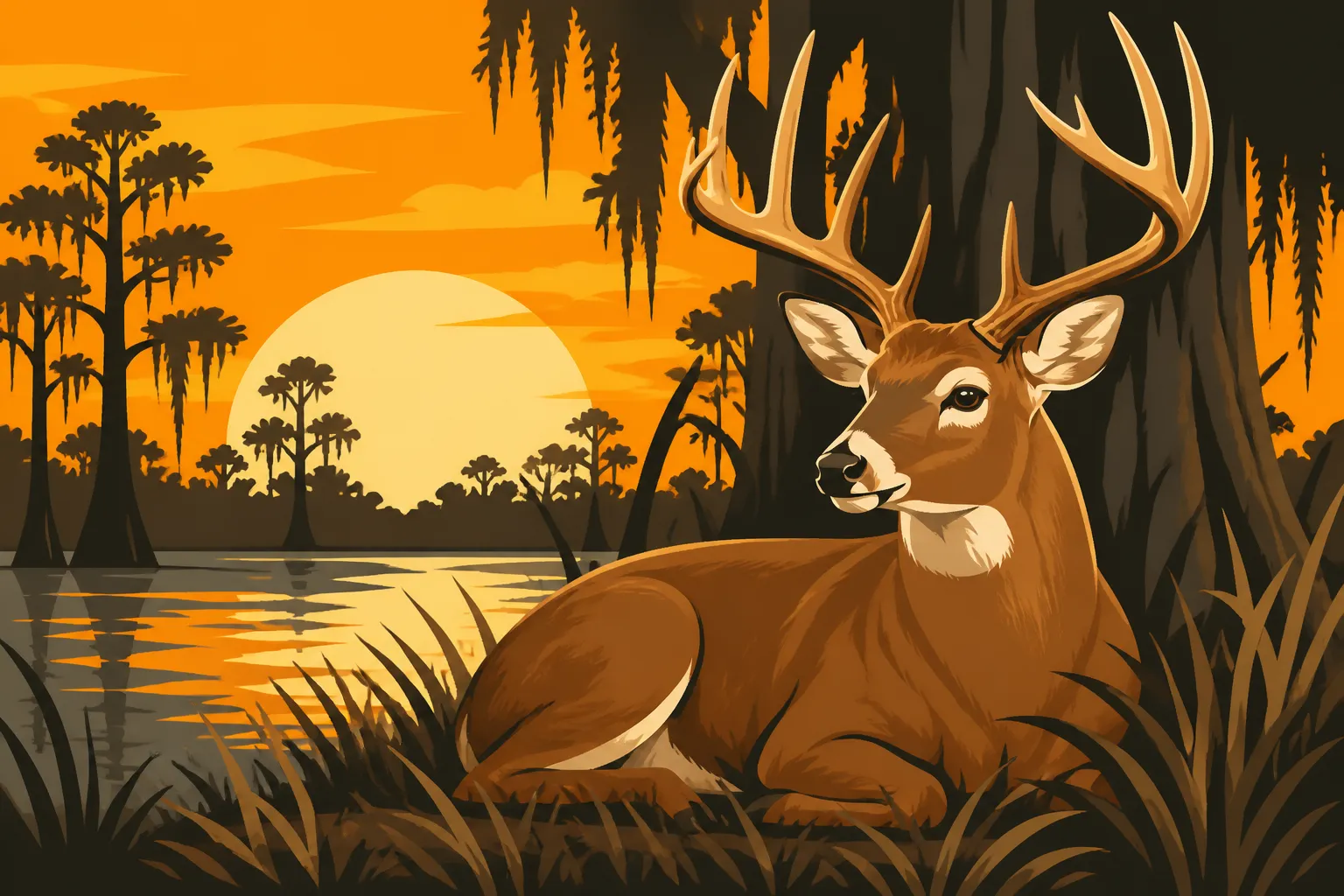
Despite seeking dry ground for bedding, Basin bucks also value close proximity to water. Water serves multiple purposes: it can be a barrier against predators, a travel corridor, and an escape route. Bucks will often bed on dry points or islands within or along the edges of sloughs, bayous, or small ponds. This allows them to quickly slip into the water and swim to safety if threatened, a common tactic for deer in this environment.
Consider a buck bedding on a small, elevated island in a slough. If danger approaches from the land side, it can simply slide into the water and swim silently away. This water boundary acts as a protective moat. When analyzing aerial maps, especially with a service like GoHunt, look for these natural pinch points where dry ground meets water and is also surrounded by dense cover. These are high-percentage spots. Understanding Where Atchafalaya Basin Bucks Bed means recognizing this interplay between dry ground, thick cover, and watery escape routes.
Scouting and Locating Basin Bedding Areas
Finding these bedding areas requires a combination of diligent pre-season scouting, leveraging technology, and understanding the specific signs left by deer. It’s a year-round commitment for serious Basin hunters, as conditions can change dramatically with the seasons. Trying to find bedding areas during the season, without prior knowledge, is often a recipe for educating deer rather than harvesting them.
Interpreting Aerial Maps and Topographic Data
Modern technology has revolutionized scouting, and for the Atchafalaya Basin, aerial maps and topographic data are indispensable. Before you ever set foot in the swamp, spend hours poring over these maps. Look for the features we discussed: subtle elevation changes, areas of dense green cover (often darker on satellite imagery), and the intricate network of sloughs and bayous. Tools like the LDWF app or subscription services like GoHunt offer detailed satellite imagery and topographic overlays that highlight those critical, slight rises in elevation.
Identify potential dry ground surrounded by water, especially if it leads into a dense thicket. Look for linear features like old logging roads, spoil banks, or natural ridges that might concentrate deer movement and thus offer preferred bedding points. Pay close attention to the confluence of different cover types – where a cypress swamp meets a willow thicket, or where an open bottomland transitions into a dense briar patch. These transition zones are often favored by bucks.
Boots-on-the-Ground Scouting in the Off-Season
While maps get you started, there's no substitute for boots-on-the-ground scouting. The ideal time for this is often during the late winter or early spring when water levels might be lower, and the foliage isn't as dense. This allows you to penetrate those thickets and confirm what you saw on the maps. Look for specific signs of buck activity leading into and out of potential bedding areas.
Fresh rubs and scrape lines along the edges of these thickets are strong indicators. Follow subtle trails that lead into the densest cover. You're not trying to jump a buck; you're trying to identify the specific features it uses. Look for old beds, which appear as flattened areas in the vegetation, often with droppings nearby. Pay attention to how deer enter and exit these areas, noting the prevailing wind patterns that would favor such bedding. This ground truth helps you understand Hunting the Louisiana Rut by Area and how bucks utilize their core areas.
Utilizing Game Cameras and Sign
Game cameras can be powerful tools for confirming bedding areas and understanding buck movement patterns, even in the challenging Basin environment. Placing cameras on trails leading into dense cover or on subtle pinch points can reveal if bucks are indeed using these areas. Focus on the edges of suspected bedding zones, rather than deep inside, to avoid spooking deer.
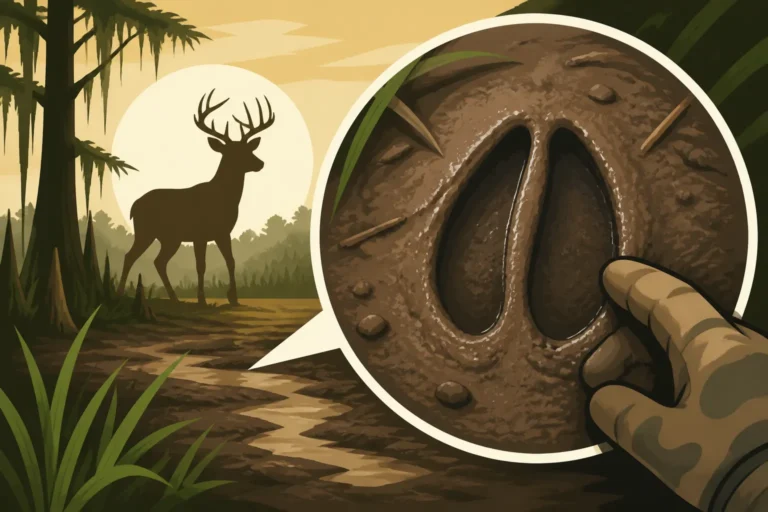
Beyond camera intel, actively look for fresh sign. Heavy tracks leading into a thicket, freshly broken branches from rubs, or concentrations of droppings can all point to nearby bedding. Remember, a buck's bedding area is its sanctuary. If you find consistent, heavy sign leading into a thick, elevated spot near water, you're likely on the right track. Be mindful of Scouting Louisiana Public Land Before Season guidelines to ensure ethical and legal camera placement.
Hunting Strategies Near Bedding Sanctuaries
Once you've identified potential bedding areas, the real challenge begins: how do you hunt them effectively without spooking the bucks you're targeting? Basin bucks are incredibly wary, and a single mistake can render an area unproductive for weeks. The key is a careful, calculated approach that respects the buck's need for security.
The Importance of Wind and Thermals
In any hunting scenario, wind is paramount, but in the Atchafalaya Basin, it's amplified. The dense cover and often humid conditions can make scent dispersal tricky. You must approach and hunt downwind or crosswind of a suspected bedding area. A mature buck will almost always bed with the wind at its back, allowing it to detect anything approaching from behind by scent, while it watches its downwind approach.
This means your entry and exit routes are critical. Never walk directly through a known bedding area, and always consider how the wind will carry your scent. Pay attention to thermals as well. In the morning, cooler air sinks, often carrying scent downwards into low-lying areas. In the evening, as the air warms, thermals rise. Understanding Wind and Thermals in Swamp Bottomland can be the difference between success and failure in the Basin. Plan your approach to use these natural air currents to your advantage, keeping your scent away from the buck's nose.
Strategic Stand Placement and Entry Routes
Your stand placement should be directly tied to the buck's bedding area and the prevailing wind. The goal is to catch the buck moving to or from its bed, or sometimes even moving within the bedding area itself during the rut. Set up on trails leading from the bedding area to known food sources, or along natural funnels created by water or dense cover.
Entry and exit routes are just as critical as stand placement. Plan routes that keep you out of the buck's core bedding area and minimize the chance of spooking it. This might mean paddling in a pirogue silently along a slough or making a long, circuitous walk to avoid crossing fresh sign. The less disturbance you create, the better your chances. Consider the various Atchafalaya Basin Boat Access Points to plan your quietest approach.
Here’s a quick overview of bedding area characteristics:
| Bedding Feature | Primary Benefit | Key Location Indicators | Ideal Hunting Conditions |
|---|---|---|---|
| Subtle High Ground | Dryness, Vantage Point | Old spoil banks, natural ridges, tree bases, Indian mounds | Low water levels, stable wind |
| Dense Thickets | Visual/Scent Concealment | Cane breaks, briar patches, willow stands, dense regrowth | Any conditions (security focus) |
| Water Proximity | Escape Route, Barrier | Points within sloughs, islands, edges of bayous | When water levels fluctuate |
| Transition Zones | Cover, Food Access | Edges where cypress meets hardwoods, open areas meet thickets | Early morning/late evening |
Approaching and Hunting the Edge
When hunting Basin bedding areas, it's often more effective to hunt the edges rather than diving directly into the core. Bucks will often stage on the fringes of their bedding areas before heading to feed, or they might move around within the thicket during midday, especially when the rut is on. Setting up on a dominant travel corridor that parallels or leads directly out of a bedding area can be highly productive.
This strategy minimizes disturbance to the sanctuary itself. If you push into the bedding area too aggressively, you risk blowing the buck out entirely, potentially sending it to a new location. Patience and calculated movements are key. Be prepared for a challenging retrieve if you succeed; Dragging a Deer Out of a Swamp is no easy task. Remember, the goal is to observe and intercept, not to invade.
Disclaimer
Hunting carries inherent risks, including injury and death. Always prioritize safety, follow all local and state regulations, and obtain proper licenses and permits. The information provided in this guide is for educational purposes only and should not be considered a substitute for professional instruction or personal judgment. Be aware of your surroundings and hunt responsibly.