Hunting Louisiana’s Reinstated Bear Season
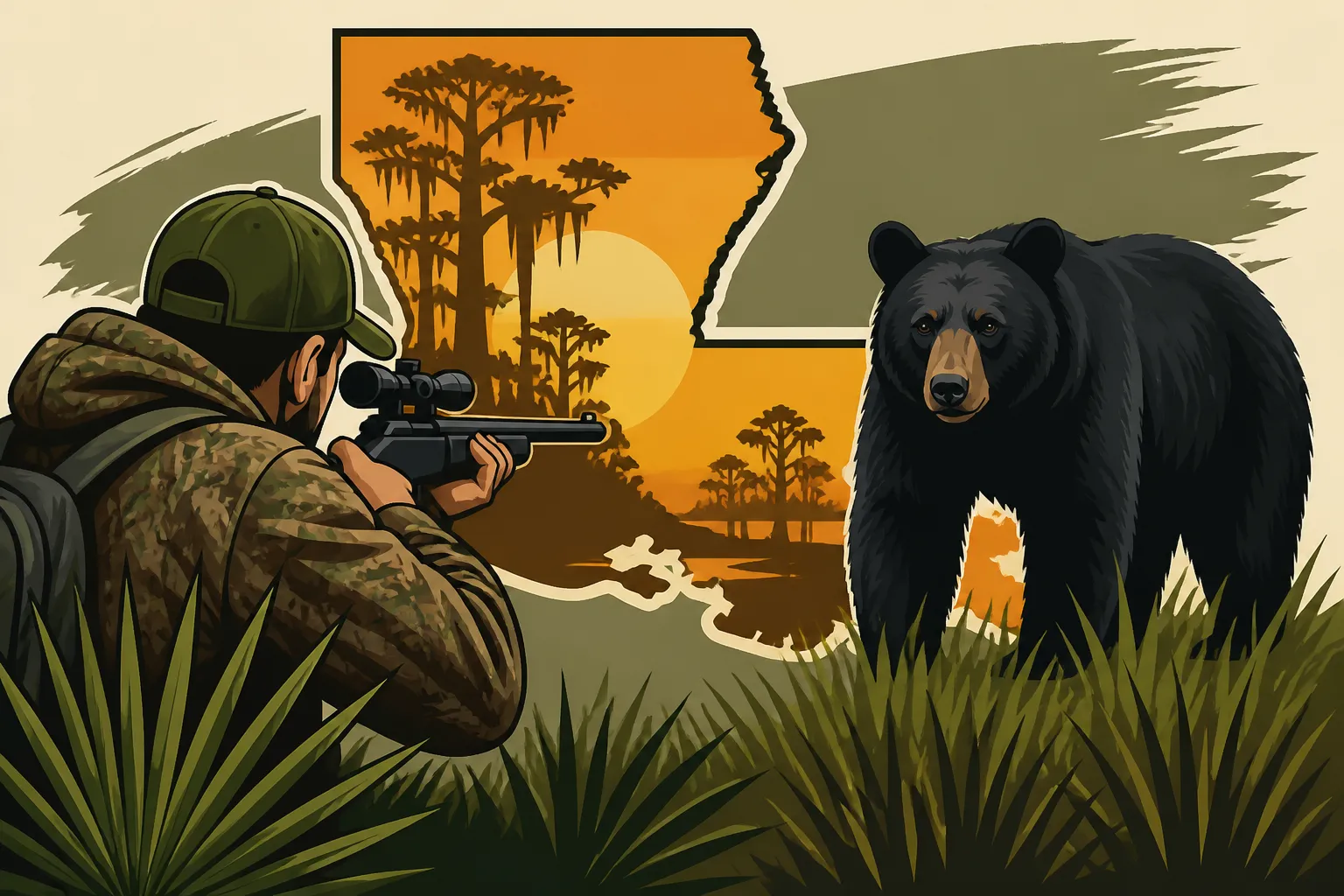
For hunters across Louisiana, the reinstatement of a black bear hunting season has been nothing short of monumental, a testament to decades of tireless conservation efforts. After a long hiatus, the opportunity to pursue this iconic big game species in its native swamp and bottomland habitat is a dream come true for many. But the reality is, getting a tag is tough, and successfully hunting one requires a deep understanding of the lottery system, the mandatory education, and the unique challenges presented by Louisiana's dense cover and wary bears. This comprehensive guide will walk you through every aspect of hunting Louisiana's black bears, from applying for a tag to ethical harvest and recovery.
The Return of Louisiana's Black Bear Season
The journey of the Louisiana black bear, a subspecies of the American black bear, has been a remarkable saga of near extinction and triumphant recovery. For generations, the idea of hunting bears in our state was simply a distant memory, something only heard about in old stories. The fact that we now have a regulated season speaks volumes about the dedication of countless individuals and organizations.
A Historic Comeback
Once widespread across the state, Louisiana black bears faced severe habitat loss and unregulated hunting pressure throughout the 19th and early 20th centuries. By the 1980s, their numbers had dwindled to critical levels, leading to their listing as a federally threatened species. This spurred decades of intensive conservation work by the Louisiana Department of Wildlife and Fisheries (LDWF), focused on habitat restoration, public education, and reintroduction efforts in key areas. Slowly but surely, the population began to rebound, especially in strongholds like the Tensas River Basin and the Atchafalaya River Basin. It was a long, arduous road, but the success was undeniable, leading to the species' eventual delisting in 2016 and, eventually, the careful consideration of a limited hunting season. The cautious approach to ensure the sustainability of the population is why the season is highly regulated and managed.
Understanding the Lottery System
Unlike deer or small game, securing a bear tag in Louisiana isn't as simple as walking into a store and buying one. The LDWF manages the hunt through a strict lottery system, acknowledging that the bear population, while recovered, is still sensitive and requires careful monitoring. This means only a limited number of tags are issued each year, specifically allocated to particular hunting zones. The number of tags available often fluctuates based on population assessments and management goals, which adds to the excitement and anxiety for hopeful hunters. It's a draw, pure and simple, and while frustrating for those who don't get selected, it's a necessary step to ensure the long-term health and stability of Louisiana's recovering black bear population. For more details on the big picture, you can explore the information on Louisiana's Reinstated Black Bear Lottery.
Navigating the Application Process for a Bear Tag
The first, and often most nerve-wracking, step in hunting Louisiana black bears is successfully navigating the lottery application process. It can feel like trying to hit a moving target with all the dates and requirements, but paying close attention to the details is paramount.
Key Dates and Deadlines
The LDWF typically opens the application period for the black bear lottery around late summer or early fall. For instance, in recent years, the application window for Louisiana Bear Lottery Application Window has generally run from mid-August through early September. It's a relatively short window, so you absolutely cannot drag your feet. Missing the deadline by even a day means you're out of luck for the entire season. The draws usually take place in late September or early October, with notifications sent out shortly thereafter. Keeping an eye on the official LDWF website and their social media channels is critical for staying up-to-date on exact dates, as they can shift slightly from year to year based on department scheduling and other factors. Mark your calendar, set reminders, and make sure you're ready when the window opens.
Eligibility and Fees
Applying for a Louisiana bear tag comes with specific eligibility requirements and associated costs. Generally, you must be a Louisiana resident to apply for the lottery. Non-residents, unfortunately, are typically not eligible for the bear lottery, reflecting the state's priority on managing this species for its resident population and the limited tags available. Beyond residency, applicants must possess a valid Louisiana hunting license. There's also a non-refundable application fee. This fee, while modest, helps cover the administrative costs of running the lottery and contributing to bear management efforts. For example, the Louisiana Bear Lottery Application Fee has typically been around $25-$30 in recent seasons. Ensure all your licensing is up-to-date before you even consider applying, as an invalid license will disqualify your application.
Mandatory Hunter Education and Bear Identification
Once you've beaten the odds and drawn a tag, the next critical phase involves preparing yourself with the knowledge and skills necessary for a responsible and legal bear hunt. This isn't a species you just go out and shoot; there's a strong emphasis on education and ethical harvesting.
The Required Training Course
Drawing a lottery tag isn't the final hurdle before hitting the woods. All successful bear lottery applicants are required to attend a mandatory hunter education course specifically tailored for Louisiana black bear hunting. This isn't your standard hunter education class; it's an in-depth session that covers crucial information. The course delves into bear biology, behavior patterns, habitat preferences, and, most importantly, the specific hunting regulations unique to Louisiana's bear season. You'll learn about ethical shot placement, carcass handling, and how to interact safely with bears in the wild. Attending the Mandatory Bear Hunter Course is not just a bureaucratic hoop to jump through; it's an invaluable opportunity to gain critical knowledge from wildlife biologists and experienced enforcement agents. These courses are usually held in late fall, giving you time to absorb the information before the season opens.
Judging a Legal Bear vs. a Cub
One of the most critical aspects covered in the mandatory training is the ability to accurately judge a legal bear in the field. Louisiana regulations strictly prohibit the harvest of cubs or sows with cubs. This is a non-negotiable rule designed to protect the breeding population and ensure the long-term health of the bear herd. However, in the dense cover of a Louisiana bottomland, distinguishing between a young, smaller adult bear and a cub, or identifying whether a sow has unseen cubs nearby, can be incredibly challenging.
The course provides detailed instruction on how to assess a bear's size, body shape, and behavior to make an informed decision. You'll learn visual cues, like the ratio of ear size to head size, or how a bear's belly sags if it's a sow that has recently nursed cubs. The guidance on Judging a Legal Bear Versus a Cub emphasizes patience and careful observation. If there is any doubt whatsoever, the ethical choice is always to let the bear walk. It’s better to go home empty-handed than to make a mistake that impacts the conservation efforts for this magnificent animal.
Prime Bear Habitat and Scouting Strategies
Understanding where black bears live and how to find their signs is fundamental to any successful hunt, especially when dealing with such a wary and elusive animal in Louisiana's unique terrain. It's not like deer hunting; bears use the landscape differently.
Where Louisiana Black Bears Roam
Louisiana's black bear population is primarily concentrated in a few key regions, often associated with expansive bottomland hardwood forests, cypress-tupelo swamps, and significant river systems. The two primary strongholds are the Tensas River Basin in northeast Louisiana and the Atchafalaya River Basin in the central and southern parts of the state. These areas offer the dense cover, abundant food sources, and water necessary for bears to thrive. You might also find smaller populations in the coastal marsh regions and parts of the Florida Parishes where suitable habitat exists.
For example, the Tensas Basin Bear Population is well-established, with good numbers in areas like the Tensas River National Wildlife Refuge and the Richard K. Yancey Wildlife Management Area. The Atchafalaya Basin also holds a robust population, utilizing the vast swamps and floodplains. When considering Where Louisiana Black Bears Range Today, remember that these animals are opportunistic and will move to where food is available, whether it's acorns, berries, or agricultural crops. Knowing these core areas is your first step in narrowing down potential hunting grounds, often correlating to the specific bear hunting zones designated by LDWF.
Pre-Season Scouting for Sign
Scouting for black bears is an entirely different game than scouting for deer. Bears are highly intelligent and notoriously secretive, often leaving subtle clues of their presence. Before the season opens, dedicating time to physically scout your chosen area is crucial. You'll be looking for specific indicators like fresh tracks in muddy areas, which can give you an idea of their size and travel routes. Scat is another key sign; its contents can tell you what bears are feeding on and when they've been active.
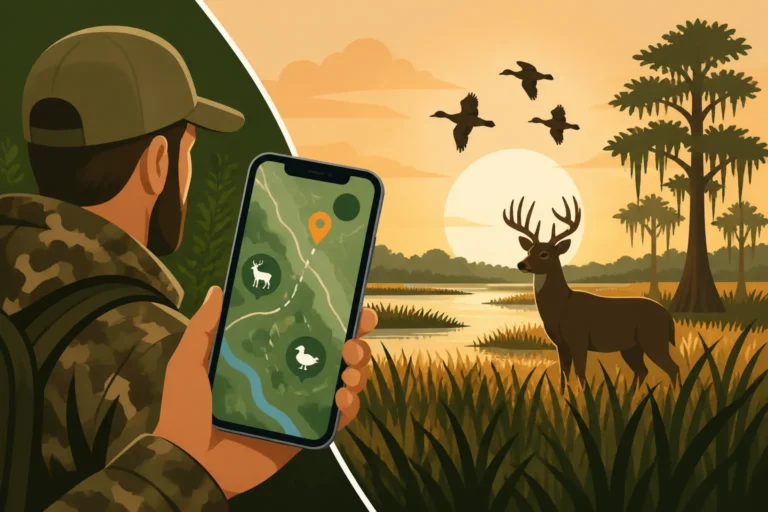
Look for rub trees, where bears will scratch and rub, often leaving hair behind. You might also find claw marks on trees where they've climbed or feeding signs like torn-up logs where they've dug for insects, or broken branches in fruit-bearing trees. Modern tools can certainly help: using an app like GoHunt can provide invaluable insights into public land boundaries, topo maps to identify dense cover, and aerial imagery to spot potential travel corridors or feeding areas that might be overlooked from the ground. This kind of technology, combined with boots-on-the-ground investigation, greatly enhances your chances. For general tips that apply to bears too, check out Scouting Louisiana Public Land Before Season. It's all about piecing together the puzzle of their movements and habits.
Legal Hunting Methods and Gear Considerations
Hunting black bears in Louisiana means adhering to specific regulations regarding the types of weapons you can use and the methods employed. This is crucial for a legal and ethical hunt, and it ensures fair chase while prioritizing hunter safety and public perception.
Permitted Firearms and Archery Equipment
Louisiana has clear rules on what you can use to hunt black bears. For firearms, centerfire rifles of .243 caliber or larger are generally permitted. You'll want to choose a cartridge that delivers sufficient kinetic energy for a quick, humane kill on a large animal like a bear. Many hunters opt for popular deer calibers like .30-06, .308, or .270, but larger options are also common. Shotguns using slugs are also typically allowed, and muzzleloaders of .50 caliber or larger are often legal during their respective seasons, which might overlap with bear season in some areas.
For archery hunters, the rules are similarly defined. Compound bows and recurve bows with a minimum draw weight, often around 40-50 pounds, are usually required to ensure adequate penetration. Crossbows are also permitted, typically aligning with the same rules as for deer hunting, but it's always best to consult the current LDWF regulations for any specific amendments to bear season rules. Broadheads must be fixed-blade or mechanical, with specific cutting diameter requirements to ensure effective and ethical harvest. Whatever your choice, ensure your equipment is in excellent working order and you've practiced extensively with it to ensure accuracy.
Stand Placement and Still-Hunting Tactics
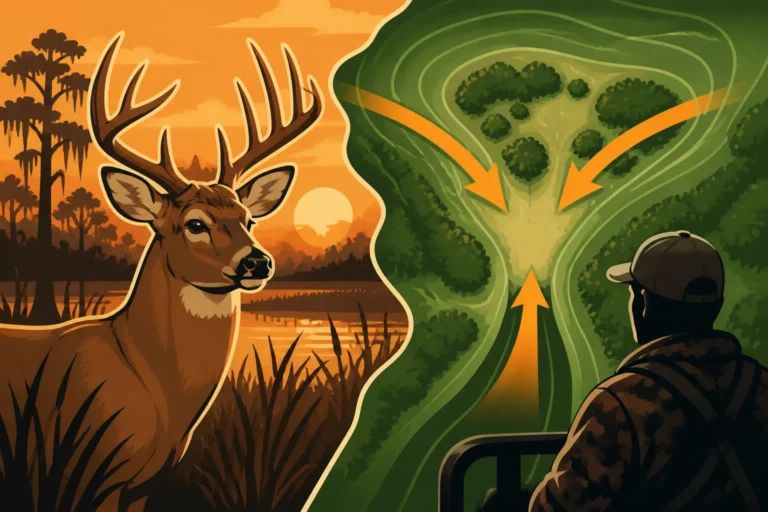
Given the dense cover and often challenging terrain of Louisiana's bear habitat, effective hunting tactics often revolve around carefully chosen stand placements or patient still-hunting. For stand hunting, identifying key travel corridors, pinch points, or preferred feeding areas (like acorn flats or fruit orchards) during your scouting is paramount. Setting up a treestand or ground blind downwind of these locations, ensuring a clear shooting lane, is a common strategy. Bears have an incredible sense of smell, so scent control is absolutely non-negotiable. Placing your stand along the edge of a cypress swamp, where deer and bears might transition between open water and higher ground, can be productive.
| Hunting Method | Advantages | Disadvantages | Best Scenario |
|---|---|---|---|
| Treestand | Elevated view, scent dispersal, wider field of view | Limited mobility, noisy setup, requires specific tree | Overlooking travel corridors, food sources, edges of swamps |
| Ground Blind | Concealment, weather protection, good for wary animals | Scent pooling, limited visibility, bears might skirt | Thicker cover, near dense bedding areas, edges of clearings |
| Still-Hunting | Highly mobile, adaptable, covers more ground | Requires extreme stealth, constant wind monitoring, difficult in dense brush | Scouting new areas, following fresh sign, very quiet conditions |
Still-hunting involves moving slowly and deliberately through the habitat, pausing frequently to observe and listen. This method demands immense patience, keen observation skills, and an intimate knowledge of the terrain. Focus on moving into the wind, taking one or two steps, then stopping for several minutes to scan for movement or listen for subtle sounds like rustling leaves or snapping twigs. When you're dealing with thick bottomland timber, as found in areas like the Atchafalaya, still-hunting can be incredibly effective if you are disciplined. Remember that bears are often focused on foraging, so moving slowly and quietly through areas with abundant natural food sources can lead to an encounter. For general ideas on stand placement, though adapted for deer, consider insights from Treestand Setups in Kisatchie National Forest for strategic positioning.
Shot Placement, Recovery, and Post-Harvest Protocols
Ethical harvest and proper handling are just as critical as finding a bear. Successfully taking a bear is only half the battle; knowing where to shoot, how to track, and what to do once it's down ensures respect for the animal and adherence to regulations.
Ethical Shot Placement for Bears
When it comes to big game like black bears, ethical shot placement is paramount for a quick, humane kill and successful recovery. Bears are incredibly tough animals, and their anatomy differs slightly from deer, particularly in where the vital organs lie relative to the shoulder. The primary goal is to hit the "boiler room" – the heart and lungs. This means aiming for the forward third of the body, just behind the shoulder, slightly lower than you might aim for a deer.
The ideal shot is broadside, allowing your projectile to pass through both lungs and potentially the heart. A quartering-away shot can also be effective, aiming to exit through the opposite shoulder, but avoid quartering-to shots as they present a much smaller vital target and risk hitting heavy bone. Always avoid head-on or rear-end shots, as these rarely result in a quick kill and often lead to wounded animals and difficult, if not impossible, recovery scenarios. The mandatory bear hunter course will go into great detail on Shot Placement on a Louisiana Black Bear, providing visual aids and in-depth explanations to ensure hunters are prepared. Practice shooting from various positions and ranges beforehand, simulating what you might encounter in the dense Louisiana woods.
Recovering Your Bear in Tough Terrain
Louisiana's swamps, bottomlands, and dense thickets present some of the most challenging conditions imaginable for tracking and recovering a downed animal. A bear, even if mortally wounded, can travel a surprising distance, especially into the thickest, most impenetrable cover. This is where patience and meticulous tracking skills become absolutely essential. After the shot, give the bear plenty of time – at least 30 minutes to an hour for a well-placed shot, and even longer if the shot was questionable. Bears can be dangerous when wounded, so approach with extreme caution.
Look for a blood trail, broken branches, disturbed leaves, and any other sign the bear left. Note the direction of travel immediately after the shot. Mark the last spot you saw the bear and every piece of blood or sign you find with flagging tape. If the trail becomes sparse or disappears, grid-search the area in the direction of travel. Having a tracking dog, if legal and available, can be an invaluable asset in these conditions. Be prepared for a physically demanding recovery, potentially involving dragging the bear through mud, water, and dense vegetation. Proper gear, like a sturdy game cart or sled, and extra manpower can make a huge difference. For more detailed insights, the guide on Handling a Bear After the Shot offers essential advice for post-harvest procedures.
Checking and Reporting Your Harvest
Louisiana has strict protocols for reporting bear harvests, reflecting the carefully managed nature of the season. Once your bear is recovered, you are typically required to report it to the LDWF within a very short timeframe – often within 24 hours. This usually involves contacting a specific LDWF representative or designated check station. The department will collect biological data, such as the bear's sex, weight, and general health condition, and potentially extract a tooth for aging purposes. This data is critical for biologists to monitor the health and demographics of the bear population and to make informed management decisions for future seasons.
It's also crucial to be aware of any specific regulations regarding carcass movement, particularly if there are concerns about diseases like Chronic Wasting Disease (CWD), though CWD is primarily a deer issue. Always check the current regulations. You’ll also need to attach your tag to the bear immediately after harvest. The specifics of Louisiana Bear Legal Harvest Rules are detailed in the annual hunting regulations booklet and reinforced during the mandatory hunter education course. This reporting process isn't just a formality; it's a vital part of ensuring the continued success and sustainability of Louisiana's incredible black bear recovery. General harvest reporting info can be found by consulting resources like Checking a Louisiana Deer Harvest Online for familiarization, though bear-specific rules are often more stringent.
Conservation and the Future of Louisiana Bear Hunting
The return of black bear hunting in Louisiana isn't just about providing an opportunity for hunters; it's a direct outcome of successful conservation and an ongoing commitment to wildlife management. Understanding the broader context of this season is crucial for every participant.
The Role of Hunters in Management
Hunters play an indispensable role in the ongoing conservation and management of Louisiana's black bear population. The fees collected from hunting licenses and bear lottery applications directly fund LDWF's wildlife management programs, including bear research, habitat restoration, and enforcement efforts. When a hunter successfully harvests a bear and properly reports it, the biological data collected (age, sex, weight, location) provides invaluable information to state biologists. This data helps LDWF assess the population's health, reproductive rates, and overall trends, allowing them to adjust future tag allocations and season structures to maintain a sustainable population.
Furthermore, hunters act as eyes and ears in the field, often being the first to report unusual bear activity, potential conflicts, or poaching. By adhering to strict regulations, practicing ethical hunting, and participating in the mandatory education, hunters demonstrate their commitment to responsible wildlife stewardship. Their dedication ensures that the Louisiana black bear not only continues to thrive but also remains a cherished part of the state's natural heritage for generations to come. This active participation strengthens the bond between hunters and conservation, proving that regulated hunting is a powerful tool for wildlife management.
Adapting to a Changing Landscape
Despite the incredible success of the Louisiana black bear's recovery, the species, and its hunting season, face ongoing challenges from a rapidly changing landscape. Habitat fragmentation due to agricultural expansion, urban sprawl, and coastal erosion continues to put pressure on bear populations. As human development encroaches on traditional bear habitats, the potential for human-wildlife conflicts, such as bears raiding crops or coming into residential areas, naturally increases. LDWF works diligently to manage these interactions through public education and direct intervention when necessary, but it's an ever-present concern.
Climate change also plays a role, with altered rainfall patterns and increasing intensity of severe weather events like hurricanes impacting crucial bear habitats and food sources. The future of Louisiana bear hunting will require continued adaptability from both wildlife managers and hunters. This might include adjusting hunting zones, season dates, or tag numbers based on population shifts and habitat changes. As hunters, staying informed about these broader environmental factors and supporting conservation initiatives that protect vital bear habitat is key to ensuring that this unique hunting opportunity remains viable and robust for years to come. Understanding How Many Black Bears Louisiana Has and their distribution helps appreciate the conservation effort involved.
Disclaimer
Please note that hunting regulations, season dates, and specific requirements for Louisiana's black bear season can change annually. It is the hunter's responsibility to consult the most current Louisiana Department of Wildlife and Fisheries (LDWF) official regulations prior to any hunting activity. This guide provides general information and should not be considered a substitute for the official LDWF hunting regulations booklet.