Hunting the Louisiana Youth and Veterans Weekend
It can feel like a real challenge to introduce young hunters to the outdoors, or for our honored veterans and active military members to find a dedicated window to enjoy the peace of the woods without the usual hunting pressure. So often, the general season is crowded, or specific rules for youth make it tough to plan. This guide is here to cut through that confusion, detailing everything you need to know about hunting the Louisiana Youth and Veterans Weekend, from who qualifies to the best tactics for a successful and memorable experience.
Understanding the Special Hunting Opportunity
Louisiana’s Youth and Veterans Weekend is truly a special event on the hunting calendar, crafted with a dual purpose: to foster a love for hunting in the next generation and to express gratitude to those who have served our country. This dedicated weekend carves out a unique opportunity, often before the main firearms season kicks off in many areas, allowing youth, veterans, and active military personnel a chance to pursue white-tailed deer with significantly reduced pressure. It's not just about harvesting an animal; it’s about making memories, teaching responsibility, and appreciating the sacrifices made for our freedoms.
This special hunt typically takes place across the entire state, encompassing both private lands and many of Louisiana's Wildlife Management Areas (WMAs). The specific dates for this weekend can vary slightly from year to year, but it generally falls in late October, just ahead of the regular gun season in many deer areas. This timing is fantastic because deer are often still in their early-season patterns, focused heavily on food sources before the peak of the rut gets them moving more erratically. It provides a less chaotic environment, which is ideal for mentoring young hunters or for veterans who prefer a more serene hunting experience. The Louisiana Department of Wildlife and Fisheries (LDWF) explicitly designates this window to give these groups a head start, creating a more intimate and less competitive atmosphere than the crowded opening days of general firearms season.
Why This Weekend Matters
The creation of the Youth and Veterans Weekend wasn't just a random decision; it's a thoughtful initiative designed to address several important aspects of hunting culture and conservation. For our youth, it’s often their very first meaningful hunting experience, a chance to connect with nature and their mentors without the distractions and pressures of a full public land opener. Imagine trying to guide a nervous youngster through a bustling WMA parking lot and then teach them patience when deer activity is sporadic due to constant human disturbance. This weekend mitigates much of that, offering a quieter, more focused environment where the lessons of the outdoors can truly sink in. It’s about building foundational skills, understanding wildlife behavior, and instilling ethical hunting practices.
For veterans and active military personnel, this weekend is a small token of appreciation, providing a much-needed respite and a chance to engage in an activity they love. Many veterans find solace and healing in the quiet solitude of the woods. Giving them an exclusive window, often with either-sex deer opportunities, is a way to honor their service and provide an accessible, enjoyable hunting experience. It recognizes that time and resources can be limited for these individuals, and offering a dedicated, less competitive hunt helps ensure they can participate. The reduced hunting pressure also often translates to a more relaxed and potentially more successful outing, which is always a bonus, especially when you're trying to share the thrill of the hunt with a new generation.
Who Qualifies for This Special Hunt
Navigating the specifics of who can participate in the Louisiana Youth and Veterans Weekend is crucial, as the regulations are quite precise to ensure the integrity and purpose of the hunt are maintained. It's not just a free-for-all; there are clear age limits for youth and specific definitions for who qualifies as a veteran or active military member. Understanding these criteria beforehand will save you a lot of headache and ensure your hunting party is fully compliant with state law.
Youth Hunter Requirements
For young hunters, the rules are designed to ensure safety and proper mentorship. A youth hunter is defined as anyone 17 years of age or younger. This is a hard age limit, so if your child turns 18 before or during the weekend, they no longer qualify for this specific youth hunt, though they might still be eligible for other special youth-only seasons, like the Louisiana Youth and Veterans Weekend. It's essential that these youth hunters are accompanied by an adult 18 years of age or older. This supervising adult must possess a valid hunting license and, crucially, must be hunter education certified. The adult cannot carry a firearm or archery equipment during the hunt and must remain within "normal voice communication" of the youth hunter at all times. This isn't just a recommendation; it's a legal requirement designed to ensure direct supervision and immediate assistance if needed.
Furthermore, youth hunters themselves need to have the appropriate licenses. This usually includes a basic hunting license and a deer tag. Louisiana offers an apprentice hunter license, which can be an excellent option for first-time young hunters who haven't yet completed their hunter education course. However, even with an apprentice license, the supervision requirements remain stringent. The whole point is to safely introduce them to hunting, so ensuring the supervising adult is well-versed in hunter safety and willing to be completely hands-on (without actively hunting themselves) is paramount. Remember, it's about making their first forays into the woods positive and safe experiences, setting them up for a lifetime of responsible hunting.
Veteran and Active Military Requirements
For our veterans and active military personnel, the qualifications are equally clear. To participate, individuals must be either a veteran or active duty military personnel. A "veteran" is generally defined as any person who has served in the Armed Forces of the United States and has been honorably discharged or is still serving. This means you’ll need to carry proof of your veteran status, such as a valid driver’s license with a veteran designation, a DD Form 214, or a military ID card (for active duty). It's always a good idea to have readily accessible documentation, as wildlife agents may request it.
Unlike youth hunters, veterans and active military members hunt under their own authority and are not required to have a supervising adult. They must possess all the necessary licenses and tags, including a basic hunting license and deer tags, just like any other adult hunter during regular season. The LDWF often offers discounts or special licenses for veterans and active military, so it’s worth checking the official regulations or the LDWF website for any cost-saving opportunities, such as discounted Louisiana Resident Hunting License Options or non-resident equivalents. This specific weekend offers them the chance to hunt deer, often with either-sex privileges, during a time when general pressure is low, providing a peaceful and rewarding experience to recognize their service.
Key Rules and Regulations You Need to Know
Hunting the Louisiana Youth and Veterans Weekend comes with its own set of rules that, while similar to general deer season, have some critical distinctions. It's not enough to just know who can hunt; you also need to understand the how, what, and where to ensure a legal and enjoyable outing. Overlooking a small detail could lead to a ruined trip or, worse, a citation.
Permitted Weapons and Bag Limits
For youth hunters, the allowable weapons can be quite broad, depending on the specific deer area and whether you're on private land or a WMA. Generally, youth can use legal firearms, archery equipment (including crossbows), or primitive firearms. This flexibility allows a mentor to choose the most appropriate weapon for the youth's skill level and comfort. On private land, the standard deer area regulations typically apply regarding weapon types, but during this special weekend, youth have the opportunity to use firearms even if the general season for that weapon type hasn't opened yet. For veterans and active military, standard legal firearms, archery equipment, and primitive firearms are permitted, just as they would be during any open season. It's crucial for everyone to know the legal calibers and gauge limits, especially if Choosing a .44 Caliber Primitive Pistol or other less common firearms.
When it comes to bag limits, this special weekend usually adheres to the statewide or deer area-specific limits. However, the fantastic part about the Youth and Veterans Weekend is that it often includes an either-sex deer opportunity. This means hunters can harvest either a buck or a doe, which significantly increases the chances of success, especially for new hunters. Always double-check the current year's LDWF hunting regulations pamphlet for specific bag limits and antler restrictions (if any) for the particular deer area you plan to hunt. For instance, in Areas 5, 6, and 9, which are known for their Hunting the Long Either-Sex Window in Areas 5, 6 and 9, this special weekend often provides an early start to harvesting a doe, which is excellent for management and filling the freezer.
Understanding Deer Areas and CWD Zones
Louisiana is divided into Louisiana's Ten Deer Hunting Areas Explained, each with its own season dates and specific regulations. While the Youth and Veterans Weekend typically runs concurrently across most of these areas, it's paramount to verify if any specific WMA or private land area has unique rules or closures for this special season. A quick check on the LDWF website or using a reliable mapping application like GoHunt can provide real-time updates and highlight any peculiarities of your chosen hunting spot. GoHunt's detailed maps often integrate WMA boundaries and regulations, making it incredibly useful for pre-hunt planning.
Moreover, hunters must be acutely aware of Louisiana's Chronic Wasting Disease Zones. CWD is a serious concern, and there are strict regulations regarding carcass movement from certain parishes. If you harvest a deer in a CWD Management Zone, like parts of Tensas Parish, there will be mandatory testing requirements and restrictions on moving certain parts of the carcass out of that zone. It’s not just a suggestion; it’s a public health and wildlife management mandate. Always check the latest CWD zone map and regulations before heading into the field, especially if you plan to process your deer at a facility outside the zone. Compliance helps protect Louisiana's deer herd for future generations.
Licensing, Tags, and Reporting
Every hunter participating in this special weekend, whether youth, veteran, or active military, must possess the appropriate Louisiana hunting licenses and deer tags. This typically includes a basic hunting license, a big game license, and the required deer tags. For non-residents, there are specific Louisiana Nonresident Hunting License Options or even a Louisiana Nonresident Five-Day License Cost if you're only visiting for the weekend. Make sure all licenses are valid for the current hunting season.
After a successful harvest, reporting your deer is not just good practice; it's a legal requirement in Louisiana. The LDWF utilizes an online system and a dedicated app to streamline this process. You can conveniently report your deer through the Reporting a Deer Through Louisiana's App while you're still in the field, or as soon as you have cell service. This data is critical for wildlife biologists to monitor herd health, harvest rates, and to make informed management decisions. Don't forget this step – it's a crucial part of being a responsible hunter.
| Category | Youth Hunter (17 & Under) | Veteran/Active Military |
|---|---|---|
| Supervision | Required (adult 18+, hunter ed, unarmed, voice comm.) | Not required |
| Licenses Needed | Basic Hunting, Big Game, Deer Tag (Apprentice option) | Basic Hunting, Big Game, Deer Tag (discounts may apply) |
| Weapon Types | Legal Firearms, Archery, Primitive Firearms | Legal Firearms, Archery, Primitive Firearms |
| Bag Limit | Area-specific, often either-sex | Area-specific, often either-sex |
| Hunter Education | Required for supervising adult, youth can use apprentice | Required for individual hunter |
| Proof of Status | Birth certificate/ID for age verification | DD-214, Military ID, Veteran-designated DL |
Tactics for a Successful Hunt
Having all the legalities squared away is one thing, but making the most of the Youth and Veterans Weekend requires some thoughtful planning and smart hunting tactics. This isn't just about punching a tag; it's about creating a positive and memorable experience, especially for new hunters. The unique timing of this special weekend offers some distinct advantages that you can leverage to increase your odds of success.
Pre-Season Scouting and Food Source Focus
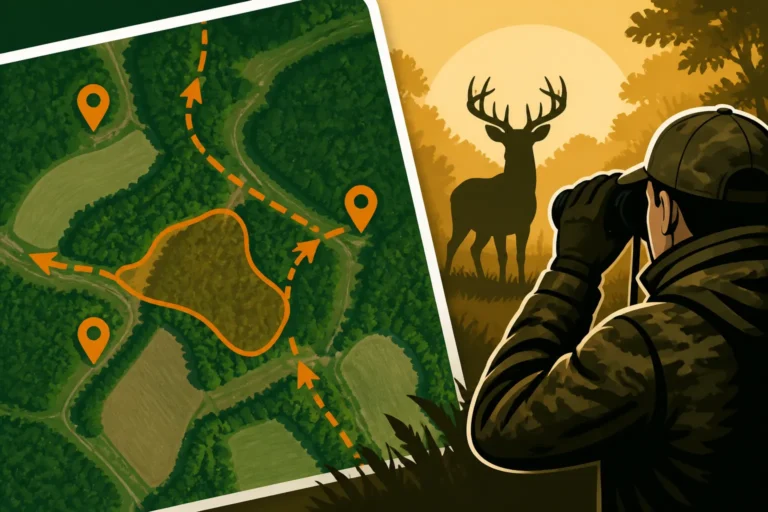
The success of any deer hunt, but especially one focused on youth and veterans, often hinges on thorough Scouting Louisiana Public Land Before Season or private land you have access to. Since this weekend often precedes the heavy hunting pressure of the general gun season, deer might be more predictable, still heavily focused on consistent food sources. In late October, natural forage like acorns (if it's a good acorn year) will be a prime target. If acorns are scarce, shift your focus to agricultural fields or planted green plots. You want to identify areas where deer are actively feeding and traveling to and from bedding areas.
Using a tool like GoHunt or other detailed mapping software can be invaluable here. You can mark potential bedding thickets, water sources, and likely travel corridors between them. Look for fresh tracks, droppings, and rubbed trees or scrapes, which indicate recent deer activity. Understanding Late-Season Food Sources for Louisiana Whitetails is crucial, as this period bridges the gap between summer patterns and the full-blown rut. Consider areas near water bodies, like bayous or sloughs, as deer often use these as travel routes and sources of hydration. A well-scouted area with active deer sign will dramatically increase the chances of a close encounter and a successful harvest.
Stand Placement and Comfort
When hunting with youth or veterans, stand placement and comfort are paramount. This isn't the time for a sketchy, hard-to-access setup high in a swaying tree. Safety is the top priority, especially with young hunters. Ground blinds are an excellent option for this weekend, offering concealment, comfort, and safety. They provide a stable, enclosed environment, which can keep youth warm, dry, and less prone to fidgeting. Plus, the enclosed space helps contain movement and sound, making it easier for new hunters to stay still without spooking game. If you're considering a ground blind, check out our guide on Using a Ground Blind on Louisiana Public Land for tips on effective deployment. For treestand setups, ensure it's a safe, roomy platform with a full-body harness for every occupant, and that it's easily accessible.
Beyond safety, consider the length of the sit. Young hunters and even some veterans might have less patience for long, cold sits. Choose a stand location that offers a good view of a high-traffic area, maximizing the chances of seeing deer within a reasonable timeframe. Bringing comfortable seating, plenty of snacks, and water can make a world of difference. The goal is to make the experience enjoyable and positive, regardless of whether a deer is harvested. A comfortable hunt is a memorable hunt, and those positive memories are what will keep new hunters engaged in the future.
Patience, Mentorship, and Making Memories
Ultimately, the Youth and Veterans Weekend is about much more than just the harvest. For youth, it's a crucial introduction to the ethics, patience, and excitement of hunting. As a mentor, your role is to guide, teach, and share the experience. Talk about wildlife, point out other animals, explain tracks and signs, and emphasize the importance of quiet observation. Teach them about conservation and why these special seasons exist. Sometimes, making a simple fawn bleat or using a light Grunt Calls in Mature Louisiana Timber can pique a young hunter's interest, even if it doesn't call in a buck.
For veterans and active military, it’s about providing a peaceful retreat and a chance to reconnect with the outdoors. Be patient, let them enjoy the quiet, and share stories. This is a time for camaraderie and reflection. While rattling and grunting can be effective during the rut, in late October, a more subtle approach might be best, focusing on prime feeding locations. Even if no deer are harvested, the experience of being in nature, sharing stories, and bonding over a shared passion is the true prize. Focus on the whole experience, from the early morning drive to the warm breakfast at camp afterward, to ensure everyone leaves with cherished memories.
Disclaimer
Please remember that hunting regulations can change frequently. Always consult the most current Louisiana Department of Wildlife and Fisheries (LDWF) official regulations pamphlet for the specific season you plan to hunt. This guide is for informational purposes only and should not be considered a substitute for official state regulations. It is the hunter's responsibility to know and follow all applicable laws.