Hook-and-Line Alligator Setups
Alright, let's talk about alligator hunting in Louisiana – specifically, the hook-and-line method. It's an experience that truly connects you to the raw, wild heart of our state, but it also comes with its own unique set of challenges. From understanding the nuanced regulations to deciphering where exactly to drop a line that an alligator will actually find, it can feel like a maze. This guide is all about breaking down the hook-and-line setup, offering practical advice, and helping you navigate the waters to make your next alligator season a successful one.
Understanding Louisiana's Hook-and-Line Alligator Regulations
Before you even think about buying rope or hooks, getting a firm grip on Louisiana's alligator hunting regulations is absolutely paramount. Our state takes alligator management seriously, and for good reason – these incredible reptiles are a cornerstone of our ecosystem and economy. You're not just dealing with general hunting laws; there's a whole specific set of rules for alligators that you absolutely need to know inside and out. Skimping on this part can lead to severe penalties, not to mention a ruined hunt.
Legal Requirements for Alligator Lines
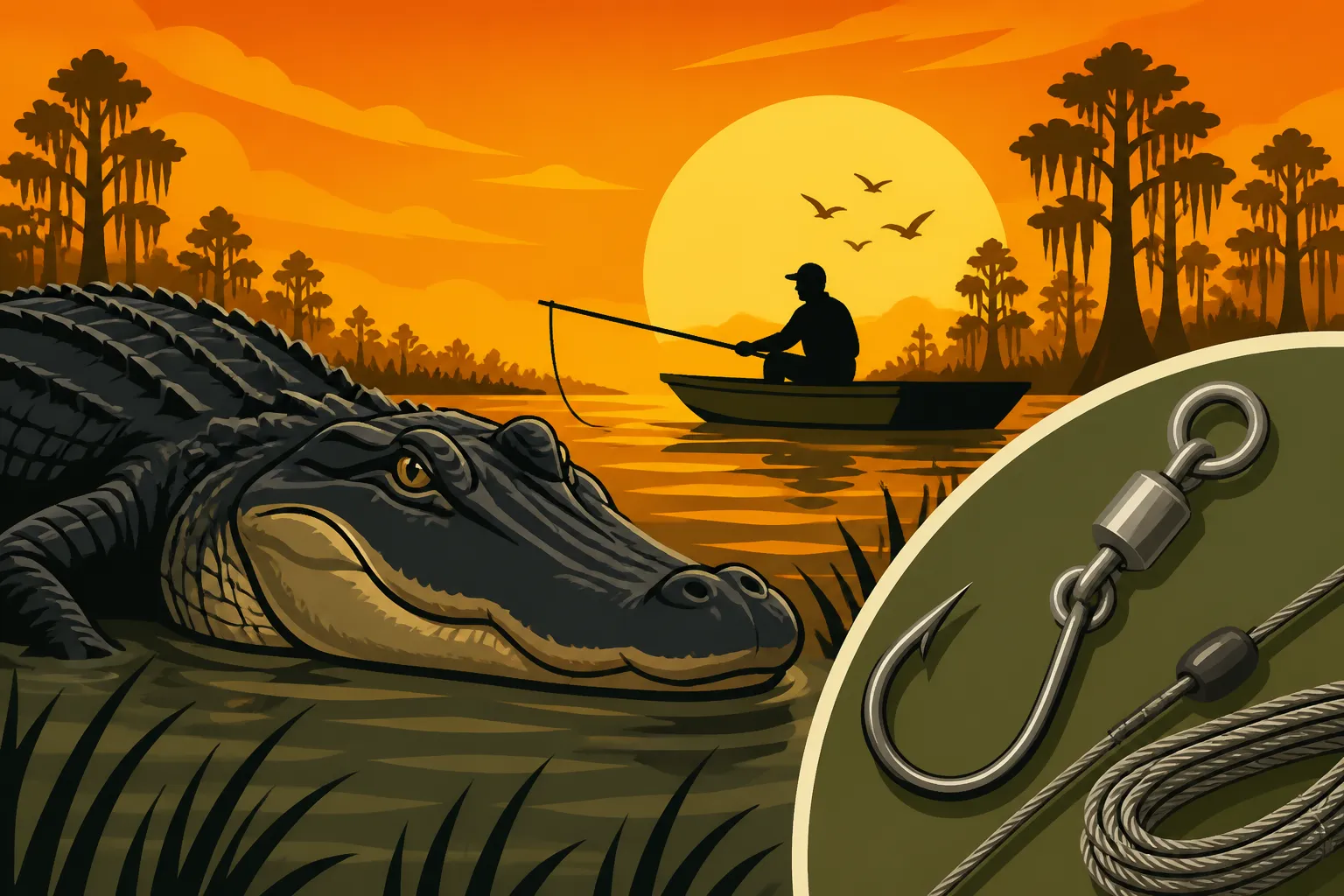
When it comes to the actual line itself, Louisiana has some clear guidelines to ensure humane take and proper identification. Your line must be securely attached to a stationary object like a tree, stake, or weighted anchor, and it has to be strong enough to hold a powerful alligator. We're talking about a minimum of 300-pound test strength, though many seasoned hunters opt for much heavier, like 500-pound braided nylon or polypropylene rope, just to be safe. The hook needs to be a non-stainless, unbaited, barbless treble hook or a single hook that's at least 2 inches from shank to point. This ensures that the hook is large enough to properly snare an alligator without causing undue harm. Furthermore, each line you set must have a visible buoy or float attached, clearly marked with your alligator hunting license number. This is crucial for identification by wildlife agents and for preventing lost lines that could become hazards. Make sure you've entered the Louisiana Alligator Recreational Lottery and understand the tags you've been allocated.
Beyond the physical gear, remember that you need the appropriate tags for each alligator you intend to harvest. These tags are specific to the alligator’s size and the zone you’re hunting in, and they must be attached immediately upon harvest. It's a system designed to manage the alligator population sustainably, ensuring there are plenty of gators for generations to come. Don't forget, these regulations are routinely updated, so always check the latest LDWF (Louisiana Department of Wildlife and Fisheries) regulations handbook before heading out.
Placement Restrictions and Distances
Setting your lines isn't just about finding where the gators are; it's also about respecting safety zones and other users of Louisiana's waterways. Alligator lines cannot be placed within 50 feet of any public boat launch, designated swimming area, or residential dwelling. This is a vital safety measure to protect both people and their pets. Imagine the danger of an alligator line being inadvertently snagged by a recreational boater or someone walking along the bank – it's a serious hazard we must avoid.
Additionally, while you might find fantastic alligator habitat in certain areas, always be mindful of private property lines. Unless you have explicit permission from the landowner, setting lines on or over private land is trespassing, plain and simple. Using a reliable mapping application can be invaluable here, like GoHunt, to clearly identify public versus private boundaries, ensuring your sets are legal and respectful. This becomes even more critical in the intricate bayous and marshlands where property lines can be less obvious. Keep in mind that understanding Louisiana Alligator Legal Methods is only half the battle; knowing where you can deploy those methods is just as important.
Essential Components of a Hook-and-Line Setup
Now that we've covered the rules, let's dive into the nuts and bolts of what makes a successful hook-and-line setup. You can't just throw any old fishing line out there; alligators are incredibly powerful animals, and your gear needs to be up to the task. Skimping on quality here is a surefire way to lose an alligator, and potentially your equipment too.
Choosing the Right Line and Leader
The foundation of your hook-and-line setup is, of course, the line itself. Most Louisiana alligator hunters opt for heavy-duty rope, typically 1/4 to 1/2 inch in diameter. Braided nylon or polypropylene ropes are popular choices due to their strength, abrasion resistance, and relatively low stretch. Nylon is generally stronger wet than dry and offers good shock absorption, while polypropylene floats, which can be a distinct advantage when retrieving lines in murky water. A minimum breaking strength of 300 pounds is required, but many experienced hunters will go with 500 pounds or more, especially if targeting larger gators in areas known for trophy-sized animals, like those in the coastal marsh.
Attached to your main line, you'll need a leader. This is the section directly connected to the hook. A heavy monofilament leader (200-400 lb test) or even a coated steel leader is often used to prevent the alligator's sharp teeth from severing the line. The length of the leader can vary, but typically a 3-5 foot section is sufficient. The idea is to have a robust, bite-resistant section right where the alligator will make contact, protecting your main line. Remember, a powerful alligator can roll and thrash, putting immense strain on your line, so durability is key.
Selecting Hooks and Bait
Choosing the right hook is critical for effective and humane alligator hunting. As mentioned, non-stainless, barbless treble hooks or large single hooks (at least 2 inches from shank to point) are legal. Many hunters prefer a sturdy 14/0 to 20/0 J-hook or circle hook, as these larger hooks are less likely to be swallowed deep, making retrieval safer for both the hunter and the alligator if it needs to be released. The key is to ensure the hook is strong enough not to straighten under the immense pressure of a struggling alligator.
When it comes to bait, variety is the spice of life, but some options are definitely more effective than others for gators. Fresh bait is always best! Popular choices include chicken quarters (especially thighs or drumsticks for their tough skin), cut fish (like mullet or carp), or even small pieces of beaver or nutria. The pungent smell of beaver or nutria, both common in Louisiana wetlands, is particularly attractive to alligators and these can be great secondary targets if you are familiar with Trapping Louisiana Muskrat and Nutria or generally dealing with Nutria and Louisiana Wetlands. Suspend your bait a foot or two above the water surface. This helps keep it out of reach of smaller non-target animals like turtles and crabs, while still being easily detectable and accessible to a cruising alligator. It also helps the scent disperse more effectively on the breeze.
| Bait Type | Pros | Cons | Notes |
|---|---|---|---|
| Chicken Quarters | Widely available, affordable, durable skin | Can attract turtles/raccoons, not natural scent | Excellent all-around choice, especially thighs |
| Cut Fish (Mullet, Carp) | Strong natural scent, highly attractive | Softer bait, can be stripped easily, less durable | Best when very fresh, good for active gators |
| Beaver/Nutria Meat | Very strong, natural alligator food source | Can be harder to obtain, potentially more expensive | Highly effective, especially in areas with these mammals |
| Spoiled/Stinky Meats | Stronger odor over distances | Can attract buzzards, less selective | Use with caution, freshness generally preferred |
Anchoring Systems and Buoys
An alligator line is only as good as its anchor. You need something that will hold firm against the incredible strength of a hooked alligator, which can pull with hundreds of pounds of force. Common anchoring systems include heavy-duty metal stakes (rebar is a popular choice, hammered deep into the bank or lake bed), large cinder blocks, or tying off directly to sturdy trees or stumps along the water's edge. Ensure your anchor point is solid and won't give way under pressure. If using stakes, make sure they are driven deep enough that an alligator can't simply pull them out.
Each line must also have a clearly visible buoy or float. This serves multiple purposes: it marks the location of your line, indicates if an alligator has been hooked (the buoy might be submerged or moving erratically), and allows LDWF agents to identify the line by your license number. These buoys are typically brightly colored plastic or foam, attached to the main line a few feet from the anchor point, and positioned so they are easily seen from a distance, even in choppy water or dense marsh vegetation. Mapping your line locations using a GPS device or an app like GoHunt can really save you a headache when trying to find your sets in vast areas like the Atchafalaya Basin, especially when you're navigating similar looking bayous.
Strategic Placement: Where to Set Your Alligator Lines
Placement is arguably the most critical factor in alligator hunting success. You can have the best gear and bait, but if your lines aren't in the right spot, you might as well be setting them in your backyard pond. Alligators are creatures of habit, and understanding their movements and habitat preferences is key to intercepting them.
Reading the Water for Alligator Sign
Becoming proficient at alligator hunting means learning to read the subtle (and sometimes not-so-subtle) signs they leave behind. Look for "slides" – slick, worn paths in the mud leading from the water up onto banks, indicating where alligators regularly bask or travel. These are prime locations for setting lines. You'll also want to scout for "gator trails" through thick marsh grass or dense vegetation, often connecting different bodies of water. These pathways are essentially alligator highways. Listen for "gator holes" – deeper pockets of water in shallow areas, often surrounded by mud and used by alligators for shelter, especially during dry spells.
Pay attention to their feeding habits as well. Are there signs of recent kills or disturbances? Are there areas with abundant prey like nutria, beaver, or wading birds? Alligators are opportunistic predators, so placing a line near an active food source can be highly effective. Understanding how and where American Alligators in Louisiana live and travel will vastly improve your odds. This type of scouting, often done from a boat or even on foot (with extreme caution!), provides invaluable intelligence about their movements.
Utilizing Natural Funnels and Bottlenecks
Alligators, like many predators, are efficient hunters who use the landscape to their advantage. You should too. Look for natural funnels or bottlenecks in the waterway where alligators are likely to travel. This could be a narrow section of a bayou, a cut through a marsh island, or the mouth of a smaller canal leading into a larger body of water. These chokepoints concentrate alligator movement, increasing the chances of an encounter with your bait.
Consider areas where water currents might naturally push floating debris or food, as alligators will often patrol these zones. The bends in bayous or points of land can also act as ambush sites. Positioning your bait at the entrance or exit of these natural funnels means any alligator moving through the area is likely to cross paths with your setup. It's similar to how deer hunters look for Hunting a Funnel Between Two Sloughs; you're looking for natural travel corridors for your target species. Think about where a gator would naturally pass when moving between basking spots, feeding grounds, or nesting areas.
Depth and Substrate Considerations
The depth of the water where you set your lines also plays a significant role. Generally, a depth of 3 to 6 feet is ideal. This allows the alligator to comfortably swim to and access the bait without having to climb out of deep water, and it keeps the bait suspended above the reach of most smaller, non-target aquatic critters. Avoid extremely shallow areas where large alligators might struggle to submerge or navigate, and excessively deep areas where the bait might be too far from the surface to be easily detected.
The substrate, or bottom composition, is also important. Muddy bottoms are common in Louisiana and generally fine, but be wary of areas with heavy submerged timber or dense aquatic vegetation that could tangle your lines or snag a hooked alligator, leading to a lost animal and lost gear. Before setting, probe the bottom with a pole to ensure it's clear of obstructions. You want a clear path for the alligator to take the bait and for you to retrieve the line later. A good understanding of local conditions is critical, which you can often glean from scouting trips or even by checking satellite imagery with tools like GoHunt.
Setting and Checking Your Alligator Lines Safely
With your gear ready and prime locations scouted, it's time to deploy your lines. This stage requires careful attention to detail and, above all, a commitment to safety. You're dealing with a powerful, wild predator, and respect for its strength and natural instincts is essential.
Best Practices for Deployment
When deploying your lines, work systematically. Start by securely anchoring your main line. If using a stake, drive it deep into the bank or bottom until it's immovable. If tying to a tree, use a sturdy, living tree that won't snap. Next, unspool your line, ensuring it's free of tangles. Attach your leader and hook, then bait the hook. Remember to suspend the bait a foot or two above the water surface to deter smaller scavengers and improve scent dispersion. Finally, attach your clearly marked buoy or float.
Many hunters prefer to set lines from a boat, which offers mobility and a safer vantage point. However, in some shallower marsh areas, wading might be necessary. If wading, exercise extreme caution and always have a partner. Wear appropriate waders, and be acutely aware of your surroundings. Never turn your back on known alligator habitat, and always scan the water before taking a step. Remember, the goal is to set your lines efficiently and safely, minimizing your exposure to potential hazards.
Daily Inspection and Maintenance
Louisiana law mandates that all alligator lines must be checked at least once every 24 hours. This isn't just a rule; it's a critical ethical and practical consideration. Leaving an alligator on a line for an extended period is inhumane and can spoil the meat. When checking your lines, approach cautiously, scanning the area for any signs of a hooked alligator. Look for a submerged buoy, a taut line, or disturbed vegetation around your set.
If your bait is gone but the line isn't pulled, it might indicate a bait stealer or a smaller alligator that couldn't fully commit to the hook. Re-bait and possibly adjust your bait presentation. If the line is pulled tight and the buoy is gone, you likely have an alligator. If the bait is still there and undisturbed, the spot might not be active, or your bait might be stale. Re-bait with fresh bait or consider moving the line if it consistently goes untouched after a couple of days. Consistent maintenance ensures your lines are always "fishing" effectively and legally.
Handling a Hooked Alligator
This is where the adrenaline truly kicks in. When you approach a line with a hooked alligator, prioritize safety above all else. Never get too close to the alligator until it's secured. Use a long snagging pole or grab hook to retrieve the main line from a safe distance, ideally from a sturdy boat. Once you have the line, slowly and carefully pull the alligator closer to the boat. It will likely resist, so be prepared for strong pulls and powerful thrashing. Maintain tension on the line and wear heavy gloves to protect your hands.
Once the alligator is alongside the boat, you'll need to dispatch it quickly and humanely. A bang stick, which fires a projectile upon impact, is the most common and effective tool for this. Aim for the brain, located at the back of the head between the eyes, for a swift and ethical kill. Once dispatched, secure the alligator to your boat, taking care to attach your harvest tag immediately as required by law. Always have a clear plan for Landing an Alligator From a Small Boat and make sure all equipment, especially the bang stick, is in perfect working order.
Troubleshooting Common Hook-and-Line Challenges
Even with the best preparation, alligator hunting isn't without its challenges. From finicky gators to the unpredictable Louisiana environment, you'll encounter obstacles. Knowing how to troubleshoot these common issues can make a big difference between frustration and success.
Dealing with Missed Bites and Bait Stealers
It's a common scenario: you check your line, the bait is gone, but there's no alligator. This could be a small gator that pulled the bait off the hook without getting solidly hooked, or it could be a non-target species like a turtle, crab, or even a raccoon. The key is to analyze the signs. If the bait is completely stripped but the hook is clean, it's often a smaller animal. If the bait is mangled or partially eaten, a small gator might have had a go.
To mitigate this, consider adjusting your bait size or presentation. For example, using a tougher piece of chicken or a larger chunk of fish can make it harder for smaller animals to strip. You might also try moving the bait slightly higher out of the water, making it less accessible to aquatic scavengers but still within reach of a lunging alligator. Sometimes, just changing the bait type can make a difference; if fish is being stripped, switch to a tougher cut of meat. It might also be worth comparing your hook-and-line approach with other methods like Snatch-Hook Alligator Tactics if you're experiencing consistent bait theft, as different methods yield different results.
Lost Gear and Environmental Factors
The Louisiana outdoors can be tough on gear. Strong currents, submerged debris, or even other boat traffic can lead to lost lines and anchors. Losing a line isn't just a financial hit; it also leaves potentially harmful gear in the environment. To minimize this, use robust anchoring systems and inspect your lines for fraying or damage regularly. Consider using brightly colored main lines, especially if they are submerged, to make retrieval easier if they come loose.
Environmental factors like rapidly changing water levels, heavy rainfall, or strong winds can also impact your sets. High water can submerge banks, making your bait less accessible, while falling water levels might leave your bait high and dry. Stay informed about local weather forecasts and water conditions. Using a reliable app like GoHunt can help you track tides, river stages, and weather patterns, allowing you to adjust your line placements proactively. For instance, if you see a significant cold front rolling in, alligators become much less active, and you might need to reconsider setting lines or plan to check them more frequently as their metabolism slows.
Safety Considerations Beyond the Hook
Beyond the immediate danger of a hooked alligator, remember that you're operating in wild Louisiana. Be aware of other wildlife, especially venomous snakes like cottonmouths, which are common along bayou banks. Always watch where you step and reach. Adverse weather, such as sudden thunderstorms or intense heat, can also pose risks. Dress appropriately, stay hydrated, and have a contingency plan for rapidly changing conditions.
Boat safety is paramount. Ensure your vessel is in good working order, you have all required safety gear (life jackets, fire extinguisher, sound-producing device), and you know how to operate it safely in varied conditions. Hunting with a partner is always advisable, as two heads (and sets of hands) are better than one, especially when dealing with a powerful alligator. Always communicate your hunting plans to someone onshore, including your location and expected return time. These common-sense precautions are essential for a safe and enjoyable alligator hunting experience in our beautiful, wild state.
Disclaimer
Hunting and trapping activities carry inherent risks. Always prioritize safety, understand and adhere to all local, state, and federal regulations, and consider seeking professional guidance or experience before attempting new methods. The information provided in this guide is for informational purposes only and should not replace official safety courses or regulatory advisories from the Louisiana Department of Wildlife and Fisheries.