Posting a Drive Around a Swamp Slough
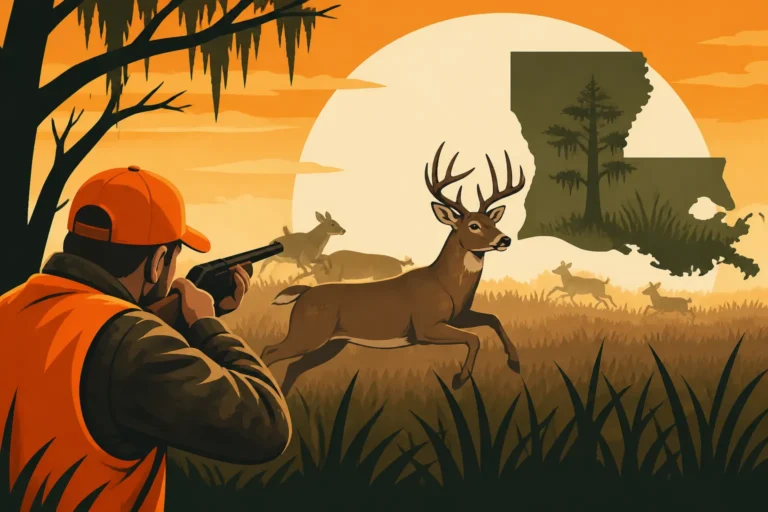
Navigating Louisiana's vast, intricate swamps for deer can be incredibly frustrating, especially when you're trying to get a wily buck to move. The dense cover, unpredictable water levels, and those meandering sloughs often make traditional hunting tactics feel like a futile effort. But don't throw in the towel just yet! When planned and executed correctly, a deer drive focused around a swamp slough can be one of the most effective ways to push those hidden deer into shooting lanes. This guide will dive deep into the unique challenges and rewarding strategies for orchestrating a successful drive in these distinct, water-laden environments, helping you turn frustration into triumph.
Understanding Swamp Slough Dynamics for Deer Drives
Before you even think about setting foot in a Louisiana swamp with a plan for a drive, you’ve got to intimately understand the environment. Swamps aren't just big, wet woods; they're ecosystems with distinct features that dictate deer movement, and none are more crucial to a drive than a slough.
What Exactly is a Swamp Slough?
In Louisiana's bottomlands and swamps, a "slough" isn't just a fancy word for a ditch. It’s typically a sluggish, shallow, often temporary waterway or a depression that holds water, especially after heavy rains or during high river stages. These natural trenches might connect larger bayous, lakes, or just snake through the timber, creating vital corridors and barriers for wildlife. Unlike a fast-moving creek, a slough is characterized by slow or stagnant water, often thick with submerged vegetation, cypress knees, and fallen timber. Deer utilize these sloughs constantly – sometimes as travel routes, other times as natural barriers that offer security from predators, including hunters. Understanding how deer perceive and interact with these watery features is the first step in a successful drive.
Imagine standing on the edge of what looks like an impenetrable wall of palmettos and tupelo gum, only to realize there's a subtle dip that holds knee-deep water for a hundred yards. That's a slough. Sometimes they're barely noticeable, just a slight depression that keeps the ground softer and muddier than the surrounding area. Other times, they're wide, deep channels that require a boat or a long, wet wade. A hunter who dismisses these subtle changes in elevation and water presence is missing critical information about deer movement. Deer will often parallel a slough, using its bank as a less strenuous travel route, or they might cross it at specific narrow points, creating natural pinch points that are goldmines for a stander.
How Deer Utilize Sloughs for Movement and Security
Deer, particularly mature bucks, are masters of efficiency and security. A slough provides both. They often use the banks of a slough as natural travel corridors, moving quietly through the slightly higher ground next to the water. This allows them to avoid the thickest undergrowth further inland and also gives them a sense of open ground for quick escape if needed. When it comes to security, a wide or deep slough acts as a fantastic barrier. A mature buck, especially when pressured, might slip across a difficult slough that most hunters wouldn't dare wade, knowing that it puts a significant obstacle between himself and danger. This is why when you're Hunting Atchafalaya Basin Swamp Deer or other similar wetlands, these watery features become central to your strategy.
Consider a scenario where a slough runs parallel to a logging road or a frequently used human trail. Deer might travel along the slough's bank, staying out of sight and scent range of potential threats on the main thoroughfare. They might bed down in dense cover between the slough and the road, using the slough as an initial escape route. When the pressure is on, deer will often cross sloughs at specific, often subtle, points – perhaps where a log has fallen, forming a natural bridge, or where the water is shallower due to a slight rise in the bottom. These crossing points are critical for placing standers during a drive. Furthermore, in areas with high hunting pressure, a buck might use the security of a dense, watery slough to literally sit out a drive, submerging itself or moving just enough to avoid detection, only to slip away once the noise has passed.
Reading the Water and Terrain for Optimal Drive Paths
Effective swamp drives demand an almost intuitive understanding of the landscape. You can’t just blindly push. You need to read the water levels, the subtle rises in elevation, and the density of cover to predict how deer will move. Satellite imagery and topographic maps, like those offered by mapping apps such as GoHunt, are indispensable for scouting this type of terrain, even virtually. Look for areas where sloughs narrow, where hard ground meets water, or where a slight ridge funnels deer toward a particular crossing. These are your choke points, your natural ambush locations.
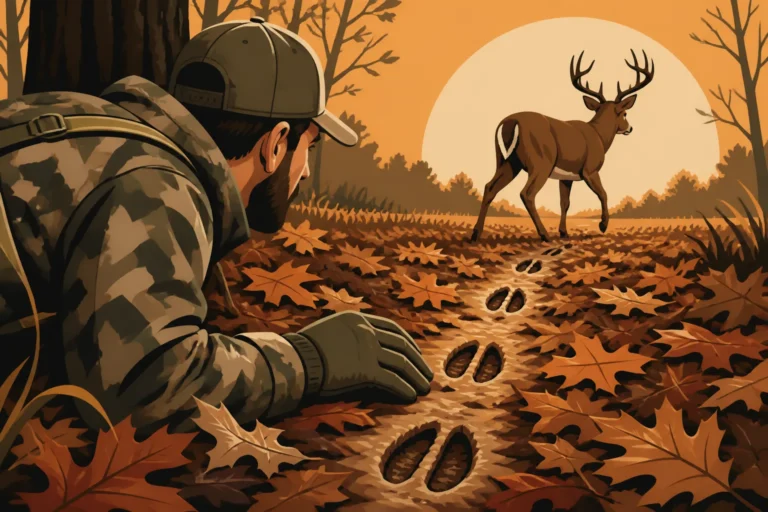
When you're looking at a topo map or scouting in person, pay close attention to any anomalies in the slough system. A bend in the slough might create a pocket of dry ground that deer prefer to cross, or a particularly dense patch of palmettos along one bank could be a bedding area. The depth of the water is also paramount; if a slough is waist-deep, deer will likely find an easier crossing point. If it's only ankle-deep, it offers little impediment to their movement. Also, consider the seasonal changes; a slough that's a trickle in early archery season might be a significant barrier during the heart of gun season. Observing Reading Louisiana Mud for Fresh Deer Movement along these slough edges can give you direct intel on where deer are crossing and traveling. Look for tracks entering and exiting the water, or worn trails along the banks. This intel is invaluable for setting up your standers precisely.
Strategic Placement of Standers for Success
Once you’ve got a handle on the slough itself, the next critical step is positioning your standers. This isn't about random placement; it's a chess game against a highly aware opponent. Every stander needs a purpose, a clear understanding of their role, and a safe shooting lane.
Identifying Key Escape Routes Around a Slough
Deer, especially when pushed, will almost always take the path of least resistance or the path that offers the most cover. Around a slough, these escape routes often manifest as narrow strips of higher ground, saddles between two wet areas, or even submerged logs that create an easier crossing. Your standers need to be positioned on these routes, not directly on the slough itself unless it's a very narrow, shallow crossing. Using a mapping tool like GoHunt can help you visualize these subtle elevation changes and identify potential pinch points that aren't obvious from the ground. Look for areas where the slough narrows significantly, forcing deer into a smaller crossing area.
Think about a typical swamp setup: a slough cutting through a flat, timbered area. Deer will generally try to skirt the deepest parts of the slough, opting for sections where the water is shallower or where fallen trees create natural bridges. They might also run along the high banks, using the cover of thick vegetation until they find a safe place to break out. A good stander isn't just watching the slough; they're watching 20-30 yards beyond it, where a buck might pop out, or looking for the subtle shake of palmettos that indicates an approaching deer. Consider the overall layout; sometimes a slough runs into a larger, impenetrable body of water, meaning deer will inevitably be pushed along its length rather than across it, funneling them towards the "end" of the drive. Knowing Where Atchafalaya Basin Bucks Bed can also help predict which escape routes they'll prioritize when disturbed from their daytime haunts near sloughs.
Positioning Standers for Clear Shots and Safety
Safety is paramount, especially in a deer drive where multiple hunters are involved. Each stander needs a clear understanding of their designated shooting zone. In dense swamp cover, this means ensuring your standers are spread out enough to cover escape routes but not so close that they risk shooting towards another hunter. Natural breaks in the vegetation, small clearings, or even the subtle contours of the slough bank can provide ideal vantage points. Emphasize side-to-side shots, avoiding any shots directly into the drive zone or towards another stander's known location.
| Stander Position | Primary Focus | Best Location | Considerations |
|---|---|---|---|
| Corner Stander | Covering the end of the drive and lateral escape | Where the drive path ends, or a significant bend in the slough | Must have a wide-angle view, typically the highest chance of seeing multiple deer. |
| Flank Stander | Preventing deer from circling back or escaping out the sides | Along the edges of the drive path, especially where cover is thick | Should be positioned to cover cross-swamp movements or deer trying to sneak around the drivers. |
| Pinch Point Stander | Intercepting deer at critical crossing areas | Narrowest parts of the slough, natural bridges, or subtle rises | Requires precise placement and understanding of deer crossing habits. |
| Overwatch Stander | Observing large areas, directing other standers | Elevated ground, old logging decks, or along a high bank | Less about direct shooting, more about situational awareness and communication. |
Remember, a slough often has thick vegetation on both sides. A stander might be positioned on one bank, watching for deer crossing from the opposite side. This requires careful consideration of backdrop and knowing precisely where the drivers are pushing from. For instance, if you're Deer Drives With Three or Four Hunters, you'll need to coordinate your positions carefully, ensuring overlapping coverage without compromising safety. Clear communication via radios before and during the drive is non-negotiable, confirming everyone's exact location. Always wear your Louisiana Blaze Requirement During Gun Season gear, ensuring maximum visibility for everyone involved.
Considering Wind Direction and Thermals in the Swamp
The wind, or lack thereof, can make or break a swamp drive. Unlike open timber, the dense canopy and humid air in a swamp can create unpredictable thermals and swirling winds. However, deer are still acutely aware of scent. Ideally, standers should be positioned downwind of the anticipated escape routes, allowing their scent to be carried away from the deer. Drivers, on the other hand, should generally push crosswind or into a slight headwind, depending on the desired deer movement.
In a swamp environment, thermals can be just as crucial as prevailing winds. As the morning sun warms the land, thermals rise. In the afternoon, as things cool, they fall. Deer often bed on slight rises or humps within the swamp, using these thermals to detect danger. If your standers are positioned with an unfavorable wind or thermal, deer can scent them long before they are visible, causing them to alter their escape path or simply sit tight. This is especially true when considering Wind and Thermals in Swamp Bottomland. Before the drive, pay close attention to the small indicators of air movement: the way Spanish moss sways, or how a single leaf drifts. Even a slight breeze can carry your scent further than you think in these humid conditions. A quick check of the forecast for wind speed and direction is a must, but always be prepared for micro-currents that differ from the general forecast.
Executing the Drive Effectively in Wetland Conditions
Once the plan is in place and standers are set, it's time for the boots-on-the-ground execution. This is where the unique challenges of the swamp truly come into play, demanding coordination, perseverance, and a deep understanding of deer behavior under pressure.
Driver Roles and Communication in Thick Cover
The drivers are the engine of the drive. In a swamp slough scenario, their role is not just to make noise, but to strategically push the deer in a predictable direction. This often means moving through incredibly dense vegetation and knee-to-waist deep water. Assign specific lanes or areas to each driver to ensure thorough coverage and prevent deer from slipping through gaps. Effective communication among drivers, and between drivers and standers, is absolutely crucial. Radios are a lifeline in these environments where visibility is limited and sound can be muffled by the thick timber and water.
Drivers need to maintain a consistent line and pace. It’s not a race, nor is it a leisurely stroll. The goal is to create sustained, directional pressure. This might involve splashing through water, tapping trees, or using vocal calls (but not deer calls, unless specifically planned as part of the tactic). If one driver gets ahead or falls too far behind, the line can break, creating an escape window for the deer. In really thick areas, drivers might have to be closer together than in open timber. The lead driver often sets the pace and direction, while others adjust their spacing. Regular check-ins on the radio, confirming positions, and reporting any deer sightings (even if unseen by others) are vital. This ensures everyone knows the situation and can adjust their tactics on the fly.
Maintaining Pace and Pressure Through Water
Pushing through water-filled sloughs is physically demanding and noisy. The sound of boots sloshing, branches breaking, and general movement can be amplified in the quiet swamp, carrying surprisingly far. This noise is part of the tactic; it's what pushes the deer. However, drivers must learn to distinguish between purposeful noise and excessive, uncontrolled racket that might scatter deer unpredictably. Maintaining a steady pace through varying water depths is a challenge. One moment you might be on firm ground, the next you're sinking into soft mud or stepping over a submerged log.
Drivers should be prepared for varying water conditions. Waterproof boots or waders are often necessary. In deeper sloughs, drivers might have to wade carefully, using sticks to probe ahead for hidden holes or obstacles. The key is to keep moving forward, relentlessly, even if it feels slow. If the pressure drops, deer might stop, hold tight, or even try to slip back through the line. The objective is to keep them moving towards the standers. This consistent pressure often dictates whether deer break cover or try to circle back into the drive. You'll often find that deer, particularly bucks, will try to double back if they perceive a weakness in the push. This is why having drivers spread out effectively to cover the width of the chosen drive zone is so important.
Anticipating Deer Movement: The Art of the Swamp Drive
The true art of a successful swamp drive lies in anticipating where and how the deer will move. It’s rarely a straight line. Deer will use every bit of cover, every subtle change in terrain, to their advantage. They might sneak along the far side of a slough, out of sight, before making a dash across a narrow point. They might lie tight in a dense palmetto thicket until the last possible second. Drivers need to be constantly scanning, listening, and adjusting their approach based on the signs.
A driver who spots a deer heading towards a specific escape route can relay that information to the standers, giving them a heads-up. Learning to read the subtle cues – a flicker of white, the rustle of leaves that isn't wind, the abrupt flight of birds – is paramount. Deer often don’t run blindly in a drive; they pick their exit points with cunning. They might run a short distance, stop, look, and listen before continuing. The drivers' job is to keep that pressure on, denying the deer a chance to relax or reverse course. This is an instinct honed over many hours in the swamp, learning how deer behave under duress. It’s a completely different dynamic from Still-Hunting Kisatchie Hills Wilderness, where stealth and patience are the primary virtues. In a drive, it's about strategic disturbance and channeling.
Essential Safety and Ethical Considerations
Deer drives, especially in challenging environments like Louisiana swamps, come with inherent risks. Prioritizing safety and upholding ethical hunting practices are non-negotiable.
Mandatory Blaze Orange and Shot Zone Awareness
Every hunter participating in a drive, whether driver or stander, absolutely must wear adequate blaze orange. In Louisiana, this isn't just a suggestion; it's law during gun seasons. This highly visible clothing is your first line of defense against accidental shootings in low visibility conditions. Beyond that, every stander needs to have a clearly defined shooting zone. This means knowing exactly what's behind your target, ensuring no other hunters are in the line of fire, and understanding the trajectory of your chosen firearm. In a swamp, where visibility can be limited to mere yards in thick cover, this is even more critical.
Before the drive even begins, conduct a thorough briefing. Walk through the planned drive path, identify where each stander will be, and verbally confirm everyone's shooting lanes. Use natural landmarks as boundaries for shooting zones. Emphasize that no shot is worth compromising safety. If there's any doubt about a target, if you can't clearly identify the animal, or if you're unsure of what's beyond it, don't take the shot. Hunters should also be aware of the 45-degree rule, generally only shooting if the target is within a 45-degree angle from their position, avoiding shots directly into or across the path of other hunters. This is fundamental to ensuring a safe hunt, particularly on public land where you might encounter Hunting Pressure on Louisiana Public Land.
Retrieving Game from Water-Logged Terrain
Successfully downing a deer in a swamp drive is only half the battle; retrieving it can be an epic task. Deer often drop in thick cover, or worse, plunge into deep water. Planning for game retrieval is just as important as planning the drive itself. Have a strategy for getting to the animal quickly, especially in warm Louisiana weather. Mark the location precisely, using GPS if necessary, and communicate it clearly to the team.
Dragging a deer out of a swamp can be incredibly difficult due to thick mud, tangled roots, and water. Consider bringing a deer cart if the terrain allows, or at least plenty of rope. A small boat or pirogue can be invaluable for retrieving a deer that falls in or near a deep slough. If you're dealing with deeper water, know your limits and prioritize safety. Do not attempt to retrieve a deer from dangerous water conditions alone. Remember, even after the shot, it's a team effort. Learning the techniques for Dragging a Deer Out of a Swamp or Recovering a Deer From a Basin Slough will serve you well. Additionally, in Louisiana's often warm climate, promptly Field Dressing a Deer in Warm Weather is crucial to preserving the meat quality. Get that deer cooled down as quickly as possible.
Respecting WMA Regulations and Private Land Boundaries
Finally, always know where you are hunting and what the rules are. If you’re on a Wildlife Management Area (WMA), there are specific rules and regulations that govern deer drives, stand placement, and often, weapon types. These can differ significantly from private land rules. Always consult the Louisiana Department of Wildlife and Fisheries (LDWF) regulations pamphlet for the specific WMA you are hunting. Furthermore, respect private land boundaries. Even if a deer runs onto private property, you cannot trespass to retrieve it without explicit permission from the landowner.
Using mapping apps like GoHunt can be invaluable for identifying property lines and WMA boundaries, helping you plan your drive to stay within legal hunting areas. Never assume a boundary; always verify. Knocking on doors and gaining permission before the season starts for potential retrieval is a smart, ethical move. Unauthorized trespassing can lead to severe penalties and damages the reputation of all hunters. A successful hunt isn't just about bagging a deer; it's about doing so legally, safely, and ethically, respecting both the land and your fellow hunters.
Disclaimer
Please note that hunting regulations, seasons, and licensing requirements in Louisiana can change. Always consult the latest Louisiana Department of Wildlife and Fisheries (LDWF) regulations before planning any hunting activity. This guide is for informational purposes only and should not replace official sources.