Deer Drives on Louisiana Public Land
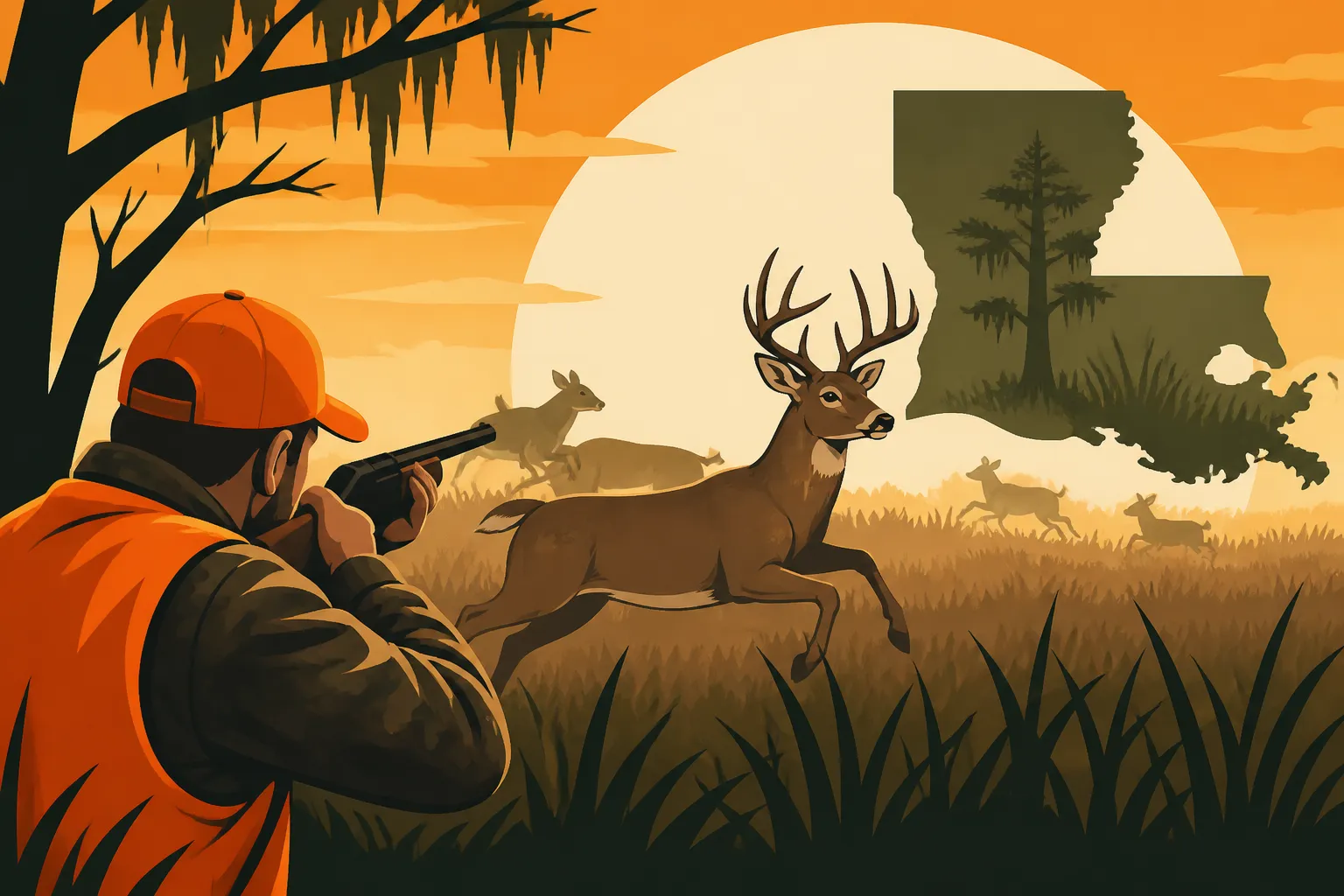
The frustration of hitting public land in Louisiana and finding it crawling with other hunters, or worse, just empty of deer, is something we've all felt. You spend hours walking, scouting, and sitting, only to come up empty-handed. This guide is all about tackling that challenge head-on by exploring how well-executed deer drives can be a game-changer on public ground, giving you and your hunting party a legitimate edge in filling those tags.
Why Deer Drives on Public Land?
Let's be real, public land hunting in Louisiana isn't always a walk in the park. Deer are pressured, smart, and often move differently than their private-land cousins. That's where a strategic deer drive can come in, turning what might seem like an impossible situation into a real opportunity to put venison in the freezer. It’s about leveraging teamwork and understanding deer behavior in these often-crowded spaces.
The Reality of Public Land Pressure
When you pull into a WMA like Big Lake or Sherburne, especially during the opening weekends of modern firearm season, the parking lots can be packed. This isn't just a Louisiana thing; it's the nature of public hunting across the country. These highly visible areas, easily accessible from main roads or boat launches, often see significant foot traffic and hunting pressure. Deer in these spots become incredibly adept at avoiding hunters, often "bedding tight" or moving only after dark. A lone hunter sitting in a stand might see nothing but squirrels and mosquitos, while deer are tucked away in thickets just out of sight.
This constant pressure forces deer into predictable patterns of evasion. They learn where the safe zones are, which cover offers the best escape routes, and when to move. Think of the mature bucks in the Pearl River WMA, for example, that seem to vanish once the season starts. They're still there, but they're holed up in the thickest, nastiest palmetto patches or dense bottomland hardwoods that most hunters won't penetrate. This is where a planned drive, even a small one, can work to push them out of these sanctuaries and into shooting lanes.
When Drives Make Sense
Deer drives aren't a one-size-fits-all solution, but they truly shine in specific public land scenarios. They are especially effective in areas with dense, continuous cover where deer can hide undetected for extended periods. Imagine vast tracts of pine timber with heavy undergrowth in Kisatchie National Forest, or the seemingly endless cypress-tupelo swamps of the Atchafalaya Basin. In these environments, still-hunting or sitting over a scrape might be a fruitless endeavor because deer have too many places to vanish.
Drives also become particularly useful later in the season when deer have been educated by weeks or months of hunting pressure. Those wary bucks that ignored your grunt calls earlier in the year might be more susceptible to being pushed out of their thick bedding cover. When you're dealing with public land that's heavily hunted, especially during the peak of the rut in the early-start areas, a drive can be an excellent tactic to capitalize on deer movement that wouldn't otherwise occur. This is particularly true if you are hunting the long either-sex window in areas 5, 6, and 9 where deer have been hunted hard for months.
Planning Your Public Land Deer Drive
Success on a deer drive, especially on public land, isn't accidental. It's the result of meticulous planning, smart scouting, and clear communication among your team. You can't just show up, kick some bushes, and expect deer to magically run into your friends. It takes strategy, a deep understanding of the land, and knowing your team's capabilities.
Scouting for Drive Potential
Before you even think about putting boots on the ground for a drive, you need to scout, and I mean really scout. This isn't just looking for rubs and scrapes; it's about identifying key topographical features, bedding areas, and natural funnels that deer use. Start by poring over aerial maps. Services like GoHunt offer incredible detail, allowing you to identify dense cover, creek beds, logging roads, and changes in elevation. Look for those dark green spots that scream "bedding cover" – whether it's a thick cutover in the piney woods of North Louisiana or a dense palmetto flat in a WMA.
Once you have potential drive blocks identified on a map, get out there and walk them. Look for fresh deer sign within those thickets, confirming that deer are indeed using them for bedding. Crucially, identify pinch points, saddles, and creek crossings where deer are likely to travel when pushed. These become your "stander" locations. Pay attention to wind direction and thermals, especially in swamp bottomland, as these will dictate your approach and how deer will naturally want to move when disturbed. Your pre-season scouting is just as important as the drive itself, helping you understand the deer's natural tendencies.
Assembling Your Team and Assigning Roles
A successful deer drive relies on teamwork, and that means having the right number of people with clearly defined roles. Typically, you'll need at least three or four hunters to execute an effective drive. More is often better, depending on the size of the block you're trying to push. You'll have two main roles: "drivers" and "standers." Drivers are the ones who move through the cover, pushing deer towards the standers. Standers are positioned strategically to intercept deer as they try to escape the drive.
Before anyone steps into the woods, everyone needs to understand their role, the plan, and most importantly, the safety rules. Assign a leader who makes the final calls and ensures everyone is on the same page. Discuss the exact route for drivers, where standers will position themselves, and what to do if a deer breaks through the line. It's also critical to decide on communication signals – whether it's handheld radios, whistles, or specific verbal commands – and make sure everyone understands them. Having a solid team and clear communication is paramount, especially on public land where you might encounter other hunters or unexpected obstacles.
Understanding Topography and Escape Routes
Deer are masters of their environment, especially on public land where survival depends on it. When pushed, they will almost always gravitate towards the path of least resistance or the cover they know best. This is where understanding topography becomes your biggest asset. In the piney hills of Central Louisiana, deer will often use ridge-top saddles or the draws between ridges as escape routes. If you're hunting in the Tensas River Basin, they might try to follow a dry slough or a slight elevation change through a flooded timber patch.
Think about how deer typically move across the specific landscape you're hunting. In a dense thicket bordered by a swamp, deer will often try to run the edge of the water or cross a shallow slough to another island of cover. Your standers need to be positioned on these natural escape routes. Use mapping tools like those from GoHunt to identify these features: old logging roads, creek bends, thick fencerows, powerline cuts, or even subtle changes in elevation that might go unnoticed on the ground. The more you can predict where the deer want to go, the more effective your standers will be in intercepting them. Posting a drive around a swamp slough, for instance, can be highly effective because it naturally funnels deer into predictable lanes.
| Role | Primary Responsibility | Key Safety Considerations | Terrain Focus |
|---|---|---|---|
| Driver | Move through cover, pushing deer towards standers. Maintain communication. | Know stander positions, wear blaze orange, always identify target. | Dense cover, thickets, bedding areas. |
| Stander | Position to intercept deer. Remain still and alert. | Know driver positions, wear blaze orange, clear shooting lanes. | Escape routes, funnels, pinch points, open shooting lanes. |
Executing the Drive Safely and Effectively
Once your plan is set, it's time to put it into action. Execution is where the rubber meets the road, and it requires discipline, constant awareness, and strict adherence to safety protocols. Public land introduces extra variables, so staying sharp and communicating effectively is more critical than ever.
Communicating in the Field
Clear and consistent communication is the backbone of a safe and successful deer drive. Before you even start walking, ensure every member of your team has a reliable way to communicate, whether it's two-way radios, cell phones (if service allows), or agreed-upon whistle signals. Discuss how frequently you'll check in, what information needs to be relayed (e.g., "deer spotted," "driver stopped," "safe to shoot"), and what to do if contact is lost. The last thing you want is a driver accidentally pushing deer towards a stander who has moved, or vice-versa.
Once the drive begins, drivers should move steadily, not too fast, not too slow, keeping their line as straight as possible. They should call out their positions periodically to let standers know where they are. Standers, in turn, should confirm they hear the drivers and report any deer sightings. If a deer breaks through the line, drivers need to know to avoid moving into a potential line of fire. Always confirm target identification before shooting, especially when deer are moving quickly. The sound of a grunt call in mature Louisiana timber might draw a buck out, but it won't replace clear verbal communication during a drive.
The Role of Standers and Drivers
Each role in a deer drive carries unique responsibilities. Standers need to get to their positions quietly and well before the drive begins, often using routes that won't alert deer. Once in place, they must remain absolutely still, vigilant, and ready for a shot. They should identify clear shooting lanes and position themselves to have a safe backdrop for any shot. Remember, on public land, there's always a chance of another hunter being in the area, so positive identification of your target and what's beyond it is non-negotiable. Using a ground blind on Louisiana public land can offer concealment and a safer shooting angle for standers.
Drivers, on the other hand, are the active movers. Their job isn't necessarily to make a lot of noise, but to create consistent pressure that encourages deer to move. This can be done with steady walking, some occasional calling, or simply by pushing through dense cover that deer prefer to avoid. Drivers must stay in their assigned lanes, maintain a general line, and communicate their progress. They are essentially moving "wall" or "fence" designed to nudge deer towards the waiting standers. It’s a physical job, and drivers need to be prepared for pushing through thick briars, palmetto, or even muddy swamp bottoms depending on the WMA.
Navigating Different Terrain
Louisiana's public lands offer an incredibly diverse range of habitats, and each presents its own challenges and opportunities for deer drives. In the dense bottomland hardwoods and cypress-tupelo swamps of areas like the Atchafalaya Basin or Pearl River WMA, drivers might contend with standing water, tangled vines, and thick palmetto. Here, deer drives might be slower, with drivers relying on boat access and navigating by compass or GPS (again, GoHunt maps are invaluable here). Standers might need to be positioned on slightly higher ground, old logging roads, or along bayou banks.
Contrast that with the pine forests and mixed hardwood stands of Kisatchie National Forest or the various WMAs in North Louisiana. Here, terrain can be hilly, with dense pine thickets offering excellent bedding cover and deep ravines creating natural funnels. Drivers will need to navigate steep slopes and dense regrowth, while standers can often find advantageous positions on ridge-tops or overlooking creek bottoms. In any terrain, always be mindful of hidden ditches, fallen trees, and uneven ground. Good footwear is crucial, as is a commitment to keeping safety first, no matter how challenging the environment becomes.
Common Challenges and How to Overcome Them
No deer drive goes perfectly, especially on public land. You're dealing with wild animals, unpredictable weather, and other hunters. Being prepared for common challenges can make the difference between a frustrating bust and a successful hunt. Realistic expectations and a flexible mindset are key.
Dealing with Uncooperative Deer
Sometimes, despite your best efforts, deer simply won't cooperate. Instead of running forward into your standers, they might circle back through the drivers, "lie tight" in thick cover until the drive passes, or even sneak out the sides. This is particularly true for mature, pressured bucks that have seen it all before. They're masters of evasion. If deer are circling back, it often means your driver line isn't wide enough, or they're moving too fast and leaving gaps.
To combat this, consider adjusting your drive strategy. If deer are breaking out the sides, you might need more drivers, or at least drivers who can apply pressure across a wider front. If they're lying tight, drivers might need to move slower and more deliberately, making noise and thoroughly combing through the densest cover. Sometimes, a smaller, more concentrated drive on a key bedding area, rather than a wide sweep, can be more effective for moving those stubborn deer. Always be ready to adapt and learn from each drive; what works one day might not work the next, but understanding why it didn't work helps you adjust.
Managing Safety Concerns
Safety is, and always must be, the absolute top priority on any deer drive, especially on public land where you don't control who else is in the woods. The main concern is ensuring everyone knows where everyone else is at all times to prevent accidental shootings. Everyone involved in the drive, both drivers and standers, must wear blaze orange or blaze pink. This is a legal requirement in Louisiana during gun season anyway, but it's even more crucial during a drive. Knowing the rules around Louisiana's blaze requirement during gun season is vital for safe hunting.
Beyond that, establish clear rules about shooting lanes and angles. Standers should only shoot if they have a clear shot at the deer and a safe backdrop. No shooting towards other hunters, regardless of how far away they seem. Drivers should never carry a loaded firearm in a manner that could endanger themselves or others while moving through dense cover. Remind everyone about positive target identification – antlers, body shape, and gait – and never shoot at sound or movement alone. Always confirm your target is a legal deer before squeezing the trigger. It’s also wise to discuss potential hazards like downed trees, venomous snakes common in Louisiana's swamps, or unexpected drops in elevation.
Unexpected Public Land Encounters
It's inevitable: if you hunt public land long enough, you're going to encounter other people. This could be other hunters, hikers, birdwatchers, or even just folks out for a stroll. These encounters can throw a wrench in your drive plans and introduce additional safety considerations. The key is to remain calm, courteous, and prioritize safety above all else. If you see another hunter, acknowledge them and make sure they're aware of your presence and what you're doing.
If another hunter is in your planned drive path, you have a few options: try to communicate your plan and ask if they mind moving (politely, of course), or adjust your drive route to avoid them entirely. Never push deer directly towards an unknown party. It’s often best to simply reroute and find a new area or wait for them to clear out. Remember, everyone has a right to be on public land, and respecting that right, even when it interrupts your hunt, is crucial for fostering a positive public hunting environment. Checking the LDWF app or GoHunt for specific WMA rules and any closures can also help avoid conflicts.
Post-Drive Considerations and Ethics
The hunt doesn't end when the shot is fired. What happens after the drive is just as important, encompassing everything from tracking your deer to ethically managing the harvest and learning from the experience. This phase demands patience, good woodsmanship, and a commitment to responsible hunting practices.
Tracking and Recovery
Even a perfectly placed shot can result in a deer running a distance. On public land, where cover can be incredibly dense and tracking conditions tough, recovering your animal quickly and efficiently is paramount. Before the drive, discuss a clear plan for tracking. Who will lead? What resources will you use (flashlights, blood trailing tools, tracking dogs if legal and available)? If the deer runs into exceptionally thick cover or across a property line, everyone needs to know the protocol. Tracking a deer through Louisiana leaf litter can be challenging, but systematic searching can make it easier.
Give the deer time if the shot wasn't immediately fatal, especially if it's a gut shot. A minimum of 30 minutes for a good lung shot and several hours (or overnight) for a gut shot is usually recommended. Marking the last known blood trail with flagging tape is essential, especially when blood trailing after dark in Louisiana's often-humid environment. If you lose the trail, spread out and walk grids. If you exhaust all options, consider calling in a trained tracking dog if allowed in your area. Never give up on a wounded animal; it’s our ethical responsibility as hunters to ensure a clean and humane recovery.
Sharing the Harvest and Lessons Learned
One of the great joys of deer drives is the camaraderie and the shared success. If a deer is harvested, discuss how the meat will be distributed fairly among the hunters, especially if multiple people contributed to the drive but only one person pulled the trigger. Many groups operate on a "whoever shoots it, keeps it" basis, but others will split the meat among all participants. Whatever you decide, make sure it’s agreed upon beforehand to avoid any awkwardness later. Field dressing a deer in warm weather, as is common in Louisiana, means doing it quickly and efficiently to preserve the meat.
After the hunt, take some time to debrief. What worked well? What didn't? Were standers positioned correctly? Did drivers maintain their line? Were there any close calls or safety issues that need to be addressed? Every drive is a learning experience, and by openly discussing the day's events, you can refine your tactics for future hunts. This collaborative approach not only improves your chances of success but also strengthens the bonds within your hunting group, making the experience more rewarding than just filling a tag. Checking a Louisiana deer harvest online is the final step, ensuring you meet all reporting requirements.
Table: Driver vs. Stander Roles & Safety
| Aspect | Driver Responsibilities | Stander Responsibilities | General Safety for Both |
|---|---|---|---|
| Movement/Position | Walk steadily, maintaining a line, pushing deer forward. | Remain still and quiet, strategically positioned on escape routes. | Always know where other hunters are. |
| Communication | Frequent check-ins (radio, whistles), announcing progress. | Acknowledge driver communication, report deer sightings. | Clear communication, agreed-upon signals. |
| Awareness | Watch for deer moving ahead, identify safe shooting zones for standers. | Be alert for deer approaching from any direction, identify safe shooting backdrops. | Positive target identification, no shooting at sound/movement. |
| Visibility | Wear ample blaze orange/pink, especially in thick cover. | Wear ample blaze orange/pink, even in blinds. | Mandatory blaze orange/pink at all times during gun season. |
| Firearm Handling | Carry firearm safely, muzzle control, ensure clear path. | Have firearm ready, clear shooting lanes, safe handling. | Follow all firearm safety rules, never point at another person. |
| Terrain Navigation | Push through dense cover, aware of footing and obstacles. | Choose stable, elevated positions if possible, clear sightlines. | Watch for uneven ground, briars, snakes. |
Disclaimer
Hunting is an inherently dangerous activity. Always prioritize safety, adhere to all local, state, and federal regulations, and obtain proper licenses and permits before heading afield. This guide provides general information and should not replace professional instruction or personal judgment.