Nutria and Louisiana Wetlands
Living in Louisiana, we’re no strangers to the constant battle against the elements and the ever-present changes to our beloved wetlands. One of the quiet, yet devastating, threats gnawing at the very fabric of our coastal ecosystem is the nutria. These semi-aquatic rodents might seem harmless, but their unchecked populations are causing incredible damage to our marshlands, accelerating coastal erosion, and impacting the wildlife we cherish. This guide dives deep into the world of nutria, exploring their origins, the severe damage they inflict, and how we, as Louisianans, can be part of the solution to protect our precious natural heritage.
The Unwelcome Invader: What are Nutria and How Did They Get Here?
Before we can even begin to understand the widespread destruction caused by nutria, we first need to get to know these furry, buck-toothed creatures a little better. They often get mistaken for muskrats, but a quick glance at their distinctive features and a dive into their history reveals a much more complicated story, one deeply intertwined with human decisions and unintended consequences for the Louisiana landscape.
Identifying the Rodent: A Quick Look at Nutria
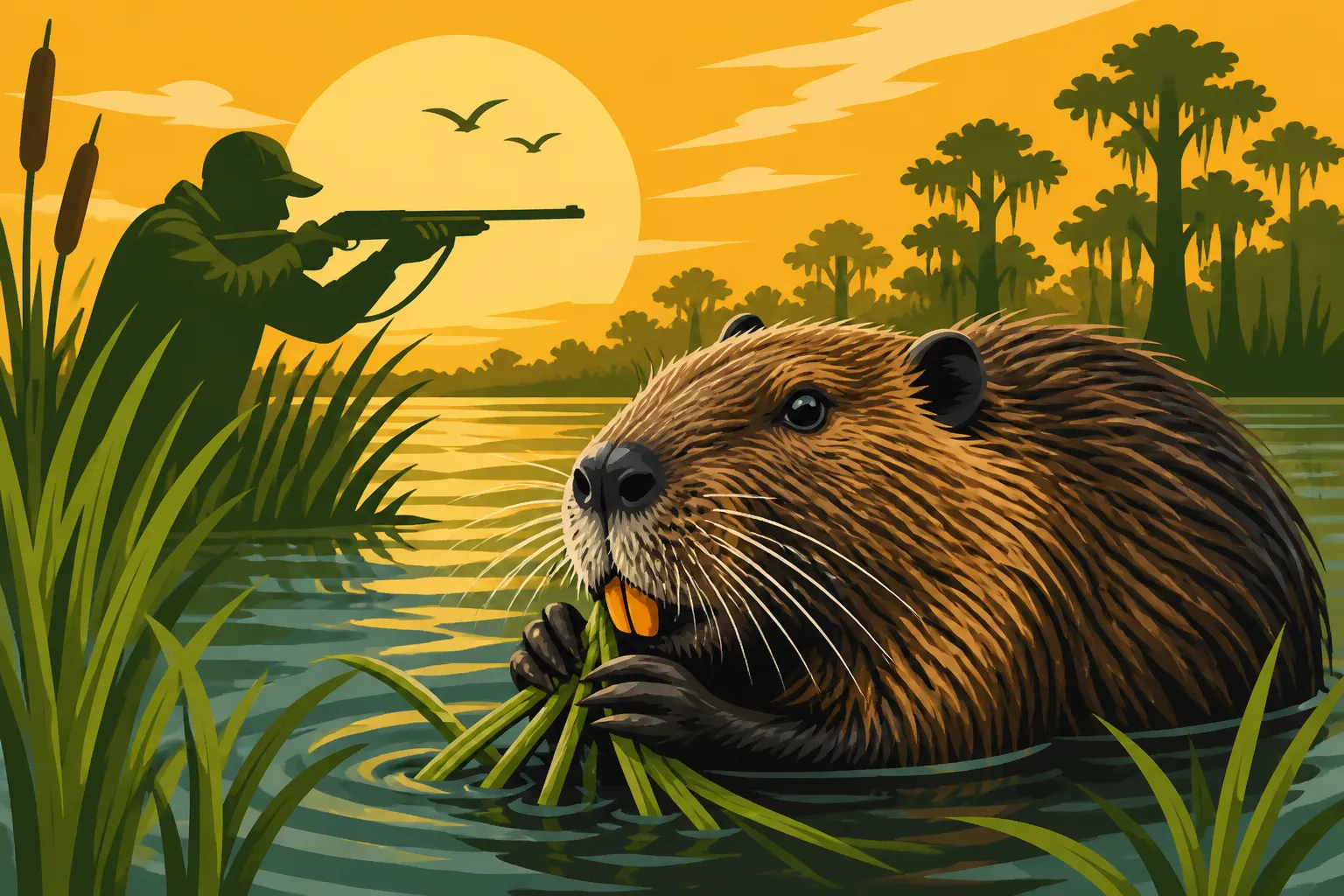
Imagine a beaver without the broad, flat tail, or a really, really large rat with bright orange teeth. That's essentially what you're looking at when you spot a nutria. Scientifically known as Myocastor coypus, these large, semi-aquatic rodents are native to South America. Here in Louisiana, they can grow quite large, with adults typically weighing between 12 to 20 pounds, though some have been known to exceed that. Their body length can range from 16 to 24 inches, not including their long, round, scaly tail, which adds another 10 to 16 inches. Their fur is dense and grayish-brown, and perhaps their most striking feature, beyond their size, are those prominent, orange incisors. These aren't just for show; they're incredibly strong and constantly growing, perfectly adapted for gnawing through tough vegetation. They also have webbed hind feet, making them excellent swimmers, perfectly at home in our bayous, canals, and marsh ponds.
The Troubling History: How Nutria Arrived in Louisiana
The story of how nutria became an established, problematic species in Louisiana is a classic tale of well-intentioned but ultimately disastrous human intervention. Their journey to our wetlands began in the 1930s when they were imported from South America for the fur trade. At the time, their soft underfur was highly valued, and entrepreneurs envisioned a lucrative industry raising them on fur farms. Louisiana's climate, with its mild winters and abundant water, seemed like an ideal environment for these prolific breeders. However, as is often the case with non-native species, things didn't go as planned. Either through accidental escapes from these fur farms during storms, or deliberate releases by breeders trying to get rid of unwanted stock when the fur market declined, nutria found their way into our vast network of waterways. Once free, they quickly adapted to the Louisiana environment, establishing wild populations with alarming speed. This introduction was a pivotal moment, unknowingly setting the stage for decades of ecological struggle.
Spreading Across the Landscape: Nutria Population Growth
Once established, nutria populations exploded across Louisiana's wetlands. These rodents are incredibly prolific breeders, capable of producing multiple litters per year, with each litter containing an average of 4-5 pups. Their gestation period is relatively short, around 130 days, and females can become pregnant again almost immediately after giving birth. This rapid reproductive rate, combined with a lack of natural predators in their new environment – at least, not predators adapted to keep their numbers in check – allowed them to spread quickly and colonize virtually every corner of our coastal marsh, swamps, and even freshwater areas further inland.
Their diet is another factor in their success and, tragically, their destructiveness. Nutria are voracious herbivores, consuming large quantities of plant material daily. They prefer the succulent, nutrient-rich basal portions of plants, including the roots and rhizomes that anchor wetland vegetation in place. This "eat-out" behavior strips the marsh bare, leaving behind exposed, muddy ground. As their numbers grew, particularly in areas like the vast wetlands of Cameron Parish and the delicate ecosystems of the Terrebonne Parish marsh, the signs of their impact became impossible to ignore. A walk or boat ride through areas heavily populated by nutria would reveal extensive damage, with entire sections of marsh looking like a barren mudflat rather than a vibrant, green ecosystem.
The Devastating Impact: How Nutria Damage Louisiana's Wetlands
The beauty of Louisiana's wetlands is in their intricate web of life, from the smallest organisms to the largest alligators. This delicate balance is profoundly disrupted by the relentless feeding habits of the nutria. Their impact isn't just cosmetic; it's a fundamental alteration of the very structure and function of these crucial ecosystems, with consequences that resonate throughout the entire state.
The "Eat-Out" Phenomenon: Habitat Destruction
One of the most visible and damaging effects of nutria is what biologists call the "eat-out." Unlike other herbivores that might graze on the above-ground portions of plants, nutria target the roots and rhizomes. These underground structures are the anchors of wetland vegetation, holding the soil together and creating the foundation of the marsh. When nutria systematically dig up and consume these vital plant parts, they effectively strip the marsh bare. Imagine taking away the rebar from a concrete foundation; eventually, it crumbles. That's what happens to our marsh. Areas that were once dense with marsh grass and sedges become open ponds of mud and water, devoid of vegetation. This isn't just an aesthetic problem; it’s a critical loss of habitat for countless species. Ducks and geese, like those that winter in the Cameron Parish Marsh Ducks, rely on healthy marsh for food and cover. Wading birds need the vegetation for nesting. Even American Alligators in Louisiana utilize the dense marsh for basking and ambushing prey. When the marsh is gone, so too are the essential elements that support this rich biodiversity.
Eroding Our Coastline: The Role of Nutria in Land Loss
Louisiana already faces a daunting challenge with coastal land loss, a complex issue driven by subsidence, sea-level rise, and altered hydrology. The destructive feeding habits of nutria significantly exacerbate this problem. When the roots and rhizomes that bind the soil are destroyed by nutria, the ground becomes unstable and vulnerable. Without the fibrous root mat to hold everything together, the marsh soil easily erodes away with every tide, wave, and boat wake. What was once a resilient, living barrier against storm surges and saltwater intrusion becomes a fragile, disappearing landscape.
Consider the impacts on the delicate barrier islands and coastal marshes that protect our inland communities. Each acre of marsh we lose due to nutria "eat-outs" means less natural protection from hurricanes and tropical storms. These wetlands act as natural sponges, absorbing floodwaters and dissipating wave energy. As they vanish, our vulnerability increases, and the cost of protecting our infrastructure and communities rises dramatically. The connection between how Nutria Erode Louisiana Marsh and the broader issue of Louisiana's vanishing coastline is undeniable, making nutria control a critical component of any comprehensive coastal restoration strategy.
Ripple Effects: Impact on Other Wildlife and Ecosystems
The impact of nutria doesn't stop at just destroying plants and accelerating land loss; it sends ripple effects throughout the entire wetland ecosystem, affecting numerous native species. When nutria devour the vegetation, they eliminate critical food sources for native herbivores, like muskrats and some waterfowl species. Furthermore, the loss of dense marsh cover removes vital nesting sites and shelter for birds, small mammals, and juvenile fish.
For instance, the destruction of protective marsh vegetation leaves young fish and crustaceans more exposed to predators. Ground-nesting birds, whose nests were once hidden within thick grass, become easy targets. Even creatures like the Louisiana Waterfowl on the Mississippi Flyway, which migrate thousands of miles to winter in our state, find their traditional feeding grounds diminished and less hospitable. The intricate food web is disrupted, leading to potential declines in populations of various native species as their habitat degrades. It's a cascading effect where the initial damage by nutria leads to a broader ecological imbalance, highlighting the complex interdependencies within our wetland environments.
Understanding the Threat: The Economic and Environmental Consequences
Beyond the immediate visual damage, the widespread presence of nutria carries severe long-term economic and environmental consequences for Louisiana. These impacts are felt by coastal residents, farmers, fishermen, and the state's budget, turning the seemingly innocuous rodent into a significant and costly problem.
Economic Burden: Damage to Agriculture and Infrastructure
The economic costs associated with nutria damage are staggering. While their primary impact is on marsh vegetation, nutria don't confine themselves strictly to natural wetlands. They frequently venture into agricultural fields, particularly rice and sugarcane, where they can cause extensive crop damage. Farmers invest heavily in planting and cultivating these crops, and nutria can wipe out significant portions, leading to substantial financial losses. Imagine a farmer working tirelessly, only to have a colony of these rodents chew through their fields overnight. It's incredibly frustrating and costly.
Furthermore, nutria burrowing habits pose a serious threat to infrastructure. They dig extensive burrow systems into levees, dikes, and canal banks, compromising the structural integrity of these vital flood protection systems. This can lead to costly repairs, breaches during high water events, and increased maintenance budgets for agencies responsible for water management. The erosion caused by their feeding also contributes to the silting of navigation channels, requiring more frequent and expensive dredging operations to keep waterways open for commercial and recreational traffic. The constant need for repairs and preventative measures drains significant resources that could otherwise be allocated to other critical state programs or environmental initiatives.
Biodiversity Under Siege: Threats to Native Species
Louisiana's wetlands are renowned for their incredible biodiversity, supporting a vast array of plant and animal species, many of which are found nowhere else. The relentless destruction of habitat by nutria puts this biodiversity under siege. Native plants, some of which are unique to our marsh, are outcompeted or simply consumed into oblivion by the invasive nutria. This loss of native flora can then trigger a decline in insect populations, which in turn affects birds and other animals that rely on those insects for food.
Species like the Mottled Duck, a resident waterfowl species in Louisiana, depend on healthy marsh for nesting and brooding their young. When nutria destroy this habitat, their survival rates can drop. Even larger game animals that use the marsh, such as deer in some coastal areas, find their food sources diminished and cover reduced. The cumulative effect is a reduction in the overall health and resilience of the ecosystem, making it less capable of supporting its indigenous inhabitants. It's a direct threat to the rich natural heritage that defines Louisiana and a serious concern for conservationists and hunters alike.
The Long-Term Outlook: A Changing Coastal Landscape
If left unchecked, the long-term outlook for Louisiana's coastal landscape under continued nutria pressure is grim. The combination of their habitat destruction and the acceleration of erosion means our wetlands will continue to shrink and degrade at an alarming rate. We're not just talking about losing marsh grass; we're talking about the transformation of vibrant, productive ecosystems into open water. This permanent loss of land reduces fish and shellfish nurseries, impacts recreational opportunities like Waterfowl Hunting the Louisiana Coastal Marsh, and leaves our coastal communities more exposed to the destructive forces of nature.
The changing landscape will fundamentally alter the character of Louisiana. What was once a hunter's paradise, a fisherman's dream, and a birdwatcher's haven could become a desolate expanse of open water. The very essence of our culture, tied so closely to the bounty of our natural resources, is at stake. Understanding this dire long-term outlook is what fuels the urgency behind the state's efforts to control nutria populations and restore our wetlands. It’s not just an environmental issue; it’s a cultural and economic imperative for the future of Louisiana.
Fighting Back: Louisiana's Nutria Control Programs
Recognizing the severe and escalating threat posed by nutria, the state of Louisiana has implemented various control programs over the years. These efforts aim to reduce nutria populations to a level where their impact on our wetlands is significantly minimized, allowing the native vegetation a chance to recover and stabilize the eroding coastline. It's a continuous, often challenging, battle that requires sustained commitment and innovative approaches.
The Coastwide Nutria Control Program: A Coordinated Effort
The most significant and successful initiative to date has been the Coastwide Nutria Control Program (CNCP), administered by the Louisiana Department of Wildlife and Fisheries (LDWF). Launched in 2002, this program was a direct response to the catastrophic land loss attributed to nutria. The brilliance of the CNCP lies in its incentive-based approach. The program pays registered trappers a bounty for each nutria tail harvested from coastal wetlands. This financial incentive motivates private trappers to actively pursue nutria, effectively turning them into a critical workforce in the fight against these invasive rodents.
The CNCP has been instrumental in drastically reducing nutria populations in many areas. Before the program, nutria populations were estimated in the millions, with their "eat-outs" visible from space. Since its inception, annual harvests have often been in the hundreds of thousands, sometimes exceeding 400,000 nutria in a single season. This coordinated, large-scale effort has helped slow the rate of marsh degradation in many areas, providing much-needed relief for stressed ecosystems. It's a testament to how a well-structured program can mobilize individual efforts for a collective environmental benefit.
Trapping as a Tool: Methods and Incentives
Trapping remains the primary and most effective method for controlling nutria populations, especially within the framework of the CNCP. Registered trappers use various methods, but cage traps, snares, and conibear-style traps are common. These methods are chosen for their efficiency and, when properly deployed, their humane nature. Trappers often set up lines in areas with high nutria activity, identifying fresh trails, feeding signs, and burrow entrances. The incentives offered by the CNCP are vital; trappers can earn a set amount for each nutria tail they turn in, making it economically viable for them to spend time and resources on this important work.
Beyond the bounty program, individuals can also trap nutria on private land without a special permit during daylight hours, though a valid Louisiana Trapping License Requirements is necessary for commercial trapping or if you're taking furbearers for their pelts outside of general nuisance control. The year-round season for nutria on private land reflects their status as an invasive pest, with no closed season or bag limits. This flexibility encourages continuous removal efforts, ensuring that even localized populations can be managed. For those interested in getting involved, understanding the nuances of how Louisiana Nutria Control Program Rules work is the first step.
| Control Method | Primary Use | Effectiveness | Advantages | Challenges |
|---|---|---|---|---|
| Trapping (Bounty) | Population Reduction | High | Economic incentive, engages private citizens | Labor-intensive, weather-dependent, fluctuating fur market |
| Trapping (Nuisance) | Localized Removal | High | Immediate problem solving for private landowners | Requires personal effort/resources, no bounty |
| Hunting | Opportunistic Removal | Moderate | Can be combined with other hunts | Limited by regulations, less efficient for population control |
| Habitat Restoration | Long-term Recovery | Indirect | Addresses root cause of damage | Slow process, expensive, vulnerable to re-infestation |
| Biological Control | Future Potential | Low (currently) | Potentially sustainable, large-scale | Research-intensive, high risk, long development cycle |
Beyond Trapping: Other Control Strategies
While trapping is undeniably the cornerstone of nutria management, other strategies complement these efforts or are explored for future use. Research continues into potential biological control methods, although these are complex and require extensive study to ensure they don't harm native species. Habitat restoration efforts, such as planting native vegetation and building structural marsh features, are crucial for healing the damage caused by nutria. However, these restoration projects are often vulnerable to re-infestation if nutria populations in the area are not adequately controlled first.
Educational outreach also plays a role, informing landowners, hunters, and the general public about the threat of nutria and encouraging participation in control efforts or reporting sightings. Wildlife management agencies, including the LDWF, regularly monitor nutria populations and the health of the wetlands, adjusting strategies as needed. While hunting nutria isn't as efficient for population control as trapping, hunters encountering them in the field, particularly during Squirrel and Small Game Hunting in Louisiana seasons or even while Hunting Louisiana's Year-Round Feral Hogs, are encouraged to harvest them where legal, as every nutria removed helps. It's a multi-faceted approach, acknowledging that no single solution will fully eradicate the problem, but a combination of efforts can mitigate the damage and protect our valuable wetlands.
Hunter and Trapper's Role: How You Can Help
As hunters, trappers, and outdoor enthusiasts in Louisiana, we have a unique connection to the land and a vital role to play in conservation efforts. Our boots on the ground, knowledge of the terrain, and understanding of wildlife dynamics make us invaluable allies in the fight against nutria. Getting involved doesn't just help the environment; it offers a direct way to contribute to the health of the ecosystems we cherish for our outdoor pursuits.
Trapping for Management: Getting Involved
For many, trapping nutria isn't just a way to earn a bounty; it's a direct form of conservation. If you're an experienced trapper, or even if you're new to it and willing to learn, participating in the Coastwide Nutria Control Program can be incredibly rewarding. The process generally involves registering with the LDWF, learning the program's requirements, and then heading out into the marsh. It's tough, often muddy work, but the impact you make is immediate and tangible. Every nutria tail turned in means one less rodent chewing away at our precious marsh, allowing native vegetation to regrow and stabilize the soil.
You don't necessarily have to be a full-time commercial trapper to make a difference. Even targeting nutria on a smaller scale, perhaps on private property where you have permission to hunt or trap, contributes to local population control. Understanding Louisiana Trapping License Requirements and local regulations is key before you start, but the opportunity to directly impact wetland health is there for those willing to put in the effort. It's a chance to take an active role, beyond just observing the problem, and be part of the solution.
Reporting Sightings: Assisting Data Collection
Even if trapping isn't your forte, you can still be a crucial part of the nutria control effort simply by being observant and reporting what you see. As hunters and anglers, we spend countless hours in the field, traversing remote areas that biologists and researchers might not access as frequently. When you spot signs of nutria activity – whether it's an "eat-out" patch, a network of burrows along a canal, or actual nutria swimming in a bayou – reporting these observations can be incredibly valuable.
The LDWF and other conservation organizations use this data to track nutria populations, identify areas of high impact, and prioritize control efforts. A simple call to your local wildlife office or using an online reporting tool (if available) can provide critical intelligence. This type of citizen science helps paint a more complete picture of the problem across the state, ensuring that resources are directed to where they are most needed. Consider it another way to scout, not just for game animals, but for invasive species that threaten their habitat. Platforms like GoHunt, which often provides mapping and public land information, can be useful for hunters to pinpoint exact locations of sightings and share that information with wildlife agencies, though its primary focus is often big game hunting in other regions. Still, the principle of detailed location reporting is universal.
Understanding the Ecosystem: Informed Outdoor Recreation
Perhaps one of the most fundamental ways hunters and trappers can help is by simply deepening their understanding of the complex wetland ecosystem. The more we learn about How Nutria Damage Louisiana Marsh and the intricate relationships between various species and their habitats, the more informed and responsible our outdoor recreation becomes. This understanding helps us appreciate the delicate balance that exists and the severe repercussions when it's disrupted by invasive species.
Being aware of the impact of nutria means you'll be more inclined to support conservation initiatives, advocate for funding for control programs, and even adjust your own practices. For instance, if you're out Hunting Louisiana's Coastal Marsh Parishes, recognizing marsh damage caused by nutria helps contextualize why certain areas might be less productive for ducks or other game. This informed perspective fosters a stronger conservation ethic, ensuring that we're not just users of the resource, but active stewards dedicated to preserving it for future generations of Louisianans to enjoy.
The Future of Louisiana's Wetlands: Challenges and Hope
The fight against nutria is a marathon, not a sprint. The challenges are immense, deeply rooted in the ecological and economic complexities of our state. However, there is also hope, fueled by dedicated individuals, innovative programs, and a growing understanding of just how vital our wetlands are. The future of Louisiana depends on our continued vigilance and a collaborative approach to both mitigate damage and restore what has been lost.
Continued Vigilance: The Ongoing Fight Against Nutria
One of the biggest lessons learned from decades of dealing with nutria is that the fight requires perpetual effort. These animals are incredibly resilient and prolific, meaning that even significant reductions in population can quickly be undone if control efforts lapse. The Coastwide Nutria Control Program has proven effective, but its continued success relies on consistent funding and the ongoing participation of trappers. Without these, nutria populations would inevitably rebound, and the damage to our wetlands would accelerate once more.
Maintaining vigilance also means adapting to new challenges. Climate change, with its potential for more intense storms and altered hydrologic patterns, adds another layer of complexity to wetland management. Nutria control must be integrated into broader coastal restoration and protection strategies, ensuring that the efforts to remove the rodents are synchronized with efforts to rebuild and protect the marsh. It's a long-term commitment, recognizing that we may never fully eradicate nutria, but we can manage their numbers to protect our most vulnerable ecosystems.
Restoring What's Lost: Wetland Restoration Efforts
While controlling nutria is essential for preventing further damage, it's equally important to actively restore the wetlands that have already been lost or severely degraded. Louisiana is engaged in numerous large-scale wetland restoration projects, involving everything from diversions that reconnect the Mississippi River to its delta, to marsh creation and sediment delivery. These projects aim to rebuild land, reintroduce fresh water and sediment, and foster the regrowth of native vegetation.
The crucial link here is that effective nutria control makes these restoration efforts far more successful. Planting new marsh grass or constructing new land features won't last long if a thriving population of nutria immediately moves in and consumes the young plants. Therefore, nutria management is often a prerequisite for, or runs concurrently with, successful restoration projects. These initiatives, like those happening in the Atchafalaya Basin area or around our various Louisiana Wildlife Management Areas, are costly and complex, but they offer the best hope for reversing the tide of land loss and rebuilding a more resilient coastline.
A Shared Responsibility: Protecting Our Natural Heritage
Ultimately, the future of Louisiana's wetlands, and the challenge of managing nutria, is a shared responsibility. It falls to state agencies, federal partners, conservation organizations, local communities, and individual citizens alike. Hunters and trappers, with their deep connection to the outdoors, are particularly well-positioned to contribute, whether through direct participation in control programs, reporting sightings, or simply advocating for smart conservation policies.
Protecting our natural heritage isn't just about preserving wildlife; it's about safeguarding our culture, our economy, and our way of life. The vibrant wetlands provide nurseries for seafood, protection from storms, and countless recreational opportunities. By understanding the threat posed by nutria, and by actively engaging in efforts to control them and restore our marsh, we ensure that future generations can also experience the unique beauty and bounty of Louisiana's outdoors. It's a legacy worth fighting for, one nutria at a time.
Disclaimer
The information provided in this guide is for general informational purposes only and is not intended as legal or professional advice. Hunting and trapping regulations, seasons, and licensing requirements in Louisiana can change. Always consult the most current regulations published by the Louisiana Department of Wildlife and Fisheries (LDWF) or other relevant authorities before engaging in any hunting or trapping activities. Safety should always be your top priority in the field.