Best-Eating Game in Louisiana
There's a friendly argument that breaks out in nearly every Louisiana hunting camp, usually over a plate piled high with fried fish or stewed venison: "What's the best-eating game in Louisiana?" It's a question that stirs up passionate debate, because everyone has their favorites, their secret recipes, and their own criteria for what makes wild game truly exceptional. But beyond personal preference, there are real factors that contribute to the flavor and tenderness of game meat. This guide is here to settle (or at least inform) that age-old debate by diving deep into the culinary delights of Louisiana's wild harvest, exploring what makes certain species stand out, and offering tips to make your next wild game meal legendary.
The Factors That Define "Best Eating" Wild Game
Before we even talk about specific animals, it's crucial to understand that the taste and texture of wild game aren't just arbitrary. A lot goes into how that meat ends up on your plate, and knowing these factors can help you make informed decisions in the field and in the kitchen. It’s not just luck; it’s a combination of biology, environment, and good old-fashioned hunter know-how.
Age and Sex of the Animal
Let's be real: not all deer are created equal when it comes to the dinner table, and the same goes for ducks, hogs, or anything else you might pursue. The age and sex of the animal play a massive role in its palatability.
Younger animals, across almost all species, tend to have more tender meat. Think of a butter-soft fawn backstrap compared to the sinewy muscle of an ancient matriarch doe. While older animals often offer a richer, more complex flavor, they can also be tougher and require longer, slower cooking methods. For instance, a young rabbit stewed down will be fall-off-the-bone delicious, whereas an old swamp rabbit might need a good pressure cooker.
For deer, the rut is a huge factor. Bucks during the rut are expending massive amounts of energy, running does, fighting rivals, and barely eating. Their testosterone levels are through the roof, and this can impart a strong, sometimes gamey flavor to their meat. Does, particularly those without fawns, are often considered superior table fare during the same period because their bodies aren't undergoing the same biological stress. If you're hunting in the early-start areas like Area 1 or Area 4, you might encounter a buck before the full intensity of the rut kicks in, potentially yielding more tender meat. Knowing when The Louisiana Rut Peaks by Area can greatly influence your hunting strategy if table fare is your primary goal.
Feral hogs are another prime example. A young sow or a barrow (a castrated male) under, say, 100 pounds, often has incredibly mild, tender meat that rivals domestic pork. But an old boar, especially one with significant tusks and a thick shield, can be an entirely different story. Their meat can be tough, greasy, and carry a strong, musky odor that some find unpalatable. This is often due to their hormones and diet, and while some folks have tricks to make it work, many hunters prefer to pass on those old tusker boars for the dinner plate, saving them for the trophy wall instead.
Diet and Habitat
You are what you eat, and so is the game you hunt! The diet of an animal directly impacts the flavor of its meat. This is perhaps one of the most significant, yet often overlooked, factors in the "best eating" debate.
Consider a white-tailed deer. A deer that spends its life browsing on lush clover, acorns, and agricultural crops in the piney hills of North Louisiana or the rich bottomlands of the Florida Parishes is likely to taste different from a deer subsisting on tougher browse and aquatic vegetation in the deep Atchafalaya Basin swamp. Acorns, in particular, are known to produce excellent-tasting venison, often described as sweet and nutty. Hunters who scout for areas with abundant mast crops often do so with both deer health and table quality in mind. Hunting After a Poor Acorn Year can mean deer are eating different things, which might just change the flavor profile you expect.
Ducks are another great illustration. Puddle ducks like mallards and gadwalls, which dabble in shallow waters and feed on seeds, grains, and aquatic invertebrates, often have a milder flavor than divers like scaup or canvasbacks, which feed more on fish and mollusks in deeper water. The rich, salty marsh grasses and submerged aquatic vegetation consumed by birds in the Louisiana coastal marsh can give their meat a unique, sought-after flavor that's distinct from birds feeding on flooded timber acorns or agricultural fields further north.
This is where scouting and understanding the local ecosystem really pay off. Tools like GoHunt can help you analyze satellite imagery and understand land features, which can give you clues about potential food sources. Identifying prime feeding areas, whether it's a stand of oak trees dropping acorns or a field of leftover soybeans, can lead you to animals that have been putting on good, flavorful fat. Knowing the habitat of a particular area can give you a leg up on predicting the quality of the game meat you'll harvest.
Field Care and Processing
No matter how prime the animal is, poor field care can ruin the best intentions. This is especially true in Louisiana's often warm hunting conditions. Improper handling in the field is probably the single biggest reason why someone might claim "gamey" meat.
The clock starts ticking the moment an animal is down. Getting the animal field dressed as quickly as possible is paramount to preventing bacterial growth and off-flavors. Removing the entrails allows the carcass to cool internally, which is crucial in our humid, warm climate. Blood trailing can be a challenge in thick Louisiana cover, but prioritizing quick recovery and immediate gutting will vastly improve meat quality. If you're on a multi-day hunt and need to keep meat cool, knowing how to Field Dressing a Deer in Warm Weather and then getting it packed with ice is a skill you'll want to master.
Once field dressed, the meat needs to be cooled rapidly. This often means skinning the animal and getting it into a cooler packed with ice, or hanging it in a cooler at camp. Don't underestimate the heat and humidity of a Louisiana October or November morning; meat can spoil incredibly fast if not cared for.
Processing also plays a critical role. Clean butchering, removing any bruised or blood-shot areas, silver skin, and excess fat (especially from hogs), will enhance flavor and texture. Many hunters take pride in Butchering a Deer at Camp, turning their harvest into neatly packaged cuts ready for the freezer. A sharp knife, a clean workspace, and attention to detail during processing will make a world of difference when it comes time to cook.
Top Contenders for Louisiana's Best-Eating Game
Alright, now that we've covered the foundational factors, let's dive into the delicious details. Louisiana boasts an incredible array of game species, and many of them offer truly exceptional table fare. Here are some of the perennial favorites that consistently rank high on hunters' culinary lists.
White-Tailed Deer: The Versatile Staple
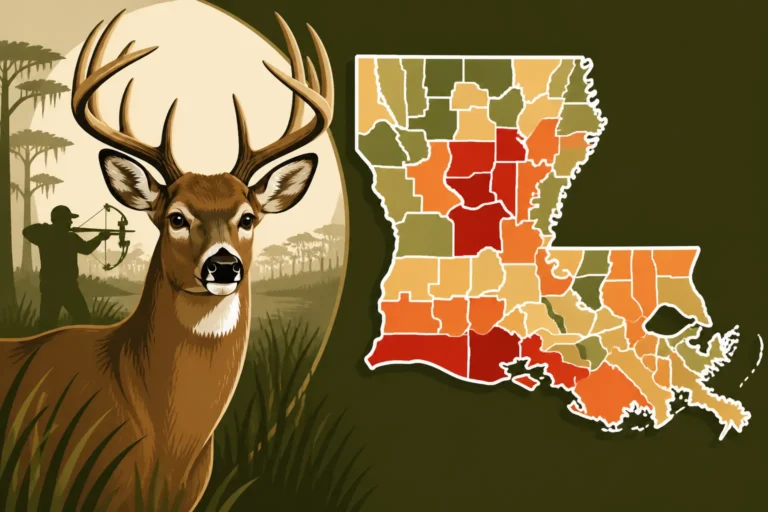
White-tailed deer venison is, without a doubt, the cornerstone of wild game cooking for most Louisiana hunters. It's incredibly versatile, lean, and when handled properly, delicious. There’s a reason deer season gets so much attention; it’s not just about the hunt, it’s about filling the freezer with healthy, organic protein.
The lean nature of venison means it's usually lower in fat than domestic beef, which is great for health but can also mean it cooks faster and can dry out if overcooked. This lean profile makes it perfect for grilling, searing, or roasting. The backstraps and tenderloins are often considered the prime cuts, buttery soft and exquisite with minimal seasoning. Roasts from the hindquarters are fantastic for slow cooking, turning tough muscle into tender, flavorful meals. And of course, grinding venison is a staple for burgers, chili, and meat sauces, often blended with a bit of pork fat to add moisture. Knowing your Deer Meat Yield From a Louisiana Buck can help you plan your meals for the year.
The flavor of venison can vary. As we discussed, diet plays a huge role. A deer from an agricultural area, feasting on soybeans or corn, might have a milder flavor than one from a deep swamp eating tougher browse. During the rut, some bucks can have a stronger, more pronounced taste, but proper field care and trimming off any strong-smelling fat can mitigate this. Many hunters in Louisiana still swear by venison as their absolute favorite wild game meat, and it's easy to see why.
Waterfowl: Marsh Delicacies and Flooded Timber Treats
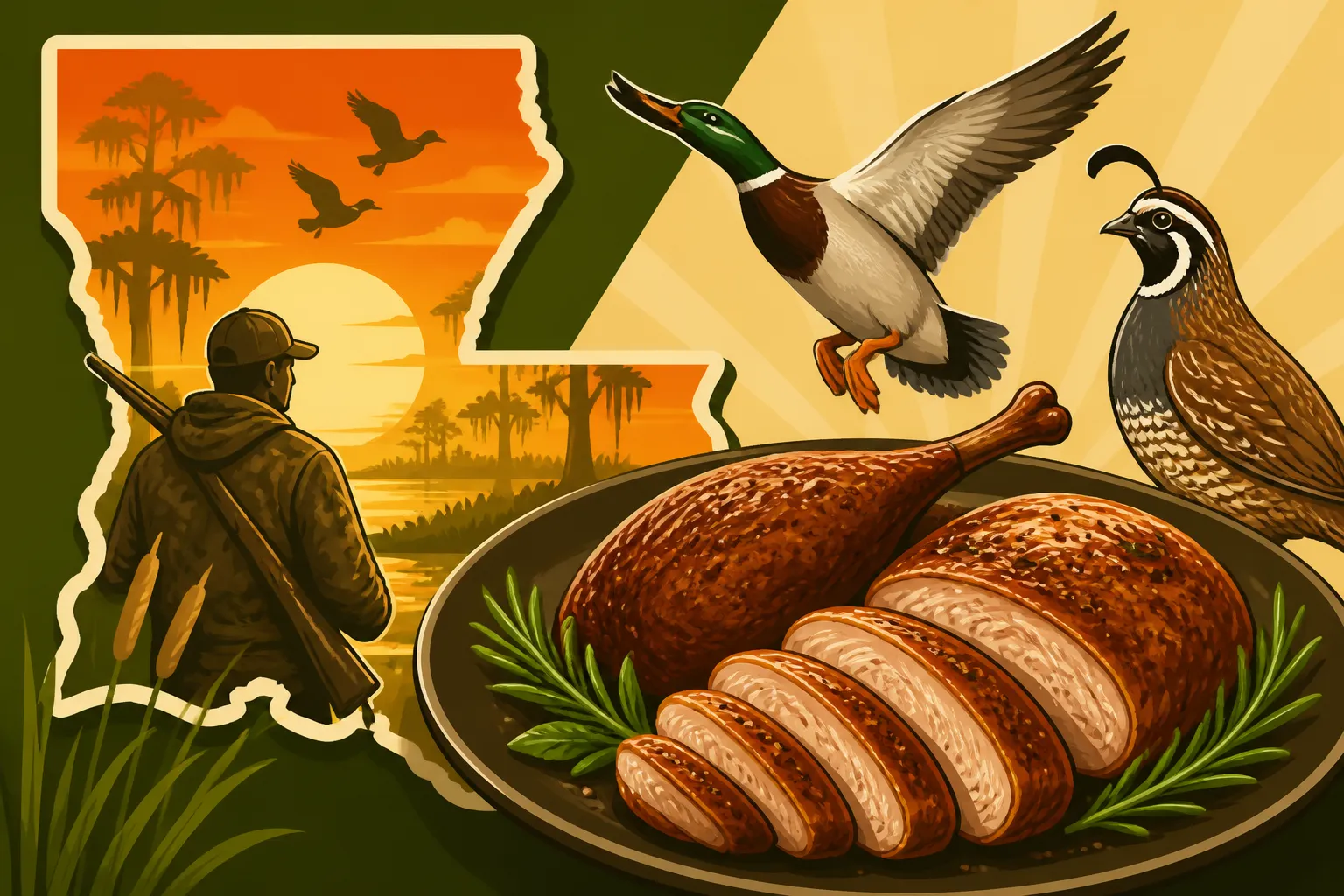
Louisiana's position on the Mississippi Flyway makes it a waterfowl hunter's paradise, and it's also a goldmine for delicious table birds. From the vast coastal marshes to the flooded timber, ducks and geese offer a diverse range of culinary experiences. The sheer numbers of birds that migrate through Louisiana, particularly species like mallards and gadwalls, mean ample opportunity for the table. Knowing your Louisiana Mallard and Gadwall Numbers helps you appreciate the bounty available.
Puddle ducks like Mallards, Gadwalls, Teal, and Wood Ducks are generally considered excellent eating. They tend to feed in shallower waters on seeds and vegetation, which gives their meat a rich, clean flavor. Teal, especially green-winged teal, are often prized for their small size and delicate flavor, perfect for quick searing. Mallards offer a classic duck flavor, while wood ducks, with their distinct habitat, can have a slightly milder taste. These birds are fantastic roasted whole, breasted out and seared to medium-rare, or even in gumbos and stews.
Diving ducks, such as redheads and canvasbacks, tend to have a stronger, "fishier" flavor due to their diet of aquatic invertebrates and fish. While not as universally beloved as puddle ducks, many hunters enjoy their robust flavor, often preparing them with marinades or brines to mellow the taste, or slow-cooking them to tenderize the meat.
Geese, particularly speckled bellies (white-fronted geese), are highly regarded table fare. Their meat is lean and rich, often described as beef-like. Snow geese, on the other hand, can be hit-or-miss depending on their diet. While a young snow goose can be tasty, older birds can be tough and require specific preparation, often slow-cooked or ground into sausage. For hunters who enjoy a challenge and a full freezer, Louisiana Waterfowl Migration Timing is key to planning for the best birds.
Squirrels and Rabbits: Old School Favorites
Before deer herds rebounded and duck hunting became a popular pursuit for many, squirrels and rabbits were the quintessential game for generations of Louisiana families. And for good reason: they are abundant, accessible, and incredibly delicious. These aren't just for survival; they are true culinary treasures.
Squirrels (both gray and fox squirrels) offer tender, mild, slightly sweet white meat, especially from younger animals. They are fantastic fried, stewed, or made into a rich gravy served over rice or biscuits. Many folks remember their grandmothers' squirrel and dumplings, and for good reason – it’s comfort food at its finest. Hunting in rich areas like bottomland hardwoods, where squirrels feast on pecans and acorns, usually yields the best-tasting meat. If you're looking for a challenging but rewarding hunt, Squirrel Hunting Louisiana Bottomland Hardwoods is a classic pursuit.
Rabbits (cottontails and swamp rabbits) are another small game delight. Their meat is lean and slightly darker than squirrel, with a distinctive, earthy flavor. They are incredibly versatile, excellent for frying, braising, or stewing in rich sauces. Like squirrels, young rabbits are preferred for tenderness. Both species are a great introduction to wild game for new hunters or those looking for a different kind of table fare. Don't overlook these smaller game animals; they pack a punch of flavor!
Wild Turkey: A Seasonal Feast
Spring in Louisiana means one thing for many hunters: chasing gobblers. And beyond the thrilling hunt, a wild turkey offers a lean, flavorful meal that stands apart from its domestic counterpart. It's a true seasonal delicacy, earned through patience and skill.
The meat of a wild turkey is leaner, darker, and has a more robust flavor than store-bought turkey. The breast meat is often the most prized, perfect for searing, grilling, or slicing thin for sandwiches. While incredibly lean, it can dry out quickly if overcooked, so many recipes focus on brining or cooking it to just the right temperature. The leg and thigh meat, while tougher, is incredibly flavorful and ideal for slow cooking, braising, or grinding for sausage.
Wild turkey offers a truly distinct taste, a testament to its active life in the Louisiana woods. Whether it's a gobbler from the piney hills or the river bottoms, the reward of a wild turkey meal after a successful hunt is unmatched. If you're looking for some inspiration, there are many delicious ways to prepare it, from simple grilled breasts to elaborate stews. For those who harvest one, Cooking a Wild Turkey Breast is a common and delicious way to enjoy the lean meat.
Game That Might Surprise You (or Needs Special Handling)
While the deer, ducks, and small game are universally loved, Louisiana also offers some unique game species that might not be on everyone's "best-eating" list initially but can be incredibly delicious with the right approach. These are the wild cards, often requiring specific preparation or an open mind, but they can be incredibly rewarding.
Alligator: The Other White Meat
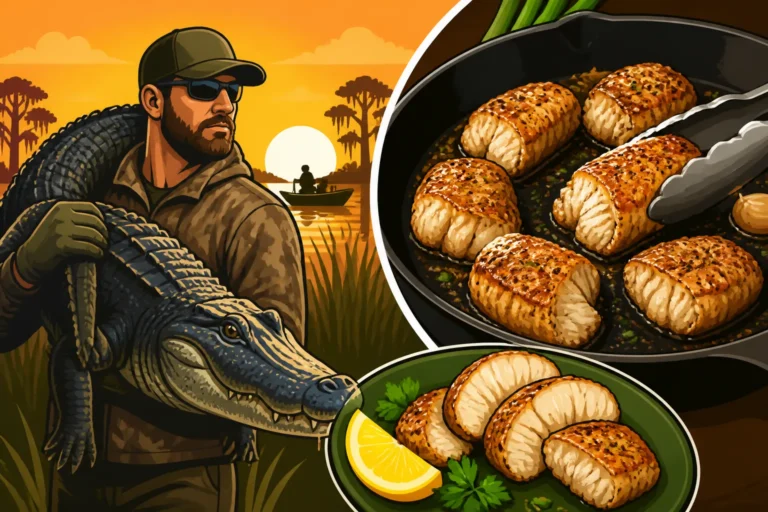
If you've spent any time in Louisiana, you've likely had fried alligator at a restaurant or festival. But harvesting and preparing your own alligator meat is a whole different experience. American alligators are abundant in our waters, and their meat is surprisingly versatile and delicious.
Alligator meat is often described as a cross between chicken and pork, with a firm, white texture. The most prized cut is the tail meat, which is usually the most tender. Other cuts, like the jaw meat (often referred to as "alligator cheek") and the rib meat, are also excellent. It’s a lean protein that takes on marinades well.
Fried alligator is a classic, but it's also excellent grilled, sautéed, or even in jambalaya or gumbo. The key is not to overcook it, as it can become tough quickly. Many hunters are surprised by how mild and pleasant the flavor is, a far cry from what some might expect from a prehistoric reptile. With the growing popularity of recreational alligator hunting, learning how to prepare it is becoming a rite of passage for many. For those who draw a tag, Cooking Louisiana Alligator Tail Meat is a must-try.
Feral Hogs: The Wild Card
Feral hogs are a contentious species in Louisiana. They are destructive, reproduce rapidly, and can decimate habitat and crops. However, they also offer an abundant, challenging, and often delicious source of wild game meat. They are truly the wild card of the Louisiana table.
As mentioned earlier, the quality of feral hog meat can vary drastically. The best eating comes from younger animals, typically sows or barrows under 100-150 pounds. Their meat is lean, with a flavor profile that can range from remarkably similar to domestic pork to a slightly more intense, earthy taste. It's fantastic for chops, roasts, bacon (if you cure it yourself), or ground into sausage.
Older boars, particularly those caught during the breeding season, can have a very strong, musky odor and flavor that some find unpleasant. This is often referred to as "boar taint." While some hunters have elaborate methods for processing these animals, many simply opt to harvest them for pest control rather than table fare. If you do decide to keep an older boar, heavy marinades, slow cooking methods, or grinding the meat into highly spiced sausage are common approaches. Properly preparing hog meat starts with a clean shot and quick recovery, as discussed in Shot Placement on a Feral Hog. Despite the variability, a properly cared for and cooked young feral hog can easily rival any domestic pork.
Other Small Game: Doves and Woodcock
While not as substantial as a deer or a hog, some of Louisiana's migratory small game birds offer incredibly rich and unique flavors that are highly prized by those in the know.
Doves are a popular early season hunt, and for good reason: their breast meat is dark, rich, and incredibly flavorful. Often grilled quickly, wrapped in bacon with a jalapeno, or seared to medium-rare, dove breasts are a gourmet's delight. You only get the breast meat, but what you get is pure deliciousness.
Woodcock, often referred to as "timberdoodles," are small, migratory shorebirds found in moist woodlands. They are a hidden gem of the Louisiana woods, and their dark, almost liver-like meat is considered a true delicacy by many gourmands. They have a very distinct, earthy flavor that makes them unique among game birds. They are often roasted whole or pan-seared. While you won't fill a freezer with woodcock, the few you harvest will offer a memorable culinary experience.
Maximizing Your Wild Game Culinary Experience
So, you've successfully harvested your game. Now what? The journey from field to fork is critical, and there are several steps you can take to ensure every bite is as delicious as possible. This isn't just about good cooking; it's about good preparation and respect for the animal.
Proper Field Care and Cooling
We've touched on this, but it bears repeating because it truly is the most important step for quality meat, especially in Louisiana's climate. The moment your animal is down, the clock starts.
For deer and hogs, the priority is to field dress (gut) the animal immediately. This removes a significant source of heat and bacteria from the body cavity, allowing the meat to begin cooling. If you're deep in a swamp or far from your vehicle, having a plan for rapid cooling is essential. Many hunters carry game bags or even extra ice in coolers to pack into the body cavity if recovery will take time. Getting the hide off quickly also aids in cooling. Think of the hide as an insulating blanket; removing it allows heat to dissipate much faster. Dragging a Deer Out of a Swamp quickly is vital, and having a cart or extra hands can make all the difference.
For birds, ducks, and geese, cooling is also important. Many hunters simply place them on ice in a cooler as soon as they're retrieved. While gutting birds immediately isn't always practical in a blind, getting them chilled helps prevent spoilage and off-flavors. Once back at camp, plucking or breasting them out and getting the meat on ice is the next step.
Aging and Butchering Techniques
Once the game is cooled, the next step is often aging, particularly for deer. Aging involves keeping the meat at a cool, consistent temperature (usually between 34-40°F or 1-4°C) for several days. This process allows natural enzymes in the meat to break down muscle fibers, resulting in more tender meat. For deer, a few days to a week can make a significant difference, depending on the animal's age and how well it was cared for in the field. However, aging must be done in a controlled, sanitary environment; simply leaving a carcass hanging in a warm shed is a recipe for spoilage. For home processors, a spare refrigerator or a walk-in cooler at a deer camp is ideal.
Butchering is where you transform the carcass into usable cuts. A clean, sharp set of knives is your best friend here. Removing all silverskin, tendons, and excessive fat from venison is crucial, as these can contribute to gamey flavors and toughness. For hogs, it's particularly important to trim off all the fat from older boars, as this is where much of the strong flavor resides. Learning the different cuts and how to maximize your yield is a rewarding skill. Once cut, vacuum sealing the meat prevents freezer burn and keeps your hard-earned harvest tasting fresh for months. There are many great resources and experienced hunters who can guide you on Butchering a Deer at Camp, turning it into a social event and learning experience.
Cooking Methods and Recipes
Finally, it's time to cook! Different game meats lend themselves to different cooking methods, and understanding this can unlock their full flavor potential.
- Lean Meats (Venison Backstrap, Turkey Breast, Dove Breast): These do best with quick, high-heat cooking like searing, grilling, or pan-frying to medium-rare. Overcooking will dry them out. Marinades can add flavor and moisture.
- Tougher Cuts (Venison Roasts, Hog Shoulders, Older Rabbit/Squirrel): These shine with slow, moist cooking methods like braising, stewing, or grinding for sausage. Long cooking times at lower temperatures break down connective tissue, making the meat incredibly tender.
- Fishy-Flavored Meats (Diving Ducks): These benefit from strong marinades (vinegar, citrus, herbs) or spice rubs, and can be excellent when ground for sausage or slow-cooked.
- Alligator: Best cooked quickly to avoid toughness. Fried gator tail is legendary, but grilling or sautéing thin slices is also fantastic.
Don't be afraid to experiment with different recipes and spices. Louisiana cuisine offers an endless array of flavors that pair perfectly with wild game, from rich gumbos and jambalayas to spicy etouffees and simple fried preparations. The best eating game isn't just about the animal; it's about the entire process, from a respectful harvest to a delicious meal shared with loved ones.
Disclaimer
This article is for general informational purposes only and does not constitute professional advice. Laws, prices and regulations vary by location and change over time. Consult a qualified professional for guidance on your specific situation.