Cooking Louisiana Alligator Tail Meat
So, you've landed yourself some authentic Louisiana alligator tail meat, maybe from a successful hunt or perhaps a local market. That's fantastic! But now you're staring at this unique, firm-looking protein and wondering, "How in the world do I cook this without turning it into shoe leather?" It's a common concern, especially since alligator isn't your everyday chicken or beef. This guide is here to walk you through the ins and outs of preparing and cooking Louisiana alligator tail meat, ensuring it comes out tender, flavorful, and truly delicious.
Understanding Alligator Tail Meat: Texture and Flavor Profile
Before you even think about seasoning, it's really helpful to understand what you're working with. Alligator meat isn't like anything else you routinely cook, and approaching it with the right expectations is key to culinary success.
The Lean, Firm Nature of Alligator Meat
One of the first things you'll notice about alligator tail meat is how incredibly lean and firm it is. Unlike fatty cuts of pork or marbled beef, alligator has very little fat, especially in the prime tail sections. This leanness is great for health-conscious eaters, but it also means you can't just throw it on a hot pan and expect juicy results without a little finesse. It's a muscle that's built for power and swimming, so it's naturally dense. Think of it more like a very lean pork loin or chicken breast, but with an even tighter grain. If you treat it like a steak meant to be cooked rare, you'll end up with a tough, chewy meal, and nobody wants that after all the effort it takes to acquire and prepare this special game.
A Unique Taste: Chicken-Like with a Hint of Seafood
The flavor of alligator meat is often described as a cross between chicken and fish, but it's really more nuanced than that. The tail meat, which is primarily white meat, truly does have a mild, almost sweet flavor that many compare to chicken, especially when fried. However, there's often an underlying subtle hint of the aquatic environment it comes from – a clean, non-fishy "swampy" or "marshy" note that is uniquely Louisiana. It's not overpowering, and with proper seasoning, it blends beautifully. Different parts of the tail might vary slightly; the very tip is often more tender, while closer to the body, it can be tougher and require more tenderizing. It's a flavor that takes on marinades and spices incredibly well, making it a versatile protein for all sorts of dishes. You'll find it pairs wonderfully with bold Cajun and Creole spices.
Essential Preparation: From Tail to Table
Getting the alligator tail ready for cooking is half the battle. This isn't a "chop and drop" kind of meat; a little thoughtful prep goes a long way in ensuring a tender and tasty final product.
Trimming and Sectioning the Tail
When you get your alligator tail, whether from a processor or fresh off a successful hunt, it often comes as a whole piece, sometimes with a tough outer layer. Your first step is to carefully trim off any silver skin, gristle, or excess connective tissue. This silver skin can be incredibly tough and won't break down during cooking, so removing it meticulously is crucial for a pleasant eating experience. Use a very sharp fillet knife or a boning knife and angle the blade just under the silver skin, separating it from the red meat without taking too much of the good stuff.
Once trimmed, you'll want to section the tail. The most popular cut is "alligator nuggets," which are small, bite-sized pieces perfect for frying. You can also cut thicker medallions or "steaks" for grilling or searing. Remember that consistency in size will help ensure even cooking. If you're tackling a whole tail, you'll quickly notice the central bone structure. Often, it's easier to fillet the meat off the bone and then section the boneless meat. Some hunters even process the tail into larger, muscle-group sections, like the "tenderloin" from the upper part of the tail, which is naturally more tender. For those interested in the full process of securing this game, explore resources like Landing an Alligator From a Small Boat or Judging a Legal Forty-Eight-Inch Alligator.
The Art of Tenderizing Alligator Meat
Because alligator meat is so firm and lean, tenderizing is often a non-negotiable step, especially for methods like frying or grilling. There are a few ways to approach this:
- Pounding: For thinner cuts or nuggets, a meat mallet can work wonders. Place the alligator pieces between two sheets of plastic wrap and gently pound them to a more uniform thickness. This physically breaks down some of the muscle fibers.
- Marinating: This is arguably the most common and effective method. An acidic marinade not only infuses flavor but also helps to break down the tough fibers. Think ingredients like citrus juices (lemon, lime), vinegar (white, apple cider), buttermilk, or even a strong beer. The longer the marinade, the better, typically from a few hours to overnight in the refrigerator.
- Brining: Similar to marinating, a brine solution (salt, sugar, water, and aromatics) can help moisten and tenderize the meat, making it more succulent. This is particularly good if you're planning on grilling or baking.
For a basic, effective marinade, consider a mix of buttermilk, hot sauce, and your favorite Cajun seasoning. The lactic acid in the buttermilk is a fantastic tenderizer.
Flavor Infusion: Seasoning and Marinades
Louisiana cuisine is all about big, bold flavors, and alligator meat is no exception. It's a canvas ready to absorb those delicious spices.
- Cajun and Creole Seasonings: These are your best friends. A good quality Cajun seasoning blend (look for ones with paprika, garlic powder, onion powder, cayenne pepper, black pepper, and thyme) is almost mandatory. Don't be shy; alligator can handle a robust amount of spice.
- Fresh Aromatics: Garlic, onions, and bell peppers (the "holy trinity" of Louisiana cooking) are excellent additions to any marinade or seasoning rub. Fresh herbs like thyme, oregano, and parsley also complement the meat beautifully.
- Liquids for Marinades: Beyond the tenderizing agents, consider adding Worcestershire sauce, soy sauce, or even a splash of dark beer or white wine to your marinade for depth of flavor.
Table: Popular Alligator Marinade Ingredients & Their Purpose
| Ingredient Category | Examples | Primary Purpose | Notes |
|---|---|---|---|
| Acidic | Buttermilk, Lemon Juice, White Vinegar | Tenderizes, brightens flavor | Key for breaking down muscle fibers. |
| Fat/Oil | Olive Oil, Vegetable Oil | Helps distribute flavor, keeps meat moist during cooking | Prevents sticking, can add richness. |
| Seasoning | Cajun Blend, Garlic Powder, Onion Powder, Paprika, Cayenne | Adds core flavor profile, heat | Use generously; alligator can absorb bold spices. |
| Aromatics | Fresh Garlic, Diced Onion, Bell Pepper | Builds complex flavor layers | Best when minced or finely chopped for maximum contact. |
| Savory/Umami | Worcestershire Sauce, Soy Sauce, Hot Sauce | Deepens flavor, adds a kick | A little goes a long way with concentrated sauces. |
| Sweet (Optional) | Brown Sugar, Honey | Balances heat, promotes browning | Use sparingly to avoid overpowering. |
Remember, the longer you marinate, the more flavor will penetrate and the more tender the meat will become. For small nuggets, 2-4 hours might be enough, but for thicker steaks, overnight (8-12 hours) is ideal. Learning about the species, perhaps through American Alligators in Louisiana, can deepen your appreciation for this unique culinary experience.
Popular Cooking Methods for Alligator Tail Meat
Now that your alligator is prepped and bursting with flavor, it's time to cook it. The method you choose will often depend on the cut and your desired outcome.
Crispy Fried Alligator: A Louisiana Staple
There's a reason fried alligator nuggets are so popular in Louisiana restaurants – they're absolutely delicious! This method is perfect for those bite-sized pieces of tenderized alligator.
- Dredging: After marinating, drain the alligator pieces well. Prepare a dredging station:
- Egg Wash: Whisk a couple of eggs with a splash of milk or water in one bowl.
- Seasoned Flour/Cornmeal: In another bowl, combine all-purpose flour or fine cornmeal (or a mix of both) with more Cajun seasoning, salt, and pepper. Many folks swear by a 50/50 mix of flour and cornmeal for that perfect crunch.
- Dip each piece of alligator into the egg wash, allowing excess to drip off, then dredge thoroughly in the seasoned flour/cornmeal mixture, pressing gently to ensure a good coating.
- Frying: Heat a heavy-bottomed pot or deep fryer with a neutral oil (like peanut, vegetable, or canola) to 350-375°F (175-190°C).
- Carefully lower the coated alligator pieces into the hot oil in batches, making sure not to overcrowd the pot. Overcrowding will drop the oil temperature and lead to greasy, soggy alligator instead of crispy perfection.
- Fry for 3-5 minutes, or until golden brown and cooked through. Alligator cooks relatively quickly due to its leanness, so keep an eye on it to prevent overcooking.
- Draining: Remove the fried alligator with a slotted spoon or spider and place it on a wire rack set over paper towels to drain excess oil. Sprinkle with a little extra salt or Cajun seasoning while hot. Serve immediately with remoulade sauce, cocktail sauce, or a squeeze of lemon. You'll quickly see why it's a favorite, often enjoyed after successful trips, perhaps during Louisiana Deer Camp Traditions.
Grilling and Searing: High Heat, Quick Cook
For alligator steaks or larger pieces, grilling and searing are excellent options that impart a smoky flavor or a beautiful crust. The key here is high heat and quick cooking to avoid drying out the lean meat.
- Preheat: Get your grill screaming hot, or a cast-iron skillet to a high temperature.
- Lightly Oil: Lightly brush the marinated alligator pieces with a little oil to prevent sticking.
- Cook:
- Grilling: Place the alligator steaks directly over the hot grates. Grill for 2-4 minutes per side, depending on thickness, until grill marks appear and the internal temperature reaches around 145-150°F (63-65°C). Don't walk away – it cooks fast!
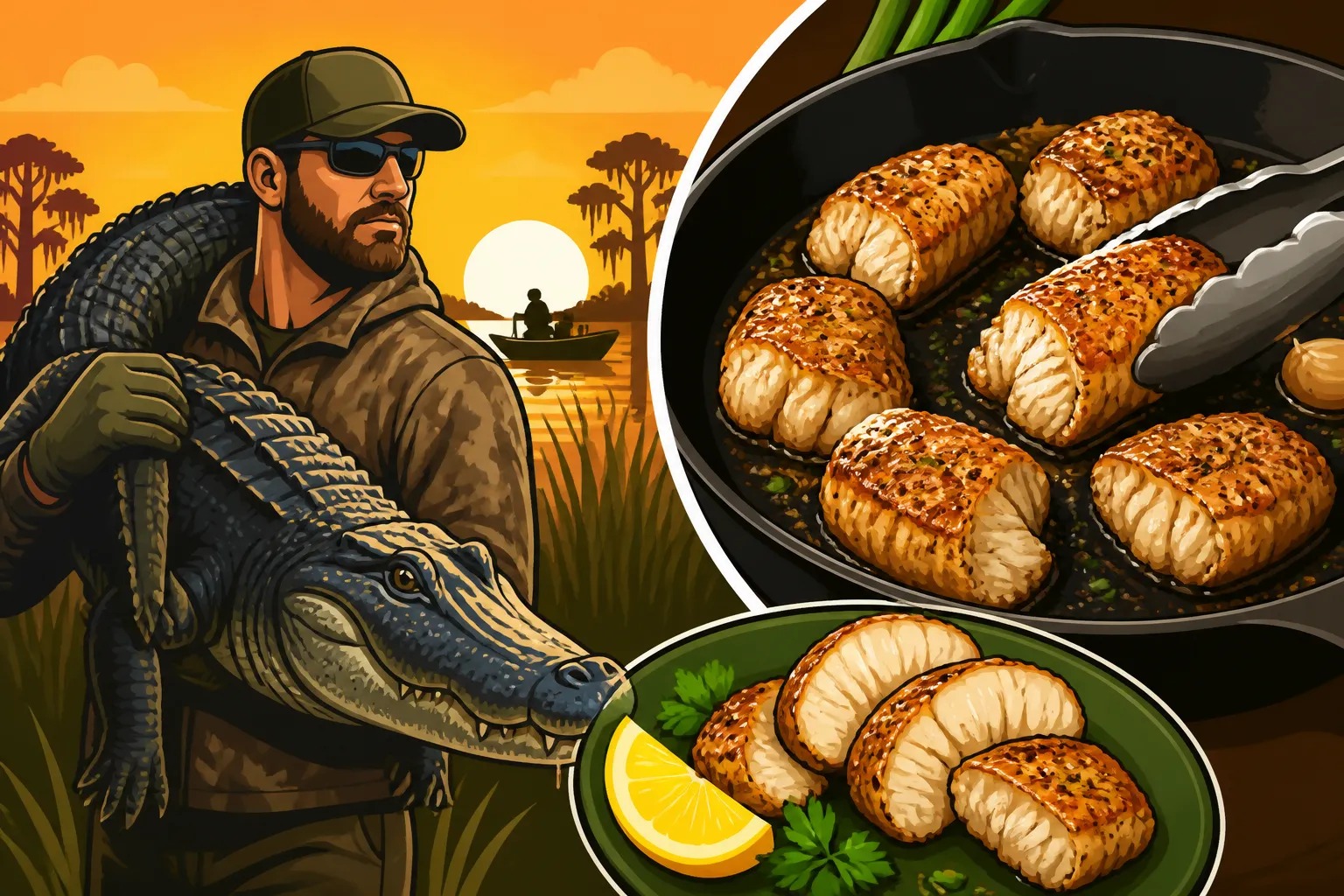
- Searing: For a skillet, add a tablespoon of high-smoke-point oil. Sear the alligator for 2-3 minutes per side until a nice crust forms.
- Rest: Once cooked, remove the alligator from the heat and let it rest for a few minutes before slicing or serving. This allows the juices to redistribute, leading to a more tender bite. Marinades with a bit of sugar or honey can help achieve a beautiful caramelization on the grill.
Slow-Cooked Alligator: Stews, Gumbos, and Braises
While the tail is often prized for frying, other parts of the alligator or even tougher sections of the tail can be absolutely incredible when slow-cooked. This method is perfect for breaking down those denser muscle fibers into fork-tender deliciousness.
- Browning: Start by browning your alligator pieces in a Dutch oven or heavy pot. This adds a crucial layer of flavor through the Maillard reaction. Remove the browned meat and set aside.
- Building the Base: In the same pot, sauté your "holy trinity" (onions, celery, bell pepper) until softened, then add garlic and any other aromatics.
- Liquid and Simmer: Return the alligator meat to the pot. Add your liquid – this could be chicken or seafood stock, crushed tomatoes, beer, or even just water. For a true Louisiana experience, this is where you'd add your roux if making a gumbo, or various spices for a stew. Ensure the meat is mostly submerged.
- Slow Cook: Bring the mixture to a simmer, then reduce the heat to low, cover, and let it cook for 2-4 hours, or until the alligator meat is incredibly tender and easily pulls apart. You'll want to check on it periodically, stirring and adding more liquid if needed. This method truly transforms the meat, making it melt-in-your-mouth soft. It’s perfect for dishes like a rich alligator sauce piquant or a hearty gumbo, utilizing the full richness of the meat. You might even use cuts from a successful lottery harvest for this, as detailed in Louisiana's New Recreational Alligator Season or Applying for the Alligator Recreational Lottery.
Tips for Success and Common Pitfalls to Avoid
Cooking alligator can feel intimidating, but with a few pointers, you'll be a pro in no time.
Don't Overcook It: The Enemy of Tender Alligator
This is perhaps the single most important piece of advice for cooking alligator. Because it's so lean, alligator meat has a very narrow window of perfection. Overcook it by even a minute or two, and you risk turning that potential tender bite into something rubbery and dry.
Think about how you cook shrimp or scallops – fast and furious, then off the heat. Alligator is similar. When frying, look for that golden-brown crust. For grilling or searing, aim for an internal temperature of 145-150°F (63-65°C). A good meat thermometer is your friend here. When slow-cooking, while it seems counterintuitive, you're looking for the connective tissues to break down, which takes time, but even then, once it's tender, you don't want to dry it out. Pull it from the heat once it's easily shreddable.
Balancing Flavors: Complement, Don't Overpower
Alligator has a distinct, yet mild, flavor. Your goal with seasonings and marinades should be to complement and enhance that flavor, not to bury it. While it can stand up to bold Cajun spices, ensure they're balanced.
- Acidity: A squeeze of fresh lemon or lime juice just before serving can brighten the flavors, especially for fried or grilled alligator.
- Heat: If you like spicy food, alligator is a great vehicle for it, but consider the overall balance. A little cayenne or hot sauce is great, but don't just dump a ton on if you want to still taste the unique meat.
- Pairings: Serve fried alligator with a creamy, tangy dipping sauce like a homemade remoulade, which balances the richness and spice. Grilled alligator can be fantastic with fresh salsas or a chimichurri. For slow-cooked dishes, serve over rice to soak up all those incredible juices.
Experiment with different approaches; you might find that the specific zone where your alligator was harvested, perhaps mentioned in Louisiana Alligator Zone Allocations, subtly influences its flavor, making it fun to try various preparations. And don't forget that many wild game meats benefit from similar thoughtful preparation, just like when Cooking a Wild Turkey Breast. Mastering these techniques will elevate your wild game cooking skills, allowing you to truly appreciate the bounty of Louisiana.
Disclaimer
This article is for general informational purposes only and does not constitute professional advice. Laws, prices and regulations vary by location and change over time. Consult a qualified professional for guidance on your specific situation.