Louisiana Deer Camp Traditions
There’s a unique magic that permeates Louisiana during hunting season, and nowhere is it more palpable than in a deer camp. For many, it's not just a place to pursue whitetails; it’s a deeply ingrained cultural institution, a second home where generations gather. If you’ve ever felt that pull, that desire to understand and embrace these time-honored traditions, you know it's about so much more than bagging a deer. This guide delves into the heart of Louisiana deer camp culture, revealing the unwritten rules, shared rituals, and enduring spirit that define this irreplaceable experience.
The Heart of Louisiana Hunting: What Makes Deer Camp So Special?
The very phrase "deer camp" conjures up specific images for those of us in Louisiana: the smell of cypress and wet earth, the distant sound of dogs, and the promise of good company. It's a fundamental part of our outdoor heritage, woven into the fabric of families and friendships across the state. It’s often the place where young hunters first learn the ropes, where old timers pass down wisdom, and where the bonds formed over shared experiences run deeper than almost anywhere else.
More Than Just a Hunt: Community and Camaraderie
Walk into any true Louisiana deer camp, and the first thing you'll notice isn't the mounted trophies or the array of firearms; it's the hum of conversation, the laughter, and the palpable sense of camaraderie. These camps are vibrant hubs of social activity, bringing together relatives, neighbors, and lifelong friends who might only see each other a few times a year. It's a powerful antidote to the isolation of modern life, offering a chance to reconnect, unwind, and just be with people who share your passion.
The storytelling at deer camp is legendary. Every successful hunt, every missed shot, every encounter with a wily old buck becomes a tale embellished over years, retold around a crackling fire or over a steaming pot of gumbo. These narratives aren't just entertainment; they're oral history, teaching lessons, reinforcing values, and strengthening the collective identity of the camp. It’s a place where bragging rights are earned through sweat and skill, but humility is always expected, and good-natured ribbing is a sign of affection. It's a sanctuary from the daily grind, a place where the biggest concern is usually just the wind direction for tomorrow's sit or whether someone remembered to bring enough boudin.
A Taste of Tradition: Camp Cookin' and Local Flavors
You simply cannot talk about Louisiana deer camp without talking about the food. It's not merely sustenance; it's a centerpiece of the entire experience, reflecting the rich culinary traditions of the state. Forget bland freeze-dried meals; at deer camp, the kitchen (or outdoor cooking area) is often as important as the hunting stands. Whole days can revolve around the preparation of massive, communal meals, designed to feed a hungry crew after a long morning in the woods.
Dishes like rich, dark gumbo, bubbling with deer sausage and chicken, or a hearty jambalaya cooked in a cast iron pot over an open flame, are staples. You'll find generous servings of red beans and rice, often simmered with smoked ham hocks, and plenty of fresh-caught fish or crawfish if the camp is near water. And, of course, the venison itself is the star of many meals. From backstrap grilled to perfection to ground venison chili or even smoked deer jerky for snacks, every part of a harvested animal is honored and enjoyed. Cooking duties are usually shared, with each member often having a signature dish they're expected to contribute, fostering a friendly competition and ensuring a diverse, delicious spread that truly captures the essence of local Louisiana flavors.
Setting Up Shop: Essential Elements of a True Louisiana Deer Camp
A deer camp, whether passed down through generations or newly established, is a testament to practicality, resilience, and a deep understanding of what hunters truly need. It's a functional space designed to support the pursuit of game, but also to facilitate the unique social dynamics that define the experience.
The Camp House Itself: From Rustic Sheds to Modern Lodges
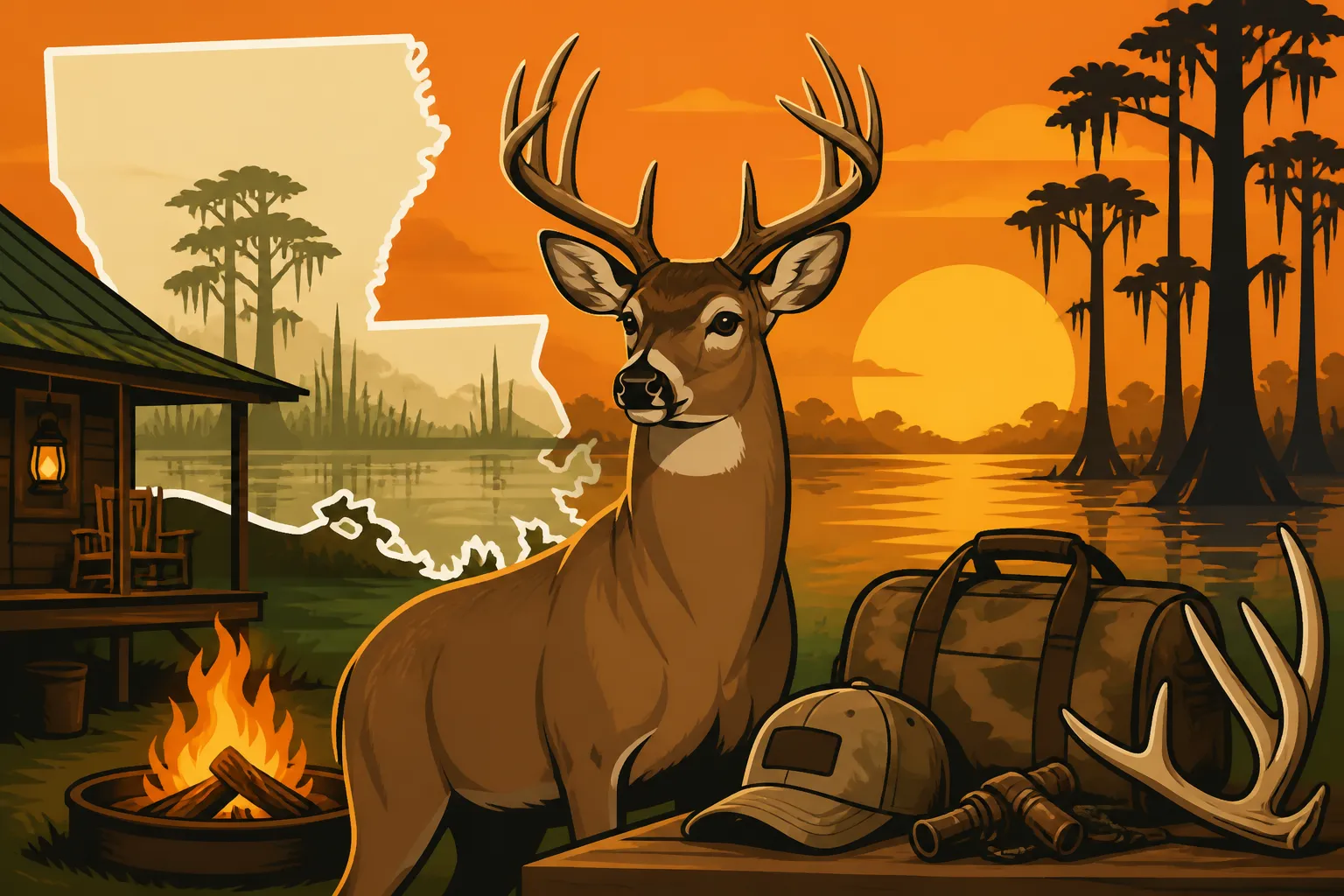
The physical structure of a Louisiana deer camp can vary dramatically, but its purpose remains constant: a shelter, a communal gathering spot, and a place to rest your head. On one end of the spectrum, you might find incredibly rustic setups – perhaps an old fishing shack on stilts in the Atchafalaya Basin, or a simple tin-roofed shed deep within a privately leased tract of timber. These often feature basic amenities: cots or bunk beds, a wood-burning stove for heat, a small kitchen area with a propane stove, and perhaps an outhouse. Comfort is secondary to utility, and the charm lies in their no-frills authenticity and the stories etched into their worn walls.
Moving up the scale, some camps are more akin to small cabins or even modular homes, complete with electricity, running water, and perhaps even satellite TV for catching the big game on a Sunday afternoon. While these offer more modern conveniences, the spirit of camp remains the same. The focus is still on the hunt, the shared meals, and the conversation. What all camp houses share, regardless of their level of luxury, is their role as a central hub. It’s where strategies are discussed before the hunt, where cold hands are warmed after a chilly morning, and where the day's experiences are rehashed with enthusiastic detail. The best camp houses aren't just buildings; they're repositories of memories, laughter, and the lingering scent of coffee and venison stew.
Gear, Logistics, and Shared Responsibilities
Running a successful deer camp, especially one that hosts multiple hunters for extended periods, requires a surprising amount of coordination and communal effort. It's not just about individual hunting gear; it's about the collective infrastructure that supports everyone's experience. This often includes a robust cooking setup – think massive cast-iron pots, griddles, propane burners, and coolers large enough to hold a small deer. Generators are often critical for powering lights, fans, or even small refrigerators, especially in remote locations without grid access. For hunters venturing into the deep woods or swamp, ATVs or side-by-sides are almost indispensable for accessing stands, retrieving game, and maintaining trails. These aren't personal toys at camp; they're communal workhorses.
Logistics also extend to game processing. Many camps have dedicated skinning racks, hoists, and large tables for butchering deer. This shared labor is a key part of the experience, with everyone pitching in to turn a successful hunt into venison for the table. When it comes to planning hunts or understanding the terrain, tools like GoHunt have become invaluable. Hunters can use it to map out stand locations, identify promising travel corridors, and even share data on game sightings, making the entire camp more efficient. Beyond the physical gear, there are unwritten rules about shared responsibilities: who cleans up after dinner, who fetches water, who takes out the trash, and who ensures the stands are safe and properly maintained. These duties are rarely assigned with a strict hierarchy; instead, they operate on a fluid system of mutual respect and contribution, ensuring everyone pulls their weight and the camp runs smoothly.
Embracing the Rituals: Camp Life Beyond the Stand
While the act of hunting is undoubtedly the primary draw, the daily rituals and routines of deer camp life are what truly forge lasting memories and solidify the experience. These moments, both before and after the hunt, are just as important as the time spent in the stand.
The Morning Routine: Coffee, Conversation, and Anticipation
The pre-dawn hours at a Louisiana deer camp are a sacred time, a slow crescendo of activity before the rush to the woods. It almost always begins with the aroma of strong, dark coffee brewing, a non-negotiable ritual that kickstarts the day. Hunters emerge from their bunks, rubbing sleep from their eyes, gathering around the kitchen table or a crackling fire for that first, comforting cup. This isn't a silent affair; it's a time for quiet conversation, whispered jokes, and the final planning of the morning's hunt. You’ll hear discussions about wind direction, recent deer movement, and stand assignments. A quick check of the weather, perhaps on a phone with an app like GoHunt for localized conditions, helps finalize plans.
Gear is checked methodically: bows are inspected, crossbows confirmed, and firearms are carefully loaded. Everyone ensures they have their calls, binoculars, and safety harnesses. There’s a palpable sense of anticipation mixed with reverence as hunters prepare to step into the wilderness. Before heading out, there might be a shared breakfast, usually something quick and hearty like biscuits and gravy, or a plate of eggs and deer sausage. Then, one by one, or in small groups, hunters slip out into the pre-dawn darkness, the soft closing of doors and the crunch of boots on gravel marking their departure, each carrying the hope of a successful hunt. This transition from communal warmth to solitary pursuit is a hallmark of the deer camp morning.
Post-Hunt Merriment: Processing, Storytelling, and Relaxation
The return to camp after a hunt, especially a successful one, is always an event. If a deer has been harvested, the atmosphere shifts to one of collective effort and celebration. The first order of business is usually to get the animal back to camp. This might involve a strenuous drag through thick brush, or perhaps a ride on an ATV, especially if you’ve been hunting the Rut in the Early-Start Areas. Once back, the process of Field Dressing a Deer in Warm Weather begins swiftly and efficiently, often with multiple hands helping to hoist, skin, and quarter the animal. This is where many young hunters get their first hands-on lesson in anatomy and ethical meat processing, learning how to properly care for their harvest.
After the work is done, the evening truly begins. The stories of the day's hunts take center stage. Every rustle in the leaves, every distant grunt, every glimpse of a deer is recounted in vivid detail, often with theatrical flair. Hunters might pull up their GoHunt maps to show exactly where they were sitting or where a buck crossed a trail. It’s a time for laughter, good-natured ribbing about missed shots, and genuine congratulations for successes. The smell of cooking venison often fills the air, promising a hearty meal. Evenings are often spent playing cards, sharing a drink, or just relaxing by a fire, listening to the sounds of the Louisiana night. This communal unwinding, the shared sense of accomplishment and camaraderie, is as vital to the deer camp experience as the hunt itself. It’s how traditions are passed down, how friendships are deepened, and how the memories are forged that will last until the next season. The skills learned here, like Butchering a Deer at Camp, are practical, but the connection to the land and each other is what truly endures.
The Evolution of Camp: Modern Comforts and Enduring Values
Like all traditions, Louisiana deer camp life isn't static. It adapts, incorporates new technologies, and responds to changing regulations, yet its core values remain remarkably consistent. The challenge, and the beauty, lies in blending the old with the new.
Balancing Old Ways with New Tech
Today's deer camps, while steeped in tradition, often incorporate a surprising amount of modern technology. Gone are the days when a paper map and a compass were your only navigational tools. Now, apps like GoHunt provide detailed topographical maps, satellite imagery, and GPS tracking, helping hunters better understand the terrain and pinpoint stand locations. These tools are particularly useful when Scouting Louisiana Public Land Before Season, allowing hunters to virtually explore large tracts of land from the comfort of their home, or even right there in the camp. Cell service, once a rarity, is increasingly available, allowing hunters to stay connected, share photos of their harvest, and even check Louisiana Deer Reporting Requirements online.
Trail cameras, once a novelty, are now standard equipment for many camps, providing valuable intelligence on deer movement and patterns. Solar chargers keep essential electronics powered up, and portable heaters make cold mornings more bearable. However, even with these advancements, the fundamental spirit of camp endures. The technology is a tool, an enhancement, not a replacement for the camaraderie, the shared meals, or the quiet solitude of the hunt. The old-timers might grumble about "kids and their gadgets," but even they appreciate the convenience of knowing the exact wind direction or having a reliable way to communicate in the backcountry. It's a testament to the adaptability of these traditions, proving that innovation can serve to enrich, rather than erode, the core experience.
Passing the Torch: Involving the Next Generation
One of the most profound and enduring traditions of Louisiana deer camp is the passing of knowledge, ethics, and passion to the next generation. These camps are often where children and grandchildren are first introduced to the outdoors, learning about conservation, responsible hunting, and the invaluable skill of woodsmanship. It’s not just about teaching them how to shoot a deer; it’s about fostering a deep respect for nature and the animals they pursue. Many camps prioritize youth involvement, creating a safe and welcoming environment for beginners. The Louisiana Youth and Veterans Weekend Rules often coincide with prime camp time, offering dedicated opportunities for young hunters to get their first taste of the action under the guidance of experienced mentors.
Children learn everything from identifying deer sign to tracking, from the importance of safety to the proper way to Field Dressing a Deer in Warm Weather. They witness firsthand the hard work involved in preparing for a hunt, the patience required in the stand, and the communal effort of processing a harvest. These experiences instill values like self-reliance, responsibility, and perseverance. The atmosphere of camp is often what truly hooks them, cementing a lifelong love for hunting and the outdoors. Watching a young hunter experience the thrill of their first deer, surrounded by proud family and friends, is a moment that reaffirms the profound importance of these traditions. It ensures that the legacy of Louisiana deer camps, with their unique blend of hunting, food, and fellowship, will continue to thrive for many more generations. The lessons learned here, even about basic things like Louisiana Hunting Licenses and What They Cost, lay the groundwork for a lifetime of ethical outdoor pursuit.
| Tradition | Description | Purpose |
|---|---|---|
| Communal Meals | Large pots of gumbo, jambalaya, red beans, and wild game are prepared and shared by everyone. | Fosters camaraderie, ensures everyone is well-fed after long hunts, celebrates local culinary heritage. |
| Storytelling Sessions | Hunters recount tales of their day's hunt, past seasons, or memorable experiences, often with exaggeration. | Entertains, passes down hunting wisdom, reinforces camp history and identity, strengthens bonds. |
| Shared Labor | Everyone pitches in with camp chores, from cooking and cleaning to maintaining stands, processing game, and collecting firewood. | Teaches responsibility, ensures camp runs smoothly, builds teamwork, promotes a sense of ownership and contribution. |
| Youth Mentorship | Experienced hunters actively involve younger generations in all aspects of camp life and hunting. | Passes down hunting ethics, safety, woodsmanship, and a love for the outdoors to future generations, ensuring the continuation of traditions. |
| Post-Harvest Processing | Deer are often skinned, quartered, and sometimes even butchered right at camp, with multiple hands assisting. | Honors the animal, ensures proper care of the meat, provides a hands-on learning experience, reinforces the connection between harvest and sustenance. |
Disclaimer
The information provided in this guide is for general informational purposes only and is not intended as legal advice. Hunting regulations, license requirements, and season dates in Louisiana are subject to change. Always consult the most current regulations published by the Louisiana Department of Wildlife and Fisheries (LDWF) before engaging in any hunting activities. Adherence to all local, state, and federal laws is the hunter's sole responsibility.