American Alligators in Louisiana
That chilling splash in the bayou, the unsettling stillness of a log that suddenly shifts its gaze – few creatures capture the mystique and inherent wildness of Louisiana quite like the American alligator. For many, the sight of these ancient reptiles brings a mix of awe and a healthy dose of fear, often fueled by sensational stories and misunderstandings. But beyond the headlines, the alligator is a vital part of our ecosystem and a testament to incredible conservation success. This guide will take you deep into the world of Louisiana's alligators, covering everything from their remarkable comeback story to safely coexisting with them, and even the unique opportunity for a recreational hunt.
The Alligator's Resurgence: From Near Extinction to Abundance
It’s hard to imagine now, but there was a time when the future of the American alligator in Louisiana looked bleak. These magnificent creatures, so emblematic of our state, were once teetering on the brink. Their story is a powerful reminder of how effective conservation efforts, driven by dedicated individuals and science-based management, can turn the tide.
A Conservation Success Story
Back in the early to mid-20th century, the alligator faced immense pressure. Unregulated hunting for their valuable hides was rampant, and habitat loss due to development and drainage projects further compounded their struggles. Hunters, often with little regard for sustainability, would take alligators of any size, year-round. It was a free-for-all, driven by market demand, and the populations plummeted to critically low levels. People genuinely feared that the alligator, an apex predator that had roamed these wetlands for millions of years, might disappear from Louisiana's bayous forever.
The turning point arrived with increased awareness and scientific intervention. In 1962, Louisiana took a crucial step by completely closing its alligator hunting season. Federally, the Endangered Species Act of 1973 listed the American alligator as an endangered species, providing much-needed protection across its range. The Louisiana Department of Wildlife and Fisheries (LDWF) then spearheaded a groundbreaking management program. This wasn't just about protection; it was about understanding the alligator's life cycle, habitat needs, and population dynamics. They began to monitor populations, conduct surveys, and experiment with sustainable harvest models, realizing that a controlled, regulated harvest could actually incentivize conservation by giving the alligators economic value. Property owners had a reason to protect alligator habitat when they could benefit from sustainable use.
This innovative approach proved revolutionary. By 1978, the American alligator had recovered so significantly that it was delisted from the Endangered Species Act, becoming one of the earliest and most celebrated conservation success stories. Louisiana, in particular, demonstrated how a well-managed program, blending commercial interests with scientific conservation, could bring a species back from the brink. The journey from near extirpation to abundance is a testament to what we can achieve when we commit to protecting our natural heritage, and it really underscores the brilliance of the folks who saw beyond just 'protecting' to 'managing for sustainable use.'
How Many Alligators Live in Louisiana Marsh Today
If you've spent any time in Louisiana's wetlands, you know that alligators are far from scarce. In fact, their numbers are astounding. Louisiana boasts the largest wild alligator population in the United States, with estimates often ranging from 1.5 million to over 2 million alligators across the state. This incredible density is concentrated largely in our vast coastal marshes and sprawling freshwater swamps, which provide ideal habitat for these reptiles.
Think about the sheer scale of our wetlands. From the brackish marshes of Cameron Parish and Terrebonne Parish, teeming with a rich food base, to the cypress-tupelo swamps of the Atchafalaya Basin, these habitats are perfectly suited for alligators to thrive. These areas offer everything an alligator needs: abundant prey like fish, turtles, birds, and small mammals; warm temperatures for breeding and basking; and secluded spots for nesting and raising young. The extensive network of bayous, canals, and ponds acts as a highway system, allowing alligators to move freely and occupy nearly every suitable niche.
The population isn't evenly distributed, of course. You'll find higher concentrations in the southern parishes, particularly those with vast, interconnected wetland systems. Areas like St. Mary, Vermilion, and Lafourche parishes, deeply interwoven with the coastal marsh and freshwater swamps, are prime alligator territory. The sheer number of alligators means that encounters, whether you’re fishing, hunting, or just enjoying nature, are a common and expected part of life in much of our state. The sheer scale of their presence is hard to grasp until you're out in a pirogue, watching the water ripple with unseen movement, or seeing dozens of eyes shine back at you in the beam of a spotlight at night. It's a truly wild experience, and a direct result of their incredible recovery. To grasp just how many gators call Louisiana home, consider exploring how many alligators Louisiana has across its different habitats.
Understanding Louisiana Alligator Habitat and Behavior
Knowing where and how alligators live isn't just fascinating; it's crucial for understanding their role in our ecosystem and for ensuring safe coexistence. These ancient predators have finely tuned their existence to the unique environments of Louisiana, making them incredibly efficient and perfectly adapted.
Where Louisiana's Biggest Alligators Live and Why
If you're dreaming of seeing a truly monstrous gator, you'll want to head to the deeper, more stable environments that offer plenty of food and little disturbance. The massive, old bull gators, often pushing 12 to 14 feet, tend to inhabit the expansive, nutrient-rich coastal marshes, deep freshwater swamps, and large river systems with oxbow lakes. Think of places like the vast Atchafalaya Basin, a true wilderness where undisturbed waterways and dense cover allow alligators to grow to impressive sizes over many decades. The sheer volume of food – from fish and crabs to waterfowl and small mammals – in these productive ecosystems means that a gator can eat well and grow consistently.
What really drives the growth of these giants isn't just food, but also stable, consistent environments. In these deep-water habitats, they're less susceptible to extreme temperature fluctuations and seasonal droughts that might impact gators in shallower ponds or ditches. They have plenty of space to establish territories, find mates, and bask in the sun without constant human interaction. The older they get, the larger their territories become, and they develop an almost instinctual knowledge of their surroundings, finding the best hunting spots and deepest holes to survive winter. If you're wondering where Louisiana's biggest alligators live, it's almost always in these large, undisturbed aquatic strongholds where they can reign supreme. The big ones are truly impressive, moving through the water with an almost effortless power that commands respect.
Alligator Lifestyle and Diet
Alligators are incredibly adaptable, but their lifestyle revolves around the seasons and the availability of food. During the warmer months, roughly from April through October, they are highly active. This is their breeding season, a time when males bellow to attract mates, and females build large mound nests of vegetation in secluded areas. After about 60-70 days, the female alligator will carefully uncover her nest, and the tiny hatchlings, no bigger than your hand, will emerge, often vocalizing to alert their mother. She'll protect them fiercely for a year or two, teaching them to hunt and avoid predators.
Their diet is broad and opportunistic, shifting as they grow. Young alligators feast on insects, small fish, frogs, and crustaceans. As they mature, their diet expands to include larger fish, snakes, turtles, birds, and small mammals like nutria, muskrats, and even raccoons. The largest alligators are apex predators, capable of taking down deer or hogs that venture too close to the water's edge, though such occurrences are rare and usually opportunistic. They play a vital role in our wetlands, acting as natural regulators, keeping populations of certain species in check and even digging gator holes that provide crucial water refuges for other wildlife during dry spells.
During the cooler winter months, alligators enter a state of brumation, a reptilian equivalent of hibernation. They become much less active, often retreating to dens or deep underwater to conserve energy. Their metabolism slows down significantly, and they can go for long periods without eating. You might still see them basking on sunny winter days, warming up enough to become somewhat active, but their overall behavior shifts dramatically until the warmth of spring returns. It’s a fascinating cycle, perfectly tuned to the rhythm of our Louisiana climate.
Why Alligator Nuisance Calls Rise in Summer and What to Do
With so many alligators sharing our landscape, it’s inevitable that human-alligator interactions occur. These interactions tend to spike dramatically during the summer months, and there are very good reasons for it. This is peak alligator activity time – they’re breeding, nesting, and moving around more to find food and establish territories. As human activity also increases during summer (swimming, boating, fishing), the chances of encountering a gator naturally go up. You might see a curious alligator in a swimming pool, a smaller one wandering onto a road after heavy rains, or one lurking a little too close to a dock where people are fishing. This often leads to an increase in calls to the Louisiana Department of Wildlife and Fisheries. If you're seeing more gators around your property, know that you're not alone; why alligator nuisance calls rise in summer is a common concern for many folks in our state.
The key thing to remember with any alligator encounter is never to feed them. Feeding alligators, directly or indirectly (like cleaning fish at the water's edge and leaving scraps), teaches them to associate humans with food. This habituation makes them lose their natural fear, turning them into potential nuisances or even dangers. It's not the gator's fault; it's a learned behavior, and once an alligator is conditioned to humans, it often has to be removed.
If you encounter an alligator that seems to be a genuine nuisance – perhaps it’s repeatedly approaching people, blocking access to a property, or in an unusual location like a busy subdivision street where it could pose a risk – it's crucial to report it to the LDWF. They have a dedicated program for handling nuisance alligators, which involves licensed trappers. These trappers are professionals who can safely capture and relocate or dispatch the alligator as necessary, based on the specific circumstances and the gator's behavior. Don't try to handle it yourself; leave it to the experts. The best rule of thumb is to give alligators space, never feed them, and report any genuinely problematic ones to the proper authorities. This ensures safety for both people and the alligators themselves. If you need to report one, make sure you know how to report a nuisance alligator in Louisiana effectively.
Louisiana's Comprehensive Alligator Management Program
Louisiana's alligator management program isn't just about controlling populations; it's a meticulously crafted system that balances conservation, economic opportunity, and public safety. It’s a model that has been emulated by other states and countries, showcasing how wildlife can be both protected and utilized sustainably.
The Role of Louisiana's Alligator Farming Industry
You might not immediately connect alligator farming with conservation, but in Louisiana, they go hand in hand, forming a critical pillar of the state's management strategy. The alligator farming industry here is a multi-million dollar enterprise that began in the 1980s. It operates on a "ranching" model, which is fundamentally different from traditional farming. Instead of breeding alligators entirely in captivity, licensed alligator farmers collect eggs from wild nests on private lands, primarily in the coastal marsh. This egg collection serves multiple purposes. First, it provides the farmers with a source of young alligators to raise for their hides and meat. Second, and crucially for conservation, these farmers are required to return a percentage of their raised alligators, usually 12-17% of the original egg count, back to the wild as healthy, yearling-sized animals (typically 3-5 feet long).
This "release program" is incredibly important. In the wild, nest predation and environmental factors can lead to very low survival rates for hatchlings – sometimes less than 20% make it past their first year. By collecting eggs and raising them in a protected environment for a year or two, farmers dramatically increase their survival odds before releasing them. This effectively boosts the wild population by releasing animals that have a much higher chance of reaching maturity than if they had hatched in the wild. This economic incentive for landowners to manage and protect alligator habitat is what makes the system so successful. Landowners benefit financially from the eggs collected on their property, which encourages them to maintain healthy alligator populations and habitats. It's a brilliant example of market-based conservation, and it’s a big reason why Louisiana's alligators are thriving.
The Alligator Program and Its Impact on Species Conservation
The Louisiana Department of Wildlife and Fisheries (LDWF) alligator program is one of the longest-running and most successful wildlife management programs in the world. It’s a testament to science-based decisions and adaptive management. The core of the program involves rigorous population monitoring through aerial surveys, nest counts, and harvest data. Biologists meticulously track population trends, health, and distribution across the state's various ecological zones. This data informs annual harvest quotas for both the commercial farming industry and the recreational hunting season.
The impact on species conservation has been profound. Beyond preventing overharvesting, the program actively promotes habitat protection. When landowners see the economic value of alligators through the ranching program or controlled wild harvest, they become invested stewards of their wetlands. This means they are more likely to preserve and enhance the very habitats that alligators, and countless other wetland species, rely on. Furthermore, the program fosters a deeper understanding of alligator ecology, allowing for continuous refinement of management strategies to address new challenges, such as coastal erosion or changing environmental conditions. The entire system ensures that the alligator population remains healthy and sustainable for future generations, while also generating significant revenue for the state and local economies. This balancing act is a key reason why Louisiana's alligator program saved the species from the brink.
Navigating Alligator Encounters Safely in Louisiana
Living in Louisiana means sharing our beautiful landscape with alligators. For most people, encounters are fleeting glimpses, a memorable part of the natural beauty. But sometimes, they can feel a little too close for comfort. Learning how to navigate these interactions safely is key to peaceful coexistence.
Coexisting with Alligators in Everyday Life
The first step to safe coexistence is understanding that you are sharing their home. Our wetlands, bayous, and even some urban ponds are prime alligator territory. This means adopting some common-sense practices, especially if you live near water or frequently visit natural areas. Always supervise children and pets when they are near any body of water in Louisiana. A small child or a pet can unfortunately resemble natural prey to an alligator, particularly a smaller, opportunistic one. Keep pets on a leash and away from the water's edge, and never let them swim in areas where alligators are known to be present.
It's also essential to manage your waste properly. Alligators are scavengers and will be drawn to food scraps. Never dispose of fish carcasses or other animal waste in or near water where alligators might be present. This is essentially baiting them, making them associate humans and human activity with food. Similarly, avoid swimming or wading in unguarded waters, especially at dawn, dusk, or night when alligators are most active and harder to spot. Understanding alligator body language can also be helpful, though usually, if you're close enough to read it, you're too close. A hissing alligator is a warning, and a gaping mouth (often to regulate body temperature or establish dominance) is a clear sign to back away slowly. The key is respect and awareness, rather than outright fear, allowing both humans and alligators to occupy our shared environment safely.
What to Do If You Encounter an Alligator
So, you're out enjoying a beautiful Louisiana day, and there it is – a gator. What do you do? The most crucial rule is simple: maintain a respectful distance. Alligators are wild animals, and like any wild animal, they deserve space. Keep at least 30-50 feet away, and never approach one, no matter how small or docile it seems. They are incredibly fast over short distances, both on land and in water, and their power should never be underestimated. Do not, under any circumstances, try to feed an alligator. As discussed, this is the primary cause of problem gators.
If an alligator is hissing, lunging, or displaying aggressive behavior towards you, back away slowly and calmly. Do not run, as that can trigger a chase response. If you accidentally get too close and an alligator makes a bluff charge, usually accompanied by a loud hiss, stand your ground and then back away. They often don't want a confrontation but are simply asserting their space. If you are genuinely concerned about an alligator that seems overly bold, aggressive, or is in an unusual place where it poses a threat to public safety (like a retention pond in a housing development or near a school), immediately contact the Louisiana Department of Wildlife and Fisheries. They have trained personnel and authorized nuisance alligator trappers who can assess the situation and intervene safely. Remember, these reptiles are often more afraid of you than you are of them, and most encounters are harmless if you give them the space they deserve. GoHunt often provides excellent resources and educational materials on safely interacting with wildlife, including these powerful predators.
The Thrill of Louisiana's Recreational Alligator Season
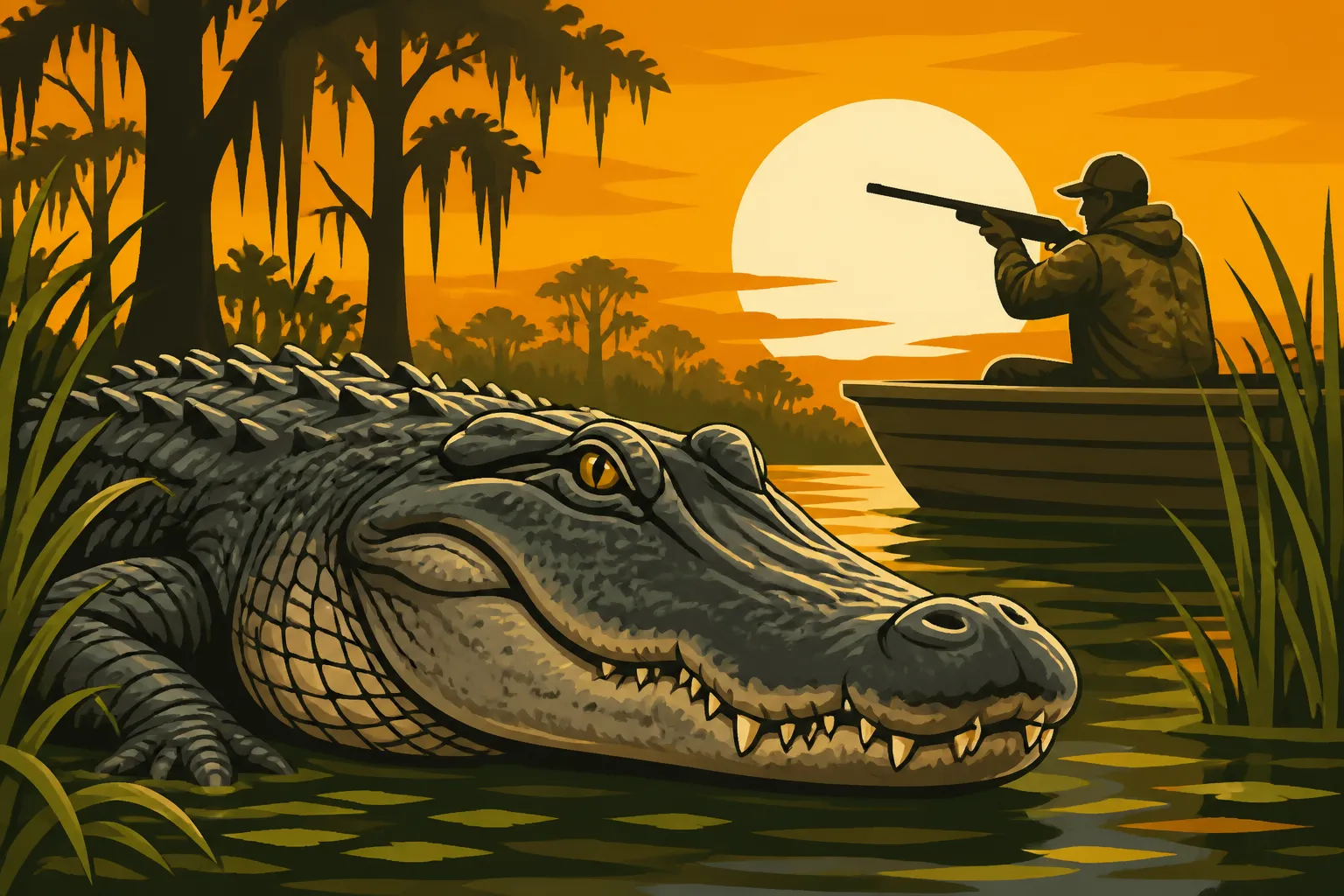
For many Louisianians, the thought of harvesting an alligator is a deeply rooted part of our outdoor heritage, a unique and exciting challenge unlike any other hunt. After the success of the commercial ranching program, Louisiana introduced a limited recreational alligator hunting season, offering a chance for residents to participate in this incredible tradition. It’s an opportunity that connects hunters directly to the robust conservation efforts that made it possible. This is truly a one-of-a-kind experience.
Understanding the Alligator Recreational Lottery
Unlike deer or duck hunting, snagging an alligator tag isn't as simple as buying one over the counter. Louisiana's recreational alligator season operates strictly through a lottery system, making it an exclusive and highly sought-after opportunity. The intention behind this system is to provide a unique experience for Louisiana residents while maintaining tight control over the harvest to ensure sustainability. Only residents are eligible to apply, underscoring the state's commitment to its local outdoor enthusiasts. This means no out-of-state hunters can simply purchase a tag; it's a privilege for those who call Louisiana home. For those interested in applying, understanding the Louisiana Alligator Lottery Application Window is key, as deadlines are firm and missing them means waiting another year.
The application process usually opens in the late spring or early summer, and applicants typically select their preferred hunting zones. Louisiana is divided into numerous alligator hunting zones, each with specific tag allocations based on population densities and habitat types. Zones in the heart of the coastal marsh or large river basins, like those encompassing vast areas of the Atchafalaya Basin, often receive the most tags due to higher alligator populations. However, demand for these prime areas is also incredibly high, making the draw odds challenging. Successful applicants receive a limited number of tags, often just one or two, for a specific zone. This carefully controlled allocation ensures that the harvest remains within sustainable limits, preventing any negative impact on the overall alligator population. It's a true test of luck and patience, but for those who draw, it's the beginning of an unforgettable adventure into Louisiana's wild heart. You can learn more about how Louisiana Alligator Zone Allocations are managed through the LDWF website.
Legal Methods and Equipment for Hunting Alligators
Once you've drawn that coveted tag, understanding the legal methods and required equipment is paramount for a successful and lawful hunt. Louisiana has strict regulations in place to ensure ethical hunting practices and the safety of all involved. The primary legal methods for taking alligators involve a hook and line, snatch hooks, bow, or crossbow. Let's break these down:
- Hook and Line: This is perhaps the most common method. Hunters set baited lines, often using chicken or other animal parts, tied to sturdy poles or trees along the water's edge or suspended over the water. The line itself must be strong (braided nylon or rope) and fitted with a large, strong hook designed for alligators. These lines are typically checked daily, and when an alligator takes the bait, it's then "subdued" – usually by bringing it alongside the boat and using a bangstick or firearm to dispatch it.
- Snatch Hooks: Less common but effective, snatch hooks are weighted hooks that are cast over an alligator and then "snatched" or pulled quickly to embed the hook into the alligator's hide. This requires considerable skill and precision.
- Bow and Crossbow: For the archery enthusiast, taking an alligator with a bow or crossbow offers an intense, close-quarters challenge. Special barbed arrows with a line attached (often referred to as a "harpoon" or "gator arrow") are used to tether the alligator, which is then fought to the boat and dispatched.
Certain methods are strictly prohibited. For example, using firearms to initially take an alligator that has not been secured by another legal means is illegal. You cannot simply shoot a free-swimming alligator. Similarly, why pole hunting alligators stays illegal is because it involves using a pole with a hook to impale an alligator, which is deemed inhumane and unsporting. The emphasis is on securing the alligator first, then dispatching it humanely. Required equipment generally includes strong lines, hooks, a boat, and a reliable bangstick or a legal firearm (e.g., shotgun with slugs, .22 caliber rifle, or a handgun of sufficient caliber) for dispatching the animal once it's secured alongside the boat. Safety for everyone aboard the boat is absolutely critical, as a thrashing gator can be incredibly dangerous. For a full breakdown of the legal ways to hunt, refer to Louisiana Alligator Legal Methods as outlined by LDWF.
Judging a Legal Forty-Eight-Inch Alligator in the Wild
One of the trickiest, yet most critical, aspects of alligator hunting in Louisiana is accurately judging the length of an alligator in the wild. State regulations typically require a minimum length, often 48 inches (4 feet), for harvested alligators. This size limit is in place to protect juvenile alligators and ensure that enough young animals survive to maintain a healthy breeding population. However, accurately judging an alligator’s length when only part of its body is visible, often in murky water or from a distance, is a significant challenge. It’s not like measuring a deer's antlers; you're dealing with a powerful, live reptile partially submerged. This is why learning to accurately judge a legal forty-eight-inch alligator is a skill that takes practice and experience.
Hunters often use visual cues and reference points. A common trick is to estimate the length between the alligator's eyes and the tip of its snout. For every inch between the eyes and snout, the alligator is roughly one foot long. So, if an alligator's head measures approximately 4 inches from eye to snout, it's likely around 4 feet long. However, this is just an estimate and can be difficult to gauge precisely. Water refraction, distance, and the angle of view can all play tricks on your eyes. Experienced hunters will often try to observe the alligator for a while, waiting for it to surface more fully or come closer to an identifiable marker (like a log or a boat length) to get a better visual reference.
The ethical responsibility lies entirely with the hunter to ensure the alligator meets the legal length requirement before dispatching it. Harvesting an undersized alligator can result in penalties and is a violation of the conservation principles of the program. Many hunters choose to err on the side of caution, passing on any gator they are unsure about. It's better to go home empty-handed than to harvest an illegal animal. This ethical consideration adds another layer of challenge and respect to the pursuit, making the successful harvest of a legal alligator all the more rewarding.
| Hunting Method | Description | Pros | Cons |
|---|---|---|---|
| Hook & Line | Baited line set out overnight or for several hours to attract and hook an alligator. | High success rate; often less physically demanding initial catch. | Can be time-consuming; sometimes hooks smaller, undesirable alligators. |
| Snatch Hook | Casting a weighted treble hook over an alligator and "snatching" it. | Exciting, direct engagement; good for actively hunting specific gators. | Requires skill and precision; can be physically demanding. |
| Bow/Crossbow | Using a specialized barbed arrow with a line attached to tether and land the gator. | Intense, close-quarters challenge; highly sporting. | Requires archery proficiency; limited range; typically a day-hunt method. |
The Economics and Culture of Alligator Hunting in Louisiana
Beyond the thrill of the hunt, alligator hunting in Louisiana is woven into the very fabric of our state's economy and culture. It's a practice that sustains livelihoods, preserves traditions, and contributes significantly to the unique identity of the Cajun and Creole people who have lived alongside these reptiles for generations.
The Value of Alligator Hides and Meat
The economic incentive derived from alligator products is a cornerstone of Louisiana's successful management program. Alligator hides are highly prized in the fashion industry for their unique texture and durability. Luxury brands around the world use Louisiana alligator leather for high-end shoes, handbags, belts, and watch straps. The value of these hides can fluctuate, but a good-quality hide from a legal-sized alligator represents significant commercial value. This demand directly supports the alligator ranching program and provides an economic return for wild alligator hunters.
But it’s not just about the hides. Alligator meat has also become a culinary staple and delicacy, not just in Louisiana but increasingly across the country. Known for its firm texture and mild flavor, often compared to chicken or pork, alligator meat is versatile. It's used in gumbos, jambalayas, fried nuggets, and even steaks. Local restaurants, particularly in regions like Lafayette, New Orleans, and Houma, proudly feature alligator on their menus. This demand for meat creates an additional market, ensuring that harvested alligators are utilized fully, from nose to tail. The dual value of both hide and meat makes alligator hunting a truly sustainable enterprise, contributing to the livelihoods of trappers, processors, and restaurateurs across the state.
Local Traditions and Community Impact
For many families in Louisiana, alligator hunting isn't just a seasonal activity; it's a generational tradition, passed down through fathers, mothers, uncles, and grandparents. Growing up in the bayous, learning to read the water, spot a gator, and set a line are rites of passage. These traditions foster a deep connection to the land and water, imparting invaluable knowledge about the wetland ecosystem and the behavior of its most iconic resident. The cultural significance of alligators runs deep in Louisiana; they are powerful symbols of the wild, untamed beauty of our swamps and marshes.
The impact extends beyond individual families to entire communities. In many coastal and swamp towns, alligator season brings a flurry of activity. Local processing plants hum with work, and the knowledge of how to clean, skin, and process an alligator is a specialized skill that supports local employment. Guides and outfitters, particularly those catering to recreational hunters who have drawn a tag, see a surge in business. If you're a lucky lottery winner and don't have the experience, booking a reputable guide can be a game-changer. These guides, often lifelong residents of the bayou, provide not just expertise but also a window into the rich local culture. The experience, as you might imagine, is priceless, and for a deep dive, check out what a guided alligator hunt costs in Louisiana. The presence of a thriving alligator population, managed sustainably, allows these cultural practices and economic benefits to continue, cementing the alligator’s place not just in our wildlife but in our very identity.
Future Outlook and Challenges for Louisiana Alligators
While the American alligator's comeback story is undeniably a conservation triumph, their future in Louisiana is not without its challenges. Like all species in our dynamic environment, alligators face ongoing threats that require continued vigilance and adaptive management strategies.
Habitat Loss and Coastal Erosion
One of the most pressing long-term threats to Louisiana's alligator population, and indeed to all wetland wildlife, is the relentless march of coastal erosion and habitat loss. Our state is losing land at an alarming rate due to subsidence, rising sea levels, and the impacts of human alteration of natural hydrological systems. This means vital marshland, which serves as critical habitat for alligator nesting, foraging, and overwintering, is slowly being converted into open water. As freshwater marshes become more brackish or even saline due to saltwater intrusion, the vegetation alligators rely on for nesting material and cover can change or disappear. This directly impacts nesting success and the overall health of the alligator population.
Efforts to combat coastal erosion, such as marsh creation projects, sediment diversions, and barrier island restoration, are crucial for the alligator's long-term survival. These large-scale restoration projects aim to rebuild and protect the very habitats that support our abundant alligator populations. Without these wetlands, the foundation of the entire alligator ecosystem begins to crumble. It's a complex, multi-faceted problem, but the conservation community, along with state and federal agencies, is heavily invested in finding solutions to protect Louisiana's invaluable coastal resources, which are inextricably linked to the alligator's well-being.
Balancing Human-Alligator Interactions
As human populations continue to grow and expand into traditionally wild areas, balancing human-alligator interactions remains an ongoing challenge. While the LDWF's nuisance alligator program is highly effective, the sheer number of alligators and the increasing interface with human development mean that encounters are inevitable. This can lead to public safety concerns, particularly in suburban areas where an alligator might wander into a swimming pool or a park pond, creating fear and requiring intervention. The natural behavior of alligators, coupled with human curiosity or ignorance (like the detrimental practice of feeding them), often escalates these situations.
The solution lies in continued public education and responsible behavior. Empowering residents with knowledge about alligator behavior, safety protocols, and the importance of not feeding wild animals is paramount. The LDWF is constantly working to refine its strategies for managing nuisance alligators, ensuring that public safety is prioritized while minimizing unnecessary harm to the animals. This includes outreach programs, clear signage in recreational areas, and swift response to problematic alligator sightings. By fostering a culture of respect and understanding, we can minimize conflicts and ensure that both humans and alligators can continue to thrive in Louisiana for generations to come. Ultimately, it’s about learning to live alongside these magnificent creatures, appreciating their vital role in our ecosystem, and doing our part to protect the wild places they call home.
Disclaimer
Please remember that hunting regulations, licensing requirements, and wildlife management policies are subject to change. Always consult the most current Louisiana Department of Wildlife and Fisheries (LDWF) official regulations before planning any hunting activities. This guide is for informational purposes only and does not supersede state law.