How Nutria Erode Louisiana Marsh
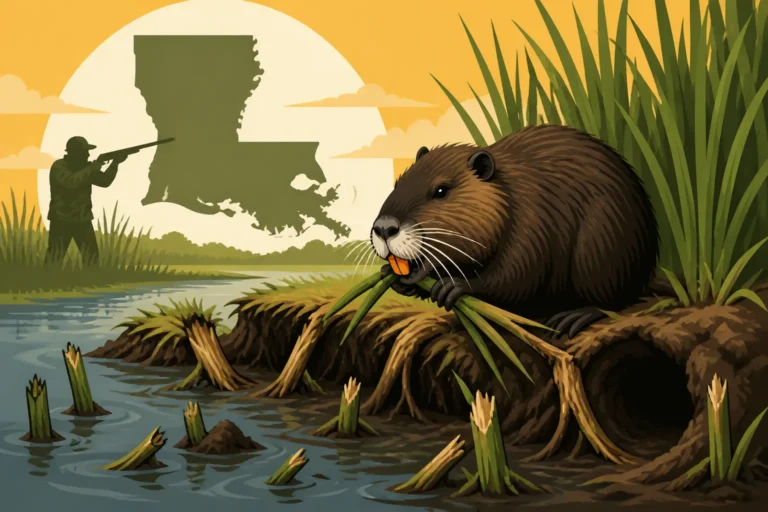
Louisiana's coastal marsh is a living, breathing landscape, a vital buffer against the Gulf and a nursery for countless species. But for decades, this precious ecosystem has been under relentless assault, not just from rising sea levels and subsidence, but from a relentless, furry invader: the nutria. These oversized rodents, with their insatiable appetites, are literally eating our coast away, leaving behind barren mudflats where once lush vegetation thrived. This guide will dive deep into the devastating impact of nutria on our beloved Louisiana marsh, explaining exactly how they cause erosion and what's being done to combat their destructive presence.
Understanding the Nutria Invasion and Their Role in the Ecosystem
It's easy to look at a nutria and see just another rodent, but these creatures are far more than that; they are a significant biological force shaping our landscape. Their very presence tells a story of unintended consequences and ecological imbalance that Louisiana has been grappling with for generations.
A Brief History of Nutria in Louisiana
The story of nutria in Louisiana is a classic tale of a non-native species introduced with good intentions that spiraled into an ecological disaster. Back in the 1930s, these semi-aquatic rodents were brought to Louisiana for their fur. Trappers, always looking for new economic opportunities, saw potential in these large, prolific animals. Some were deliberately released, while others inevitably escaped from fur farms and private enclosures, especially during floods. Our mild climate, abundant wetlands, and lack of natural predators created a perfect storm for their population to explode. Without the pressures of their native South American homes, like jaguars or large birds of prey that would keep their numbers in check, nutria found Louisiana a paradise. They quickly spread through the vast network of bayous, canals, and marshes, establishing themselves as a permanent, and profoundly destructive, resident. It’s a stark reminder that even seemingly small decisions can have monumental, long-lasting environmental repercussions.
The Biology of a Marsh-Munching Machine
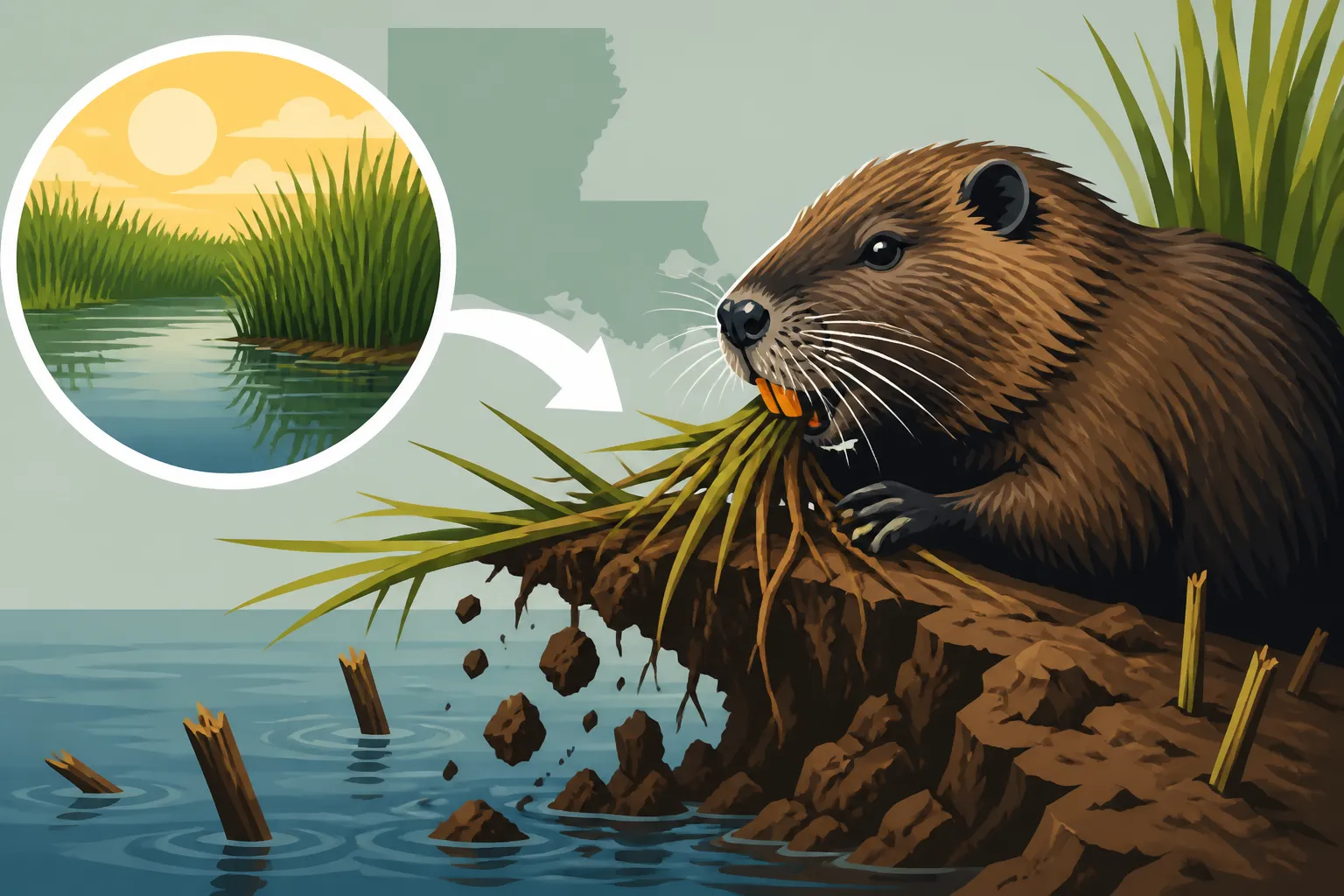
To understand the problem, you really have to understand the nutria itself. These are not dainty eaters. Nutria are strictly herbivores, and their diet consists almost entirely of marsh vegetation. What makes them so destructive isn't just what they eat, but how they eat it. They aren't just nibbling leaves; they're going straight for the roots and rhizomes, the underground storage organs of plants. Imagine trying to kill a weed, but instead of just pulling the top, you dig up the entire root system. That's what nutria do, en masse. They'll excavate large areas, especially preferring tender, nutritious roots of plants like three-corner grass and roseau cane – species that are absolutely crucial for stabilizing marsh soils.
Beyond their eating habits, their reproductive strategy makes them a formidable foe. Nutria are incredibly prolific breeders. Females can produce multiple litters per year, with relatively short gestation periods, and their young mature quickly, ready to breed themselves in just a few months. This rapid turnover means populations can rebound incredibly fast, even after significant control efforts. They're like an ecological hydra; cut off one head, and two more seem to grow in its place. This biological efficiency, combined with their destructive feeding, paints a clear picture of why they pose such a severe threat to our fragile coastal wetlands. You can read more about How Many Nutria Louisiana Has to get a sense of the scale of the challenge.
The Mechanics of Marsh Erosion by Nutria
It's one thing to say nutria eat marsh plants, but it's another to grasp the full, devastating process by which this leads to erosion and the outright disappearance of land. It’s a slow, insidious process that adds up to massive land loss over time.
The "Eat-Out" Phenomenon
The core of the problem lies in what's known as an "eat-out." When nutria populations reach high densities in a particular marsh area, their intense foraging pressure becomes unsustainable. They tunnel and dig extensively to access the nutrient-rich rhizomes and roots of marsh grasses, essentially clear-cutting the underground network that holds the soil together. Imagine taking a thick, braided rope and systematically cutting every strand. Eventually, the rope falls apart. That's what happens to the marsh mat.
Once the roots are gone, the above-ground vegetation quickly dies off, leaving large, barren patches of exposed soil. These areas are stark, muddy scars on the landscape. This isn't just aesthetic damage; it's structural. The dense root systems of plants like Spartina alterniflora (smooth cordgrass) and Phragmites australis (roseau cane) are the very anchors of the marsh. They trap sediment, build elevation, and most importantly, resist the erosive forces of water. When nutria remove these roots, they remove the marsh's natural defense system, making it incredibly vulnerable.
From Healthy Marsh to Open Water
The transition from a thriving marsh to open water is a heartbreakingly predictable sequence once the nutria have done their damage. When the roots are gone and the soil is exposed, the marsh loses its integrity. It's no longer a resilient, interlocking mat of vegetation and soil. Instead, it becomes soft, vulnerable mud.
This exposed, denuded land is then subjected to the relentless forces of nature. Tides ebb and flow, constantly washing over the exposed soil. Wind-driven waves, even small ones, begin to churn and scour the unprotected mud. During storms, the impact is dramatically accelerated. Strong winds create larger waves, and storm surges inundate the already weakened areas. The combination of water movement and lack of anchoring vegetation quickly erodes the exposed sediment, carrying it away into the open water of the bayou, lake, or Gulf. Over time, these eat-outs expand, coalesce, and deepen, transforming what was once productive, solid marsh into shallow, unproductive open water. It’s a visible, tangible loss of land, impacting everything from navigation to storm protection. This process contributes significantly to Louisiana Coastal Wetland Loss and Access.
The Ripple Effect on Wildlife and Habitat
The destruction caused by nutria doesn't just impact the land itself; it sends devastating ripple effects throughout the entire marsh ecosystem. The conversion of vegetated marsh to open water or barren mudflats means a drastic loss of critical habitat for countless species that depend on these wetlands for survival.
Consider the birds: many species, from wading birds like herons and egrets to various ducks and geese, rely on dense marsh vegetation for nesting sites, roosting cover, and foraging grounds. When these areas disappear, so do the opportunities for successful breeding and survival. Fish and shellfish, too, suffer immensely. The shallow, vegetated waters of the marsh serve as crucial nurseries for juvenile shrimp, crabs, and a multitude of fish species that feed the entire Gulf. Without the protective cover of grasses and the intricate root systems that filter water and provide food sources, these nurseries vanish, impacting both commercial fisheries and the broader food web. The marsh also acts as a natural filtering system, improving water quality. When the vegetation is gone, this function is severely diminished. Furthermore, the loss of marsh greatly reduces the natural storm surge protection that Louisiana desperately needs. Each acre of marsh that turns to open water means one less buffer against hurricanes, leaving inland communities more vulnerable. It’s a cascade of negative consequences, all stemming from the nutria's seemingly simple act of eating.
Strategies for Mitigating Nutria Damage
Dealing with an established invasive species like the nutria is a monumental task, requiring sustained effort and a multi-pronged approach. Louisiana has learned this the hard way, investing significant resources into various mitigation strategies.
Trapping and Control Programs
Louisiana recognized the severity of the nutria problem decades ago and initiated large-scale control efforts. One of the most significant was the Coastwide Nutria Control Program, which offered incentives for trappers to harvest nutria. The idea was to create an economic motive to reduce nutria populations to a level where their impact on marsh vegetation would be significantly lessened. This program had some success, dramatically increasing the number of nutria removed from the marsh. However, it's a constant battle, and the sheer scale of the nutria population and the vastness of the marsh make comprehensive eradication virtually impossible.
The challenges are immense. Trapping requires significant effort, time, and resources, and the economic value of nutria fur can fluctuate, impacting trapper participation. Maintaining consistent, high harvest rates across millions of acres of marsh is incredibly difficult. Still, these programs remain a critical tool in managing nutria numbers and providing some relief to the most heavily impacted areas. Individual trappers play a vital role, and understanding Louisiana Trapping License Requirements and Louisiana muskrat and nutria trapping trends can highlight the importance of their ongoing contributions.
Habitat Restoration and Management
Beyond simply removing nutria, actively restoring the damaged marsh is another crucial component of the strategy. This involves replanting native marsh vegetation in areas that have been denuded by nutria eat-outs. However, simply replanting isn't always enough. In some cases, protective measures, such as fencing or cages, are needed around newly planted seedlings to give them a fighting chance against any remaining nutria. It's a race against time and appetites.
Water management also plays a significant role. Controlling water levels and salinity can influence plant health and resilience, making them less susceptible to nutria damage or more capable of recovering. In some areas, sediment diversions are being planned or constructed to introduce new sediment and freshwater, which can help rebuild deteriorating marshes and support a healthier plant community. These restoration efforts are often expensive and logistically challenging, requiring careful planning and execution. The hope is that by restoring the marsh's natural vigor, it can better withstand future pressures, including those from nutria.
Hunter and Trapper Involvement
While government-led programs are essential, the individual hunter and trapper also have a role to play in the ongoing fight against nutria. Encouraging public participation in harvesting nutria can supplement official control efforts, especially in areas that might be harder for large-scale operations to reach. However, the lack of significant economic incentive for nutria fur in the modern market means that trapping often comes down to a conservation ethic rather than profit.
For those interested in contributing, knowing where nutria are most prevalent and how to access those areas is key. Tools and platforms like GoHunt can be incredibly helpful here. While primarily known for mapping and private land information for larger game, the principles of understanding land access, identifying specific habitat types, and scouting can be applied to nutria control. Using such resources could help identify specific private land tracts where landowners might welcome trappers for nuisance control, or pinpoint public lands where nutria populations are high. It's about empowering individuals to make a difference. Even though nutria aren't typically hunted as game, the act of removing them is a direct service to our wetlands. Running a Trapline in Rural Louisiana can give you an idea of the dedication involved.
The Long-Term Outlook for Louisiana's Wetlands
The battle against nutria is just one front in a much larger war to save Louisiana's disappearing coast. It's a complex, multi-faceted challenge, and understanding how nutria fit into that bigger picture is crucial for any long-term solutions.
The Interplay of Nutria with Other Threats
It's vital to recognize that nutria-induced erosion isn't happening in a vacuum. Our coastal marshes are simultaneously battling a host of other severe threats. Sea-level rise is perhaps the most existential, gradually inundating and drowning wetlands from the bottom up. Land subsidence, the natural sinking of the land, exacerbates this problem, making the relative sea-level rise even more pronounced. Historical dredging for oil and gas exploration has carved extensive canal networks throughout the marsh, altering hydrology, introducing saltwater intrusion, and creating pathways for erosion.
When nutria devastate a marsh, consuming its root systems and leaving exposed mud, they make that area exponentially more vulnerable to these other forces. A healthy marsh might be able to withstand some degree of subsidence or moderate wave action, but a nutria-ravaged marsh has lost its natural resilience. It's like a patient already suffering from multiple serious illnesses; adding another, seemingly smaller ailment can push them over the edge. Addressing nutria alone won't solve coastal land loss, but neglecting them guarantees that other restoration efforts will face an even steeper uphill climb. This interconnectedness highlights the complexity of Louisiana Coastal Wetland Loss and Access.
Hope Through Integrated Approaches
Despite the grim picture, there is hope, but it lies in a truly integrated, comprehensive approach. Simply trapping nutria isn't enough, nor is simply building new levees or replanting small patches of marsh. We need all hands on deck, employing every tool in the toolbox. This means:
- Sustained Nutria Control: Continuing programs that incentivize or facilitate the removal of nutria to keep their populations in check. This includes supporting trappers and possibly exploring new methods of control.
- Large-Scale Restoration: Implementing ambitious restoration projects like sediment diversions, which aim to rebuild land by reconnecting the Mississippi River with its delta. These projects can create new marsh habitat, potentially out-pacing some of the nutria damage.
- Adaptive Management: Constantly monitoring the health of the marsh, adapting strategies based on scientific data, and learning from successes and failures. This is where detailed mapping and data, perhaps integrated with tools like GoHunt for tracking land changes and access, could be invaluable for marsh managers and researchers alike.
- Public Awareness and Engagement: Ensuring that residents and visitors understand the value of the marsh and the threats it faces, encouraging responsible behavior and support for conservation initiatives.
The battle to preserve Louisiana's coastal wetlands is ongoing, a testament to the resilience of our environment and the determination of those who live here. Nutria are a significant part of the problem, but with continued effort, science-backed strategies, and collective action, we can hopefully give our precious marsh a fighting chance for future generations.
| Impact Category | Description of Nutria's Role | Consequences for Marsh |
|---|---|---|
| Vegetation Loss | Consume roots and rhizomes, preventing plant regeneration. | Leads to widespread "eat-outs" and bare soil patches. |
| Soil Destabilization | Remove the underground network that binds marsh soil. | Makes soil soft, vulnerable, and prone to erosion. |
| Erosion Acceleration | Bare soil exposed to tides, waves, and storm surges. | Converts vegetated marsh into open water, permanent land loss. |
| Habitat Degradation | Eliminates critical nesting, breeding, and foraging grounds. | Reduces populations of birds, fish, and other wildlife. |
| Storm Protection Loss | Weakens the natural buffer against hurricane impacts. | Increases vulnerability of inland communities to surge. |
Disclaimer
This article is for general informational purposes only and does not constitute professional advice. Laws, prices and regulations vary by location and change over time. Consult a qualified professional for guidance on your specific situation.