Checking a Louisiana Deer Harvest Online
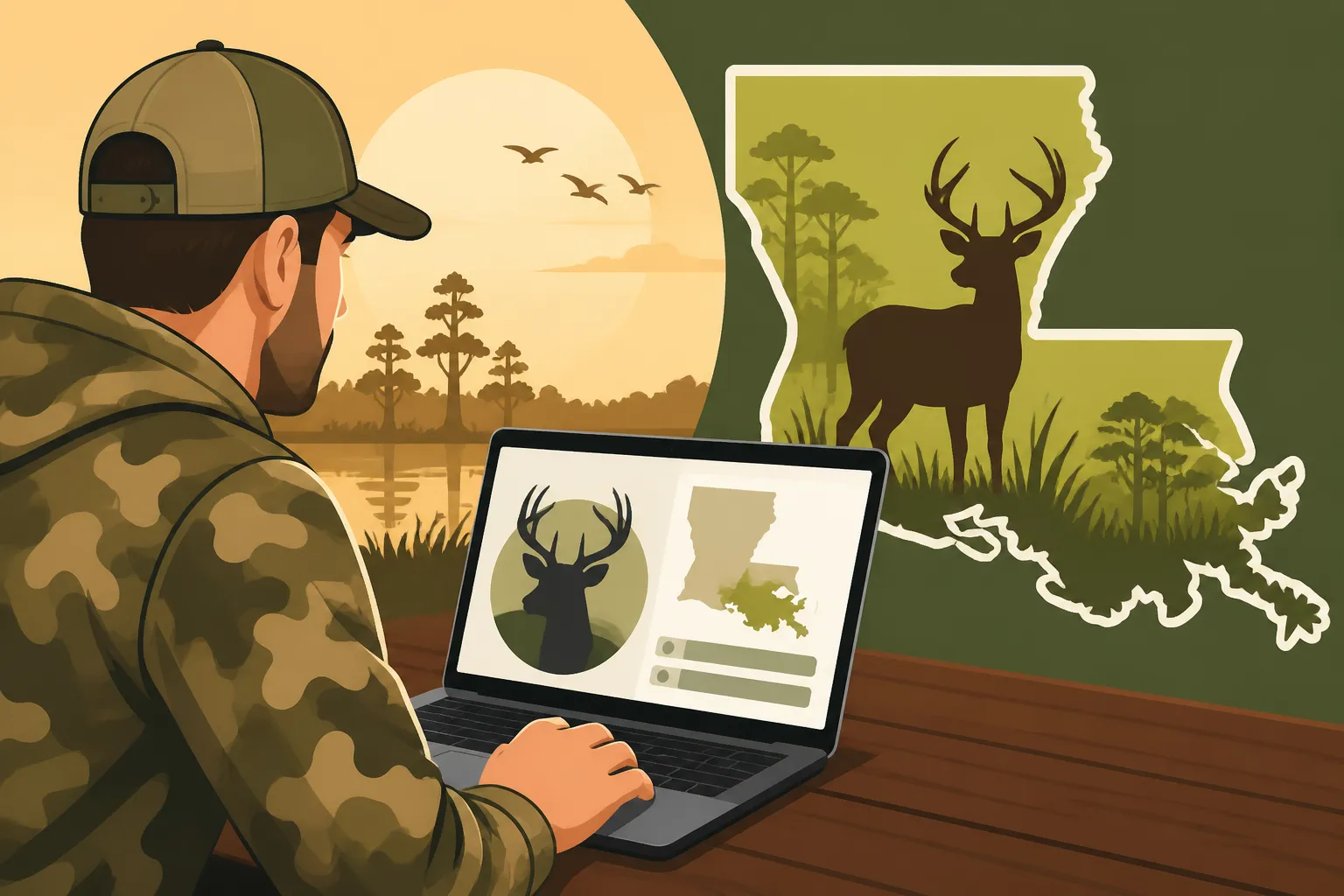
You've just put in the hard work, maybe sat in a stand all morning, endured a tough walk, and finally, you've got a Louisiana whitetail on the ground. The adrenaline is pumping, the photos are taken, and you're ready to get that deer cared for. But then, a little thought creeps in: "Now what? How do I officially check this deer in?" The days of physical check stations are mostly behind us, and sometimes figuring out the digital process can feel like another hurdle. This guide is here to cut through that confusion, walking you through every step of checking your Louisiana deer harvest online quickly and correctly, so you can focus on the memories and the venison.
Why Online Reporting is the Modern Way
Let's be honest, hunting has evolved, and so have the regulations that come with it. Gone are the days when you'd drive your truck, deer draped over the tailgate, to a local general store or bait shop that doubled as a check station. While there was a certain charm to that tradition, it also meant fitting your schedule around someone else's operating hours, sometimes driving out of your way, and dealing with weather-worn paperwork. The shift to online harvest reporting wasn't just about convenience; it was about efficiency, accuracy, and providing our wildlife biologists with the most current data possible to manage our deer herd effectively. It’s certainly a change, and for some, it felt like losing a piece of the hunting ritual, but once you get the hang of it, you’ll appreciate the ease.
The Legal Mandate for Louisiana Hunters
First things first: reporting your deer harvest in Louisiana isn't just a suggestion, it's a legal requirement. Every deer harvested, whether it's a magnificent buck or a management doe, must be reported to the Louisiana Department of Wildlife and Fisheries (LDWF). This isn't just busywork; it's a critical component of wildlife management. Without accurate data, LDWF can't make informed decisions about bag limits, season lengths, or even specific management strategies for different areas. Think about it: if they don't know how many deer are being harvested, they can't properly gauge the health or population density of our deer herd. This requirement is vital, and understanding Louisiana Deer Reporting Requirements is part of being a responsible hunter in our state. Failing to report your harvest can actually lead to penalties, so it's not something to overlook.
Benefits of Digital Submission
The primary benefit of digital submission is sheer convenience. You can report your harvest from your hunting camp, your truck, or even your living room, as long as you have an internet connection and your device. No more scrambling to find a pen that works in freezing temperatures or trying to decipher muddy handwriting. Digital submission also drastically improves the accuracy of the data collected. When you input the information directly, there's less chance of misinterpretation or errors that might occur with handwritten logs. This streamlined process means that LDWF receives real-time data, allowing them to monitor harvest trends much more efficiently than with a paper-based system. Plus, most online systems will give you an immediate confirmation, giving you peace of mind that you've fulfilled your obligation.
Step-by-Step Guide to Reporting Your Deer Online
Alright, let's get down to brass tacks. You've got your deer, and now it's time to report it. The LDWF has made this process fairly straightforward through their online portal, but knowing exactly what you need beforehand can save you a lot of headache and frustration. Nobody wants to be fumbling around in the woods with poor cell service trying to remember a nine-digit number.
Gathering Your Harvest Information
Before you even think about logging in or pulling up the app, take a moment to collect all the necessary information. Trust me, it makes the whole process smoother. Here's a checklist of what you'll need:
- Your Hunter's License Number: This is usually a 10-digit number. It's unique to you and links the harvest to your hunting record. Make sure it's the current year's license.
- Harvest Tag Number: Once you harvest a deer, you immediately validate and attach one of your deer tags to the animal. Each tag has a unique number.
- Date and Time of Harvest: You'll need to input the exact date and, sometimes, the approximate time you took the animal.
- Parish of Harvest: Knowing the specific parish where you harvested the deer is crucial for data collection. This helps LDWF track localized harvest numbers and identify specific population trends across Louisiana Deer Hunting Area by Area.
- Deer Area: Louisiana is divided into ten distinct deer areas, each with its own season dates and regulations. You'll need to know which area your harvest falls into. If you’re unsure, double-check Louisiana's Ten Deer Hunting Areas Explained.
- Sex of the Deer: Was it a buck or a doe? Pretty simple, but vital for population modeling.
- Number of Antler Points (if a buck): For bucks, you'll typically need to count the points on each antler and provide a total. This helps track buck age structure and antler growth rates.
- Type of Weapon Used: Archery (including crossbows), primitive firearm, or modern firearm. This distinction helps biologists understand harvest pressure by weapon type.
- Private or Public Land: You'll need to specify if the deer was harvested on private land or a Wildlife Management Area (WMA) or other public land. If on a WMA, sometimes the specific WMA is required. This data is critical for understanding where harvest pressure is concentrated.
Having this information written down or easily accessible will make the online reporting process a breeze. Don't forget, you can also use resources like Scouting With the LDWF App to help confirm some of these details if you're uncertain about your location or deer area.
Navigating the LDWF Online Portal
Once you have your information ready, it's time to hit the LDWF website. The portal is designed to be user-friendly, but a quick rundown can alleviate any first-time jitters.
- Access the LDWF Website: Go to the official Louisiana Department of Wildlife and Fisheries website. You'll typically find a prominent link or section dedicated to "Harvest Reporting" or "License and Permits."
- Log In or Create an Account: If you already have an account from purchasing your hunting license online (which many of us do these days), you'll log in with your credentials. If not, you may need to create one, linking it to your hunter's license number. This is often where your personal license details, like your Louisiana Resident Hunting License Options or Louisiana Nonresident Hunting License Options, are managed.
- Initiate a New Harvest Report: Look for an option like "Report a Deer Harvest" or "Submit Game Harvest."
- Enter Your Hunter's License Number: This is usually the first step to verify your identity.
- Input Harvest Tag Number: Next, you’ll enter the unique number from the tag you used on the deer.
- Fill in the Details: This is where all that information you gathered comes in handy. Methodically enter the date, time, parish, deer area, sex of the deer, antler points (if applicable), weapon type, and land type (private/public/WMA).
- Review and Submit: Before hitting that final "submit" button, take a moment to double-check everything. One small typo can skew data, and you want to ensure your report is accurate.
- Confirmation: After submission, you should receive a confirmation number. It's a good idea to record this or take a screenshot, just in case there are any questions later. This confirmation serves as your proof of reporting.
Common Pitfalls and How to Avoid Them
Even with a straightforward system, little things can trip you up. Here are some common issues and how to steer clear of them:
- Expired License/Tags: Ensure your hunting license is current and that you're using a valid tag from the current season. Trying to report with an expired license or a tag from a previous year won't work.
- Incorrect Information: Double-checking is key. Accidentally selecting the wrong parish, deer area, or even mistyping your license number can cause issues. Take that extra minute to review before you click submit. Remember the specific zone for Louisiana's Chronic Wasting Disease Zones may also be a factor in some reporting, so knowing your area is critical.
- Poor Internet Connection: If you're out in a remote area with spotty service, try to wait until you have a stable connection. It's incredibly frustrating to fill out a form only to have it fail to submit due to a dropped signal. This is where mobile apps can sometimes be a bit more forgiving with offline data entry that syncs later.
- Forgetting to Report: This sounds simple, but after the excitement of the hunt and the work of Field Dressing a Deer in Warm Weather, it can slip your mind. Make it a habit to report your deer as soon as possible, ideally within 24 hours of harvest, or by The Louisiana Deer Reporting Deadline.
Understanding the Data You Submit
It might seem like a bureaucratic hoop to jump through, but the data you provide when checking your Louisiana deer harvest online is incredibly valuable. It paints a picture for LDWF biologists, allowing them to make informed decisions that benefit both the deer herd and us, the hunters.
How Harvest Data Informs Management Decisions
Every piece of information you submit – the parish, deer area, sex, antler points, and weapon used – contributes to a massive database. LDWF biologists analyze this data to:
- Assess Population Health: By tracking the number of harvested deer, the sex ratio, and the age structure (inferred from antler points), they can get a good idea of how healthy the deer population is in different regions. Are there enough does for reproduction? Are bucks reaching older age classes? This helps monitor the overall health of White-Tailed Deer Across Louisiana.
- Set Season Dates and Bag Limits: If harvest numbers are too high in a certain area, or if fawn recruitment seems low, LDWF might adjust bag limits or season lengths in future years to ensure sustainable hunting. Conversely, if populations are robust, they might increase opportunities.
- Identify Problem Areas: High harvest rates or unusual data in specific parishes can flag areas for further investigation, perhaps for habitat concerns, disease outbreaks, or overpopulation issues that might require additional management intervention.
- Track Trends Over Time: Long-term data collection allows biologists to see trends – are populations growing or declining? Are antler sizes changing? This helps them adapt management strategies over decades, not just year to year. It's all part of Reading a Louisiana Harvest Report that tells the story of our deer.
What Happens After You Report
Once you've successfully submitted your report online and received your confirmation number, you're pretty much in the clear. The tag you physically attached to the deer, along with the digital record, serves as legal proof that your harvest has been properly reported. This means you can proceed with transporting your deer, taking it to a processor, or butchering it yourself, all with the confidence that you've complied with state regulations. There's no need for further action unless you're notified otherwise, or if you're in a specific CWD Management Zone where additional testing might be mandatory, in which case you'll need to know about Handling Venison From a CWD Management Zone.
Beyond the Online Report: Other Important Considerations
While the online system is the go-to, it’s always good to be aware of other options and tools that can make your life as a Louisiana deer hunter easier.
Offline Reporting Options and When to Use Them
For the vast majority of hunters, the online portal or mobile app will be the most convenient way to report. However, there might be rare occasions when online access isn't feasible, or if there's a technical glitch. In these situations, it's wise to know about alternatives. While physical check stations are largely phased out, LDWF does provide phone reporting options. You can usually find the dedicated harvest reporting phone number on their website or in the current year's hunting regulations pamphlet. This is typically a last resort, but it’s there for when technology fails you in the deepest parts of the Kisatchie National Forest or the Atchafalaya Basin. Always confirm these backup methods in the current regulations, as procedures can change.
The Role of Mobile Apps in Modern Reporting
In today's connected world, many hunters rely on their smartphones for everything from mapping to weather forecasts. It's no surprise that mobile apps have become an invaluable tool for harvest reporting, streamlining the process even further. The LDWF often has its own official app, and third-party apps like GoHunt offer comprehensive tools that integrate scouting, land ownership, and sometimes even harvest reporting features.
Using an app like GoHunt, you can often pinpoint your exact location for parish and deer area information, track your hunt, and then seamlessly transition to reporting your harvest. These apps often allow for data entry even without cell service, holding the information until you re-establish a connection and can sync it with the LDWF system. This capability is a game-changer for those who hunt in truly remote areas where traditional cell service is non-existent. Furthermore, many apps tie directly into your license profile, making the input of your hunter's license and tag numbers even quicker. It’s a convenient way to manage all your hunting data in one place, from planning your next hunt to reporting a successful one. Remember, even with a powerful app like GoHunt, always double-check that your report has successfully gone through to the official LDWF system.
Hunting WMA Quota Hunts and Special Reporting
It's also worth noting that if you're lucky enough to draw a tag for a specific Louisiana WMA Quota Hunt Sign-In Process, there might be additional or slightly different reporting requirements. Sometimes, WMAs have their own on-site check stations or specific personnel you need to report to, either in addition to or instead of the general online system. This is especially true for WMAs that have very strict management goals or are conducting specific research. Always read the WMA regulations thoroughly for any special instructions related to harvest reporting before you hunt. It's one of those details that can easily be overlooked, but getting it right ensures the integrity of the WMA's management efforts.
Disclaimer
The information provided in this guide is for general informational purposes only and is subject to change. Hunting regulations are updated periodically by the Louisiana Department of Wildlife and Fisheries (LDWF). Hunters are responsible for consulting the most current official LDWF hunting regulations pamphlet or website before engaging in any hunting activities to ensure full compliance with all state laws and requirements.