Handling Venison From a CWD Management Zone
Harvesting a deer in Louisiana is a cherished tradition, but the recent presence of Chronic Wasting Disease (CWD) in certain parishes has added new anxieties for many hunters. The rules around handling venison, especially from a designated CWD management zone, can feel confusing and overwhelming. This guide is here to help you navigate those regulations, providing clear, practical, and empathetic advice on processing and transporting your harvest to ensure safety for your family and the health of Louisiana's invaluable deer herd.
Understanding Chronic Wasting Disease (CWD) in Louisiana
The arrival of CWD in Louisiana has been a significant concern for wildlife managers and hunters alike. It’s a serious issue, and understanding what it is and how it impacts our deer is the first step toward responsible hunting.
What CWD Is and Why It Matters to Hunters
Chronic Wasting Disease is a fatal, neurological disease affecting cervids, which include deer, elk, and moose. It's caused by abnormal proteins called prions that slowly accumulate in the brain and other tissues. These prions lead to degeneration of the brain, ultimately resulting in emaciation, abnormal behavior, loss of bodily functions, and eventually death. There's no cure, and once an animal is infected, it's a grim prognosis. For hunters, this isn't just a scientific curiosity; it directly impacts the health of the herd we love to pursue. Discovering a CWD-positive deer in an area where you hunt can be heartbreaking, and the thought of its potential spread is a heavy burden. While there's currently no evidence of CWD transmitting to humans, health organizations like the Centers for Disease Control and Prevention (CDC) advise extreme caution and recommend against consuming meat from CWD-positive animals. This is why careful handling of venison, especially in affected areas, is paramount. The Louisiana Department of Wildlife and Fisheries (LDWF) takes this threat seriously, especially since cases have been confirmed in parishes like Tensas, Madison, Concordia, Morehouse, and Ouachita. These detections trigger specific responses and management protocols to try and contain the disease. For a deeper dive into the specific impacts, you can read more about Louisiana's Chronic Wasting Disease Zones.
Identifying Louisiana's CWD Management Zones
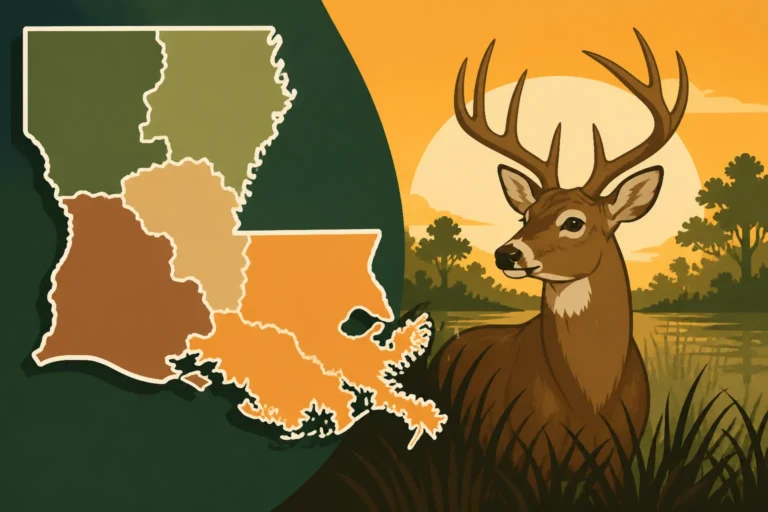
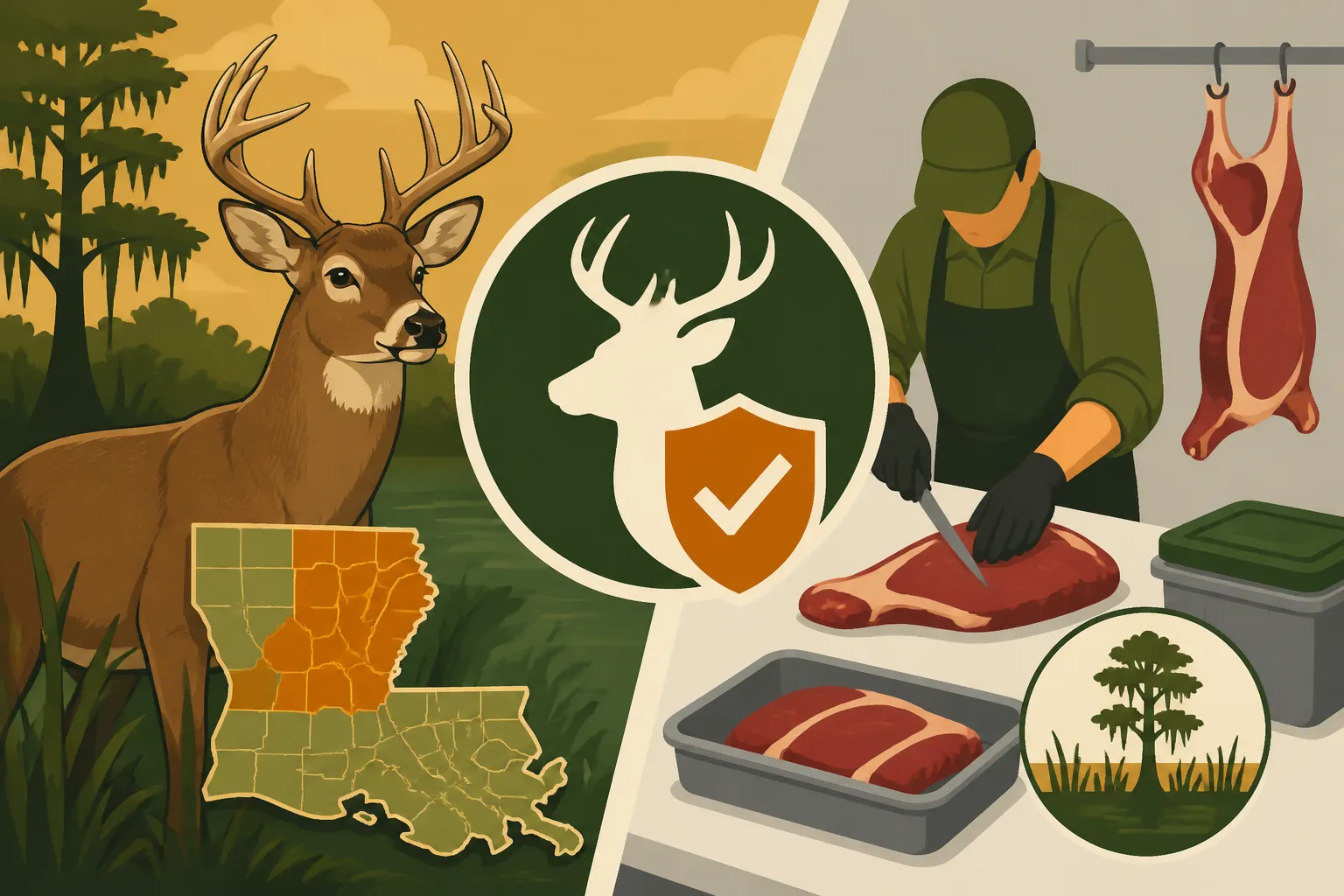
When CWD is detected in a wild deer, the LDWF quickly establishes CWD Management Zones to contain and monitor the disease. These zones aren't just arbitrary lines on a map; they're strategically drawn to encompass the immediate area of a confirmed case and a surrounding buffer where the risk of transmission is higher. You'll typically encounter two types: an Enhanced Mitigation Zone (EMZ) and a Buffer Zone. The EMZ is the core area, usually a 15-mile radius around the positive detection, where the most stringent rules apply. The Buffer Zone extends beyond that, with slightly less restrictive but still important regulations. Knowing precisely where these zones begin and end is absolutely critical for any hunter heading afield in affected parishes. Ignorance of these boundaries is no excuse for non-compliance, and the penalties can be steep. Thankfully, the LDWF provides detailed maps and information online. Tools like the LDWF app or even third-party mapping solutions such as GoHunt can be incredibly useful for pinpointing exactly where these zones begin and end, sometimes even overlaying them onto property lines and public lands like the Tensas River National Wildlife Refuge Hunting areas. Always double-check the current boundaries before each hunt, as they can be updated based on new detections.
Mandatory Rules for Venison Handling in CWD Zones
Once you've successfully harvested a deer within one of Louisiana's CWD Management Zones, the rules shift from general hunting regulations to specific CWD protocols designed to prevent the further spread of the disease. These aren't suggestions; they are mandatory for a reason.
Carcass Movement Restrictions
Imagine you've just taken a nice buck just inside the boundary of an Enhanced Mitigation Zone, perhaps in Tensas Parish. Your first instinct might be to load the whole animal in the truck and head straight home to your processor outside the zone. However, that's precisely what the regulations aim to prevent. The biggest change you'll encounter is strict Louisiana Carcass Movement Restrictions. You cannot, under any circumstances, transport a whole deer carcass or certain high-risk parts (like the brain, spinal cord, eyes, spleen, and lymph nodes) out of a CWD Management Zone. This is because these tissues are where CWD prions are most concentrated. The good news is that deboned meat, skull plates with antlers (cleaned of all brain tissue and attached tissue), clean antlers, and hides are generally permissible. But it’s a meticulous process. This means a significant amount of field dressing and deboning needs to happen before you leave the zone, or at an approved facility within it. It’s a hassle, yes, especially after a long hunt, but it’s a necessary step to protect our state’s deer from this devastating disease. Always be prepared with the right tools for field processing if you plan to hunt in these areas.
Mandatory Testing and Reporting
Another critical regulation, particularly within an Enhanced Mitigation Zone, is the mandatory testing of harvested deer. This isn't just for peace of mind; it's a vital part of the LDWF's surveillance efforts to track the disease. When you harvest a deer in one of these zones, you're required to submit a sample for testing. The process for Louisiana CWD Testing for Hunters typically involves dropping off the deer's head, or a specific tissue sample, at an official LDWF sampling station or an authorized self-serve drop-off location. These locations are usually well-marked and often found in bait shops, convenient stores, or WMA offices within or near the CWD zones. You'll need to provide your hunting license information and the location of your harvest. While you wait for results, the LDWF advises against consuming the meat. This waiting period can be frustrating, especially if you're eager to get your venison into the freezer. However, it's a small price to pay for ensuring the safety of your food and contributing to the overall health of the deer population. Always comply with the Louisiana Deer Reporting Requirements by checking your harvest online or via the app, as this data is crucial for wildlife management.
Here's a quick reference for carcass movement:
| Permissible to Move Out of CWD Zone | Not Permissible to Move Out of CWD Zone |
|---|---|
| Deboned meat (boneless portions) | Whole carcass (without official approval) |
| Cleaned skull plates with antlers | Intact skull (with brain material) |
| Clean antlers (no tissue attached) | Spinal column or head |
| Hides (tanned or raw, no head attached) | Spleen or lymph nodes |
| Quartered meat (without bone in EMZ) | Brain or eyes |
| Finished taxidermy mounts | Any part with central nervous system tissue |
Best Practices for Processing Your Harvest
Processing a deer after a successful hunt is already a labor of love, but when CWD is a concern, it requires extra diligence and specific practices to minimize risk.
Field Dressing Safely
The moment of truth arrives after the shot. When field dressing a deer in a CWD zone, safety and caution are paramount. Always wear disposable gloves, and if possible, eye protection. The goal is to minimize contact with and spillage of fluids and tissues that could contain prions, particularly the brain, spinal cord, and lymph nodes. While you're primarily concerned with removing the internal organs, avoid cutting into the spinal column or brain if possible. If you need to quarter the animal in the field, use clean knives and wipe down tools with a disinfectant wipe between uses. Remember, the prions are incredibly resilient and can stick to surfaces. If you are quartering the deer, you'll want to separate the meat from the bone as much as possible right there. Proper disposal of the remains is just as critical. All high-risk parts (head, spinal column, organs) should be disposed of within the CWD zone, ideally buried deeply or placed in an approved landfill. Never leave these parts exposed where scavengers might spread them. For general guidance on the process, check out our guide on Field Dressing a Deer in Warm Weather, which shares many applicable tips for cleanliness and speed, even when CWD isn't the primary concern.
Deboning and Transporting Meat
The term "deboned meat" isn't just a suggestion; it's a legal requirement for transporting venison out of a CWD zone. This means meticulously removing all muscle tissue from the bone. Take your time and be thorough. Use sharp knives and work carefully to ensure no bone fragments, spinal cord material, or visible lymph nodes remain attached to the meat. The lymph nodes, especially, are known to harbor CWD prions, so removing them is crucial. These small, bean-shaped glands are typically found in the neck, groin, and along the spine. Once deboned, package the meat securely in sturdy, leak-proof bags or containers. Label everything clearly with the date of harvest and the zone it came from. This organized approach not only helps you keep track but also demonstrates your compliance if you're ever stopped for inspection. It’s a bit more work in the field or at a temporary processing station, but it’s absolutely essential for preventing the spread of CWD. For antlers, if you plan to keep them, they must be completely free of any brain tissue or other attached biological material. A good scrubbing with soap and water, followed by a bleach solution, is recommended for cleaning skull plates.
Home Processing and Butcher Options
If you choose to process your deer at home after transport, maintaining strict sanitation is key. Dedicate a specific set of tools for processing wild game, and after each use, thoroughly clean and sanitize them with a bleach solution (1 part bleach to 9 parts water). Consider using disposable cutting surfaces or sanitizing your permanent ones meticulously. Remember, CWD prions are not easily destroyed by typical cleaning methods, so extreme care is warranted. If you opt for a commercial butcher, ensure they are aware that your deer came from a CWD management zone. Reputable processors in or near these zones will have protocols in place for handling such deer, including designated processing areas and disposal methods for high-risk materials. Don't be shy about asking them about their CWD procedures; a good processor will appreciate your diligence. Many hunters develop traditions around Butchering a Deer at Camp, and while CWD adds a layer of complexity, those traditions can continue with proper precautions and adherence to the guidelines.
What to Do After the Test Results Come In
The wait for CWD test results can feel like an eternity, a mix of hope and apprehension. Once those results arrive, knowing exactly what steps to take next is crucial.
Negative Test Results
Receiving a negative CWD test result for your harvested deer is a huge relief, allowing you to move forward with confidence. When the LDWF informs you that your deer has tested negative for CWD, it means the sample showed no evidence of the disease-causing prions. At this point, the venison is considered safe for consumption, just like any other deer harvested outside a CWD zone. You can proceed with preparing, cooking, and freezing your meat as you normally would. It’s a moment to celebrate a successful hunt and enjoy the fruits of your labor without added worry. This is also a good time to reflect on the importance of your cooperation with the CWD testing program. Every hunter who submits a sample, regardless of the outcome, contributes valuable data to the LDWF's ongoing efforts to monitor and manage the disease across Louisiana. This collective effort is what helps protect the overall health of our deer population.
Positive Test Results
While no one wants to hear it, occasionally, a CWD test will come back positive. This can be incredibly disappointing, even heartbreaking, after the effort of a hunt. It's tough to face the reality that the venison you worked so hard for cannot be consumed. However, if your deer tests positive for CWD, it is imperative that you do not consume the meat. The LDWF will contact you directly with instructions on how to proceed. Generally, the guidance is to dispose of all venison from that animal. This means double-bagging the meat and taking it to an approved landfill for proper disposal. Do not discard it in your regular household trash, and absolutely do not bury it on your property or leave it exposed in the wild, as this could contribute to the environmental spread of prions. It's a difficult situation, and the frustration is completely understandable, but adhering to these guidelines is a critical responsibility we bear as hunters for the sake of our deer herd and public health. This situation underscores why proactive steps like Reporting a Sick Animal in Louisiana if you observe any unusual behavior, and participating in Louisiana Wildlife Disease Monitoring programs, are so important for safeguarding our natural resources.
Disclaimer
The information provided in this guide is for informational purposes only and is subject to change. Always consult the most current regulations and advisories from the Louisiana Department of Wildlife and Fisheries (LDWF) before hunting or processing game in Louisiana. Adherence to all state and federal laws is the responsibility of the hunter.