Run-and-Gun Turkey Tactics on Public Land
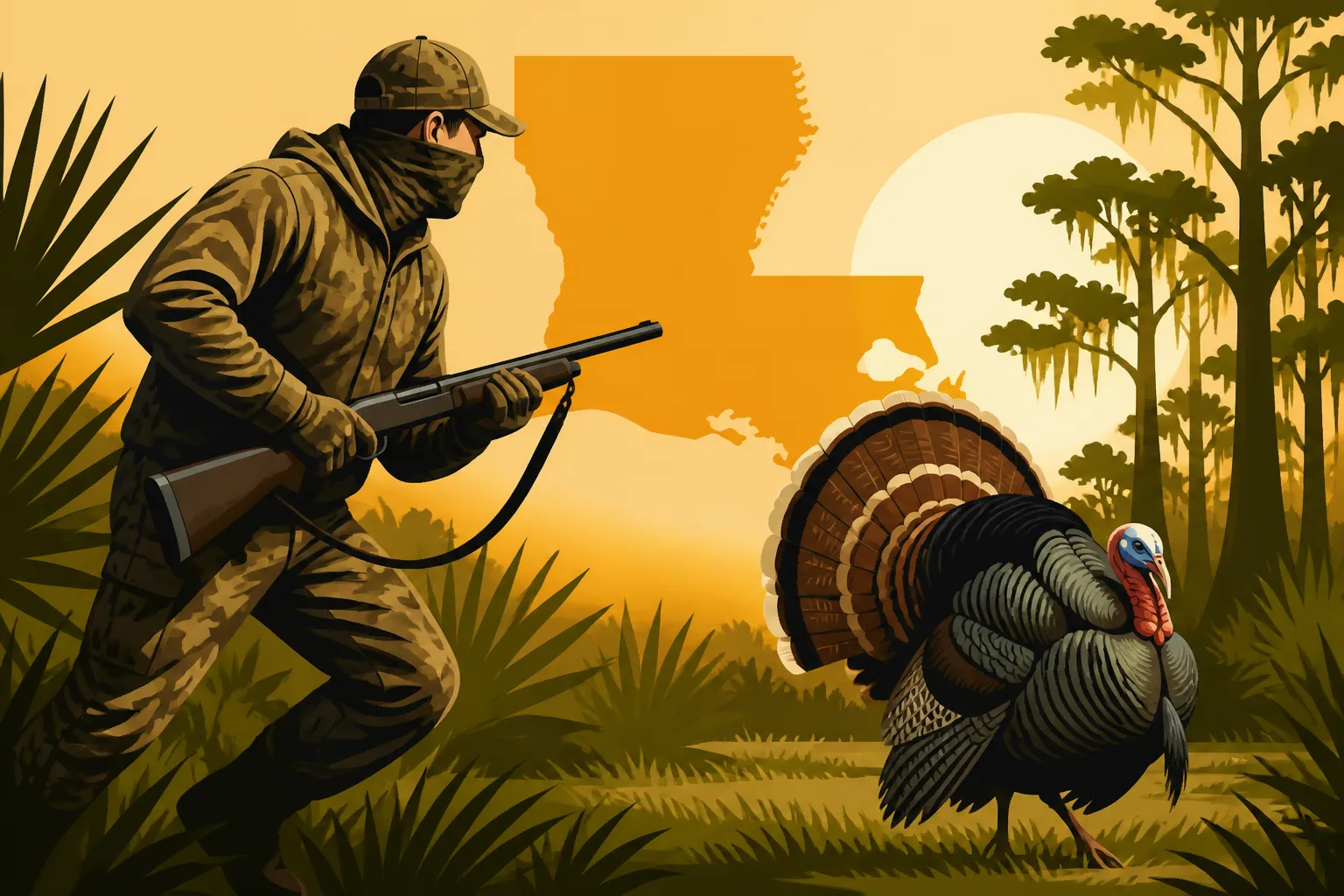
Chasing gobblers on Louisiana's public lands can feel like trying to catch smoke, especially when those wily longbeards have heard every truck door slam and every caller in the parish. You've walked miles, set up, called your heart out, and heard nothing but the buzz of mosquitoes. It's frustrating when traditional sit-and-wait tactics fall flat, but this comprehensive guide is here to equip you with the dynamic, high-mobility strategy of run-and-gun turkey hunting, giving you the edge you need to locate and harvest those elusive public land birds.
Why Run-and-Gun on Public Land Makes All the Difference
Louisiana's public hunting lands, from the vast expanses of Kisatchie National Forest to the various Wildlife Management Areas (WMAs), offer incredible opportunities but come with their own set of challenges. Unlike private leases where you might have intimate knowledge of a bird's routine, public land often means navigating unfamiliar territory and dealing with significant hunter pressure. This is precisely why the run-and-gun approach isn't just a tactic; it's often a necessity for consistent success. You can't just sit and hope a gobbler wanders by when he's being pressured from every direction.
Overcoming Hunter Pressure and Silence
Public land gobblers become educated quickly. They hear repetitive calls, see countless hunters, and learn to shut down or move silently. When birds go quiet, or simply aren't responding to calls from a stationary position, staying put means you're just wasting valuable hunting time. The run-and-gun method allows you to actively seek out birds that might be reluctant to travel far or call loudly. Instead of waiting for a bird to come to your setup, you're constantly pushing the envelope, covering new ground, and increasing your chances of stumbling upon a less-pressured gobbler or one willing to answer a quick, strategic call. This dynamic movement helps you avoid areas that might be overhunted and get into quieter pockets where birds feel more secure. It’s about being proactive rather than reactive, especially when the woods seem dead silent.
Covering Ground Efficiently and Locating Birds
The sheer size of public hunting areas in Louisiana means you've got a lot of ground to cover. Whether you're in a bottomland hardwood forest or scouting the Piney Hills Versus Basin Deer, turkeys can be spread out, and their travel patterns on public land are rarely predictable. Run-and-gun is all about maximizing your footprint. You move, you make a few strategic calls, you listen intently, and if nothing answers, you move again. This isn't aimless wandering; it's a systematic sweep designed to put your ears and calls in front of as many potential gobblers as possible. It's about efficiently eliminating dead zones and quickly finding areas where birds are active. You might walk a mile, stop, call for five minutes, and if there's no response, move another half-mile. This continuous movement, coupled with careful listening, significantly increases the odds of locating a bird that would otherwise remain undetected.
Essential Gear for the Mobile Turkey Hunter
When you're constantly on the move, every ounce matters. Your gear needs to be streamlined, functional, and minimal to ensure you can cover ground quietly and efficiently without feeling bogged down. Think about what you absolutely need to locate, call, and harvest a bird, and leave the rest at home. The goal is to be light, agile, and ready to set up at a moment's notice.
Lightweight Setup for Mobility
Forget the cumbersome turkey vests overflowing with calls you might never use. For a true run-and-gun approach, less is definitely more. A small, comfortable backpack or even a fanny pack is often sufficient to carry your essentials. You'll want to prioritize comfort and ease of access. Opt for friction calls like a slate or diaphragm calls that can be operated hands-free or with minimal movement. A compact decoy or two, if you choose to carry them, should be easily collapsible and lightweight. Your shotgun should be comfortable to carry for extended periods. Consider a sling that keeps the weight distributed well. The less you have flopping around or weighing you down, the quieter and faster you can move, and the less fatigued you'll be when that gobbler finally sounds off a mile away. Remember, the key is to be able to drop everything and melt into the cover the second a bird answers.
Optics and Mapping Tools
Even when moving constantly, situational awareness is paramount. A good pair of binoculars (8x or 10x magnification) can be invaluable for spotting distant birds or identifying suitable setups from afar, especially when Scouting Louisiana Public Land Before Season. You don't want to walk into a situation blindly if you can glass it first. More critically, precise navigation and understanding land boundaries are non-negotiable on public land. Mapping applications like GoHunt, along with the official LDWF app, become your best friends. They allow you to:
- Pinpoint your exact location: Crucial for staying within public land boundaries and knowing where you are in relation to roads or other hunters.
- Identify property lines: Avoid accidental trespassing onto private land.
- Mark potential roosting or feeding areas: Use satellite imagery to identify mature timber, field edges, or creek bottoms.
- Track your movement: Review your path after the hunt to understand which areas you've covered and which you haven't.
Before heading out, download offline maps to your device, as cell service can be spotty in many remote parts of Louisiana, particularly in areas like the Atchafalaya Basin. This proactive use of technology, combined with traditional map and compass skills as a backup, will keep you safe and legal while maximizing your hunting efficiency. Using these tools to identify areas where Hunting Pressure on Louisiana Public Land might be lower can lead to more successful encounters with less wary birds.
Strategic Calling Arsenal
While run-and-gun means you're not typically "calling a stand," you still need a concise yet versatile calling arsenal. The goal isn't to carry every call you own, but rather a selection that allows you to mimic various turkey sounds and adapt to different scenarios.
Here's a breakdown of what you might carry:
| Call Type | Purpose | Best Use Case | Notes |
|---|---|---|---|
| Diaphragm Call | Versatile, hands-free, wide range of sounds. | Soft yelps, clucks, purrs; aggressive cuts and cackles. | Essential for calling with gun shouldered. Practice to master. |
| Slate/Pot Call | Realistic, easy to operate, good volume control. | General yelps, clucks, purrs; soft tree yelps. | Great for realistic hen sounds. Use a conditioned strike surface. |
| Locator Call | Prompt gobblers to shock-gobble without alerting them to a hen. | Owl hoot, crow call, coyote howl. | Use sparingly, especially early morning or late evening. |
| Mouth Yelper | Hands-free, good for soft calls. | Soft yelps and purrs, close-in calling. | Good alternative to diaphragm for some hunters, but limited range. |
Focus on one or two friction calls (a slate call is a common favorite for its realistic tones and ease of use) and a couple of diaphragm calls that you've mastered. You'll also want at least one reliable locator call, like an owl hooter or a crow call, to prompt those silent gobblers into revealing their location without giving away your exact position as a potential hen. The beauty of the run-and-gun is that you're often covering ground and using locator calls more frequently to find birds, rather than trying to sweet-talk them from a stationary blind. Being able to quickly switch between a soft purr and an aggressive cut can make all the difference when you're trying to provoke a response from a distant bird.
Mastering the Art of Calling on the Move
Calling during a run-and-gun hunt is a delicate balance. You're not looking to hold a lengthy conversation with a bird; you're trying to locate one, get a quick response, and then move to an advantageous position. It's about efficiency and understanding when to be loud, when to be subtle, and when to be completely silent.
Soft Calls Versus Aggressive Cuts
When you're moving through public land, your calling strategy needs to adapt constantly. Often, you'll start with louder, more aggressive calls when you're covering ground, trying to elicit a shock gobble from a distant bird. Sharp yelps, cutting, and cackles on a slate or diaphragm call can reach farther and provoke a response. However, the moment a bird answers, your approach needs to shift dramatically. As you move closer, or once you've set up, switch to softer, more subtle calls. Light clucks, purrs, and soft tree yelps are excellent for luring in a gobbler that's already shown interest.
A good tactic is to make a few loud, aggressive calls, then pause for several minutes, listening intently for a response. If nothing, move 150-200 yards and repeat. If a bird does gobble, immediately change your movement and calling strategy. You've located him, now the hunt begins in earnest. Overcalling, especially with aggressive cuts, can quickly educate a public land bird or make him shy away. Knowing when to dial it up and when to whisper is a critical skill for the mobile turkey hunter.
Setting Up After a Call and Listening Intently
This is where the "run" transitions to the "gun." The moment you hear a gobble in response to your calls, or even just a distant natural gobble, your objective changes from covering ground to getting into position. This often means quickly finding a natural blind, like a wide tree, a thick bush, or a rise in the terrain that offers concealment and a clear shot lane. Prioritize safety: ensure you have a solid backdrop and know where other hunters might be.
Once you're set up, stop calling for a few minutes and listen. Pay attention to the direction and cadence of the gobble. Is he moving towards you? Moving away? Is he "hung up" and needs more coaxing? This initial silence after a response is crucial for gathering information. Only after listening should you attempt a few soft, reassuring calls. Remember, you moved to him; now he thinks he's found the hen. Don't blow your cover by overcalling or making unnecessary movements. You've likely only got a short window to make your move once he's committed. For insights on drawing a gobbler in, consider tactics found in Calling a Louisiana Gobbler Off the Roost.
Locating Gobblers with Stealth and Calls
Beyond traditional yelps and clucks, locator calls are invaluable for the run-and-gun hunter, especially on public land where birds might be wary of direct hen calls. An owl hooter, crow call, or even a coyote howl can often provoke a shock gobble from a silent bird without making him think you're a hen he needs to come to. This gives you his location without tipping him off to your exact intentions.
When using locator calls, consider your surroundings. Sound travels differently in dense bottomland compared to open pine forests. In the vastness of the Atchafalaya Basin Swamp Deer country, sound can carry and echo, so understanding wind direction and terrain features is important. Make your locator call, then be absolutely silent and listen for several minutes. A gobble might come immediately, or it might be delayed. Sometimes, another hunter might also use a locator call, so always be aware of your surroundings. Using a high-quality mapping app like GoHunt can help you identify elevated terrain or open areas where sound might travel further, making your locator calls more effective.
Reading the Terrain for Elusive Gobblers
Successful run-and-gun hunting isn't just about covering ground; it's about covering the right ground. This means understanding turkey habitat in Louisiana and being able to quickly identify areas where gobblers are likely to be, even if they aren't gobbling their heads off. Public land often presents diverse landscapes, from river bottoms to pine uplands, and each offers different clues.
Identifying Key Roosting and Feeding Areas
Turkeys are creatures of habit, particularly concerning their roosting and feeding patterns. On public land, look for signs of mature, large trees, especially pines or hardwoods like oaks and cypress, often near water sources such as creeks, sloughs, or riverbeds. These trees provide security from ground predators at night. Before daylight, quietly slip into these areas or within earshot, using an owl hooter to try and locate a bird on the roost. This is an excellent way to start your day, as the birds are often most vocal just before fly-down.
During the day, focus your attention on areas with good food sources. Turkeys are always looking for insects, seeds, and mast crops. In Louisiana, this could mean open hardwood bottoms full of acorns, chufa patches, or even the edges of agricultural fields adjacent to public land. Creek bottoms and drains often serve as travel corridors and provide diverse insect life. Don't overlook recently timbered areas, as new growth can attract insects and provide great cover. Consulting your GoHunt maps or LDWF public land maps can help identify these habitat types and Where Louisiana Gobblers Roost.
Interpreting Subtle Turkey Sign
Since public land gobblers can be tight-lipped, you'll need to become a detective, constantly looking for subtle clues that indicate turkey presence. Fresh tracks in soft dirt, dusting bowls (shallow depressions where birds clean their feathers), scattered droppings (J-shaped for gobblers, blob-shaped for hens), and shed feathers are all indicators that birds are in the area. Look for these signs along logging roads, creek banks, and natural travel corridors.
Pay close attention to scratchings in the leaf litter, especially under oak or pecan trees. Fresh scratchings, where leaves have been raked back to expose the soil, are a clear sign that turkeys have been feeding. If you find multiple signs clustered together, you've hit a high-activity area, and it's worth slowing down your pace and calling more frequently. Even if you don't hear a gobble, finding fresh sign tells you you're in the right neighborhood, and a run-and-gun approach here might turn up a silent bird. You might even find indications of where Scrape Lines Along a Logging Road are, providing more clues.
Using Topography to Your Advantage
Louisiana's topography, while often subtle, can be a game-changer for the run-and-gun hunter. Identifying and utilizing natural features like ridges, draws, creek beds, and subtle elevation changes can help you move more effectively, conceal your approach, and even influence how a gobbler responds to your calls. For example, a gobbler might prefer to strut along a subtle ridge line, offering good visibility and acoustic advantage. Using aerial photos in GoHunt, similar to Reading Aerial Photos for Central Louisiana Deer, can help you identify these features before you even step foot in the woods.
When approaching a suspected gobbler location, try to use terrain to break up your silhouette. Stay in draws or behind rises until you're ready to set up and call. This minimizes your visibility and allows for a more stealthy approach. Furthermore, understanding how sound travels over terrain is vital. A gobble might sound closer than it is if you're in a valley, or farther away if it's muffled by a ridge. Learning to interpret these nuances will improve your ability to pinpoint a bird's exact location and make a more precise move, increasing your chances of success.
Situational Awareness and Safety on Public Land
Hunting public land is a shared experience, and ensuring safety for yourself and others is paramount. When you're constantly moving with a run-and-gun strategy, you need to be even more vigilant about your surroundings. This includes not just knowing where other hunters are, but also being visible and respecting shared spaces.
Hunter Orange and Increased Visibility
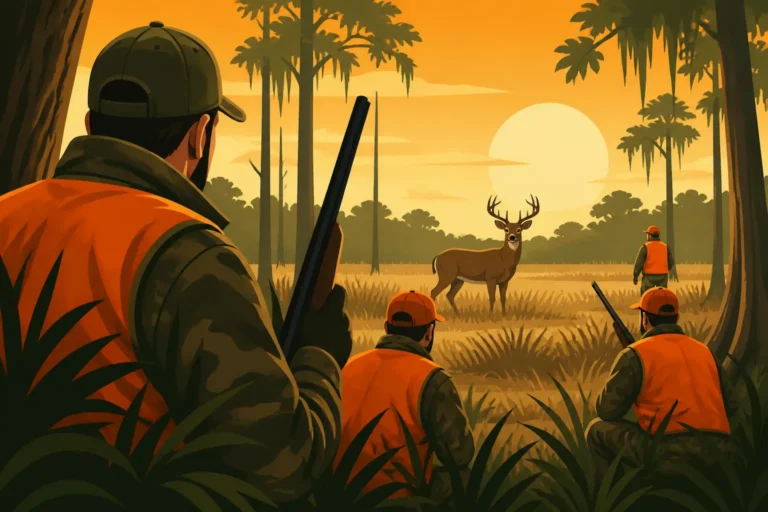
While Louisiana's turkey hunting regulations typically don't mandate hunter orange during the turkey season, it's a wise choice, especially when actively moving through public land. When you're making quick moves between calling locations, you're more likely to encounter other hunters who might be less mobile. Wearing an orange vest or cap, particularly when changing locations, significantly increases your visibility to other people in the woods and can prevent mistaken identity accidents.
Once you've located a bird and are setting up to call, you can discreetly remove or cover your orange. However, when you're actively "running" between spots, prioritize safety over absolute stealth. It’s far better to be seen by another hunter than to blend in so well that you become a target. Always keep your guard up and assume there might be other people in any given area, especially on weekends or during the early Why Louisiana's Gun Opener Draws the Biggest Crowds or turkey season.
Ethical Spacing and Respect for Other Hunters
Public land means shared resources, and that includes the turkeys. It's inevitable that you'll encounter other hunters, especially in popular WMAs. When you do, respect is key. If you pull into a parking area and see multiple vehicles, consider moving to a less-pressured area or walking a significant distance before you start calling. If you hear another hunter actively working a bird, give them a wide berth. There's nothing more frustrating than having another hunter move in on a gobbler you've been working diligently.
A good rule of thumb is to give other hunters ample space – at least a quarter-mile, preferably more, especially if they're actively calling. If you accidentally stumble upon another hunter's setup, acknowledge them, apologize, and quietly back out of the area. We're all out there for the same reason, and fostering a community of respectful hunters makes the experience better for everyone. Sometimes, Finding Ground Others Walk Past means literally going where others won't, or going much deeper into the public land.
Handling Encounters and Communicating
Encounters with other hunters on public land are bound to happen, and how you handle them can set the tone for the rest of your hunt. If you see another hunter, make eye contact, offer a friendly greeting, and if appropriate, a brief, low-volume chat. Simple communication can often prevent misunderstandings. You might share information about areas you've covered or ask if they've heard any activity, but always avoid giving away specific locations of birds you're actively working.
Should a conflict arise, always remain calm and courteous. Remember that tensions can run high when you're passionate about hunting, but safety and civility should always prevail. If an area seems too crowded or you feel unsafe, it's always best to pack up and find a new spot. There's plenty of public land in Louisiana, and your safety and enjoyment are more important than any single gobbler. Knowing the Louisiana Public Land Hunting Hours can also help manage expectations regarding when you might encounter others.
Post-Hunt Strategy and Adaptation
The hunt doesn't truly end when you punch your tag or head back to the truck empty-handed. Every outing, especially a run-and-gun turkey hunt on public land, offers valuable lessons. Taking the time to reflect, adapt, and plan for future hunts is crucial for continuous improvement and long-term success.
Reflecting on the Hunt and Analyzing Data
After each hunt, take a moment to mentally (or physically, in a hunting journal) review your experience. What worked well? What didn't? Think about:
- Time of day: Were birds more active early morning, mid-day, or late afternoon?
- Weather conditions: Did rain, wind, or temperature affect bird behavior or calling effectiveness?
- Terrain: Did birds prefer certain types of cover or topography?
- Calling: Which calls worked best? Was your volume appropriate?
- Movement: Did you cover enough ground? Did you move too fast or too slow?
- Hunter pressure: Did you encounter other hunters? How did it impact the birds?
Review your GoHunt app or other mapping tools to see the routes you took, where you heard gobblers, and where you found sign. This "data" is invaluable for pattern recognition and refining your strategy for future hunts. This is also an excellent time to think about When Louisiana Gobblers Go Quiet in Late April or other seasonal behaviors you observed.
Adapting to Changing Conditions
Turkey hunting is rarely static. Conditions can change rapidly, from weather fronts moving in to increased hunting pressure over successive weekends. A successful run-and-gun hunter is always ready to adapt. If birds were vocal last week but are silent today, consider changing your calling approach or focusing more on covering ground and using locator calls. If the weather turns wet and windy, birds might seek more sheltered areas, and your approach should reflect that.
Adaptation also means being flexible with your hunting areas. If your primary public land spot is getting too much pressure, be ready to move to a secondary location. Having multiple backup plans and scouting alternative spots, even virtually using GoHunt, will prevent you from being stuck without options when conditions aren't ideal. The ability to pivot your strategy on the fly is a hallmark of an experienced public land turkey hunter.
Scouting for Next Time
Even if you didn't harvest a bird, the hunt provided critical scouting information. Make notes (either in your head or in your mapping app) about anything significant you observed:
- Areas with fresh turkey sign (tracks, droppings, scratchings).
- Potential roosting sites (large mature trees near water).
- Food sources (acorn flats, chufa patches, insect-rich areas).
- Natural travel corridors (creek bottoms, logging roads, ridge lines).
- Areas that seemed less pressured or harder to access, making them prime candidates for future hunts.
The run-and-gun method inherently involves a lot of "in-season scouting." Every step you take, every call you make, and every observation you record helps build a more complete picture of the turkey population and their habits in that particular public land tract. This continuous learning process, much like Shed Hunting on Louisiana Public Land, pays dividends season after season, turning every outing into a productive scouting mission that fuels future success.
Disclaimer
Hunting is an inherently dangerous activity. This guide provides information for educational purposes only. Always consult and strictly adhere to the latest hunting regulations, seasons, and licensing requirements set forth by the Louisiana Department of Wildlife and Fisheries (LDWF). Prioritize safety by wearing appropriate gear, understanding your surroundings, and ensuring ethical hunting practices at all times. The author and publisher are not responsible for any accidents, injuries, or legal issues that may arise from the use of this information.