Where Louisiana Gobblers Roost
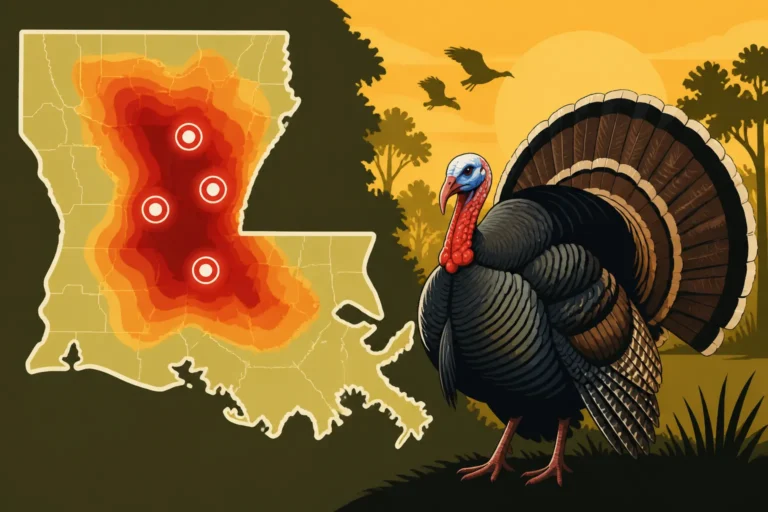
If you've spent any time chasing longbeards in Louisiana, you know the frustration of striking out on a morning hunt because you just couldn't pinpoint where those gobblers spent the night. Knowing where Louisiana gobblers roost is half the battle, giving you a critical advantage in setting up quietly, predicting their fly-down, and ultimately, getting a shot at one of those elusive birds. This comprehensive guide will break down everything you need to know about understanding, finding, and leveraging turkey roosting habits for more successful spring hunts.
Why Louisiana Gobblers Choose Their Nighttime Roosts
Turkeys aren't just picking a random branch to sleep on; their roosting choices are deeply ingrained survival strategies. They're looking for security, convenience, and often, companionship. Understanding these motivations is the first step to figuring out where they'll be.
Safety in Elevation
The primary driver behind a turkey's roosting choice is safety from ground predators. Imagine being a big, clumsy bird on the forest floor at night – you're an easy meal for anything with teeth and a good sense of smell. By flying up into tall trees, gobblers, hens, and jakes alike gain a significant advantage.
They get above the reach of common Louisiana predators like coyotes, bobcats, and even feral hogs that might roam the bottomlands. From their perch, they can spot danger approaching from a distance, and the act of flying up is a natural deterrent, making them harder to ambush. This elevation also helps them avoid nighttime aerial predators like great horned owls, which, while capable of preying on turkeys, find it more challenging when the birds are high in dense canopy, rather than exposed on the ground. It’s all about minimizing risk during their most vulnerable hours.
Proximity to Resources
While safety is paramount, turkeys aren't going to fly miles out of their way to find a roost tree if there's a perfectly good, safe option closer to where they want to be in the morning. They often pick roosts that are conveniently located near key resources they'll want to access immediately after fly-down.
This means looking for trees close to prime feeding areas like oak flats with acorns, agricultural fields, or areas rich in insects. Water sources, like creeks, sloughs, or ponds, are also attractive, as turkeys will often hit water soon after leaving the roost. And, of course, a gobbler wants to be near potential strutting zones—open areas where he can put on a show for any nearby hens. If you can find a roost that offers both safety and immediate access to food, water, and strutting ground, you've hit the jackpot. This strategic thinking helps reduce their energy expenditure and keeps them focused on the business of feeding and breeding.
Social Dynamics and Communal Roosting
Turkeys are social animals, and this gregarious nature extends to their roosting habits. It’s not uncommon to find multiple birds, sometimes an entire flock of hens, jakes, and gobblers, using the same group of trees for roosting. This communal roosting offers several benefits.
More eyes mean more chances of spotting a predator, increasing the collective security of the group. For gobblers, roosting communally also makes it easier to locate hens in the morning, especially during the breeding season. You’ll often hear soft clucking and tree yelps from roosted birds just before fly-down as they communicate with each other. This social aspect can be a huge advantage for hunters, as a single gobble from one bird can quickly get the entire flock vocal, revealing their location. Understanding these social cues and patterns is crucial for planning your approach when you're Roost Hunting Louisiana Gobblers.
Identifying Key Roosting Habitat Features
Okay, so we know why they roost where they do. Now, let’s talk about the where. Louisiana offers a diverse range of habitats, and turkeys adapt their roosting choices to what's available.
Preferred Tree Species
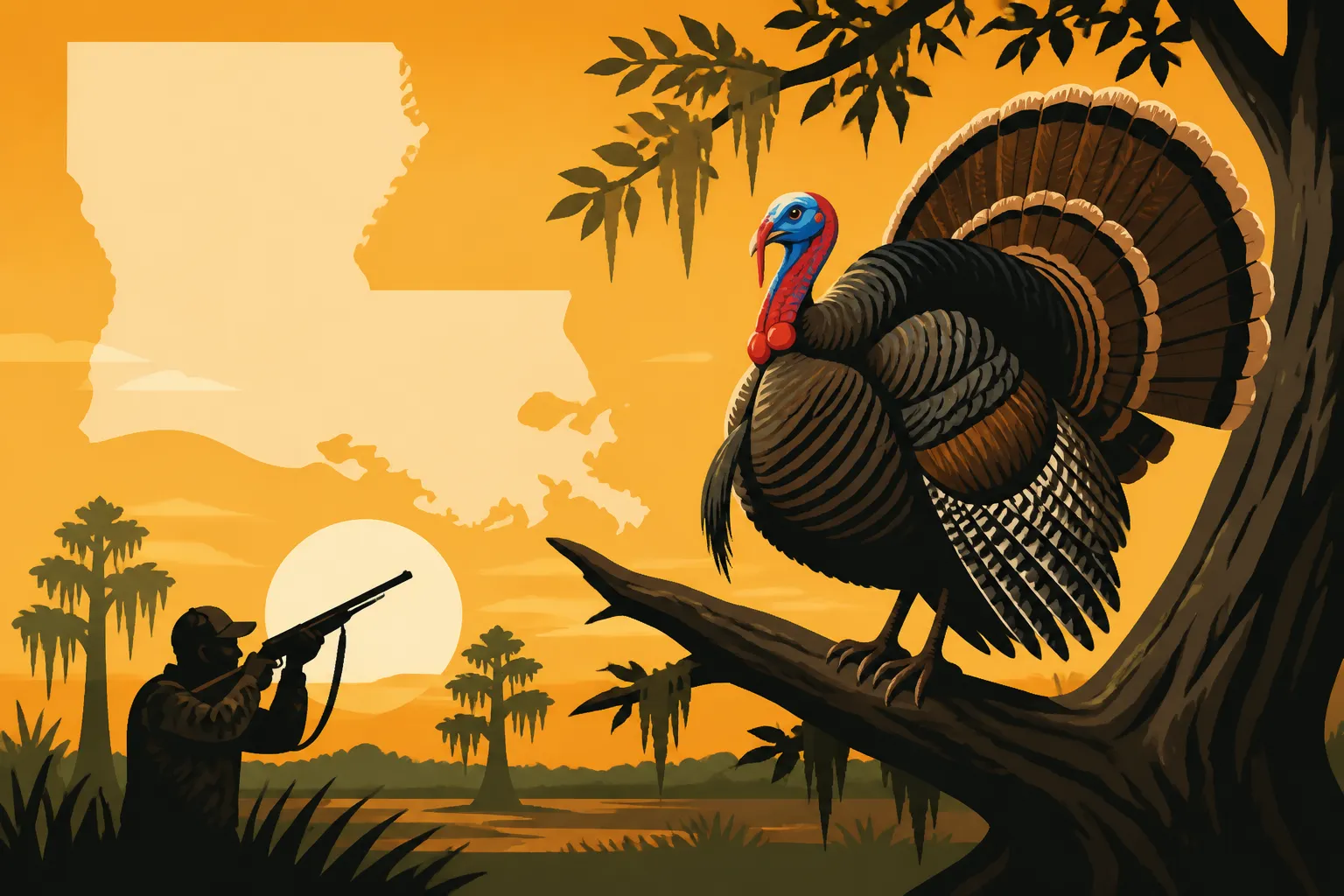
While turkeys aren't exclusive to one type of tree, they certainly have preferences. In much of Louisiana's bottomland hardwood and swamp country, you'll find them favoring mature, tall trees with strong, open horizontal limbs. Think towering cypress trees along a bayou, or large water oaks, live oaks, and other mature hardwoods in river bottoms. These trees provide the necessary height and stable perches.
In the piney woods of North Louisiana, you'll often find them in the tallest loblolly or longleaf pines, especially those with relatively clear understories. The key is elevation and a clear flight path in and out. They tend to avoid areas with extremely dense undergrowth directly beneath the roost, as this would impede their ability to fly down safely or spot ground predators upon landing. Sometimes, a single, exceptionally tall oak or pine that stands above the surrounding canopy will be chosen, acting like a beacon in the landscape.
Topography and Landscape Elements
The lay of the land plays a huge role in roost selection. Turkeys will often choose trees that are positioned to give them the best advantage. In swampy or heavily wooded areas like the Atchafalaya Basin, they'll seek out trees along creek drainages, bayou banks, or on slightly higher ridges within the low country. These features often provide a clear travel corridor for morning movements and can offer a bit more elevation than the immediate surroundings.
On the edges of agricultural fields or clear-cuts, you might find them roosting in isolated stands of mature timber, or along a prominent tree line. These spots give them easy access to feeding areas upon fly-down. Wind is another factor; turkeys often seek out roosts that offer some protection from strong winds, especially on cold nights, preferring the leeward side of a ridge or a dense cluster of trees. Paying attention to these subtle changes in elevation and cover can reveal prime roosting locations. Using tools like GoHunt can help you analyze these topographical features and tree cover from an aerial perspective before you ever step foot in the woods.
Water and Openings
Water features are intrinsically linked to turkey habitat in Louisiana, and they often influence roosting choices. Trees that overhang water, such as cypress or tupelo trees along a slough or pond, offer an extra layer of predator protection. A ground predator can't simply walk up to the base of the tree if it's surrounded by water. This makes these spots particularly attractive, especially in the state's extensive wetlands.
Similarly, turkeys love to roost near openings in the canopy, like field edges, small clearings, or even wider logging roads. These openings provide an unobstructed fly-down zone, allowing them to glide to the ground with ease and quickly assess their surroundings for danger or immediate food sources. A gobbler likes to fly down and instantly have space to strut and survey his domain. Identifying these areas where large, mature trees converge with water or open fields can significantly narrow down your search for active roosts.
Practical Scouting Techniques for Finding Roosts
Knowing what to look for is great, but actively finding these roosts takes some boots-on-the-ground (or ears-to-the-wind) effort. Successful turkey hunters aren't just lucky; they're diligent scouts.
Listening for Clues at Dawn and Dusk
One of the most effective ways to locate roosted birds is to be in the woods during the "magic hours" of dawn and dusk. Turkeys are vocal at these times. In the mornings, before fly-down, gobblers will often "shock gobble" to loud noises like an owl hoot, a crow call, or even a distant train whistle. You can use an owl hooter or crow call yourself to try and elicit a response. Listen for those tell-tale tree yelps and soft clucks as hens and jakes start to stir.
In the evenings, you can try to "put birds to bed" by getting into potential roosting areas an hour or so before dark and listening for wing beats as they fly up into the trees, followed by those final clucks and chirps before settling in. This technique is more about confirming a roost you suspect rather than finding a new one, but it's invaluable. Just be extremely careful not to spook them, which can make them abandon that roost for a while.
Visual Scouting for Roost Sign
While listening is key, visual scouting provides concrete evidence. Once you've heard a gobbler or suspect a roosting area, move in during the middle of the day (when birds are typically on the ground feeding) and look for physical signs. The most obvious sign is "whitewash" – a heavy concentration of droppings and guano on the ground directly beneath the roost tree. You might also find scattered turkey feathers, especially primary wing feathers, which are shed during their annual molt.
Examine the limbs of potential roost trees for signs of wear or discolored bark where birds have perched repeatedly. Sometimes, you can even spot a slight accumulation of droppings on the branches themselves. Using a good pair of binoculars from a distance at dawn or dusk can help you confirm birds are indeed using a specific tree without disturbing them. Look for dark shapes against the sky or subtle movements in the canopy.
Leveraging Technology and Local Knowledge
In today's hunting world, technology can be a powerful ally. Mapping applications, like those available through GoHunt, allow you to study aerial photographs and topographical maps from home. You can identify mature timber stands, locate potential ridges, creek drainages, field edges, and areas with water. Look for those dark green patches of tall trees that stand out. Cross-referencing these visual cues with public land boundaries, as seen when Scouting Louisiana Public Land Before Season, can help you narrow down your search on WMAs or national forests.
Don't underestimate the value of local knowledge either. Strike up conversations with landowners, other reputable hunters, or even local game wardens (respectfully, of course). They often have decades of experience observing turkey patterns in specific regions and can offer invaluable insights into historical roosting areas or general habitat preferences. This blend of high-tech scouting and old-school wisdom is a winning combination for locating where Louisiana gobblers roost.
Roost Hunting Strategies for Louisiana Gobblers
Once you've done your homework and pinpointed a likely roost, the real game begins. How you approach and hunt a roosted bird can make or break your morning.
The Pre-Dawn Approach
The absolute golden rule of hunting roosted birds is to get in early and get in quietly. Your goal is to be set up well before first light, preferably an hour or more before fly-down. This means navigating the woods in the dark, using a headlamp on a very dim setting or a red light to preserve your night vision and minimize disturbance. You want to set up within a reasonable calling distance—typically 100-150 yards—of the roost, but positioned so that the birds will have to fly down and come towards you.
Consider the terrain and obstacles between you and the roost. Is there a creek they'll have to cross? A thick briar patch? Try to set up on the side of the roost that provides the easiest, most natural path for the birds to approach you, assuming they fly down in that direction. Thinking through your entry and setup is critical to avoid bumping birds or giving away your position, which can ruin the whole hunt. Understanding Calling a Louisiana Gobbler Off the Roost involves knowing when and how to start your vocalizations without alarming them.
Post-Fly-Down Adjustments
It would be wonderful if every roosted gobbler flew directly into your lap, but that's rarely the case. Turkeys will often fly down in a direction that allows them to meet up with hens or move to a preferred feeding area. You need to be ready to adapt. If the birds fly down away from you, don't panic. Give them some time, listen to their movements, and try to understand their trajectory.
Sometimes, a quiet, well-timed move can put you back in the game. If they're moving towards an open field, you might be able to circle around and get ahead of them. If they're sticking to a timbered area, a slow, silent stalk might work. The key is patience and observation. Don't be afraid to change your setup if the situation demands it. Being able to quickly move and Setting Up Against a Big Oak or other substantial cover will ensure you remain concealed even if the birds approach from an unexpected direction.
Avoiding Spooking Roosted Birds
Perhaps the most important piece of advice for roost hunting is this: do not spook a bird on the roost. This is the cardinal sin of turkey hunting. A turkey that flies off the roost because it heard or saw you is an incredibly wary bird, and it might not return to that roost tree, or even that general area, for days or weeks.
If, by some unfortunate chance, you realize a bird has spotted or heard you on the roost, your best bet is often to back out as quietly and quickly as possible. Don't press the issue. It's better to leave the area and try again another day or move to a different location than to push a spooked bird. When you find a good roost, treat it like gold. Your stealth, patience, and careful planning before the hunt are your best allies in ensuring those gobblers feel secure enough to fly down and present a shot.
By understanding the nuanced reasons behind a turkey's roosting choices, diligently scouting for the tell-tale signs, and employing smart, quiet hunting tactics, you'll dramatically increase your odds of success in the Louisiana turkey woods. Good luck out there, and happy hunting!
Disclaimer
This article is for general informational purposes only and does not constitute professional advice. Laws, prices and regulations vary by location and change over time. Consult a qualified professional for guidance on your specific situation.