Louisiana Turkey Area B Closing Date
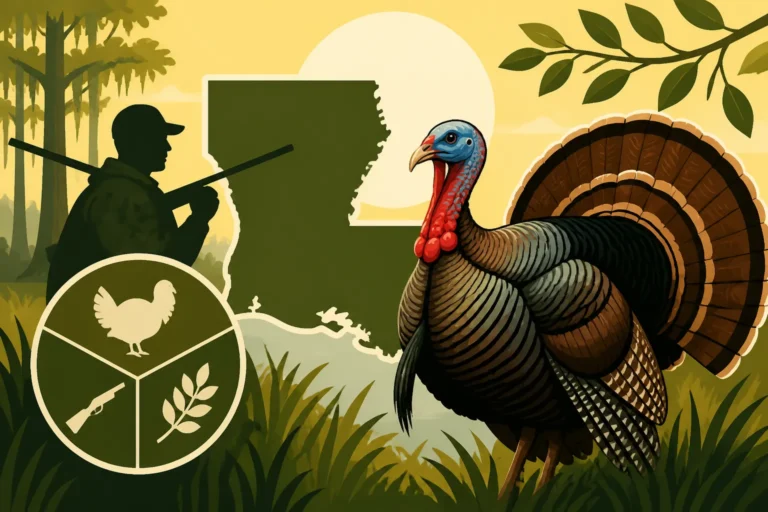
The sound of a gobbler ringing through the spring woods is one of the most exciting things a Louisiana hunter can experience, but when that season draws to a close, it can feel like a punch to the gut. For those of us who chase longbeards in Area B, knowing the exact closing date is crucial for planning those final, desperate hunts. This guide will walk you through everything you need to know about the Louisiana Turkey Area B closing date, so you can make the most of those last precious moments afield.
Understanding Louisiana's Turkey Management Areas
Louisiana's diverse landscapes mean that turkey populations and hunting pressure can vary wildly from one part of the state to another. To manage the wild turkey resource effectively, the Louisiana Department of Wildlife and Fisheries (LDWF) divides the state into different turkey hunting areas, each with its own set of regulations and season dates. This system helps ensure that local turkey populations aren't overhunted and that hunters across the state have fair opportunities.
Why Different Areas Have Different Dates
The primary reason for varying season dates across Louisiana's turkey areas comes down to biology and population dynamics. Factors like nesting success, brood survival, habitat quality, and localized turkey densities all play a role. For instance, areas with robust, rapidly expanding populations might sustain a longer season, while areas with more fragile or recovering populations may have shorter windows to reduce pressure. The LDWF constantly monitors these factors through various surveys and hunter harvest reports to make informed decisions each year, striving for a balance between hunter opportunity and species conservation. It's a complex puzzle, and sometimes it feels like a moving target for us hunters trying to keep up, but it's all designed to keep those gobblers strutting for generations.
Furthermore, hunting pressure itself is a significant consideration. Some areas, due to accessibility or historical popularity, might see a much higher concentration of hunters. Staggering season dates helps distribute that pressure, preventing too many hunters from hitting the woods at the exact same time, which can lead to rapid bird burnout and less successful hunts for everyone involved. By carefully structuring these dates, the LDWF aims to provide a quality hunting experience while still prioritizing the long-term health of Louisiana's wild turkey.
Breaking Down Area B's Unique Season Structure
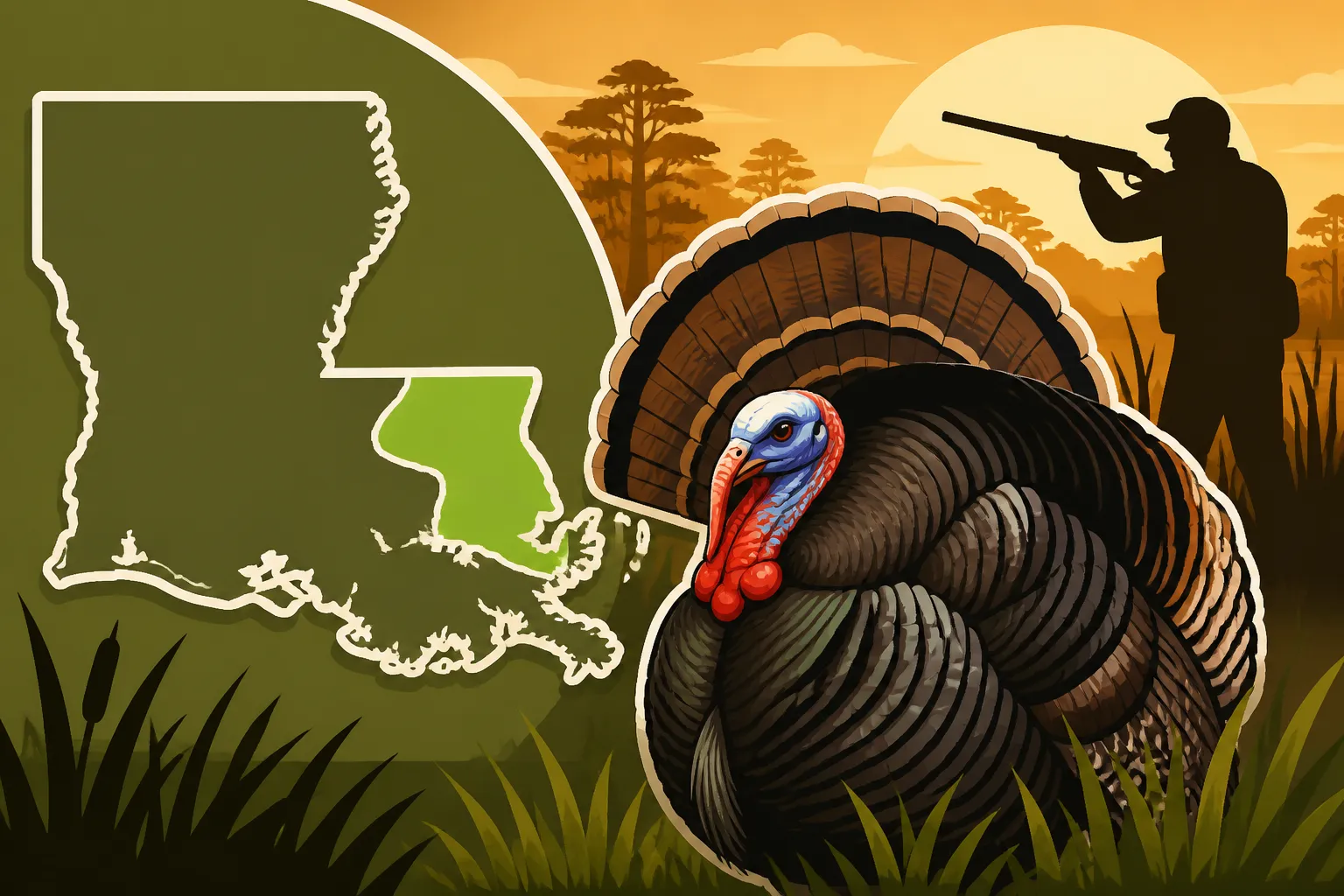
Area B typically encompasses a significant portion of central and south-central Louisiana, an area characterized by a mix of pine forests, hardwood bottomlands, and agricultural fields. This diverse habitat contributes to a different turkey dynamic compared to, say, the dense river bottoms of Area A or the more agricultural areas of Area C. The season structure in Area B is designed to account for these specific conditions, often falling in a mid-range window compared to the other areas.
The season in Area B generally starts a bit later than Area A but runs longer than Area C, giving hunters a respectable window to pursue gobblers. This timing aims to coincide with peak gobbling activity and breeding cycles in this particular region, optimizing success rates while allowing hens ample time to nest undisturbed. For hunters, this means the first few weeks often see explosive action, with birds still figuring out their spring routines, while the later weeks demand a more strategic approach as birds become warier. Understanding these nuances is key to success, whether you're chasing the first gobble of the season or making that last-ditch effort before the closing date.
Many hunters find that the Area B season offers a great balance, avoiding the earliest, often colder, hunts of Area A, while still providing more opportunity than the shorter window of Area C. It requires adaptability, as weather patterns can be highly variable in April, and bird behavior changes dramatically from the start to the finish of the season. Keeping an eye on localized conditions and scouting diligently throughout the season will significantly increase your odds in this diverse turkey habitat.
Specifics of the Area B Turkey Season
While the exact dates can shift slightly year to year based on LDWF adjustments, the general timeframe for Area B remains fairly consistent. It’s always critical to consult the official LDWF hunting regulations pamphlet or their website annually, as things can change without much warning, leaving you high and dry if you’re relying on old information. Don't let a simple oversight ruin your hard-earned hunt!
Pinpointing the Official Closing Date
For the 2024 spring turkey season, the official closing date for Area B is April 14th. This means that after legal shooting hours on April 14th, the turkey season in Area B is officially over. For many, that date comes too soon, a sudden halt to the thrilling pursuit of Louisiana longbeards. It’s a hard deadline, and there’s no wiggle room, so those last few days often become the most intense and memorable hunts of the year.
It's easy to get caught up in the excitement of the season, especially when you're finally hearing those consistent gobblers. However, misremembering or misreading the calendar can lead to serious legal trouble. Always double-check the LDWF's most current regulations before heading out, especially if you're planning a trip around the edges of the season. This vigilance ensures you're hunting legally and respectfully, protecting both yourself and the resource.
Thinking about that April 14th deadline, it emphasizes the importance of making every hunt count. Those final days are often characterized by more challenging birds – they've heard it all, seen it all, and are likely running with hens already. But with that challenge comes the potential for immense satisfaction. Planning those last few hunts, understanding the birds' late-season behavior, and being persistent can truly pay off right up until the very end.
What Happens When the Season Ends
Once the clock ticks past the closing date for Area B, all legal turkey hunting activities in that zone must cease. This isn't just a suggestion; it's a hard-and-fast rule. Any turkey harvested outside of the designated season is considered a violation of state hunting laws, carrying potential fines, loss of hunting privileges, and confiscation of equipment. It's a serious matter, and wildlife agents patrol diligently to ensure compliance.
Beyond the legal ramifications, the end of the season marks a crucial period for the wild turkey population. Hens are actively nesting and raising poults, and gobblers are focusing on recovery after the intense breeding season. Allowing the birds to complete their natural cycles without hunting pressure is vital for the health and sustainability of the population. It’s a time for us hunters to step back, let nature do its work, and eagerly anticipate the next spring.
For many of us, the end of turkey season also marks a shift in our outdoor focus. It's a time to reflect on the hunts that were, the lessons learned, and the camaraderie shared. It might be time to switch gears to Bowfishing Louisiana Bayous in the Off-Season or start scouting for early deer season. But even as we put away our turkey calls, the spirit of the hunt lingers, and the memories of those gobbling birds stay with us until next spring rolls around.
Tactics and Considerations for Late-Season Area B Hunters
As April 14th approaches, the dynamics of turkey hunting in Area B shift considerably. Those early season birds that might have come running to any call are now much wiser, having encountered numerous hunters. You can't just expect to set up and have a gobbler charge in anymore; success in these waning days requires finesse, patience, and a deep understanding of late-season turkey behavior.
Adjusting Your Approach as the Season Winds Down
Late-season gobblers in Area B are, simply put, educated. They've likely been called to countless times, perhaps even shot at, and they've certainly seen plenty of hunter orange. This means your aggressive calling tactics from early April might now be counterproductive. Instead, consider toning down your volume and frequency. Soft hen yelps, clucks, and purrs can be far more effective in drawing in a wary bird. Think subtle, irresistible persuasion rather than a loud, demanding declaration. Many successful hunters switch to a more patient, "run-and-gun" strategy, covering more ground silently and listening for that lone gobble, rather than setting up and blindly calling. For specific strategies, checking out guides on Run-and-Gun Turkey Tactics on Public Land can be a real game-changer when birds are pressured.
Furthermore, late-season birds are often "henned up," meaning they're actively with hens during the day. This can be incredibly frustrating, as a gobbler with a harem will rarely abandon them to check out your calls. Your best bet in these scenarios is to try to call the hens to you, hoping the gobbler follows. If that's not working, shifting your hunting times to early morning, when gobblers are still on the roost, or late afternoon, when they might be separating from hens to head to roost, can increase your odds. Identifying roost trees and setting up quietly before dawn for a fly-down hunt can be particularly effective.
Another crucial adjustment is scouting. By this point in the season, food sources might have changed, and birds could have shifted their patterns. Pre-season scouting is vital, but so is continually adapting your scouting throughout the season. Look for fresh tracks, droppings, and dusting bowls. Pay attention to areas with good bugging habitat or late-blooming greens. Utilize mapping tools like GoHunt to mark potential roosting areas, strut zones, and travel corridors you've observed throughout the season. Sometimes, the only way to beat a pressured bird is to find a spot they feel safe that other hunters are overlooking.
Ethical Considerations and Respecting the Resource
As the season winds down, it's easy to feel the pressure of the impending closing date. However, it's more important than ever to maintain ethical hunting practices. Resist the urge to "push" birds too hard, especially if they're exhibiting wariness. Harrassing birds can disrupt nesting hens and create even warier gobblers for future seasons. Always ensure you have a clear shot and positive identification of your target. Shooting at movement or sounds in thick cover is not only unethical but incredibly dangerous.
Respect for the resource also extends to understanding the bag limits and tagging requirements. In Louisiana, you can harvest a maximum of one gobbler per day, with an overall season limit of two gobblers. Each harvested bird must be tagged immediately with your physical tag and reported online or via phone within 72 hours. These rules are in place for a reason, helping the LDWF track harvest numbers and manage the population effectively. Don't be that hunter who disregards these essential steps; it reflects poorly on all of us. You can find all the specifics in the official Louisiana Spring Turkey Season Rules.
Consider the future of Louisiana's wild turkey. Every ethical decision you make in the field contributes to a sustainable hunting tradition. When you think about it, the privilege of chasing these magnificent birds is something we all want to pass down. That means doing our part to ensure healthy populations for years to come. That final week before the closing date should be about quality hunting and conservation, not just bagging a bird at any cost.
Maximizing Your Chances Before the Closing Date
With the closing date looming, it’s natural to feel a sense of urgency. Don’t let that pressure lead to sloppy hunting. Instead, channel that energy into focused, strategic efforts that leverage everything you’ve learned throughout the season. The last birds of the season are often the most satisfying because they truly test your skill and patience.
Scouting and Patterning Late-Season Birds
Effective scouting becomes absolutely paramount as the season draws to a close. Forget the general areas you hunted in early April; now you need surgical precision. Focus on overlooked pockets of habitat: small creek bottoms, dense thickets near field edges, or areas with recent timber work that might offer new food sources or cover. Birds that have survived weeks of hunting pressure often retreat to these sanctuaries. Utilize tools like GoHunt's satellite imagery and topographic maps to identify potential hideouts that might not be obvious from the road. The more you know about the specific travel patterns and secure zones of individual birds, the better your chances.
Spend time listening more than calling. Drive quiet backroads, walk old logging trails, and just observe. Watch for birds crossing fields, dusting in sandy spots, or heading to a known roost. Look for signs of consistent strutting in specific areas. If you can identify a bird's daily routine – where he roosts, where he flies down, where he struts, and where he feeds – you can effectively intercept him. This kind of detailed patterning, often seen in deer hunting, is equally effective for late-season gobblers who have become creatures of habit to avoid predation (including from hunters). A deep dive into Scouting Louisiana Public Land Before Season is invaluable, even if you’re doing it mid-season.
Remember that late-season birds might not gobble as frequently on the roost or throughout the day, especially if they've been pressured. Don't rely solely on their vocalizations to locate them. Use your eyes and ears. Pay attention to crow calls, owl hoots, or even distant dog barks that might trigger a shock gobble. Sometimes, the quietest hunter is the most successful hunter, particularly when you're up against the clock.
Gear and Preparation for the Final Push
Your gear choices for late-season turkey hunting in Area B should reflect the conditions and the wary nature of the birds. Comfort is key, as you might be sitting longer or covering more ground. Lightweight, breathable camo will be essential as temperatures often rise significantly in mid-April. Ensure your calls are in top shape – a crisp, realistic sound is more important than ever. If you're using a pot call, make sure your striker tips are in good condition; for mouth calls, ensure they're not dried out or cracked.
Consider adding a decoy to your setup, but use it strategically. A single hen decoy or a jake decoy can sometimes draw in a dominant gobbler looking for a fight or a breeding opportunity. However, in heavily pressured areas, some hunters opt against decoys entirely, fearing they might spook wary birds. If you do use one, ensure it's placed in an open area where it can be seen from a distance and where you have a clear shot if a gobbler commits. Learning about Decoy Placement for Pressured Louisiana Birds can truly make a difference.
Finally, don't overlook physical and mental preparation. These last hunts can be physically demanding, with longer walks and more patient sits. Ensure you're hydrated and bring snacks. Mentally, stay positive and persistent. It's easy to get discouraged when gobblers are tight-lipped or hang up just out of range. But remember, it only takes one bird to make a successful hunt. Believe in your abilities, trust your scouting, and enjoy every moment of that final push.
Staying Informed and Planning for Next Season
Even as this season closes, it's never too early to start thinking about the next one. The lessons learned this year will be invaluable for future hunts. Staying engaged and informed is a continuous process for any serious turkey hunter.
Official Resources for Louisiana Turkey Hunters
The best place to get current and accurate information is directly from the source: the Louisiana Department of Wildlife and Fisheries (LDWF). Their website is a treasure trove of information, including the annual hunting regulations pamphlet, turkey season dates by area, bag limits, and important announcements about population health or special regulations. I can't stress this enough – always verify dates and rules with the official LDWF publication each year. Relying on outdated information can lead to disappointment or, worse, a violation.
The LDWF also maintains social media channels and often publishes articles or press releases on their website concerning wildlife management, including specific updates on wild turkeys. Following these resources can give you insights into population trends, habitat conditions, and what biologists are seeing in the field. This information isn't just for curiosity; it can directly impact your hunting strategy and expectations for future seasons. Knowing, for example, if there was a poor hatch in your area can help you manage your expectations for bird numbers next spring.
For those looking for a deeper dive into statewide regulations, you can explore the comprehensive Louisiana Turkey Area A, B and C Rules on the LDWF site, which breaks down all the nuances of turkey management in the state. This level of detail empowers you to be a more informed and responsible hunter, contributing positively to the overall conservation effort.
Looking Ahead to Future Seasons
As soon as the last gobble fades for Area B on April 14th, many of us are already dreaming of next spring. Now is a great time to reflect on what worked and what didn't this season. Keep a hunting journal to note weather conditions, bird behavior, call sequences that worked, and areas you want to scout more thoroughly next year. This record-keeping is a powerful tool for improving your success over time.
Off-season activities can also significantly impact your success next year. Consider engaging in habitat improvement projects if you hunt private land. Even on public land, becoming familiar with new areas, scouting for future roosts, and understanding how habitat changes can affect turkey movement throughout the year will give you a major advantage. Think about When Louisiana Gobblers Go Quiet in Late April and why, and how you might adjust your strategy if that pattern repeats.
Finally, stay connected with the hunting community. Share stories, learn from others, and embrace the camaraderie that comes with chasing wild turkeys. Whether you're planning a trip to one of the other areas next year, or just patiently waiting for Area B to open again, the passion for the hunt continues long after the season closes.
Louisiana Turkey Area Closing Dates Overview
To help you keep track of the different closing dates across the state, here's a quick reference table. Remember, these dates are for the 2024 season and should always be verified with the official LDWF regulations for future seasons.
| Turkey Area | General Location | 2024 Archery Season Close | 2024 Shotgun Season Close | Typical Start Date Range |
|---|---|---|---|---|
| Area A | North Louisiana | N/A | April 21 | Late March |
| Area B | Central Louisiana | N/A | April 14 | Late March |
| Area C | Southeast Louisiana | N/A | April 7 | Early April |
Note: Archery seasons for turkey are typically concurrent with firearm seasons in Louisiana and are not separate windows. Always refer to the official LDWF regulations for the most accurate and up-to-date information.
Disclaimer
Hunting regulations and season dates can change. The information provided in this article is for general guidance only and is based on the 2024 Louisiana hunting season as generally understood. Always consult the official Louisiana Department of Wildlife and Fisheries (LDWF) regulations for the most current and accurate information before planning any hunting activity. Failure to comply with official regulations can result in penalties.