The Louisiana Youth and Physically Challenged Hunt
Navigating the myriad of hunting regulations in Louisiana can feel like a maze, especially when you're trying to find specific opportunities for younger hunters or those with physical challenges. It's tough to sift through dense legal jargon just to figure out if there's a special season that truly accommodates their needs and offers a safe, accessible experience. This guide is here to untangle all that, laying out everything you need to know about Louisiana's special youth and physically challenged hunting opportunities.
Why Louisiana Offers Special Hunting Opportunities
Louisiana understands that hunting is more than just a pastime; it's a tradition, a way of life, and a vital part of conservation. The Louisiana Department of Wildlife and Fisheries (LDWF) recognizes the importance of nurturing this heritage by providing tailored experiences. These special hunts aren't just about bagging game; they're designed to remove common barriers, build confidence, and ensure everyone has a fair shot at enjoying the outdoors.
Fostering the Next Generation of Hunters
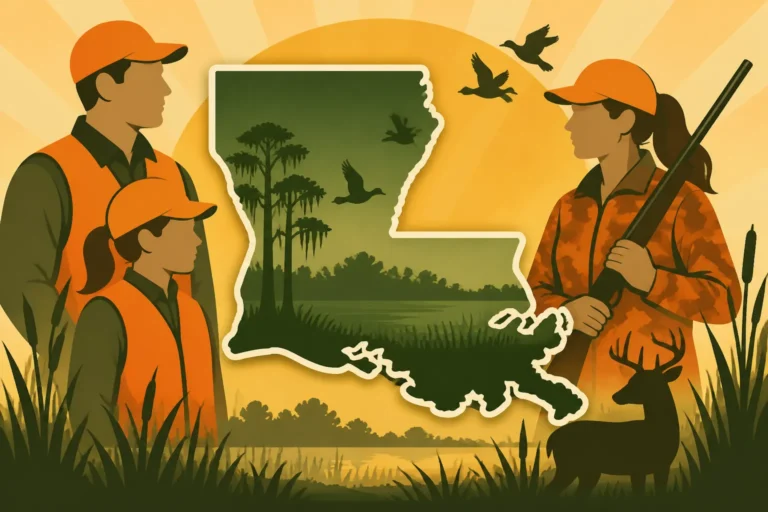
For many of us, our first hunting memories are with a parent, grandparent, or mentor. Louisiana's youth hunts are specifically crafted to replicate that magic, offering an early start to the season before the main crowds arrive. This less-pressured environment allows young hunters to learn the ropes, focus on safety, and truly connect with nature without feeling overwhelmed. It's about instilling a lifelong passion for ethical hunting and wildlife stewardship, giving kids a dedicated window to pursue game like deer or turkey under the watchful eye of an experienced adult. It's also a fantastic way to introduce them to the complexities and joys of hunting without the added competition you often find on opening day of general season. These early opportunities build foundational skills and a deep respect for the resource.
Ensuring Access for All Hunters
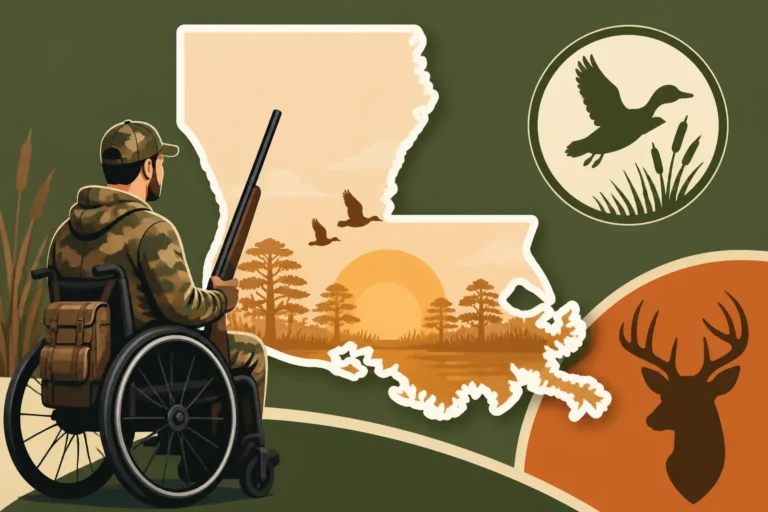
Beyond youth, Louisiana also champions accessibility for hunters facing physical challenges. We all know the bayous, swamps, and pine forests of our state can be physically demanding. Uneven terrain, dense undergrowth, and long walks can unfortunately exclude many passionate hunters with mobility issues. That's a real frustration, and the LDWF has made efforts to address it. These special seasons and designated areas aim to level the playing field, providing accommodations that might include vehicle access to certain stands, specially designed blinds, or relaxed mobility rules. The goal is to ensure that a love for the hunt isn't limited by physical ability, allowing individuals to continue participating in a sport that brings them so much joy and connection to the wild.
Who Qualifies for These Special Hunts?
Understanding the eligibility requirements is the first hurdle, and it can sometimes be confusing. Louisiana has clear definitions for both "youth" and "physically challenged" hunters, ensuring these special opportunities reach those they are intended for. It's not a free-for-all, but rather a carefully managed program designed to be inclusive.
Defining "Youth" for Hunting Purposes
In Louisiana, a "youth" hunter is generally considered to be someone 17 years of age or younger. However, for many of the specific youth-only seasons, the age is often limited to 16 years of age and under at the time of the hunt. This age cut-off ensures that younger, less experienced hunters are the primary beneficiaries of these special windows. While youth hunters still need to follow most general hunting regulations, there are often exemptions for license requirements, especially for very young participants. For instance, a youth under 16 years of age usually doesn't need a hunting license to hunt resident game, provided they are accompanied by a properly licensed adult.
However, once a youth turns 10, they typically must complete a certified hunter education course to hunt unsupervised. For those just starting out, the Louisiana Apprentice Hunter License Rules offer a great way for them to try hunting with a mentor before completing the full hunter education course. This is where programs like GoHunt's resources can be invaluable, offering guidance on finding hunter education classes and understanding state-specific rules. It's always crucial to check the most current LDWF regulations for the specific season and WMA they plan to hunt, as rules can sometimes vary slightly.
Understanding "Physically Challenged" Criteria
The term "physically challenged hunter" in Louisiana isn't just a blanket description; it refers to specific, documented conditions that severely limit mobility or physical ability. This isn't about minor inconveniences; it's about significant physical impairments that would make standard hunting conditions nearly impossible or unsafe. The LDWF identifies physically challenged hunters as individuals with permanent impairments such as:
- Paraplegia or Quadriplegia: Complete or partial paralysis affecting the lower or all four limbs.
- Single or Double Amputation: Loss of a hand, arm, foot, or leg.
- Permanent Mobility Impairment: This often includes conditions requiring the regular use of a wheelchair, crutches, or a walker, or other significant limitations in walking or standing for extended periods.
To qualify for these special provisions, hunters must obtain a physically challenged hunter permit from the LDWF. This permit typically requires a physician's certification verifying the nature and permanence of the disability. It's a formal process, but it's in place to ensure these valuable accommodations are reserved for those who truly need them. Once certified, these permits open up opportunities that might otherwise be inaccessible, allowing hunters to experience the thrill of the chase.
The Critical Role of Mentors and Supervising Adults
For both youth and physically challenged hunters, the presence of a responsible, knowledgeable adult is not just recommended, it's often legally required. This mentorship is fundamental to the safety and success of these special hunts.
The supervising adult must generally be at least 18 years old and possess all the required licenses and permits for the hunt themselves, unless specifically exempted by regulation. Their role is multifaceted: they ensure safety, teach ethical hunting practices, aid in identifying game, help with navigation, and provide practical assistance. For youth, the adult must often maintain direct supervision, meaning they must be within normal voice communication and at all times in a position to render immediate aid and direction. This isn't just about sharing a stand; it's about active guidance.
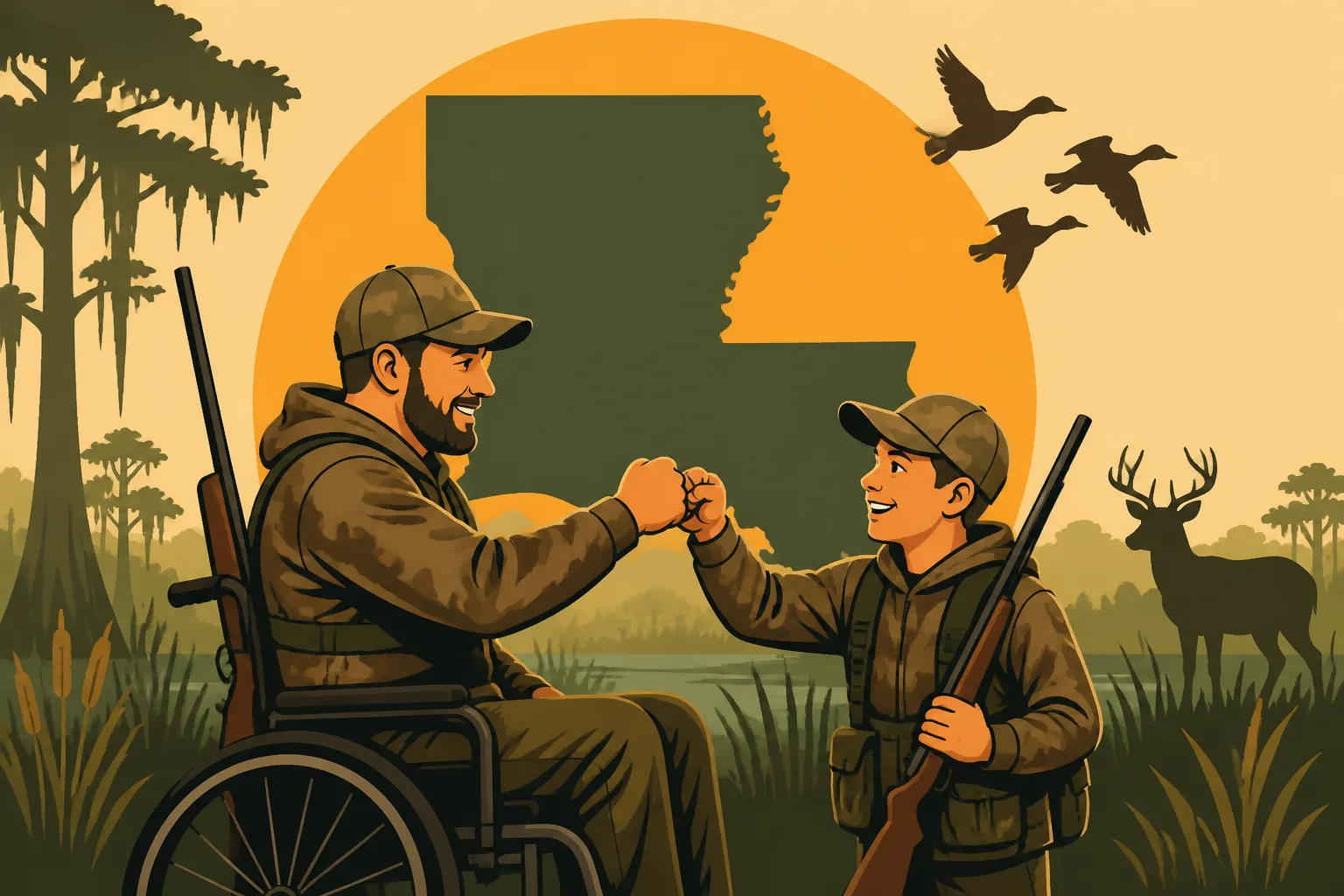
For physically challenged hunters, the mentor might also be a crucial support system for mobility, equipment handling, or game retrieval. The bond formed during these hunts, sharing knowledge and creating memories, is truly what makes these programs so special. It's a chance to pass down traditions and ensure that the spirit of hunting endures.
Navigating Season Dates and Prime Locations
One of the biggest advantages of Louisiana's youth and physically challenged hunts is the timing. These seasons often open earlier than general gun seasons, providing a unique, less-pressured window to hunt. Knowing when and where to go is key to making the most of these opportunities.
General Youth and Physically Challenged Season Openers
Many of these special hunts are scheduled to occur on specific weekends or short windows, typically in the fall, preceding the regular firearms deer season. This timing is intentional: it capitalizes on deer movement before heavy pressure begins and provides a safer, more controlled environment. For instance, Louisiana often designates a statewide Youth and Physically Challenged Deer Hunt Weekend, allowing eligible hunters to pursue deer when other hunters are limited to archery. This is a huge bonus!
These early windows are golden opportunities. Imagine having access to woods where deer haven't yet been heavily pressured, giving you or your young hunter a better chance at success. It's a chance to experience deer behavior in a more natural state, offering valuable learning moments. It's also a great time to be out there, as the weather is often still mild, making for a more comfortable experience. You can find detailed breakdowns of these early-start opportunities, which often precede the general firearms opener, by looking at the statewide regulations for Hunting the Youth and Veterans Weekend, which frequently align.
Specific WMA Opportunities and Quota Hunts
While statewide dates provide broad opportunities, Louisiana's Wildlife Management Areas (WMAs) often offer even more tailored experiences. Many WMAs host specific youth-only or physically challenged-only hunts, sometimes requiring an application and draw process (quota hunts). These hunts are meticulously managed to control hunter numbers, enhance safety, and increase success rates.
For example, WMAs across the state, from the sprawling Richard K. Yancey Wildlife Management Area in the basin to smaller tracts in the piney hills, will have specific dates and rules for these special hunts. You might find a dedicated youth deer hunt on a particular weekend or an accessible stand setup specifically for physically challenged hunters. To find these opportunities, you absolutely need to consult the LDWF's WMA hunting schedule, which is updated annually. Using tools like the Scouting With the LDWF App can be incredibly helpful for pinpointing these locations and understanding specific WMA regulations, boundaries, and access points. GoHunt also offers robust mapping features that can layer WMA boundaries and public land access, helping you identify prime spots for these unique hunts.
Private Land Versus Public Land Access
The rules and opportunities for youth and physically challenged hunts can vary significantly between private and public lands.
Private Land: On private property, if the landowner allows it, these special regulations (like early youth seasons) generally apply. This often means less competition and potentially better chances of success, as private land is typically managed with fewer hunters. However, securing private land access usually requires direct permission from the landowner. If you have a lease or a good relationship with a private landowner, these special seasons are a fantastic perk. You'll still need to adhere to all statewide bag limits, legal methods, and reporting requirements.
Public Land (WMAs & National Forests): For public lands like WMAs and National Forests, you're bound by specific LDWF or federal regulations for that particular area. While statewide youth and physically challenged weekends usually apply, many WMAs have additional specific draw hunts or open certain areas just for these groups. It's critical to check each WMA's specific pamphlet or the LDWF website. The beauty of public land is accessibility, but it often comes with more regulations and potentially higher hunter density, though these special seasons aim to mitigate that. Always remember to check Louisiana Public Land Hunting Hours and any WMA-specific entry/exit rules.
Here's a quick comparison of the general season characteristics for youth and physically challenged hunts:
| Feature | Youth Hunts | Physically Challenged Hunts |
|---|---|---|
| Primary Goal | Recruitment, retention, skill-building | Accessibility, continued participation |
| Typical Age Range | 16 and under (often 17 and under for license) | Any age, with certified physical impairment |
| Season Timing | Often early, before general firearms season | Often concurrent with youth, or specific WMA dates |
| License Requirements | May be waived for under 16 with licensed adult | Standard license plus special permit |
| Mentor Required | Yes, often strictly defined proximity | Highly recommended for assistance, often required |
| Public Land Access | Statewide dates + specific WMA opportunities | Statewide dates + specific WMA accessible areas |
| Private Land Access | Permitted with landowner consent | Permitted with landowner consent |
| Typical Harvest | Deer (any legal deer), Turkey, Small Game | Deer, Turkey, Small Game, specific species as allowed |
Permitted Methods and Important Regulations
Even with special seasons, all hunters, especially youth and those with physical challenges, must adhere to certain regulations regarding hunting methods and equipment. These rules are in place for safety, fair chase, and to manage the wildlife population responsibly.
Legal Firearms and Archery Equipment
Generally, during these special deer or turkey seasons, participants can use any legal firearm or archery equipment otherwise permitted for that species during the general season. This means if it's a deer hunt, rifles, shotguns, muzzleloaders, and archery equipment (including crossbows) are usually allowed.
For deer, this typically includes centerfire rifles of various calibers, shotguns 10 gauge or smaller with slugs or buckshot, muzzleloaders, and bows. It's important to remember that crossbows have specific regulations regarding their use, and you can find more details on Crossbow Rules During Louisiana Archery Season. For turkey hunts, shotguns are most common, often 20-gauge or 12-gauge, using specialized turkey loads. Bows and crossbows are also permitted for turkeys during the appropriate seasons. The key is that the equipment must be safe, appropriate for the game, and legal under Louisiana law. Your mentor or supervising adult should ensure that the youth hunter is proficient and comfortable with their chosen weapon.
Special Accommodations and Mobility Aids
One of the most significant aspects of the physically challenged hunter program is the provision for special accommodations. These are designed to overcome mobility limitations that would otherwise prevent participation.
For instance, physically challenged hunters with the appropriate permit may be authorized to:
- Hunt from a stationary vehicle: This is a huge benefit in areas where walking long distances or sitting in a traditional ground blind isn't feasible. This permit is usually very specific about when and where a vehicle can be used as a shooting platform.
- Utilize designated accessible hunting blinds/stands: Many WMAs now feature specially constructed blinds or platforms that are wheelchair-accessible or require minimal physical exertion to reach.
- Access certain areas with ATVs or other mobility aids: While general WMA rules restrict vehicles to designated roads, physically challenged permits can sometimes grant exceptions for mobility aids to access specific hunt areas.
These accommodations are not a right, but a privilege granted through the special permit process, emphasizing the importance of securing that permit well in advance of your planned hunt. GoHunt's detailed maps can sometimes highlight accessible hunting spots or terrain features that might be easier for hunters with mobility challenges.
Reporting Harvest and Ethical Considerations
Just like all other hunters in Louisiana, participants in these special youth and physically challenged hunts are required to report their deer and turkey harvests to the LDWF. This is a critical step in wildlife management, providing biologists with data to track population trends and set future seasons. The process is straightforward and can be done online or through the official LDWF app. You can learn more about how to comply with this requirement by visiting Checking a Louisiana Deer Harvest Online.
Beyond the legal requirements, ethical considerations are paramount. Mentors play a vital role in teaching responsible hunting practices, including:
- Fair Chase: Understanding what constitutes a fair shot and ethical pursuit.
- Game Identification: Ensuring the hunter can correctly identify legal game animals.
- Shot Placement: Emphasizing humane harvesting.
- Respect for Wildlife and Land: Instilling a deep appreciation for the animals and the environment.
- Safety First: Constant reinforcement of firearm safety rules and situational awareness.
These hunts are about creating positive, memorable experiences. By following all regulations and embracing ethical hunting practices, youth and physically challenged hunters can fully participate in Louisiana's rich hunting tradition.
Disclaimer
The information provided in this guide is for general informational purposes only and is not a substitute for official regulations. Always consult the current Louisiana Department of Wildlife and Fisheries (LDWF) hunting regulations pamphlet and website for the most up-to-date and specific rules and season dates before participating in any hunting activity. Seasons, bag limits, and regulations are subject to change.