Richard K. Yancey Wildlife Management Area
Many Louisiana hunters dream of chasing whitetails in the vast, wild expanse of the Atchafalaya Basin, but the sheer scale and challenging environment can feel overwhelming. If you're looking to dive into one of the state's most iconic public hunting grounds, understanding the ins and outs of Richard K. Yancey Wildlife Management Area (WMA) is your first crucial step toward success, offering everything from trophy deer to abundant hogs and excellent waterfowl.
Overview and Unique Character of Richard K. Yancey WMA
Richard K. Yancey WMA, often simply called "Yancey" by those who know it, stands as a crown jewel of Louisiana's public hunting lands. It's a place that commands respect, challenges your grit, and rewards persistence with truly unique hunting experiences that are hard to replicate anywhere else. This isn't your typical pine timber hunt; this is the swamp, the basin, the heart of Louisiana's wild side.
Location, History, and Ecological Significance
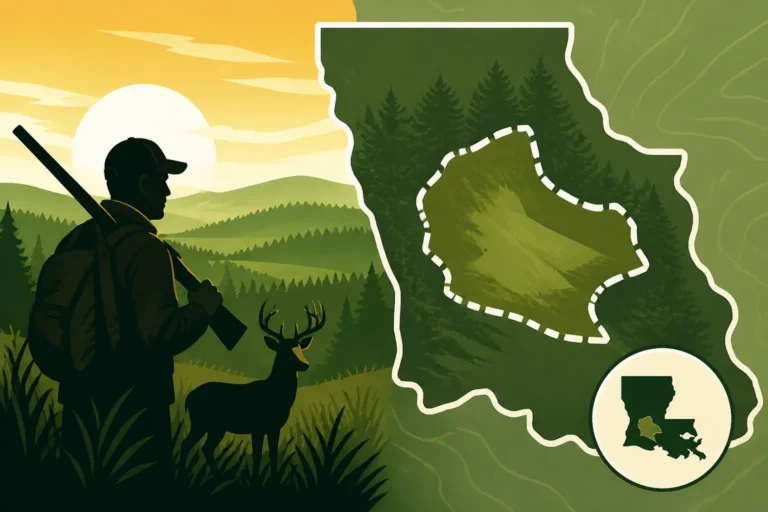
Nestled deep within the Atchafalaya Basin Floodway System, Richard K. Yancey WMA spans a significant portion of Concordia and Avoyelles Parishes, right at the confluence of the Mississippi and Red Rivers. This strategic location means it's heavily influenced by the seasonal fluctuations of these mighty waterways, leading to a dynamic ecosystem that changes dramatically throughout the year. The WMA was established to conserve this unique bottomland hardwood forest and provide public access for hunting, fishing, and other outdoor pursuits. It's an area rich in history, from indigenous settlements to logging camps, and its ecological importance as a migratory bird stopover and diverse wildlife habitat cannot be overstated. When you're out there, you're not just hunting; you're immersed in a living, breathing natural wonder that has shaped Louisiana for centuries.
The Allure of the Atchafalaya Basin Environment
What really draws hunters to Yancey is its raw, untamed nature. This is true Hunting the Atchafalaya Basin country. Think dense bottomland hardwoods like oak, cypress, and tupelo, intersected by countless bayous, sloughs, and lakes. During periods of high water, vast sections become inundated, turning travel into a boat-only affair. This fluctuating water level is both the area's biggest challenge and its greatest asset, constantly reshaping the landscape and dictating animal movement. It forces deer to higher ground or creates islands of refuge, making them predictable if you know what to look for. For hunters, it means adapting, learning to read the water, and often relying on boats to access prime spots. The humidity, the mosquitoes, the sheer density of the cover – it’s all part of the Basin experience, a true test of a hunter's dedication.
Primary Game Species and What Draws Hunters
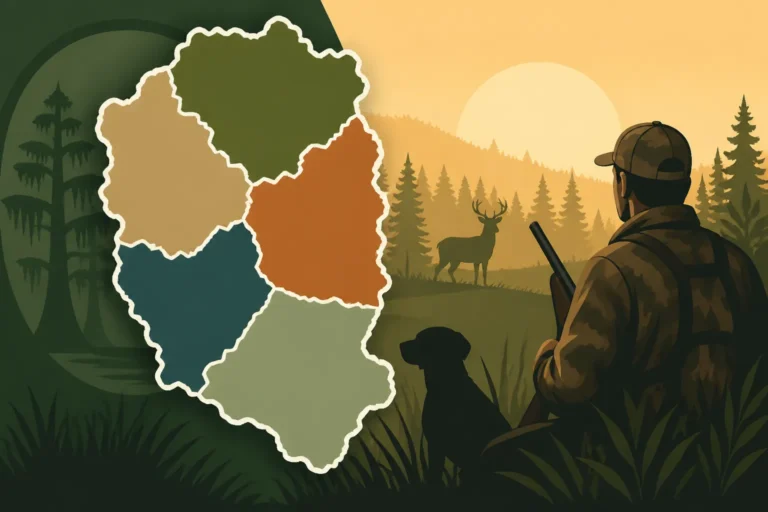
While the WMA offers a variety of game, white-tailed deer are undoubtedly the biggest draw for many. Yancey is part of Louisiana Deer Hunting Area by Area Area 3, which has its own specific season structure. These aren't necessarily the largest-racked deer in the state, but Basin bucks are notorious for their toughness and elusiveness, often older and wiser due to the challenging habitat. Beyond deer, the WMA is absolutely teeming with feral hogs, offering a year-round hunting opportunity that helps manage their destructive impact on the ecosystem. Small game like squirrels and rabbits are also abundant, providing excellent opportunities for a quieter, more relaxed hunt. For waterfowlers, the flooded timber and backwater sloughs can offer incredible duck hunting, especially during peak migration.
Accessing the WMA and Navigating its Terrain
Getting into and around Richard K. Yancey WMA is half the adventure. This isn't a place you just drive into with a pickup truck and wander off the road. It requires planning, the right equipment, and a healthy respect for the environment.
Key Entry Points and Boat Launches
The primary access point for many hunters is the headquarters area near Blackhawk, which offers boat launches onto the main bayous that crisscross the WMA. Other notable access points include the Moreauville boat ramp and others along the perimeter roads that allow entry into certain sections. Depending on water levels, some interior roads may be open, allowing vehicular access deeper into the WMA, but these are often limited and can change quickly. It’s absolutely critical to check the Louisiana Department of Wildlife and Fisheries (LDWF) website for current conditions and closures before you even think about hitting the road. Knowing which ramps are usable and which roads are open is paramount to a successful trip.
Understanding the Water Levels and Roads
The Atchafalaya Basin, and by extension Yancey WMA, is a living, breathing hydrological system. Water levels dictate everything. High water means more boat access but can restrict dry ground for hunting and camping. Low water might open up more roads and expose more ridges, but it can also make boat travel difficult or impossible in certain areas. This constant flux requires hunters to be adaptable. Many veteran Yancey hunters use river gauge readings from nearby points on the Red and Mississippi rivers to predict conditions. You'll want to combine this with satellite imagery on apps like onX Hunt to see where the highest ground is likely to be at different water stages. A rising or falling river can concentrate game or scatter it, so understanding these dynamics is key.
The Challenges of Basin Navigation
Once you're in the Basin, navigation can be a real beast. Trails are often poorly marked or nonexistent, and a rising or falling tide can make a familiar landmark disappear or reappear. GPS is not just a luxury; it's a necessity. Handheld units or mapping apps like onX Hunt or GoHunt are invaluable for marking trails, stand locations, and boat routes. Without one, getting lost is not a matter of if, but when. Even with a GPS, you need to understand how to read the terrain – subtle changes in elevation, the flow of water, and the direction of sloughs. It's a physical challenge too, involving pushing through dense vegetation, slogging through mud, and navigating countless obstacles. Don't underestimate the sheer effort required to move through this environment, especially if you're trying to Hunting Atchafalaya Basin Swamp Deer.
Hunting Opportunities: Deer, Hogs, and Small Game
Richard K. Yancey WMA offers diverse hunting opportunities for various species, each requiring its own strategy to navigate the challenging Basin landscape.
Deer Hunting: Tactics for Swamp Whitetails
Deer hunting at Yancey is not for the faint of heart. These swamp whitetails are incredibly savvy and accustomed to constant change. When water levels are high, deer will seek out the highest ground available, creating "islands" or narrow ridges where they concentrate. These areas become prime locations for setting up a stand. During low water, deer have more freedom to roam, often sticking to thicker cover along bayou edges or in the dense undergrowth. Basin Tactics for Louisiana Swamp Deer often involve scouting extensively by boat or by foot (when dry) to find these subtle changes in elevation, pinch points, and natural funnels. You’ll spend a lot of time looking for fresh sign on high spots. Stand placement is crucial, often higher than you might expect, overlooking trails deer use to move between flooded areas. Be prepared for long hauls and the very real possibility of recovering a deer from water. Remember to check Louisiana Deer Reporting Requirements to ensure you're in compliance after a successful harvest.
Feral Hogs: A Year-Round Challenge
Feral hogs are incredibly abundant in Yancey, offering a fantastic opportunity for hunters throughout the year. These animals thrive in the swamp environment, and their destructive rooting behavior causes significant damage, making hunting them a valuable conservation effort. Hogs will often travel in large sounders, rooting up vast areas of ground. Look for their sign – disturbed soil, tracks, and rubs on trees – especially along sloughs, bayou banks, and any dry ground. Like deer, hogs will concentrate on higher ground during high water events. Still-hunting through dense palmetto thickets or waiting near known food sources (like acorn flats when dry) can be effective. Hunting Louisiana's Year-Round Feral Hogs means you can pursue them even outside of deer season, making Yancey a viable destination almost any time of year for hog hunters. Consider thermal optics for night hunting where legal and appropriate, though WMA rules may restrict this.
Small Game: Squirrels, Rabbits, and More
While deer and hogs often get the spotlight, Yancey offers excellent small game hunting. Squirrel hunting, particularly for gray and fox squirrels, can be fantastic in the mature bottomland hardwoods, especially during years with good mast crops. Squirrel Hunting Louisiana Bottomland Hardwoods involves slow, quiet walks, listening for cutting nuts, and watching for movement in the canopy. Rabbits, primarily cottontails and swamp rabbits, are also present, often found in thick brushy areas and along field edges (where available). A good small game hunt at Yancey can be a great way to introduce new hunters to the sport or to simply enjoy the WMA during a less intense outing. Don't forget to review Louisiana Small Game Season Rules before you head out.
Waterfowl and Alligator Hunting at Yancey
Beyond big game, Richard K. Yancey WMA provides exciting opportunities for waterfowl and even alligators, though these hunts come with their own unique set of challenges and regulations.
Duck Hunting in the Basin Flooded Timber
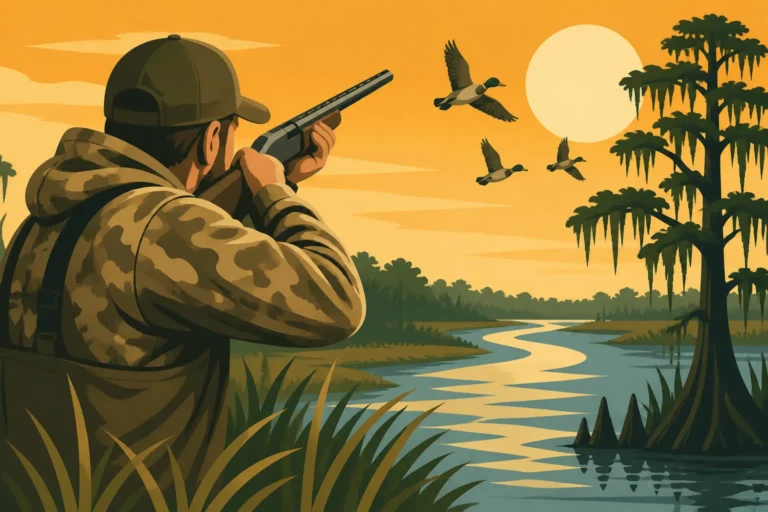
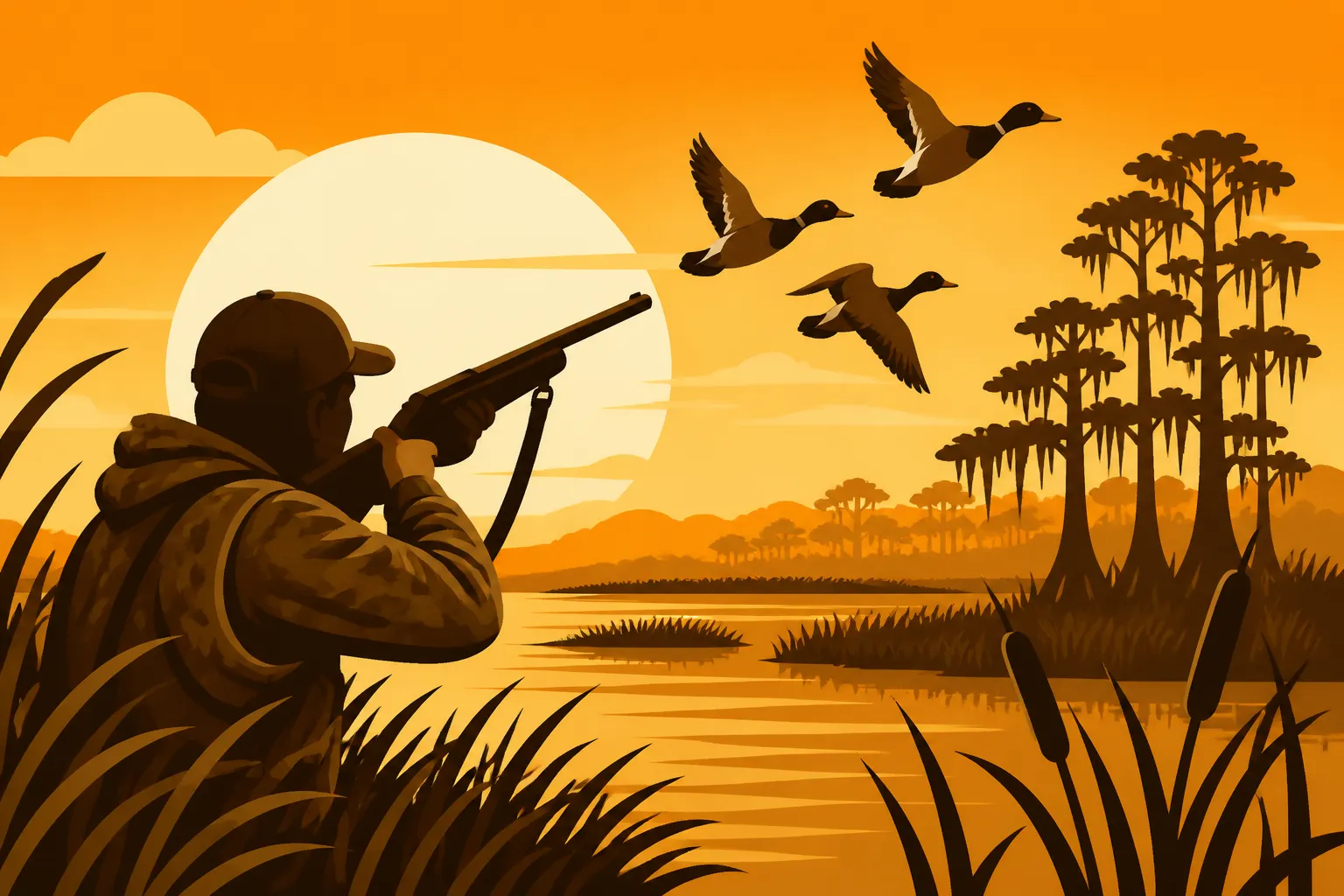
For many waterfowlers, the thought of flooded timber hunting conjures images of mallards cupping their wings through ancient cypress trees. Yancey offers just that experience. The seasonal flooding creates prime habitat, drawing in a variety of ducks, particularly mallards, gadwall, and wood ducks. Hunting here is a truly immersive experience, requiring decoys, calls, and often waders or a small boat to access your spot. The key is finding areas with abundant natural food sources that have recently flooded. Look for concentrations of acorns or smartweed. While not part of the traditional Waterfowl Hunting the Louisiana Coastal Marsh, the Basin offers its own distinctive brand of duck hunting, emphasizing stealth and understanding the unique characteristics of timber holes and sloughs. Always consult the specific WMA waterfowl regulations, as they can differ from general state rules, and be sure to have your Louisiana Migratory Bird Certification and federal duck stamp in order.
Alligator Season: Lottery and Logistics
Louisiana offers a regulated recreational alligator season, and Richard K. Yancey WMA is often part of the alligator lottery. This is an incredibly unique opportunity, drawing numerous applicants for a limited number of tags. If you're fortunate enough to draw a tag for Yancey, prepare for an unforgettable experience. Alligator hunting in the Basin primarily involves setting hook-and-line baits in designated areas and then checking them at first light. It's a game of patience, stealth, and strength. Landing a large alligator from a small boat in a bayou is an intense and thrilling challenge. Prospective alligator hunters should study Louisiana's New Recreational Alligator Season rules and understand the specific requirements for hook placement, baiting, and dispatching. It's not a hunt to be taken lightly and often benefits from local knowledge or even a guided approach.
Special Considerations for Water-Based Hunts
Both waterfowl and alligator hunting at Yancey heavily rely on water access, which means a reliable boat is essential. This isn't just for getting to your spot, but for navigating the complex network of waterways, retrieving game, and ensuring your safety. Mud motors or shallow-draft boats are often preferred for reaching more remote areas. Remember that water levels can change rapidly, potentially stranding a boat or making a previously accessible route impassable. Safety is paramount on the water: always wear your life jacket, have appropriate lighting for low-light travel, and let someone know your float plan. The isolation and vastness of the Basin mean self-reliance is key, and being prepared for mechanical issues or unexpected weather is non-negotiable.
Important Rules, Regulations, and Safety Considerations
Hunting at any Louisiana WMA, and especially one as vast and dynamic as Richard K. Yancey, means adhering to a specific set of rules. Ignoring them can lead to serious consequences and detract from your experience.
WMA-Specific Permitting and Sign-In Procedures
Unlike some state public lands, all Louisiana WMAs have specific regulations that augment the general state hunting laws. For Richard K. Yancey, you will absolutely need a Wild Louisiana Stamp or a valid Louisiana hunting license that includes WMA privileges. Beyond that, many hunts, especially for deer and turkey, require a self-clearing permit. This means you must sign in and out at designated kiosks (or sometimes via an app) every time you enter and leave the WMA. This allows the LDWF to monitor hunter pressure and harvest data. Failing to sign in or out is a violation and can result in fines. Make it a habit the moment you arrive. Understanding the Louisiana WMA Quota Hunt Sign-In Process is fundamental, even for non-quota hunts where a self-clearing permit is still mandatory.
Firearms, Ammo, and Blaze Orange Requirements
The type of firearms and ammunition you can use for different seasons in Yancey is strictly regulated. For deer, centerfire rifles, shotguns with slugs, and archery equipment are generally permitted during their respective seasons. Primitive firearms also have specific windows. Always double-check the current hunting pamphlet for caliber restrictions and ammunition types. Blaze orange requirements are also non-negotiable during gun seasons for deer and other species. This isn't just a suggestion; it's a critical safety measure. Typically, a minimum amount of solid hunter orange on your outer garments, visible from all sides, is required. Even when archery hunting during a gun season, it's wise to wear some blaze orange for added visibility, especially on public land with other hunters present.
Navigating the Complexities of Louisiana Hunting Law
Louisiana hunting regulations, especially those governing WMAs, can be intricate. The best advice is to carry a copy of the current hunting regulations pamphlet and refer to it frequently. The LDWF also provides an excellent app and online resources where you can find specific WMA rules. Pay close attention to season dates, legal shooting hours, bag limits, and specific equipment restrictions (e.g., Crossbow Rules During Louisiana Archery Season). Beyond hunting regulations, remember that Treestand Rules on Louisiana Public Land are in effect, usually requiring stands to be removed after a certain period and prohibiting damage to trees. Being a responsible hunter means knowing and following these rules to the letter. Don't rely on word-of-mouth; always verify information with the official sources.
Planning Your Trip and Maximizing Success
Hunting Yancey WMA isn't a spur-of-the-moment decision. It demands forethought, preparation, and the right mindset to handle its challenges and increase your chances of success.
Pre-Season Scouting and Using Digital Tools
Scouting is paramount for success in an area like Yancey. If you can, visit the WMA several times before the season opens. Walk the ridges, explore the bayou edges, and look for signs of game. Pay attention to water levels and how they dictate travel corridors. Digital mapping tools like onX Hunt or GoHunt are your best friends here. You can layer satellite imagery with topo maps to identify subtle elevation changes, potential pinch points, and dry refuges during high water. Marking potential stand sites, bedding areas, and access routes on your GPS long before the season begins will save you invaluable time and effort when it counts. Remember to consider Scouting Louisiana Public Land Before Season from both water and land perspectives, as conditions will often dictate your primary mode of access.
Essential Gear for the Basin Environment
The Basin environment is unforgiving, so your gear needs to be up to the task. Here's a quick rundown of essentials:
- Navigation: Reliable GPS unit (and backup), compass, and printed map. Using the LDWF Map Tool is a great start.
- Water Access: If planning to hunt by boat, a shallow-draft vessel (like a flat-bottom boat with a mud motor or even a pirogue) is often ideal. Paddleboards or kayaks can offer stealthy access into tight spots.
- Footwear: Chest waders or knee boots are almost always necessary. Waterproof hiking boots for dry ground, but expect mud.
- Insect Protection: Mosquitoes, gnats, and other biting insects are legendary in the Basin. Bring head nets, repellent, and long sleeves.
- Water & Food: Plenty of both. Resupply options are limited once you're deep in the WMA.
- First Aid: A comprehensive kit, including snake bite kit, is a must. Cell service can be spotty.
- Game Retrieval: A deer cart (if conditions allow dry ground) or a good dragging sled, plus strong ropes, are essential. Consider a game bag for meat if temperatures are warm.
Adapting to Changing Conditions and Hunter Pressure
The only constant in Yancey WMA is change. Water levels fluctuate, food sources come and go, and hunter pressure can be intense, especially on opening weekends. Be prepared to adapt your strategy on the fly. If you arrive and find your planned area flooded, have a backup plan for a higher ridge. If you encounter too many hunters in one spot, be willing to move and seek out less-pressured areas. Sometimes, simply walking a bit further or taking a less obvious boat route can make all the difference. Finding Ground That Sees Fewer Hunters often means embracing the discomfort and putting in the extra effort. Embrace the challenge, learn from every outing, and understand that success in Yancey is often a cumulative result of experience and perseverance in one of Louisiana's truly wild places.
Here's a quick look at some key aspects of hunting Yancey WMA:
| Game Species | Primary Season | Typical Habitat / Strategy | Access Method | Gear Considerations |
|---|---|---|---|---|
| White-tailed Deer | Archery, Primitive, Firearms | High ground, ridges, bayou edges. Hunt funnels, bedding areas. | Boat, foot, ATV (where allowed) | GPS, waders, treestand, game cart/sled, insect repellent |
| Feral Hogs | Year-Round | Along water, thickets, rooting sign. | Boat, foot, ATV (where allowed) | GPS, waders, tough boots, thermal (if legal) |
| Waterfowl | Late Fall – Winter | Flooded timber, sloughs, open water pockets. | Boat (shallow draft), pirogue, kayak | Decoys, calls, waders, blind material, retriever dog |
| Squirrels & Rabbits | Fall – Winter | Bottomland hardwoods, brushy edges. | Foot | Small gauge shotgun/rimfire, good boots, keen eyes |
| Alligator | Late Summer/Early Fall | Bayous, sloughs, open water. (Lottery hunt) | Boat (stable platform) | Heavy lines, legal hooks, large cooler, dispatch tool |
Disclaimer
This article is for general informational purposes only and does not constitute professional advice. Laws, prices and regulations vary by location and change over time. Consult a qualified professional for guidance on your specific situation.