Kisatchie’s Five Ranger Districts
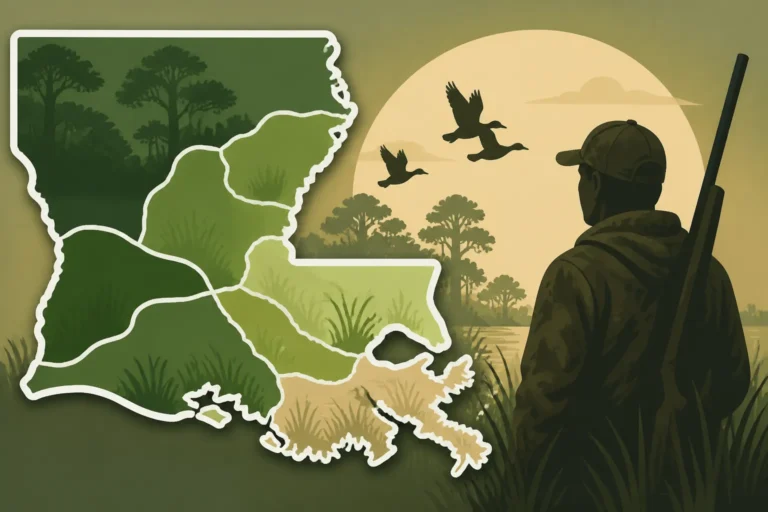
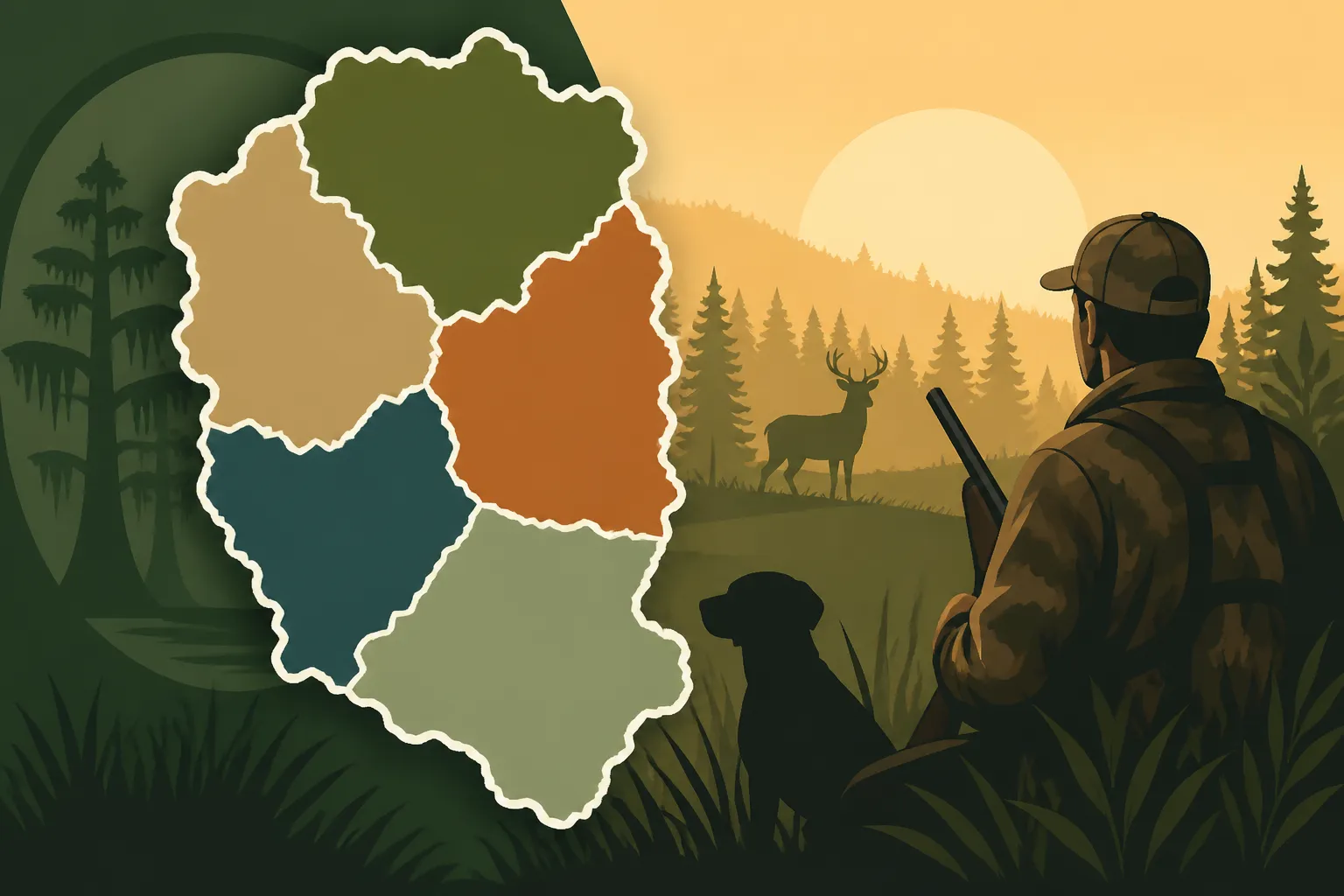
Hunting a vast expanse like Kisatchie National Forest can feel like trying to find a needle in a haystack, especially when you consider its sheer size and the way it's managed. Many hunters get overwhelmed by the scale, not realizing that this massive public land is actually broken down into five distinct ranger districts, each with its own character and challenges. This guide is here to unravel the complexities of Kisatchie's five ranger districts, helping you understand their unique features so you can plan your next hunt with confidence and precision.
Understanding Kisatchie National Forest's Scale and Structure
Kisatchie National Forest is Louisiana's only national forest, a sprawling wilderness that offers some of the best public land hunting opportunities in the state. We're talking hundreds of thousands of acres spread across central and north Louisiana, a mix of pine uplands, hardwood bottomlands, and everything in between. It's a treasure trove for deer, turkey, hogs, and small game, but its very size can be intimidating. Without understanding how the forest is organized, it's easy to feel lost before you even leave your truck.
Why Ranger Districts Matter for Hunters
Imagine trying to navigate New Orleans without knowing the names of the parishes or neighborhoods. You'd just see a big city. Kisatchie's ranger districts are essentially its neighborhoods, each with its own distinct feel, management focus, and even subtle differences in habitat and game populations. While the overall hunting regulations for the national forest are consistent, the application of those rules, the types of roads you'll find, the predominant tree species, and even the local hunting pressure can vary significantly from one district to another. Knowing which district you're in, and what that district is known for, is absolutely crucial for effective scouting and hunting. It helps you narrow down your focus, understand the lay of the land, and predict animal behavior based on the specific environment. Think of it as breaking a giant puzzle into five smaller, more manageable pieces. Kisatchie National Forest Hunting is a topic many hunters want to crack, and understanding these districts is step one.
For example, one district might have extensive clear-cuts undergoing reforestation, attracting deer that browse on young growth, while another might be dominated by mature timber, drawing deer to acorn-heavy creek bottoms. Without this distinction, you might spend days looking for deer sign in the wrong type of habitat. Mapping tools like onX Hunt are incredibly valuable here, as they clearly delineate national forest boundaries and often show district lines, allowing you to see exactly where you are and what type of terrain lies ahead. This granular detail helps you match your hunting strategy to the specific conditions of that district.
General Hunting Opportunities and Challenges
Kisatchie National Forest provides fantastic opportunities for a variety of game species. White-tailed deer are the most popular target, with seasons typically aligning with the statewide regulations, though specific primitive firearms or youth hunts might have unique dates. Turkeys are present, particularly in areas with a good mix of mature hardwoods for roosting and open understories for strutting. Feral hogs are abundant across all districts and offer a year-round hunting opportunity, which is a huge bonus. Small game like squirrels and rabbits also thrive in many areas.
However, hunting Kisatchie also presents its own set of challenges. Firstly, it's public land, meaning you'll likely encounter other hunters, especially during opening weekends or peak rut periods. This necessitates adapting your strategy to Hunting Pressure on Louisiana Public Land. Access can be tricky, with some areas featuring well-maintained forest roads and others requiring serious off-road vehicles or long walks to reach. Habitat can be dense and unforgiving, particularly in river bottoms or regenerating clear-cuts. Additionally, understanding the specific rules for things like Treestand Setups in Kisatchie National Forest or ATV Rules on Louisiana Forest Roads is paramount. Carrying maps or using a reliable GPS app like GoHunt that works offline is non-negotiable, as cell service can be spotty at best in many of these remote areas. Being prepared for varying terrain, potential encounters with other hunters, and the sheer physical effort required to penetrate deeper into the forest is key to success here.
The Calcasieu Ranger District: Central Pines and Hardwoods
The Calcasieu Ranger District is located in the southwestern part of Kisatchie National Forest, primarily within Rapides and Vernon Parishes. This district often presents a mixed bag of habitat, making it interesting for hunters who like to adapt. You'll find a significant amount of managed pine forest, a common sight across central Louisiana, but also some valuable pockets of bottomland hardwoods along creeks and rivers.
Key Features and Habitat for Deer and Small Game
This district is characterized by its rolling terrain, which isn't as dramatic as some of the more rugged parts of Kisatchie, but still offers good contour for deer movement. The pine plantations, in various stages of growth, provide excellent bedding cover for deer and often produce tender browse in their younger stages. When these pines are thinned, it allows sunlight to hit the forest floor, encouraging the growth of forbs and grasses that deer love to eat. Deeper in the creek drainages and along the larger waterways, you'll find stands of mature hardwoods, primarily oaks, hickories, and sweetgum. These hardwood areas are critical, especially during the fall and early winter when acorns become a primary food source for deer, squirrels, and even hogs.
Hunting here for deer means paying close attention to the transition zones – where the pines meet the hardwoods, or where a dense pine thicket gives way to a more open forest. These edges are natural travel corridors for deer. For small game, specifically squirrels, those mature hardwood bottomlands are gold. Listen for cutting squirrels in the hickory trees or foraging under oaks in the early morning. Squirrel and Small Game Hunting in Louisiana is a popular pastime, and districts like Calcasieu offer prime opportunities when you know where to look for those mast-producing trees.
Navigating Access and Terrain in Calcasieu
Access into the Calcasieu Ranger District is generally good, with a network of forest roads crisscrossing the area. Many of these roads are gravel and well-maintained, allowing for decent vehicle access, though some might require a 4×4, especially after heavy rains. It's crucial to consult a detailed map or use a robust mapping application to understand which roads are open to vehicular traffic and which might be gated or designated for foot traffic only. This is where tools like onX Hunt can really shine, showing public land boundaries and detailed road networks right on your phone, even if you don't have cell service.
The terrain, while rolling, isn't usually overly steep, making it more accessible for hunters who might not want to tackle extremely rugged climbs. However, crossing creek bottoms can be challenging, especially during periods of high water. Plan your entry and exit routes carefully, paying attention to natural pinch points and funnels created by the topography. Scouting before the season, either physically or using aerial maps, is highly recommended to identify potential stand locations, bedding areas, and water sources. Remember, the deeper you're willing to walk from a main road, the less hunting pressure you're likely to encounter, and that can make all the difference in a public land setting.
The Catahoula Ranger District: Diverse Forests and Water Features
Moving east into the heart of Louisiana, the Catahoula Ranger District, primarily within Rapides and Grant Parishes, offers a slightly different character than Calcasieu. It's known for its incredibly diverse habitats, including significant areas of mature hardwoods mixed with pine uplands and numerous small streams, creeks, and even some oxbow lakes. This district is a prime example of why Kisatchie is such a dynamic hunting destination.
Identifying Prime Deer and Turkey Habitat
The Catahoula District boasts some of Kisatchie's best hardwood bottoms, particularly along the larger creeks and their tributaries. These areas often feature large, mature oak trees that are absolute magnets for deer when acorns drop. During the rut, these hardwood pockets can be bustling with activity as bucks cruise for does. Scouting for old rubs and scrapes along these creek bottoms can be incredibly productive. Beyond deer, these same hardwood bottoms are critical for wild turkeys. Turkeys will often roost in the tallest trees near water and spend their mornings foraging for mast and insects on the forest floor. Areas with a more open understory beneath mature hardwoods are ideal for turkeys to strut and display.
Pine ridges interspersed throughout the district also hold deer, especially for bedding cover. Look for saddles and points along these ridges that funnel deer movement. Reading a Ridge for Central Louisiana Deer is an art form, and Catahoula provides ample opportunities to practice it. The diverse habitat means deer have options, so understanding current food sources and weather patterns is vital to predict where they'll be. If acorns are plentiful, focus on hardwoods. If it's a poor mast year, deer will shift to browse in younger pine stands or clear-cuts.
Waterfowl and Other Opportunities
While not primarily a waterfowl district like the coastal marsh, the Catahoula Ranger District does offer limited, but often overlooked, opportunities for duck hunting along its numerous creeks, beaver ponds, and small oxbows. Wood ducks are the most common species encountered in these flooded timber environments. Finding a secluded beaver pond or a slough that holds water consistently can lead to exciting jump-shooting or small decoy setups. It requires significant scouting and often involves wading, but for those willing to put in the effort, it can be a unique experience in an unexpected location.
Beyond deer and turkey, the district is also fantastic for Hunting Louisiana's Year-Round Feral Hogs. Hogs thrive in the dense cover and abundant food sources found here, particularly in the creek bottoms where they can wallow and root for tubers. Small game, especially squirrels, are plentiful in the mature hardwood sections, making this a great place for a morning bushytail hunt. For predator hunters, coyotes are also present, especially on the edges of agricultural land that sometimes border the forest. This district truly offers something for almost every type of hunter.
The Caney Ranger District: Upland Hardwoods and Rolling Hills
Nestled in the northern part of Kisatchie, the Caney Ranger District primarily covers parts of Webster, Claiborne, and Bienville Parishes. This district stands out for its more pronounced rolling hills and significantly higher proportion of upland hardwoods compared to some of its southern counterparts. It's a district where elevation changes, though not mountainous, play a more defining role in game movement.
Hunting Strategy for Deer and Squirrels
The Caney Ranger District is characterized by its distinct ridges and valleys, often covered in mixed pine and mature hardwood forests. This topography creates natural funnels and travel corridors that deer frequently utilize. During the rut, bucks will often cruise the tops of these ridges, using the elevation to scent-check for does. Focus your scouting efforts on saddles between two high points, or along the sides of ridges where deer trails are most defined. Hanging a Stand on a Kisatchie Ridge here can be highly effective if you understand the prevailing wind and thermal patterns. Unlike flatter terrain, thermals in hilly country can be unpredictable, rising in the morning and falling in the evening, so being aware of wind direction throughout the day is critical.
The abundant hardwoods make this district a squirrel hunter's paradise. Oak and hickory groves are plentiful, and on a crisp fall morning, you can often hear the tell-tale "cut-cut-cut" of a squirrel opening an acorn or nut from a good distance. For hunters pursuing both deer and squirrels, an early morning squirrel hunt can transition seamlessly into an afternoon deer sit, especially if you're in an area rich with mast. Wild hogs also frequent these hardwood bottoms, attracted to the same food sources as deer and squirrels, offering an opportunistic bonus.
Public Access Points and Considerations
Access to the Caney Ranger District typically involves a network of gravel forest roads and secondary logging trails. Many main roads are generally well-maintained, but some of the lesser-used spurs can become quite rough, especially after heavy rains or logging operations. Always be prepared for varied road conditions and consider a high-clearance vehicle if you plan to venture off the main routes. As with all public land, using a reliable mapping app is indispensable here. Platforms like GoHunt or onX Hunt can show you not only the road system but also property boundaries, helping you ensure you stay on national forest land.
Due to its rolling terrain, getting deep into some areas might require more physical effort. However, this often translates to less hunting pressure, which can be a significant advantage. Look for areas that are a half-mile or more from primary access points, as many hunters won't venture that far. Planning your entry and exit routes, packing adequate water, and being mindful of your surroundings are paramount. The natural contours of the land also make it easier to still-hunt, moving slowly and deliberately along a ridge or through a bottom, using the terrain to break up your silhouette. Scouting Louisiana Public Land Before Season is particularly rewarding in this district, allowing you to identify these subtle terrain features and well-used game trails before opening day.
The Kisatchie Ranger District: The Forest's Namesake Challenges
The Kisatchie Ranger District, encompassing parts of Natchitoches and Sabine Parishes, is arguably the most rugged and, for many, the most iconic part of the entire national forest. It's home to the Kisatchie Hills Wilderness Area, which brings a whole different set of considerations for hunters seeking a truly wild experience. This district often embodies the essence of what hunters imagine when they think of public land in Louisiana's "hill country."
Wilderness Areas and Special Regulations
Within the Kisatchie Ranger District lies the Kisatchie Hills Wilderness Area, a federally designated wilderness that imposes strict regulations to preserve its primitive character. This means no motorized vehicles, no bicycles, and often limits on certain types of equipment. For hunters, this translates to true walk-in access only, offering a profound sense of solitude but also demanding more physical endurance and meticulous planning. Treestands are typically prohibited unless they are completely self-contained and removed daily, and permanent blinds are out of the question. Still-Hunting Kisatchie Hills Wilderness is often the most practical and effective method here, relying on stealth and patience.
Hunting in a wilderness area demands a minimalist approach. Lightweight gear, portable stands that can be packed in and out each day, and a deep understanding of navigation are essential. While the challenges are greater, the rewards can be too. Less human disturbance often means less pressured game, potentially offering a more natural hunting experience. It's vital to check the latest regulations for the Kisatchie Hills Wilderness specifically, as they can differ from general national forest rules.
Tactics for Pressured Deer
Even outside the designated wilderness area, the Kisatchie Ranger District can experience significant hunting pressure, especially on weekends and during the early part of the deer season. The key to success here often lies in finding pockets of overlooked habitat or outworking other hunters. This means being willing to walk farther, hunt thicker cover, or climb into areas that others might shy away from. Deer quickly learn to avoid easy access points and heavy human activity.
Look for areas with dense cover, such as regenerating clear-cuts or thick palmetto patches, that are a good distance from roads or well-used trails. These often serve as bedding areas for pressured deer. Hunting during the week, if possible, can also dramatically reduce competition. Employing silent entry and exit strategies is crucial – no slamming truck doors, no loud conversations on the walk in. Consider using calls like rattles and grunts, but adapt their volume to the thick cover common here. Rattling Volume in Thick Cover should often be softer and more subtle than in open country, mimicking a closer, more natural encounter. Understanding how deer react to pressure and adapting your tactics accordingly will be your biggest asset in this challenging district.
The Winn Ranger District: Expansive Timber and Creek Bottoms
The Winn Ranger District, located primarily in Winn and LaSalle Parishes, represents another significant chunk of Kisatchie National Forest, characterized by vast timberlands and a network of productive creek bottoms. This district, like others, offers varied terrain, from rolling uplands to flat, flood-prone areas, making it a diverse habitat for Louisiana game.
Species Focus and Habitat Breakdown
Winn District is a strong producer for white-tailed deer, particularly those areas that feature a mosaic of mature pine and hardwood forests. The pine uplands, managed for timber production, offer different growth stages that provide both browse and cover. Younger pine stands can be incredibly thick, offering excellent bedding areas, while older stands provide more open understories suitable for still-hunting. The real gems for deer, however, are often the creek bottoms and drainages that cut through the district. These areas are typically dominated by mature hardwoods, providing crucial mast crops like acorns and pecans, which are irresistible to deer and hogs. During the peak of the rut, these hardwood bottoms act as highways for cruising bucks.
Wild turkeys are also present, favoring the mature hardwood areas for roosting and foraging. Listen for gobblers along creek lines at dawn, and scout for sign like tracks and droppings in open timber. For small game, the Winn District's extensive hardwood areas provide excellent habitat for squirrels, particularly fox squirrels and gray squirrels. Squirrel Hunting Louisiana Bottomland Hardwoods is a classic pursuit, and Winn offers plenty of ground for it. Feral hogs are prolific throughout the district, benefiting from the plentiful food and cover, and can be hunted year-round.
Planning Your Hunt in Winn
Planning a hunt in the Winn Ranger District requires attention to detail, especially regarding access and the lay of the land. The district features a comprehensive network of forest roads, some paved but most gravel, that provide access to various parts of the forest. However, not all roads are open to public vehicle traffic, and some may be seasonally gated or restricted for specific purposes like logging. Always consult up-to-date maps, ideally from the National Forest Service or a mapping app, to confirm access. It's also wise to check for temporary closures due to timber operations or prescribed burns, which are common in managed forests.
Because of the expansive nature of the timberlands, finding prime hunting locations often means venturing away from easily accessible areas. Utilize aerial imagery from GoHunt or onX Hunt to identify remote pockets of hardwoods, funnel points, or distinct terrain features that might concentrate game. Consider the seasonal changes in food sources – focus on soft mast early in the season, then shift to hard mast (acorns) as fall progresses. Understanding the prevailing winds and thermals, especially in the undulating terrain, is critical for a successful approach and sit. Be prepared for potentially long walks, and always let someone know your hunting plan, including your intended entry and exit points and expected return time.
Here's a quick comparison of the districts:
| Ranger District | Primary Habitat Features | Key Game Species Focus | General Terrain | Access & Challenges |
|---|---|---|---|---|
| Calcasieu | Mixed managed pine forest, scattered hardwood creek bottoms | Deer, Squirrels, Hogs | Rolling Hills | Generally good forest road access; some rougher spurs. Moderate hunting pressure. |
| Catahoula | Diverse mature hardwoods, pine uplands, numerous creeks/ponds | Deer, Turkey, Hogs, limited Wood Ducks, Squirrels | Varied | Good road network, but can be remote. Scout for water features. |
| Caney | Upland hardwoods, rolling hills, mixed pine | Deer, Squirrels, Hogs, Turkey | Rolling Hills | Good access, but deeper terrain can deter some hunters. |
| Kisatchie | Rugged hills, mixed pine/hardwood, Kisatchie Hills Wilderness | Deer, Hogs, Squirrels (Wilderness offers primitive hunt) | Rugged Hills | Mixed access, some areas walk-in only (wilderness). High pressure near roads. |
| Winn | Expansive managed timber, significant creek bottom hardwoods | Deer, Squirrels, Hogs, Turkey | Varied | Good network of forest roads, but check for logging closures. Requires thorough scouting. |
Disclaimer
This article is for general informational purposes only and does not constitute professional advice. Laws, prices and regulations vary by location and change over time. Consult a qualified professional for guidance on your specific situation.