Decoy Placement for Pressured Louisiana Birds
One of the biggest frustrations for any hunter in Louisiana is facing birds that have seen it all. Whether it's a wise old gobbler that's dodged countless calls or a flock of ducks that flare at the slightest hint of a spread, pressured birds are a real challenge. This comprehensive guide dives deep into the art and science of decoy placement, specifically tailored to outsmarting these incredibly wary feathered friends across the diverse landscapes of our great state.
Understanding Why Louisiana Birds Get Pressured
When you're out in the marsh or the piney woods, and the birds just aren't responding like they should, it's easy to get discouraged. The truth is, these animals aren't dumb; they're incredibly adaptable and learn quickly from their experiences. In Louisiana, with our long seasons and abundance of public land, hunting pressure is a significant factor in bird behavior.
The Impact of Constant Hunting Pressure
Imagine a flock of pintails that flew the entire Mississippi Flyway, only to be shot at consistently every day for weeks on end in the same few rice fields. They're going to get wise. Constant hunting pressure teaches birds what looks, sounds, and feels like danger. They learn to identify common decoy spreads, recognize unnatural calling sequences, and associate certain areas with high risk. This leads to birds that circle wide, land short, or simply avoid a setup altogether, often flying silently away long before you even know they were there. It's a cumulative effect, and by mid-season, many birds are seasoned veterans of evasion.
This wariness is why a spread that worked like magic on opening day might be completely ignored a few weeks later. Birds develop a collective memory, too. If one flock flares violently from a particular field, others might observe this behavior and avoid the area themselves. They're constantly assessing their environment for threats, and consistent human activity, whether it's hunters, boats, or ATVs, registers as a red flag. Over time, this forces them into different feeding and resting patterns, making them incredibly unpredictable.
Public Versus Private Land Dynamics
The difference in pressure between public and private land can be stark, especially in Louisiana. On public Wildlife Management Areas (WMAs) or federal refuges, where access is often more open, birds can be hammered daily. This makes them extremely sensitive to any setup that deviates from what they consider "safe" or "natural." You might find yourself competing with dozens of other hunters, each trying their own version of a perfect spread, which only adds to the birds' education. These birds become experts at discerning subtle cues, like the sheen on a cheap decoy or an unnatural grouping.
Private land, on the other hand, can offer a reprieve, but it's not a guarantee. If a small private tract is hunted aggressively, those birds will be just as, if not more, pressured than their public land counterparts. However, if a private property is managed with restraint, perhaps only hunted a couple of days a week, the birds might remain more gullible. They haven't had the same repeated negative encounters, allowing them to retain a bit more of their natural curiosity. This difference means your decoy strategy needs to adapt not just to the species, but also to the specific locale and its hunting history.
The Core Principles of Decoy Placement for Wary Birds
When birds are pressured, throwing out a dozen decoys in a random blob simply won't cut it. You need to think like the birds, anticipating their fears and offering them an irresistible invitation they can't refuse. It's about psychology as much as it is about equipment.
Less Is Often More
This might sound counterintuitive, especially if you're used to throwing out massive spreads for unpressured ducks, but for wary birds, minimalism often trumps quantity. A large, static spread can look unnatural to birds that have seen every trick in the book. Instead, focus on a smaller, hyper-realistic setup. For ducks, this might mean just a half-dozen high-quality decoys, carefully placed to mimic natural feeding or resting behavior. For turkeys, one or two ultra-realistic hen decoys are often more effective than a full flock. The goal is to create a subtle, unassuming scene that doesn't scream "ambush!"
When you're dealing with birds that are already on high alert, any hint of an anomaly in a large spread can send them packing. Think about how a few ducks might land naturally in a small pond, rather than a dense raft of 50. This less-is-more approach also reduces the amount of equipment you need to haul, which is a bonus, especially when you're wading through the Louisiana coastal marsh. Consider using only drake decoys for ducks in late season, as drakes often present a less threatening profile to other birds.
Creating a Realistic, Inviting Scene
The key to fooling pressured birds lies in creating a scene that looks completely natural and safe. Birds are looking for security, food, and companionship. Your decoys should reflect these elements. For waterfowl, position some decoys as if they are actively feeding (head down, butt up), some preening, and a few just loafing. This dynamic posture suggests comfort and contentment. Avoid perfectly symmetrical patterns; nature is rarely uniform. Instead, create loose family groups or small feeding clusters.
For turkeys, the setup is equally critical. If using a gobbler decoy, make sure it's not too aggressive, especially if other gobblers in the area have already been challenged and lost a fight. Sometimes a submissive jake or a lone hen is enough to pique a wary tom's interest. The placement should also consider the terrain. Don't put decoys where real birds wouldn't naturally be, like in thick brush where they can't be seen or on uneven ground that looks uncomfortable. A realistic scene draws birds in, offering a visual confirmation that the spot is safe, even when they're making their wide, scrutinizing circles.
Wind and Sun Considerations
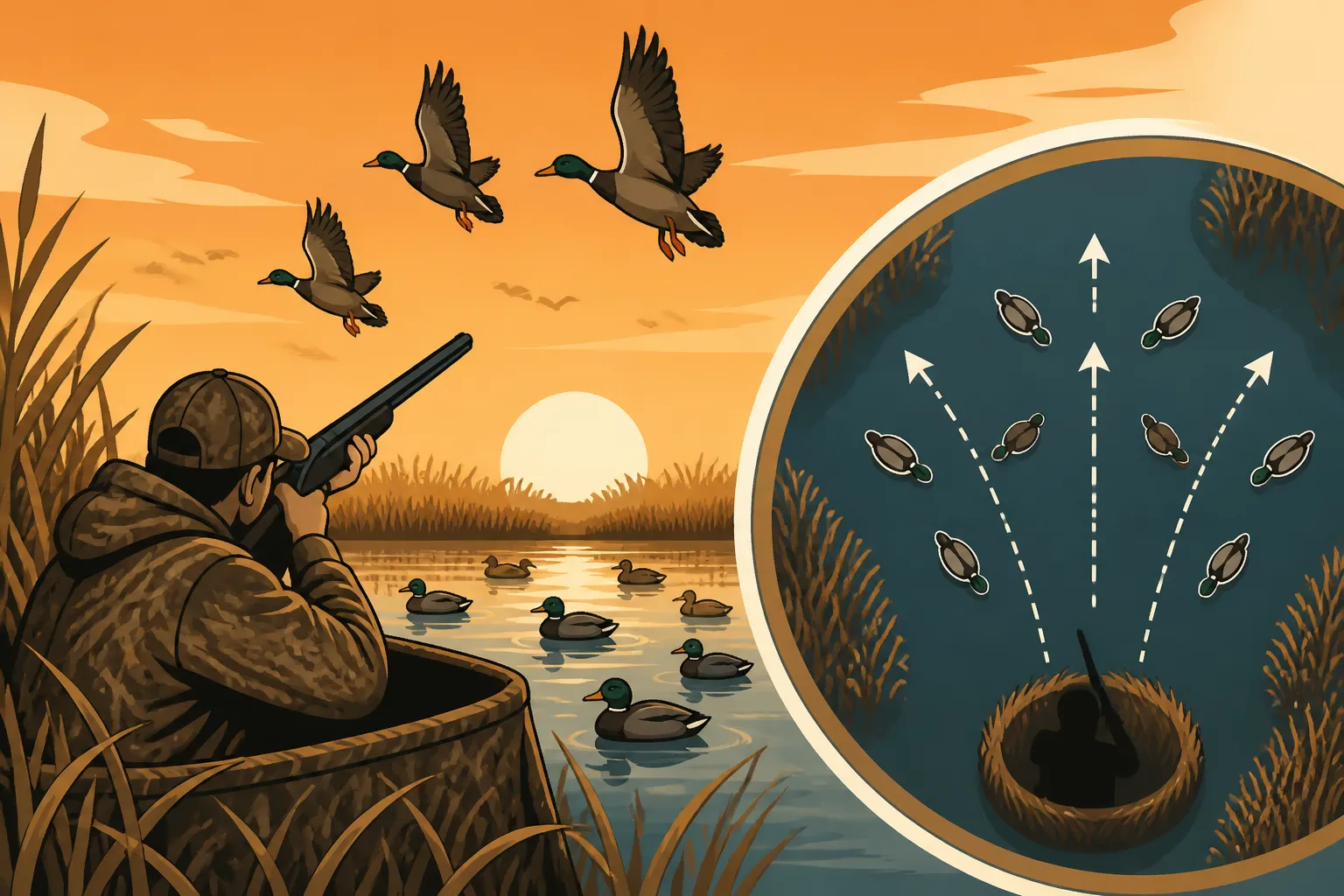
Wind and sun aren't just minor details; they are critical factors that can make or break your decoy spread for pressured birds. Birds almost always land and take off into the wind. This means you need to position your decoys, and more importantly, your blind, downwind of your spread. By placing your blind correctly, the birds will naturally present broadside or slightly quartering shots as they cup their wings to land directly in front of you. Misjudge the wind, and they'll either land behind you, offering only a fleeting shot, or they'll approach from an awkward angle, making them even warier.
The sun's position is equally vital. Placing decoys so they are backlit by the morning sun can turn them into dark, silhouetted blobs, making them look unnatural and flat. Conversely, having the sun at your back illuminates your decoys, making them appear more vibrant and realistic, while potentially shining into the eyes of approaching birds, making it harder for them to spot your blind. Always consider how the light will hit your spread throughout your hunting period. Overlooking these environmental factors is a common mistake that wary birds will quickly exploit.
Species-Specific Decoy Strategies for Pressured Birds
Each species, whether it's a cunning mallard or a cagey gobbler, requires a nuanced approach to decoy placement when dealing with high pressure. What works for one might send another bolting.
Wary Louisiana Ducks
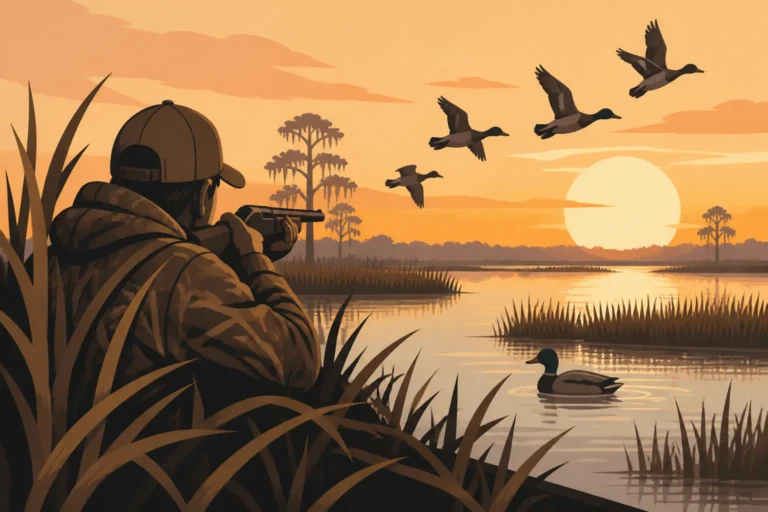
Louisiana's ducks, particularly on public lands like the Sabine Wildlife Refuge or heavily hunted rice fields near Hunting Cameron Parish Marsh Ducks, become incredibly smart. Forget the "X" pattern or the big "J" hook that worked on YouTube. For pressured ducks, especially mallards and gadwalls, try a "loafing pocket" or a small, loose feeding group. The idea is to create a small, inviting landing zone directly in front of your blind, with just a few decoys scattered around it.
Instead of a dozen mallards, use three or four high-quality, lifelike decoys. Mix in a few different species that are common to the area, like pintails or gray ducks, but keep the numbers low. Crucially, add movement. A jerk string or a subtle spinning wing decoy (used sparingly and tucked away) can provide that critical flicker of life. Consider placing a single drake or hen slightly apart from the main group, as if guarding the edge, signaling security to incoming birds. Don't crowd your decoys; give them space, just like real birds would have. A sparse, realistic spread often appears safer than a dense, artificial looking one.
Tough-to-Decoy Geese
Snow geese and specklebellies in Louisiana's coastal rice fields are notoriously difficult to decoy once they've been shot at. They often circle high, scrutinizing the spread from afar. For specklebellies, which are particularly wary, a small spread of ultra-realistic full-body decoys is often more effective than a massive spread of shells. Focus on family groups – a few adults with a juvenile or two – as these birds are very family-oriented.
Snow geese, while often hunted with massive spreads, can also benefit from a more strategic approach on pressured birds. Instead of just a sea of white, try creating "landing strips" or open lanes within your spread, leading directly to your blind. Add a few "sentinel" decoys, standing tall at the edges, to give the illusion of watchfulness. Incorporate flags, used by a well-hidden hunter, to simulate subtle wing beats or birds landing. Remember to mimic feeding behavior: many snow geese decoys should have their heads down. Brands like Avian-X offer incredibly lifelike goose decoys that can make a difference when birds are on high alert. This is where investing in quality decoys really pays off, as the slightest unnatural sheen or poor posture can give away the whole setup.
Turkeys That Have Seen It All
Louisiana's spring turkeys, especially those old gobblers on public lands where Run-and-Gun Turkey Tactics on Public Land are common, become incredibly cautious. They've heard every locator call, seen every fan, and approached countless setups only to find a hunter. For these birds, subtlety is your best friend. Ditch the full strut gobbler decoy unless you're absolutely sure there's an aggressive tom that needs challenging. Often, that aggressive display can scare off a more wary bird.
Instead, opt for one or two realistic hen decoys. A breeding pair setup (a receptive hen and a jake or breeding gobbler decoy) can sometimes work, but ensure the gobbler isn't too dominant-looking. Position your hen decoys naturally, perhaps one feeding and one looking up. A "submissive" jake decoy, or even just a single hen looking receptive, can often draw a wary gobbler in closer than a full-strut setup. Place your decoys about 15-20 yards from your position, ensuring a clear shot, and always consider where the gobbler will approach from. When you're in an area where Louisiana Turkey Area A, B and C Rules mean heavy pressure, keeping it simple and believable is paramount.
Advanced Tactics and Avoiding Common Mistakes
Beyond the basics, there are some nuanced strategies and common pitfalls to avoid when attempting to decoy pressured birds. These finer points can be the difference between a successful hunt and a frustrating morning.
Motion and Movement
Adding realistic motion to your decoy spread is critical for pressured birds, but it needs to be subtle and natural. Overly aggressive or continuous movement can actually alert wary birds. For ducks, a simple jerk string attached to a few feeding decoys can create ripples and head movement that mimics contented ducks. Intermittent use of a spinning wing decoy, perhaps turned on for short bursts every few minutes, can catch attention without becoming a red flag. The key is intermittent and realistic movement, not constant, robotic flapping.
For geese, flags can be incredibly effective when used with skill. A goose flag, manipulated to mimic a bird landing or stretching its wings, can draw attention from great distances. However, if used incorrectly or too frequently, it can look like an alarm signal. Practice your flagging technique to ensure it looks natural. For turkeys, subtle movement of a fan can sometimes draw an interested gobbler in, but be very cautious not to reveal your position. Motion, when done right, provides that extra layer of realism that can convince a wary bird to commit.
Concealment Is Key
No matter how perfect your decoy spread is, if you're not perfectly concealed, pressured birds will spot you a mile away. This is especially true for species like ducks and geese, which have exceptional eyesight. Your blind needs to blend seamlessly with the natural surroundings. Whether it's a layout blind in a cut rice field, a brushed-in boat blind in the marsh, or a ground blind tucked into dense cover in the woods, it must disappear.
Pay meticulous attention to overhead cover; birds often spot hunters from above. Use natural vegetation from your immediate surroundings to break up your outline. Don't wear bright colors that contrast with your blind. Even subtle movements inside the blind can be picked up by wary eyes, so remain still and only move when absolutely necessary. Remember, if you can see out clearly, the birds can often see in, especially when they're intently looking for any sign of danger. Effective concealment allows you to finish the birds into your spread.
The "GoHunt" Approach to Scouting
In this day and age, technology plays a huge role in hunting, and for understanding pressured birds, scouting tools are invaluable. Services like GoHunt (or similar mapping platforms) allow you to extensively scout areas from your couch, identifying potential access points, natural pinch points, and cover for both you and the birds. You can see historical satellite imagery to understand land use changes, find hidden ponds, or identify old logging roads that might act as travel corridors.
Beyond just identifying spots, GoHunt can help you understand why birds might be pressured in certain areas. By cross-referencing public land boundaries, recent timber cuts, or even local weather patterns, you can begin to predict where birds might seek refuge or move between feeding and roosting areas. This kind of detailed intel, gathered before you even step foot in the field, informs your decoy placement by telling you what natural features to mimic or exploit. Knowing where other hunters might set up can also guide you to less pressured spots or help you design a spread that stands out as truly unique and safe.
Here's a quick reference table for common pressured bird decoy strategies:
| Species | Decoy Quantity & Type | Placement Strategy | Movement & Concealment | Key Considerations |
|---|---|---|---|---|
| Ducks | 3-6 high-quality decoys (mix of species common to area) | Loafing pocket, small feeding group, open landing zone. Avoid symmetrical patterns. | Jerk string for subtle ripples/head movement. Intermittent spinning wing. Maximize blind cover. | Wind direction is paramount for landing. Sun at your back. |
| Geese | 6-12 realistic full-body specks, 20-50 snow shells/full-bodies | Family groups for specks. Landing lanes for snows. Sentinels at edges. | Flags (used skillfully and sparingly). Subtle head movement. Layout blind concealment. | High vantage point for incoming birds. Don't overdo white for snows if fields are green. |
| Turkeys | 1-2 realistic hens, or a submissive jake/receptive hen | 15-20 yards from blind, where gobbler will approach naturally. Mimic feeding/loafing. | Minimal movement, a slow fan if needed. Complete tree/brush concealment. | Gobblers will circle. Anticipate approach angle. Avoid overly aggressive setups. |
Mastering Decoy Placement for Pressured Birds
Ultimately, successfully decoying pressured birds in Louisiana comes down to a combination of meticulous scouting, understanding bird behavior, and employing smart, subtle strategies. It's not about magic calls or expensive gear, but about presenting a scene so believable that even the most cautious bird drops its guard. Whether you're trying to pull a trophy gobbler into range or get a wary flock of teal to commit, paying attention to the details of your decoy setup—from the number of decoys to their posture, and crucially, your own concealment—will significantly increase your chances of success. It's a constant learning process, but with these tactics, you're well on your way to outsmarting even the wariest feathered residents of our great state. If you really want to dive deeper into specific tactics, consider exploring articles like Working Flooded Timber for Mallards or even Reading a Marsh Pond for a Morning Flight to refine your approach for various conditions and species. And don't forget, Scouting Louisiana Public Land Before Season is always your best first step!
Disclaimer
The information provided in this guide is for general informational purposes only and does not constitute legal or professional advice. Hunting regulations and conditions can change rapidly. Always consult the latest official regulations from the Louisiana Department of Wildlife and Fisheries (LDWF) before engaging in any hunting activities. The author and publisher are not responsible for any actions taken based on the information presented herein.