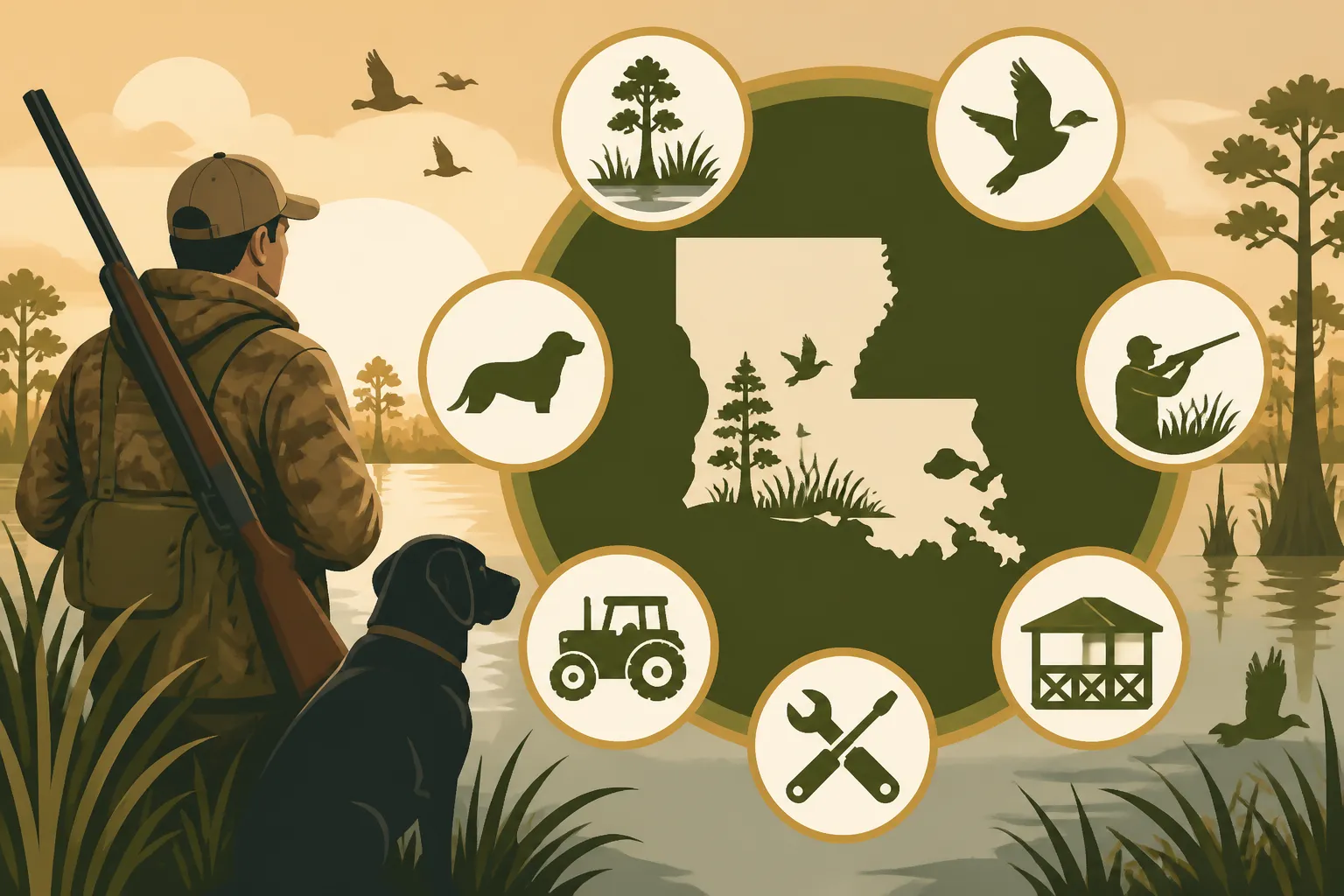
What Louisiana Hunting Club Dues Include
Thinking about joining a hunting club in Louisiana can feel like peering into a secret society, especially when you're trying to figure out what your hard-earned money actually gets you. Many hunters feel frustrated by the lack of transparency around club dues, wondering if they're just paying for a gate key or if there's real value in the membership. This comprehensive guide will pull back the curtain on what's typically included in Louisiana hunting club dues, helping you understand the myriad of benefits and responsibilities that come with joining a lease, so you can make an informed decision for your hunting future.
Understanding the Foundation: Land Access and Exclusive Rights
One of the primary reasons hunters join a club is for reliable, exclusive access to hunting land. In a state like Louisiana, where public land can get heavily pressured, having your own slice of heaven is a huge draw. But "land access" means a lot more than just being able to step foot on the property.
Exclusive Hunting Territory and Boundaries
When you pay your dues, you're essentially buying a share of the exclusive hunting rights to a specific tract of land, often leased from a timber company, private landowner, or even the state. This means that, for the most part, only club members and their approved guests can hunt that property. This significantly reduces competition compared to public lands, which can be a huge relief, especially during popular seasons like the gun opener. You're not fighting crowds or worrying about someone else slipping into your favorite stand location.
The size of this territory varies wildly from club to club – some might lease a few hundred acres, others thousands. Dues typically reflect this, with larger, more desirable tracts often commanding higher prices. You'll want to inquire about the specific acreage and where the boundaries lie. Sometimes, clubs will have clearly marked lines, while others might rely on natural features or GPS coordinates. Knowing exactly what you're getting access to, and how that access is managed, is crucial. You might even find clubs that segment their land, offering different types of hunting experiences or rotational hunting strategies to reduce pressure in specific areas. This exclusive access is often the biggest factor in the appeal of a hunting club.
Duration and Seasonality of Access
Another key aspect of land access is the duration of your membership and the specific hunting seasons it covers. Most Louisiana hunting clubs operate on an annual lease cycle, meaning your dues grant you access for a full year, typically aligning with the state's hunting regulations. This usually includes not just the primary deer firearms season but also Bowhunting Louisiana's Long Archery Season, primitive firearms opportunities, and often small game seasons like squirrel and rabbit. Some clubs might even offer year-round access for activities like scouting, shed hunting, or even Hunting Louisiana's Year-Round Feral Hogs.
However, it’s important to clarify if there are any black-out dates or restrictions. For instance, some clubs might close access during specific periods for land management activities, or they might have separate rules for different species. Waterfowl clubs, for example, will focus entirely on duck and goose seasons, and deer hunting might not even be an option. Understanding the full calendar of access included in your dues helps set realistic expectations and ensures the club aligns with your primary hunting interests. Don't assume year-round access or access for every species unless it's explicitly stated.
Amenities and Infrastructure Provided
Beyond just access to land, many Louisiana hunting clubs offer a range of amenities and infrastructure that make the hunting experience more comfortable, convenient, and often safer. These can vary from basic necessities to luxurious comforts.
Roads, Trails, and Stand Sites
A well-maintained network of roads and trails is a huge perk that often comes with club dues. On large tracts, getting to your stand can be a major undertaking without proper access routes. Many clubs will invest in maintaining existing logging roads or creating new trails to improve vehicle and foot access to key hunting areas. This not only saves you time and effort but also minimizes disturbance to the habitat.
Furthermore, some clubs might provide established stand sites or even permanent box blinds. While many hunters prefer to hang their own stands, having pre-approved, safe locations, or even ready-to-hunt setups, can be a significant advantage, especially for new members or those with limited time for scouting and setup. Always ask about the rules for personal stands versus club-provided ones, and what kind of maintenance is expected from members. Clubs often have guidelines on Treestand Setups in Kisatchie National Forest or other areas, and following them is paramount for safety and harmony within the club.
Campgrounds, Lodging, and Facilities
For many, hunting is as much about the camaraderie at camp as it is about the hunt itself. Many Louisiana hunting clubs include access to a central camp area or even dedicated lodging as part of the dues. This could range from primitive campsites with shared fire rings to more developed areas with RV hookups, covered pavilions, or even small cabins. Some premium clubs might offer full-service lodges with bunk beds, kitchens, and communal living spaces – truly a home away from home during hunting season.
Common facilities you might find include a skinning shed or cleaning station, walk-in coolers for game storage, and often shared restroom and shower facilities. These are huge conveniences, especially for those hunting long weekends or during warmer periods. Discussing what's available and any rules for their use is essential. Is there a designated "quiet time"? Are generators allowed? Does the club provide propane for cooking or hot water, or is that on members to supply? These details can significantly impact your overall experience and the perceived value of your dues.
Management Practices and Conservation Efforts
A good hunting club isn't just about sharing land; it's about sharing a vision for managing that land for healthier wildlife and better hunting opportunities. A significant portion of your dues often contributes directly to these efforts.
Wildlife and Habitat Management
Many clubs actively engage in wildlife and habitat management practices. This might include planting food plots to supplement natural forage, thinning timber to improve cover and browse, or managing water sources. These efforts directly contribute to the health and size of the deer herd, turkey population, or other game species on the property. When considering a club, ask about their management philosophy and practices. Do they have a biologist consult with them? Do they track harvest data to make informed decisions about herd health? Clubs that invest in habitat management often provide superior hunting opportunities.
The specific type of management can vary. Some might focus heavily on deer, planting specific food sources like clover or winter wheat. Others might manage for Louisiana Waterfowl on the Mississippi Flyway with impoundments and specific plantings. Understanding these efforts helps you gauge the club's commitment to improving the hunting experience beyond just providing access. You want a club that sees itself as a steward of the land, not just a place to hang a stand.
Rules, Regulations, and Enforcement
Every successful hunting club operates under a clear set of rules and regulations, and your dues contribute to the administration and enforcement of these. These rules cover everything from harvest limits (often more stringent than state regulations, especially for bucks), guest policies, stand placement, and vehicle use, to camp etiquette. These rules are crucial for ensuring fair chase, promoting ethical hunting, maintaining safety, and preserving the quality of the hunting experience for all members. For instance, some clubs might have specific antler point restrictions or insist on taking a certain number of does before harvesting a buck to manage the herd density effectively. This can be a significant benefit, as it often leads to a higher quality deer herd with better age structure.
Enforcement typically involves a club president or board, sometimes with designated "huntmasters" or committees. Your dues help cover the administrative costs of communicating these rules, addressing violations, and ensuring everyone adheres to the agreed-upon standards. This framework creates a more orderly and enjoyable hunting environment, reducing conflicts and promoting responsible hunting practices. It's often through this structured approach that a club maintains its value and reputation.
Operational and Administrative Overheads
While less visible, a portion of your dues goes towards the day-to-day running of the club and legal or financial obligations. These are the cogs that keep the entire operation turning smoothly.
Lease Payments and Property Taxes
The biggest chunk of most club dues goes directly towards covering the annual lease payment to the landowner. This is the fundamental cost of securing exclusive hunting rights to the property. Land leases in Louisiana can be substantial, especially for well-managed or strategically located tracts. Your contribution, pooled with other members', makes this large payment feasible.
Beyond the lease, clubs may also be responsible for property taxes on any improvements they've made (like permanent structures) or even a portion of the land's property taxes, depending on the lease agreement. This financial obligation is a primary driver of membership costs. It's often one of the first things you'll want to inquire about when researching a club – understanding the underlying land cost helps contextualize the dues. For example, if you're looking for Louisiana Hunting Lease Costs, you'll see a wide range depending on location, acreage, and game potential.
Insurance, Legal, and Administrative Fees
Hunting comes with inherent risks, and clubs usually carry liability insurance to protect both the club and its members in case of accidents or incidents on the property. This insurance premium is another significant item covered by your annual dues. This provides a layer of security, giving members peace of mind knowing that certain eventualities are covered.
Additionally, there are often legal and administrative costs involved in drafting and maintaining lease agreements, handling member applications, and managing club finances. These might include fees for accountants, legal advice, or even specific software for managing member rosters and communications. While these might seem minor, they are critical for the professional and legal operation of the club. When searching for clubs, platforms like BookYourHunt or GoHunt, while primarily focused on guided trips or land mapping, might offer insights into typical lease structures or management considerations that inform these administrative overheads, helping you understand the underlying expenses.
Social Dynamics and Community Contributions
Joining a hunting club isn't just a transaction; it's often an entry into a community. Dues can also support the social fabric of the club and the collective contribution of its members.
Member Work Days and Shared Responsibilities
Many clubs operate on a "many hands make light work" philosophy, requiring members to contribute a certain number of workdays or hours throughout the year. Your dues, in a way, compensate for the collective effort of maintaining roads, clearing trails, planting food plots, or performing camp maintenance. If you're unable to participate in these workdays, some clubs might offer an option to pay an additional fee in lieu of physical labor. This ensures that the essential tasks get done and that the club infrastructure remains in good condition.
This collective responsibility fosters a sense of ownership and community. Imagine spending a Saturday morning with fellow members clearing shooting lanes, followed by a communal lunch at camp. It's part of the experience, helping to build bonds and share knowledge. It’s important to understand these expectations upfront, as they are a significant part of what it means to be a club member.
Shared Resources and Knowledge Base
Finally, club dues often contribute to a shared pool of resources and a rich knowledge base. This might include communal equipment like tractors for food plots, ATVs for heavy lifting, or even specialized game cameras. Sharing these resources reduces the financial burden on individual members and ensures that necessary tasks can be completed efficiently.
Beyond equipment, you gain access to the collective wisdom and experience of your fellow members. Experienced hunters can offer advice on Hunting the Rut in the Early-Start Areas, tracking wounded game, or understanding specific local deer patterns. New hunters can learn invaluable lessons that would take years to acquire on their own. This transfer of knowledge and camaraderie is an intangible but incredibly valuable aspect of club membership, enhancing your hunting skills and enjoyment. It’s part of the Louisiana hunting camp tradition, where stories and lessons are shared freely.
Here's a quick overview of what you might expect from different tiers of club membership:
| Feature/Service | Basic Club Membership (Entry-Level) | Mid-Range Club Membership | Premium Club Membership (High-End) |
|---|---|---|---|
| Land Access | Exclusive hunting rights | Exclusive, often larger tracts | Extensive, well-managed, high-quality |
| Acreage per Hunter | Moderate to high hunter density | Balanced density | Low hunter density, designated zones |
| Roads/Trails | Basic access, some maintenance | Regularly maintained | Extensive, well-maintained, clear signage |
| Stand Sites | Members bring/install own stands | Some established stand sites | Permanent box blinds, food plot stands |
| Camp Facilities | Primitive camping, basic outhouse | RV hookups, shared pavilion, basic showers | Full lodge, private cabins, full kitchens, game processing |
| Game Storage | Personal coolers only | Shared walk-in cooler | Large walk-in cooler, dedicated cleaning station |
| Food Plots/Habitat | Member-led, minimal club investment | Regular club-managed food plots | Biologist-managed, diverse habitat efforts |
| Harvest Regulations | State minimums, some club additions | More restrictive, buck limits, doe quotas | Strict quality deer management (QDM) |
| Work Day Requirement | Mandatory work days required | Work days or opt-out fee | Opt-out fee common, less strenuous work |
| Insurance/Admin | Included | Included | Included |
Finding the Right Fit and Asking the Right Questions
Deciding to join a hunting club is a significant commitment, both in terms of time and money. It's crucial to find a club that aligns with your hunting goals, ethical standards, and social preferences. Don't rush into it; do your homework.
Researching Clubs and Member Vetting
Start by networking with other hunters, visiting local sporting goods stores, or checking online forums. Word-of-mouth is often the best way to find out about available spots. Websites like BookYourHunt or GoHunt, while primarily focused on booking trips, can sometimes lead you to resources or forums where hunting leases and clubs are discussed.
Once you find a potential club, ask to visit the property and meet existing members. Pay attention to the condition of the camp, the land, and the overall vibe. Does it feel like a place you'd enjoy spending time? Most clubs also have a vetting process for new members, which might include an application, an interview, or even a probationary period. This isn't just for their benefit; it's also for yours, ensuring you're joining a group of like-minded individuals. You want a club where everyone is on the same page regarding Louisiana Deer Camp Traditions and hunting ethics.
Key Questions to Ask About Dues and Expectations
When you're serious about a club, be prepared with a list of questions that go beyond just the dollar amount of the dues.
- What exactly do the annual dues cover? Get a detailed breakdown. Are there separate assessments for specific projects?
- What is the initial buy-in cost? Some clubs have a one-time initiation fee in addition to annual dues.
- Are there any shared responsibilities or work day requirements? If so, how many, and what happens if you can't participate?
- What are the club's specific harvest rules and management practices? Understand if they align with your hunting philosophy.
- What are the rules regarding guests, youth hunters, or spouses? Can your family join you, and are there extra fees?
- What is the acreage, and what is the typical hunter density? How many hunters are sharing the land at any given time?
- What facilities are available at camp, and what are the usage rules?
- What is the club's history, and what is the typical member tenure? High turnover can sometimes be a red flag.
- What's the process for renewing membership each year, and what's the cancellation policy?
By asking these detailed questions, you'll gain a much clearer picture of what your Louisiana hunting club dues truly include, ensuring you make an investment that brings years of enjoyable hunting experiences. It's about finding a club that feels like home, a place where you can create lasting memories and grow as a hunter.
Disclaimer
This article is for general informational purposes only and does not constitute professional advice. Laws, prices and regulations vary by location and change over time. Consult a qualified professional for guidance on your specific situation.