Lodge Accommodation and Meals
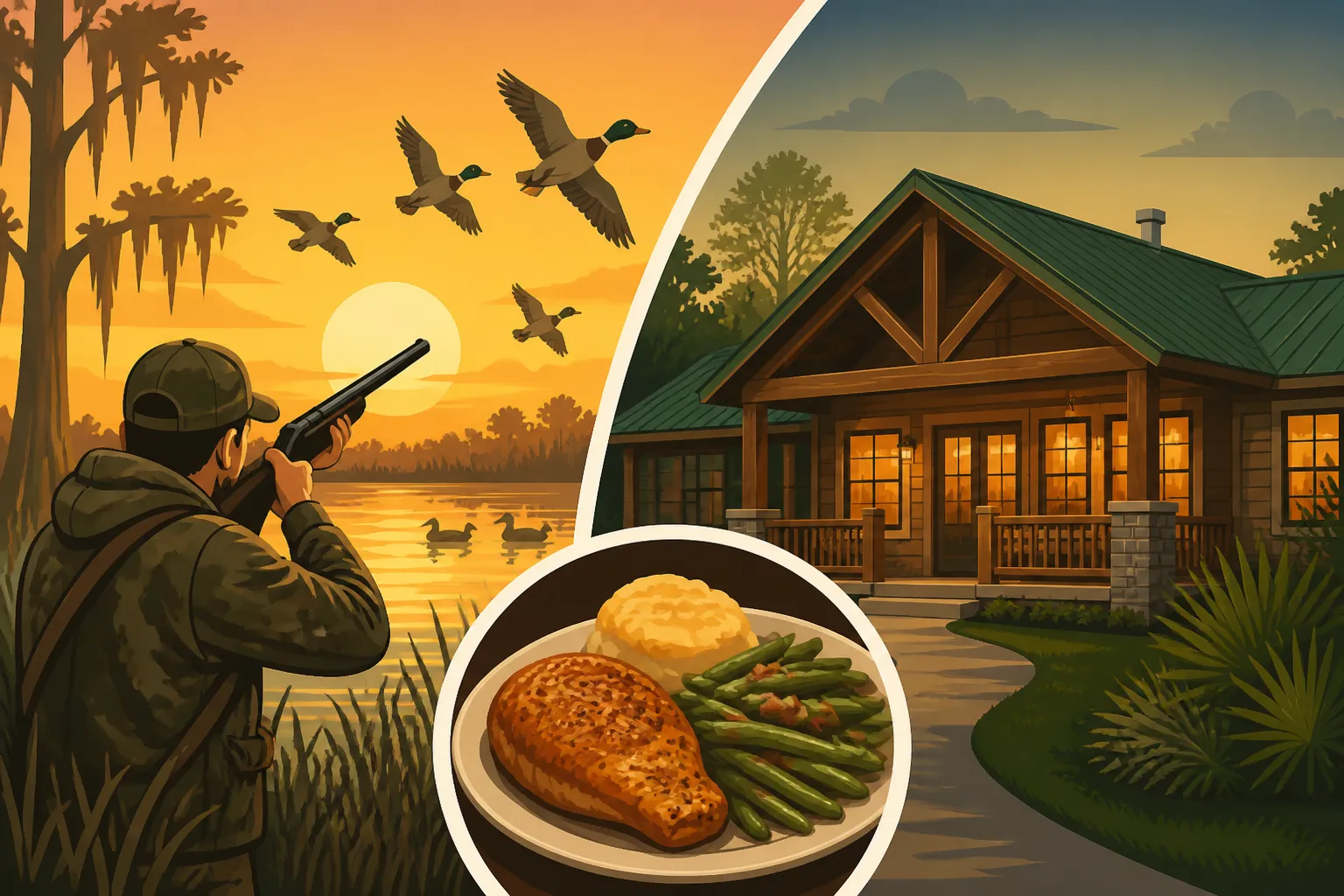
After a long day in the swamp or timber, when your boots are muddy, your muscles ache, and you're mentally replaying every shot opportunity, the thought of a warm, dry place to rest and a hearty meal can feel like a mirage. For many hunters heading to Louisiana, the question isn't just about finding game, but about finding comfort and good food when the day is done. This guide dives deep into what you can expect from lodge accommodation and meal services in the Pelican State, helping you manage expectations and truly enjoy the full hunting experience.
The Comfort of a Louisiana Hunting Lodge: More Than Just a Bed
Let's be real, after pushing through cypress knees or hunkering down in a chilly duck blind before dawn, nobody wants to come back to a flimsy tent and a cold can of beans (unless that's specifically what you signed up for, and hats off to you!). Hunting lodges in Louisiana, whether they're deep in the Tensas River Basin or nestled along the coastal marshes, offer a crucial element of comfort and hospitality that can truly make or break your trip. It’s about more than just a place to sleep; it’s a sanctuary where you can recharge, swap stories, and prepare for the next day's adventure.
Rustic Charm Versus Modern Comfort
Louisiana lodges run the gamut, much like our diverse hunting grounds. On one end, you've got the charmingly rustic camps – often older, family-owned places that have been hosting hunters for generations. These might feature shared bunk rooms, simple wooden furniture, and a communal bathroom. The allure here is often the history, the authentic feel, and the sense of camaraderie that comes with a less-frilled environment. You're not paying for marble countertops; you're paying for a genuine hunting experience and a place that feels like a home away from home, even if it's a bit worn around the edges. Many hunters cherish these spots, feeling a deeper connection to the tradition of the hunt.
Then, you have the more modern, often purpose-built lodges, sometimes closer to what you'd call a luxury hunting retreat. These can boast private rooms with en-suite bathrooms, plush bedding, satellite TV, Wi-Fi, and sometimes even amenities like hot tubs or game rooms. While they might lack some of the "rough-around-the-edges" character, they make up for it in sheer comfort and convenience. This is where you might find more comprehensive What's Included in an All-Inclusive Deer Package, catering to those who prefer a higher level of service and less focus on personal chores. It's a trade-off, and your personal preference and budget will dictate which style suits you best.
| Feature Type | Rustic Lodge/Camp | Modern Lodge/Luxury Retreat |
|---|---|---|
| Accommodation | Shared bunk rooms, basic cabins | Private rooms, en-suite baths, larger suites |
| Bedding | Simple linens, often bring your own sleeping bag | High-quality mattresses, premium linens |
| Bathrooms | Communal, shared facilities, sometimes outhouses | Private bathrooms, modern fixtures, hot water |
| Dining Area | Large communal table, open kitchen | Dedicated dining room, sometimes private tables |
| Common Areas | Fire pit, small porch, simple lounge | Game room, bar, media room, outdoor patios, hot tub |
| Connectivity | Limited or no cell service, maybe satellite phone | Wi-Fi, cell booster, satellite TV |
| Ambiance | Authentic, historic, "camp" feel, community focus | Polished, professional, comfort-oriented, service focus |
| Price Point | Generally more budget-friendly | Higher price point, premium experience |
Typical Lodge Amenities and Facilities
Beyond just the bed and bathroom, lodges in Louisiana offer a range of amenities designed to make a hunter's stay more comfortable and efficient. A common thread across almost all lodges is a dedicated area for cleaning and storing gear. This might be a mudroom with boot dryers, a heated space for drying wet waders and jackets, or hooks for hanging hunting vests. Having a designated spot helps keep the main living areas clean and your gear ready for the next morning.
Many lodges also feature a game processing area. This can range from a simple outdoor cleaning station with a hose and cutting table to a more elaborate setup with walk-in coolers, electric hoists, and even on-site butchers or arrangements with local processors. For deer hunters, especially during the warmer early season, immediate and proper game care is crucial. Some places even assist with preparing capes for taxidermy or packaging meat for your journey home. When looking at potential lodges, especially through platforms like BookYourHunt, always check what their game handling facilities are like. Knowing you can properly care for your harvest without having to drive miles away is a huge benefit.
Preparing for Your Stay: What to Pack and Expect
Packing for a lodge hunt in Louisiana isn't just about your hunting clothes and gear. You'll need to consider the "lodge life" too. Even at rustic camps, having a comfortable pair of slippers or camp shoes to change into after kicking off your muddy boots is a game-changer. A headlamp is always useful for navigating dimly lit paths or retrieving forgotten items from your bag without waking others in a shared room. Don't forget personal toiletries, and if you're sensitive to noise, earplugs are a must, especially in shared bunkhouse settings where snoring is an occupational hazard!
It's also wise to inquire about laundry facilities. Some high-end lodges might offer laundry service, while others might have coin-operated machines, or no facilities at all. Planning for wet weather means having enough changes of clothes, or a strategy for drying what you have. Lastly, consider any small personal comfort items – a favorite book, a journal, or even a small portable fan if you tend to sleep warm. Communication is key: don't hesitate to ask your outfitter or lodge manager about specific expectations or what is provided. They're usually more than happy to help you prepare for a smooth trip.
Fueling Your Hunt: Understanding Meal Arrangements
Hunting is physically demanding, and you burn a lot of calories. From hauling gear to sitting patiently in a stand, your body needs proper fuel. The food served at a Louisiana hunting lodge isn't just sustenance; it's a critical part of the experience, often reflecting the local culinary traditions and providing a much-needed morale boost after tough weather or a slow morning. Louisiana Deer Camp Traditions are rich with good food, and lodges often embody this spirit.
The All-Inclusive Dining Experience
Many hunting packages, particularly those offered by outfitters operating out of dedicated lodges, are "all-inclusive" when it comes to meals. This means breakfast, lunch (or a packed field lunch), and dinner are provided as part of your booking. The beauty of this setup is convenience. You wake up, and coffee is brewing and breakfast is being prepared. You head out, and a sandwich and snacks are waiting for you, or a hot meal is ready when you come in midday. Then, a hearty dinner awaits your return in the evening. This frees you from worrying about grocery shopping, cooking, or cleaning up, allowing you to focus entirely on the hunt.
Breakfasts are typically robust – think eggs, bacon, sausage, grits, toast, and plenty of coffee to shake off the morning chill. Lunches might be lighter, like sandwiches, soups, or stews, often packed to go if you're staying afield. Dinners are usually the main event, often featuring classic Louisiana cuisine. Imagine fresh-caught fish, grilled venison (if legally sourced and prepared), gumbo, jambalaya, or étouffée. These meals aren't just food; they're an experience, a chance to taste the local culture. It's important to clarify the specifics, as What Lodge Meals Typically Include can vary.
Self-Catering and Hybrid Options
Not all lodges offer a full-service, all-inclusive meal plan, and some hunters prefer to handle their own food. This is more common in simpler camps, or when booking just lodging without a full guided package. Self-catering means the lodge provides kitchen facilities – a stove, oven, refrigerator, basic cookware, and dishes – but you're responsible for bringing and preparing all your own food. This can be a cost-saving option, and it allows you to eat exactly what you prefer, which is great for picky eaters or those with very specific dietary needs.
A hybrid approach is also common. For example, a lodge might provide dinner, but hunters are expected to bring their own breakfast and lunch provisions. Or, breakfast and dinner are served, but hunters pack their own snacks and drinks for the day. If you choose a self-catering or hybrid option, remember to factor in grocery runs, cooking time, and cleanup into your daily schedule. While it offers flexibility, it also adds to your chores, which might detract from the relaxation aspect of your hunt. Always confirm the meal plan details before you book, whether you're using a search tool like GoHunt or contacting the lodge directly.
Handling Dietary Restrictions and Preferences
This is a big one, and it's where communication is absolutely critical. In today's world, it's common for people to have dietary restrictions, whether it's allergies (nuts, gluten, dairy), health-related needs (diabetes, heart-healthy), or personal preferences (vegetarian, vegan). Most reputable lodges and outfitters who provide meals are accustomed to accommodating these needs, provided they know in advance. Trying to spring a severe peanut allergy on the kitchen staff five minutes before dinner is a recipe for disaster and can be unsafe.
When you book, or at the very least a week or two before your arrival, clearly communicate any and all dietary requirements. Be specific. Instead of just saying "I can't eat dairy," explain what alternatives you need or what common ingredients you need to avoid. A good lodge will work with you, perhaps offering alternative dishes or adjusting recipes. However, if your restrictions are very complex or rare, you might consider the self-catering option, or at least bringing some of your own supplemental foods to ensure you have safe and satisfying options. It's always best to err on the side of over-communication here.
The Social Heart of the Lodge: Dining as a Shared Experience
Beyond the practicalities, meals at a hunting lodge are often the social anchor of the entire trip. It's where stories are born, friendships are forged, and the day's successes (and comical failures) are recounted. This communal aspect is a huge part of the allure of staying in a lodge rather than a solitary hotel room.
Community Tables and Story Swapping
Picture this: you've just come in from a long day, perhaps Hunting the Rut in the Early-Start Areas, and you're cold, tired, and maybe a little frustrated. You walk into the dining room, and the aroma of a simmering pot of gumbo fills the air. Around a large, rustic table, other hunters are already gathered, sharing a laugh, a drink, and the events of their day. This is the heart of the lodge experience. The community table is where everyone comes together, regardless of whether they're seasoned veterans or first-timers.
This is where the magic happens. You hear tales of the monster buck someone spotted but couldn't get a shot on, or the flock of ducks that circled just out of range. You pick up tips, learn about different Louisiana Deer Hunting Area by Area tactics, and get a feel for the local conditions. Sometimes, the conversation flows late into the night, extending beyond hunting to family, work, and life in general. It’s an invaluable part of the hunting culture, creating bonds that can last long after the season ends. Don't be shy; join in the conversation, share your own experiences, and listen to the wisdom of others. You might even find yourself planning future hunts with newly made friends.
Local Flavors and Culinary Traditions
Louisiana is renowned for its unique and delicious cuisine, and hunting lodges often embrace this tradition wholeheartedly. You're not likely to find bland, generic meals here. Instead, expect to savor dishes that reflect the rich blend of Cajun and Creole influences. We're talking about rich, savory gumbos brimming with seafood or chicken and sausage, spicy jambalayas, creamy étouffées, and perhaps even cracklins or boudin as appetizers. Many lodges pride themselves on serving authentic, home-cooked Louisiana meals, sometimes using fresh, local ingredients – and occasionally, if legal and ethically sourced, even game meat harvested during previous seasons.
It's a chance to experience the true taste of the region, not just the hunt. These meals are often prepared with a passion that shines through, warming you from the inside out and leaving you satisfied after a demanding day. If you're fortunate, you might even get a glimpse into the kitchen, or hear stories from the cook about the origins of a particular dish. This culinary journey adds another layer of richness to your overall Louisiana hunting adventure.
After-Dinner Entertainment and Relaxation
The day doesn't always end when the plates are cleared. Many lodges offer common areas for relaxation and entertainment. This might be a cozy living room with a fireplace, a screened-in porch perfect for enjoying the evening air, or a dedicated game room with a pool table or dartboard. It's a chance to unwind, enjoy a drink, or simply sit quietly with a book.
Some lodges might have a TV for catching up on sports or news, or a collection of hunting magazines and books to browse. It’s also common for hunters to gather around a fire pit outside, sharing cigars and telling more stories under the vast Louisiana sky. These moments of camaraderie and quiet reflection are just as important as the hunt itself, allowing you to fully decompress and appreciate the experience. It helps build that sense of community and provides a pleasant transition from the intensity of the hunt to a state of relaxed contemplation.
The Practicalities: Costs, Tipping, and Guest Policies
Understanding the financial and logistical aspects of lodge accommodation and meals is essential for a smooth and enjoyable trip. Nobody wants surprises when it comes to money or expectations.
What Lodge Accommodation and Meals Add to Your Hunt Cost
When you book a guided hunt that includes lodge accommodation and meals, these elements are typically rolled into the overall package price. It’s often not itemized separately, but rather presented as a single figure for the entire hunt. This simplifies things but also means you need to be clear on what's included before you commit. A package might be listed as a "three-day, two-night hunt," and that price covers your guide, the hunting access, your lodging for two nights, and all meals during that period.
For example, a basic deer hunt package might include a guide, access to private land, transportation to and from blinds, and all meals and lodging. A more premium package could add things like airport pick-up, initial game processing, or even a personal chef. Always clarify the exact inclusions. If you're looking at a budget hunt, you might find that lodging is simpler, or meals are a hybrid model where you're responsible for some of your own food. This is why using resources like BookYourHunt or GoHunt to compare packages and read detailed descriptions is so important. Make sure you understand the total cost, including any potential hidden fees or optional add-ons, before putting down a deposit.
Gratuities for Lodge Staff and Kitchen Crew
Tipping is customary in the service industry, and hunting lodges are no exception. While most hunters remember to tip their guide, it's easy to overlook the unsung heroes working behind the scenes – the lodge staff, housekeepers, and especially the kitchen crew who work tirelessly to keep you fed and comfortable. These individuals play a crucial role in your overall experience, from keeping the lodge clean to preparing those delicious, hot meals that fuel your hunts.
A general guideline for tipping lodge staff (excluding your guide) might be a flat amount per person per day, or a percentage of the total lodge services portion of your trip, typically around 10-15%. Some lodges will have a communal tip jar, or you can give an envelope to the manager to distribute. If there's a specific cook who wowed you with their culinary skills, a personal thank you or an extra tip is always appreciated. It's a gesture of gratitude for their hard work and dedication. Don't forget, How Much to Tip a Louisiana Deer Guide or a duck guide is often a separate consideration. If you're unsure, ask the lodge manager or outfitter for their suggested gratuity guidelines. They can provide clarity and ensure your appreciation is directed appropriately.
Bringing Non-Hunting Guests or Family
Many hunters dream of sharing their passion with family, and a lodge environment can be a great way to do that. However, not all lodges are set up to accommodate non-hunting guests, and those that do will usually have specific policies and fees. If you're considering bringing a spouse, child, or friend who won't be participating in the hunt, it's absolutely essential to discuss this with the outfitter or lodge manager before you book.
Some lodges might charge a "non-hunter rate" which covers their lodging and meals but excludes the guiding services. Others, especially smaller, more intimate camps, might not have the space or infrastructure for extra guests. There might also be rules about when non-hunters can be in certain areas of the lodge or around the hunting party. For instance, Bringing a Non-Hunting Guest to a Louisiana Lodge might be great for a family vacation aspect, but ensure they understand the schedule and respect the hunters' need for quiet and focus. Clarify availability, costs, and any specific rules to avoid any awkward situations or misunderstandings upon arrival.
Choosing the Right Lodge: Questions to Ask
Making an informed decision about your hunting lodge can significantly impact your overall experience. Don't be afraid to ask detailed questions. A reputable outfitter or lodge will be transparent and happy to provide all the information you need.
Assessing Accommodation Quality and Comfort
When you're trying to figure out if a lodge is the right fit, dig into the details about the sleeping arrangements. Don't just ask "Is there a bed?" Ask about the specifics:
- Rooming: Will I have a private room, or will I be sharing with other hunters? If shared, how many beds are in the room, and is there any privacy (e.g., curtains on bunk beds)?
- Bedding: Is bedding provided, or do I need to bring my own sleeping bag and pillow? This can make a difference in your packing strategy.
- Bathrooms: Are bathrooms private or communal? How many communal bathrooms are there per number of guests? Is hot water reliably available?
- Climate Control: Is there air conditioning and heating? Louisiana weather can be unpredictable, so being able to regulate the room temperature is important for comfort.
- Connectivity: Is Wi-Fi available, and what's the cell service like? While many hunters want to unplug, others need to stay connected for work or family.
These detailed questions help you paint a clearer picture of what your downtime will be like. Remember, after a long day of hunting, a good night's sleep is priceless, especially if you're trying to escape the Hunting Pressure on Louisiana Public Land and really relax.
Inquiring About Meal Plans and Flexibility
Food is such a cornerstone of the lodge experience, so you want to be well-informed. Go beyond "Are meals included?" and ask:
- Meal Schedule: What are the typical meal times for breakfast, lunch, and dinner? This helps you understand how it aligns with your hunting schedule.
- Packed Lunches: Are packed lunches provided for hunters who stay in the field all day, or do we return to the lodge for a midday meal? What do those packed lunches typically consist of?
- Beverages: Are non-alcoholic beverages (water, soda, coffee) included, or are they extra? What about alcoholic beverages? Some lodges might include beer and wine; others might be BYOB.
- Dietary Needs: How do you handle dietary restrictions and allergies? What is the process for communicating these? (As discussed, this is crucial!)
- Menu Samples: Can you provide a sample menu of what meals are typically served? This gives you a better idea of the cuisine style.
- Snacks: Are snacks available throughout the day, or should I bring my own?
A lodge that can confidently answer these questions shows a commitment to guest satisfaction. You can also leverage platforms like GoHunt that often feature detailed descriptions of meal offerings and amenities from various outfitters.
Reviewing Guest Policies and House Rules
Every lodge has policies and house rules designed to ensure a safe and enjoyable experience for all guests. It's important to understand these beforehand.
- Check-in/Check-out: What are the designated times?
- Smoking/Vaping: What are the rules regarding smoking or vaping, both inside and outside the lodge?
- Alcohol Policy: Is outside alcohol permitted? Are there specific areas where alcohol can be consumed?
- Weapon Storage: Are there secure facilities for storing firearms and bows when not in use?
- Noise Curfew: Are there quiet hours, especially in shared sleeping areas? This is particularly relevant if you're an early riser for the hunt and others might want to stay up later.
- Game Processing: What are the rules and facilities for processing game? Is there a designated area, and are there any charges for processing or cold storage?
- Damage Policy: What is the policy regarding accidental damage to lodge property?
These are all part of the broader Questions to Ask Before Booking a Louisiana Hunt. Getting these details ironed out early can prevent misunderstandings and ensure your trip is focused on the hunt and camaraderie, not on unexpected issues. A well-run lodge will have these policies clearly outlined, making your decision-making process much easier.
Disclaimer
This article is for general informational purposes only and does not constitute professional advice. Laws, prices and regulations vary by location and change over time. Consult a qualified professional for guidance on your specific situation.