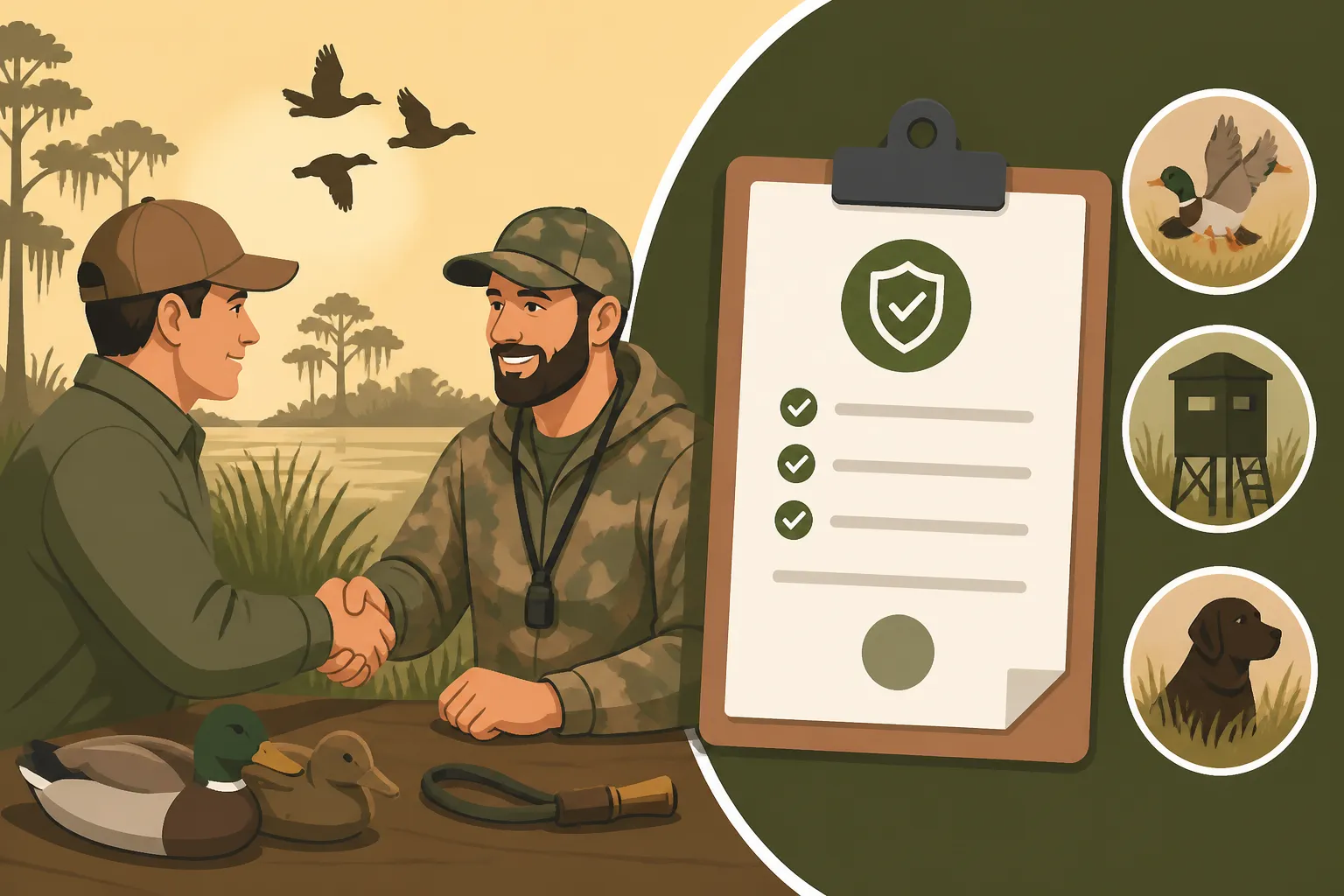
Getting a Written Quote From a Louisiana Outfitter
Booking a guided hunting trip in Louisiana, whether it's for big deer in the piney hills, ducks in the coastal marsh, or even the lottery-drawn black bear hunt, is a big decision and a significant investment. One of the most frustrating things can be getting a vague idea of cost over the phone, only to realize later that crucial details or expenses were left out. This guide is all about empowering you to get a clear, detailed written quote from any Louisiana outfitter, ensuring you know exactly what you're paying for and what you're getting.
Why a Written Quote Isn't Just "Good Practice" – It's Essential
It's easy to get caught up in the excitement of planning a hunt, especially when you're talking to a passionate outfitter about the incredible experience they offer. You hear a price, you get excited, and you might overlook the finer points. But relying on verbal agreements for something as complex as a guided hunt can lead to serious headaches and unexpected financial hits down the line. A written quote provides a tangible record, protecting both you and the outfitter from misunderstandings.
Avoiding Misunderstandings and Hidden Costs
Imagine showing up bright and early for your guided duck hunt in the marsh, full of anticipation, only to be told there's an "equipment rental fee" or a "blind setup charge" you weren't aware of. Or perhaps the outfitter mentions that the quoted price only covered one day, not the two you thought were discussed. These scenarios, unfortunately, aren't uncommon when details are only exchanged verbally. A written quote acts as a binding document, clearly stating the agreed-upon price for specific services. It eliminates the "he said, she said" arguments and ensures both parties are on the same page before any money changes hands. This isn't about being distrustful; it's about being prepared and professional.
When an outfitter takes the time to put everything in writing, it shows their commitment to transparency and customer service. It allows you to calmly review every line item, think about what's included (and what isn't), and ask any questions you might have before you're standing on the bayou with your gear. This proactive approach saves you stress, potential arguments, and unexpected costs that can sour an otherwise fantastic hunting experience.
Clarifying Scope of Services and Inclusions
A guided hunt isn't just about showing up and shooting. There are so many moving parts: lodging, meals, transportation to the hunting grounds, the guide's time, equipment, processing, and even the required licenses and tags. Without a written quote, it's incredibly easy to make assumptions about what's covered. Do they provide the shotgun shells for your duck hunt? Is the cost of your Louisiana Deer Tag Add-On Cost included, or do you need to purchase it separately? What about your federal duck stamp?
A detailed quote spells out these specifics. For example, a quote for a Booking a Coastal Marsh Duck Lodge might clearly state: "Includes 2 nights lodging, 3 meals per day, guided hunt for 2 days, decoys, and dog. Excludes shotgun shells, alcoholic beverages, processing, and gratuities." This level of detail empowers you to budget correctly and arrive fully prepared. You won't be left guessing if you need to pack extra food, buy licenses beforehand, or bring specific gear like waders or calls. It’s all laid out, leaving little room for ambiguity.
What to Look For: Key Elements of a Comprehensive Quote
So, you've decided a written quote is the way to go – smart move! But what exactly should you be looking for in that document? A good quote isn't just a number; it's a comprehensive breakdown that outlines every facet of your potential hunt. Understanding these key elements will help you evaluate different outfitters and ensure you're making an informed decision.
Itemized Breakdown of Costs
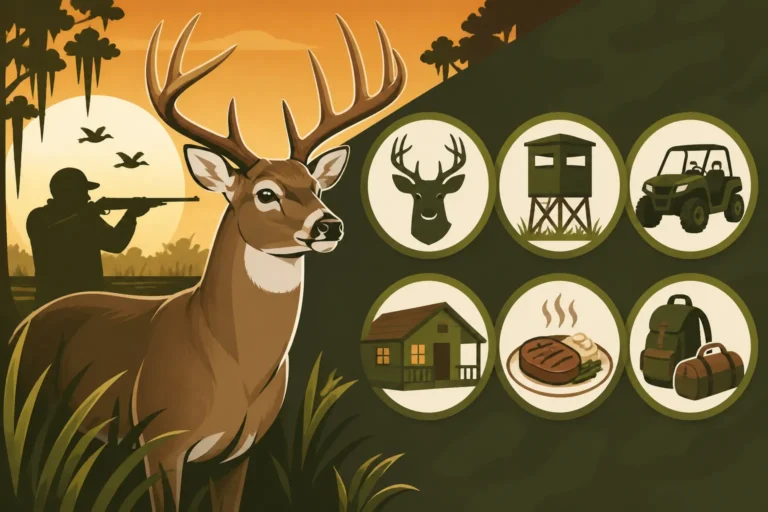
This is perhaps the most critical part of any quote. A single, lump-sum figure doesn't tell you anything. You need an itemized list that separates the different components of the hunt. This might include:
- Base Hunt Price: The core cost for the guide's time and access to hunting grounds.
- Lodging: Per night or per hunter, if applicable.
- Meals: Often broken down per day or included as part of a package.
- Transportation: Whether it's to and from the lodge, or to specific hunting spots (e.g., boat rides for marsh hunts).
- Equipment Rental: If applicable (e.g., ATVs, specific blinds, specialized gear).
- Trophy Fees: Crucial for big game like deer, especially if you're targeting a trophy class buck.
- Additional Services: Anything extra like caping, initial processing, or special requests.
An itemized quote allows you to understand where your money is going and to compare apples to apples when looking at different outfitters. If one quote is significantly lower but doesn't include lodging or meals, it might actually be more expensive in the long run once you add those in yourself.
Here's a simplified example of what an itemized quote might look like:
| Item | Description | Cost (Shape) | Notes |
|---|---|---|---|
| Guided Hunt (3 Days) | Guide services, access to private land, blinds | $$$ | Based on 1-2 hunters; additional hunters may incur extra charges. |
| Lodging (2 Nights) | Cabin accommodation at the lodge | $$ | Shared room; private rooms available at a higher rate. |
| Meals | Dinner on arrival, 3 meals/day during hunt, breakfast on departure | $$ | Home-cooked meals included. |
| Field Dressing/Skinning | Initial game care at the lodge | $ | Does not include full processing or taxidermy. |
| Trophy Fee (Deer) | For harvest of one antlered buck | N/A (Included) | No additional fee for your first legal buck within parameters. |
| Transportation | To/from hunting areas from lodge | N/A (Included) | Pick-up at a designated nearby meeting point. |
| Total Estimated Cost | $$$$$ | Excludes licenses, gratuities, personal gear, and additional game. |
Payment Schedule, Deposits, and Cancellation Policies
Understanding how and when you need to pay is just as important as the total cost. Most outfitters require a deposit to secure your booking, especially for popular seasons like Opening Weekend Tactics by Deer Area or the peak of the rut.
- Deposit Amount: What percentage is required upfront? When is it due?
- Balance Due Date: When is the final payment expected? Is it before the hunt, or upon arrival?
- Payment Methods: Do they accept credit cards, checks, or bank transfers?
- Cancellation Policy: This is HUGE. What happens if you need to cancel? Is the deposit refundable, partially refundable, or non-refundable? Are there penalties for cancellations within a certain timeframe? What if the outfitter cancels due to unforeseen circumstances (e.g., severe weather impacting a Waterfowl Hunting the Louisiana Coastal Marsh)? A good quote will lay out the terms for Deposits and Cancellation Terms in Louisiana, giving you peace of mind or at least a clear understanding of the risks involved. It's not fun to think about, but it's essential.
Inclusions and Exclusions – Leave No Stone Unturned
This section clarifies what you absolutely do not need to bring or arrange, and conversely, what you must handle yourself. This goes beyond just the cost breakdown.
Inclusions might list:
- Guide service and expertise.
- Access to hunting areas.
- Use of blinds, stands, decoys, calls.
- Initial field dressing or skinning.
- Some transportation while on the hunt.
- Specific equipment like ATVs or boats.
Exclusions are equally, if not more, important:
- Licenses and Tags: It's almost always your responsibility to purchase your Louisiana Hunting Licenses and What They Cost and specific tags. The quote should clearly state this.
- Firearms/Ammunition: Unless specified, assume you bring your own.
- Personal Gear: Rain gear, waders, boots, blaze orange, binoculars, scent control – these are typically on you.
- Gratuities: Tipping guides is customary. The quote might offer a suggested range or remind you that it's not included in the price. We've got a whole article on Tipping Guides and Boat Captains that can help you with this.
- Meat Processing/Taxidermy: While field dressing is often included, full butchering or taxidermy services are almost always extra and arranged with third-party providers. The outfitter might have recommendations, but it's rarely part of the base package.
- Alcoholic Beverages/Snacks: Often not included in meal plans.
- Travel to the Lodge: Your flight or drive to the meeting point or lodge is, of course, your responsibility.
Making sure you have a complete list of What's Included in an All-Inclusive Deer Package can save you from an awkward situation or a last-minute scramble. If it’s not explicitly listed, ask! Don't assume.
The Process: How to Request and Review Your Quote
Getting a quote isn't just about waiting for an email; it's an active process. You have a role to play in providing information and then thoroughly reviewing what comes back. Being proactive here ensures you get the most accurate and useful quote possible.
Initiating the Request and Providing Details
When you first contact an outfitter, whether by phone, email, or through a platform like BookYourHunt or GoHunt, be ready to provide some key information. This helps them tailor a quote specifically for your needs.
- Desired Species: Are you after deer, turkey, ducks, or maybe even hogs?
- Preferred Dates/Season: Do you have specific dates in mind, or are you flexible? Knowing if you're aiming for Hunting the Rut in the Early-Start Areas versus a late-season hunt can affect availability and pricing.
- Number of Hunters: Will you be hunting solo, with a buddy, or a larger group? Group discounts are sometimes available.
- Hunt Style/Preferences: Do you prefer bowhunting, firearms, or primitive weapons? Are you looking for a physically demanding spot-and-stalk, or prefer sitting in a comfortable blind?
- Accommodation Needs: Are you looking for a bare-bones camp, or a luxurious lodge with amenities?
- Any Special Requests or Considerations: Do you have dietary restrictions? Are you a first-time hunter needing extra guidance?
The more details you provide upfront, the more accurate and comprehensive the initial quote will be. This reduces back-and-forth communication and gets you closer to a solid plan faster.
Comparing Multiple Quotes and Vetting Outfitters
It's almost always a good idea to get quotes from a few different outfitters, especially for a significant trip. Don't just pick the first one you find. When comparing them, look beyond just the bottom-line price.
- Compare Inclusions: Does the slightly more expensive quote include lodging and meals, while the cheaper one doesn't? Factor in those hidden costs.
- Reputation and Reviews: Check online reviews and testimonials. Platforms like BookYourHunt often have client reviews that can be incredibly insightful. You can also search for the outfitter on social media or forums.
- Experience and Specialization: Does the outfitter specialize in the type of hunt you're looking for (e.g., Basin Tactics for Louisiana Swamp Deer vs. piney woods)?
- Success Rates: While tempting to focus on, take reported success rates with a grain of salt. Look for realistic reporting, not just "100% kill rate." We cover this in Reading Outfitter Success Claims.
- References: A reputable outfitter should be happy to provide references from past clients. Take the time to call a few. Asking Questions to Ask Before Booking a Louisiana Hunt can help you vet them thoroughly.
This comparison phase is where you start to really get a feel for who you'll be trusting with your hard-earned vacation time and money. Vetting a Louisiana Outfitter Before You Book is a crucial step that can't be rushed.
Asking Follow-Up Questions and Getting Clarifications
Once you receive a quote, don't be afraid to ask for clarification. It's your right as a potential client. A good outfitter will appreciate your thoroughness.
- "The quote mentions 'standard processing.' What exactly does that entail, and what are the costs if I want custom cuts or sausage made?"
- "Your cancellation policy states 'non-refundable deposit.' Are there any exceptions for severe weather, like a hurricane impacting the coast, or a personal emergency?"
- "Are there any specific blaze orange requirements on your property during firearms season? Does your quote account for this, or do I need to bring my own?" (Knowing Louisiana Blaze Requirements beforehand is always a good idea).
- "What is the typical expectation for gratuities for your guides and staff?"
- "Is there cell service at the lodge, or should I plan to be off the grid?"
These detailed questions show you're serious and help solidify all the arrangements. The quote is a foundation, not necessarily the entire building. Don't forget to ensure that any verbal agreements made during follow-up conversations are added to an updated written quote or contract. You'll want to review Louisiana Outfitter Contracts and What to Read to understand what additional terms might apply beyond the quote itself.
Red Flags and Trusting Your Gut
Even with all the right questions and a clear quote, sometimes something just feels off. It’s important to pay attention to those gut feelings and recognize potential red flags. A great hunt starts with a trustworthy outfitter, and sometimes, a bad quote can be a warning sign.
Vague or Incomplete Quotes
If an outfitter sends you a quote that's just a single number, or has huge blank spaces where details should be, that's a significant red flag. An outfit that can't be bothered to detail their services in writing might also be disorganized in other areas, potentially impacting your hunt.
A legitimate outfitter will understand the need for transparency. If you ask for an itemized breakdown and they refuse or drag their feet, it’s time to consider other options. They might be trying to hide costs, or they simply don't have a clear pricing structure themselves, which can lead to inconsistencies and frustration for clients. You're making a financial commitment, and you deserve a clear understanding of what that commitment entails.
Pressure Tactics and "Limited Time Offers"
Beware of outfitters who try to pressure you into booking immediately with aggressive sales tactics like "this price is only good for the next 24 hours" or "we only have one spot left, and it's going fast!" While some genuine last-minute openings or early bird specials exist, constant high-pressure sales can indicate a desperation to fill spots, perhaps due to client dissatisfaction or poor organization.
A confident, reputable outfitter will give you the time you need to review their quote, compare it to others, and make an informed decision. They understand that a quality hunt sells itself, and they're looking for clients who are a good fit, not just a quick booking. Take your time. If a deal sounds too good to be true, it often is.
The Importance of a Written Contract
While a written quote is excellent for understanding costs and services, a formal contract takes it a step further. Many outfitters will provide a more detailed contract after you accept the quote and pay a deposit. This contract often includes liability waivers, specific rules of the hunt, detailed cancellation clauses, and legal agreements between you and the outfitter.
Always read this contract thoroughly, even if it feels like a lot of legal jargon. Ensure that everything from the quote is accurately reflected in the contract. If there are discrepancies, get them clarified and corrected before you sign anything. This document is your ultimate protection and outlines the full scope of the agreement. Don't be shy about asking for explanations on any clause you don't fully understand. Your hunting experience in Louisiana should be memorable for all the right reasons, and a clear, written agreement is a huge step in that direction.
Disclaimer
This article is for general informational purposes only and does not constitute professional advice. Laws, prices and regulations vary by location and change over time. Consult a qualified professional for guidance on your specific situation.