Booking a Coastal Marsh Duck Lodge
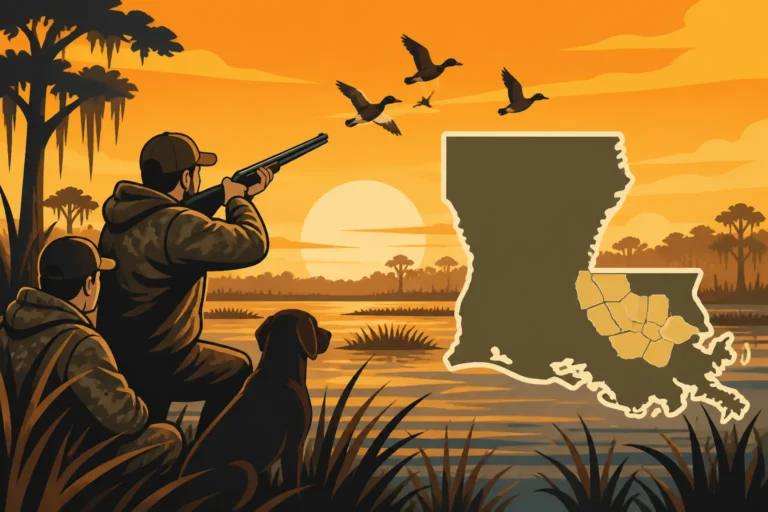
There's nothing quite like the raw, untamed beauty of the Louisiana coastal marsh, especially when the crisp morning air signals the arrival of wintering waterfowl. For many hunters, booking a trip to one of the iconic duck lodges scattered across our low country is a bucket-list dream, but the sheer number of options and the unique nature of marsh hunting can feel overwhelming. This guide will walk you through everything you need to know about selecting, booking, and making the most of your coastal marsh duck lodge experience, ensuring your trip to the heart of the Mississippi Flyway is unforgettable.
Why the Louisiana Coastal Marsh is a Duck Hunter's Paradise
Louisiana's coastal marsh isn't just another hunting spot; it's a living, breathing ecosystem that serves as a critical wintering ground for millions of ducks and geese. The rich blend of freshwater swamps, brackish marshes, and saltwater estuaries creates an irresistible buffet for migrating birds, making it a truly unparalleled destination for waterfowl enthusiasts.
Unparalleled Waterfowl Concentration
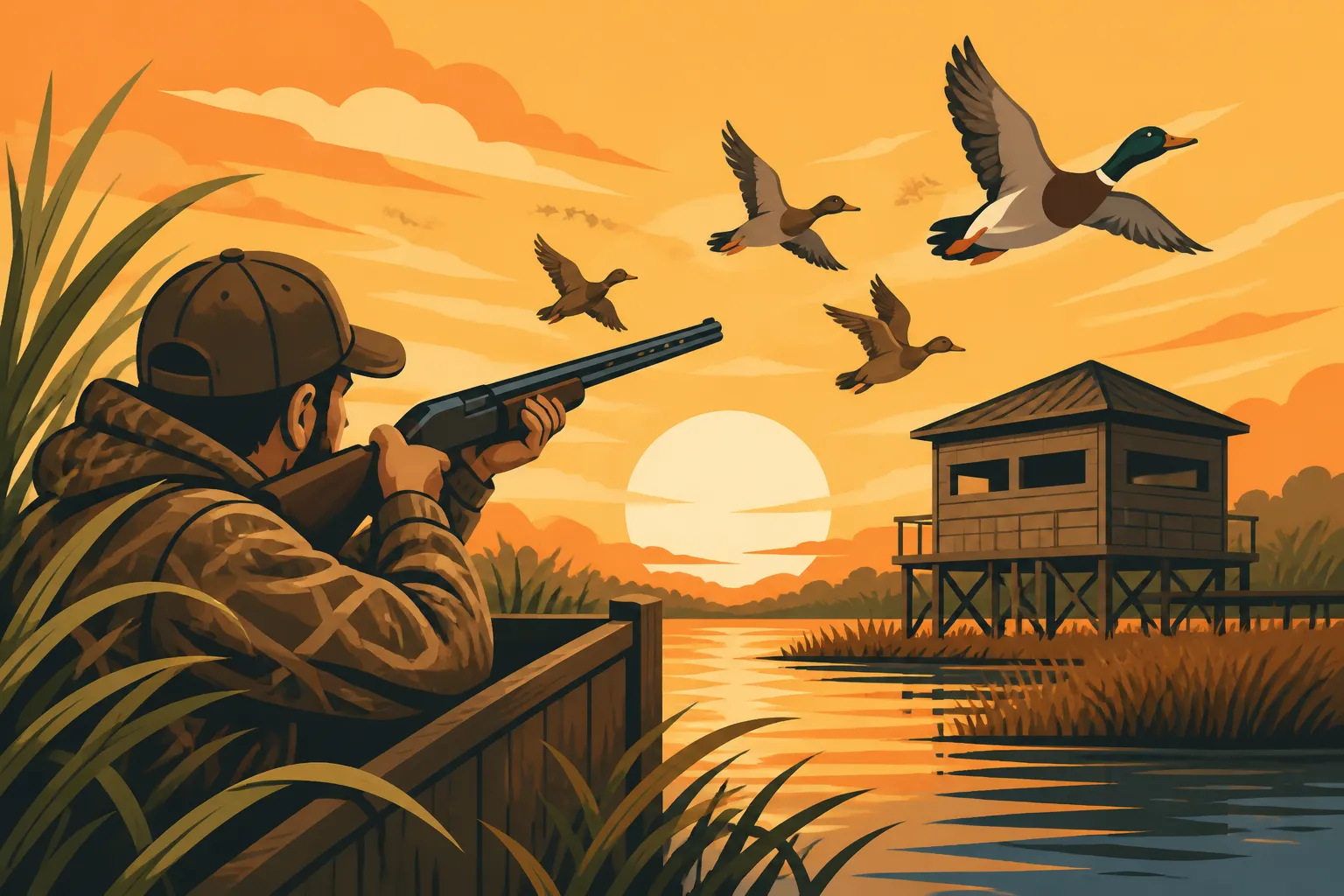
Imagine a landscape where endless miles of marsh grass meet shallow, nutrient-rich ponds and winding bayous. This is the stage upon which the epic annual waterfowl migration unfolds in Louisiana. As cold fronts push down from the north, ducks and geese from across the continent funnel into our state, drawn by abundant food sources like submerged aquatic vegetation and grain from agricultural fields just inland. We’re talking about incredible numbers of birds here—mallards, gadwalls, green-winged teal, blue-winged teal, wigeon, pintails, and various diving ducks like scaup and canvasbacks. Each species has its preferred habitat within this diverse marsh, from the shallower ponds favored by dabblers to the deeper, more open water where divers feel at home. It’s a dynamic, ever-changing environment, and being out there as the sun rises, with ducks pouring into your decoys, is an experience that truly defines waterfowl hunting. If you want to understand the larger context of this amazing area, check out Waterfowl Hunting the Louisiana Coastal Marsh.
The sheer volume of birds that call our marsh home each winter is astounding. Hunters often describe flights of ducks that seem to stretch for miles, a testament to Louisiana's vital role in the Mississippi Flyway. The birds raft up in vast numbers in areas like Hunting Cameron Parish Marsh Ducks, finding sanctuary and sustenance before spreading out to feed. This concentration means that on a good day, the action can be fast and furious, with multiple groups of birds working the spread. It’s not uncommon to witness several different species of ducks coming in throughout a single morning, offering a diverse and exciting hunt every time you step into the blind.
The Lodge Experience: More Than Just Hunting
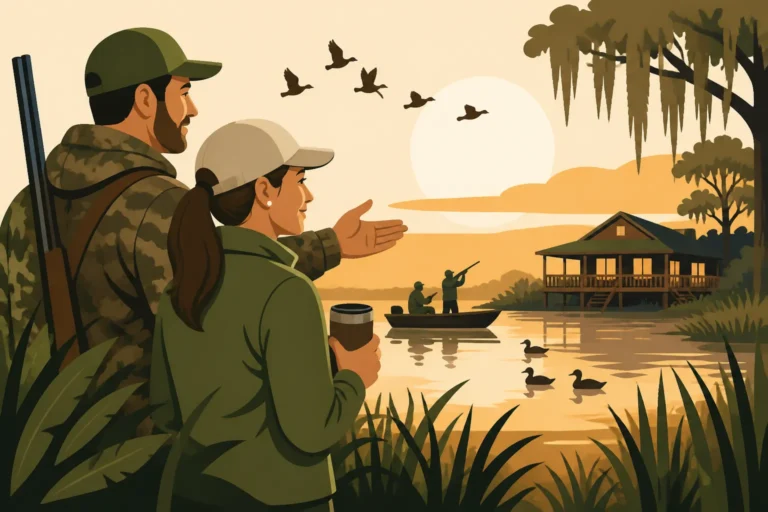
While the hunting is undeniably world-class, the coastal marsh lodge experience extends far beyond pulling the trigger. It's about immersing yourself in a unique culture, enjoying genuine Southern hospitality, and creating lasting memories with friends, family, or even new acquaintances. Many lodges are family-run operations, steeped in generations of hunting tradition, and they pride themselves on offering a complete experience.
After a chilly morning in the blind, there's nothing quite like returning to a warm, welcoming lodge, the smell of fresh coffee and a hearty Cajun breakfast wafting from the kitchen. The camaraderie around the dining table, sharing stories of missed shots and perfect retrieves, is often as cherished as the hunt itself. Most lodges provide comfortable accommodations, often with private rooms or shared bunkhouse-style arrangements, all designed to offer a relaxing retreat. You’ll find spaces to clean up, kick back, and unwind, whether that's in a common living area, on a porch overlooking a bayou, or just around a fire pit. This complete package takes the stress out of logistics, allowing you to fully focus on the joy of the hunt and the fellowship of the camp.
Understanding Different Types of Coastal Marsh Lodges
Just like there are different types of ducks, there are different types of duck hunting lodges in the Louisiana marsh. Knowing the distinctions can help you pinpoint the perfect fit for your budget, experience level, and desired comfort. From luxurious, all-inclusive resorts to more rustic, self-sufficient options, the marsh offers a spectrum of choices, each with its own charm and set of expectations.
Full-Service All-Inclusive Lodges
These lodges are often the quintessential marsh experience many people envision when they think of a Louisiana duck hunt. Full-service operations typically cover everything from the moment you arrive until you depart. This usually includes experienced guides who handle all the scouting, set up the decoys, call the birds, and retrieve downed ducks. They provide the boats, blinds (whether fixed or mobile layout blinds), and all the necessary equipment. Beyond the hunt, you can expect delicious, home-cooked meals—often featuring local Cajun specialties—comfortable lodging, and usually bird cleaning and packaging services.
The target audience for these lodges is broad, appealing to groups of friends, corporate outings, or less experienced hunters who want a seamless, hassle-free experience. If you’re traveling from out of state or simply want to maximize your time in the blind without worrying about cooking or logistics, an all-inclusive lodge is an excellent choice. The convenience is unparalleled: you wake up, eat, hunt, eat again, relax, and repeat. The primary "con," of course, is the cost, which tends to be higher due to the comprehensive nature of the service. However, for many, the investment is well worth the peace of mind and the quality of the overall experience. Many of these lodges offer What's Included in an All-Inclusive Deer Package but tailored for waterfowl.
Semi-Guided and Self-Guided Options
For the more experienced or independent hunter, semi-guided or self-guided options can provide a fantastic alternative. A semi-guided lodge might provide the lodging, meals, and perhaps boat transportation to a pre-scouted area or a permanent blind, but the hunters are responsible for setting their own decoys, calling, and retrieving their birds. This allows for more personal involvement in the hunt and often comes at a lower price point than a fully guided experience. It's a great middle-ground if you have some calling and decoy-setting skills but still appreciate the comfort of a lodge and prepared meals.
Self-guided options are even more hands-off. These might be private cabins or camp houses for rent where you bring all your own gear, boats, and provisions, and you’re entirely responsible for scouting, accessing hunting grounds, and managing your hunt. Some might offer access to private ponds or marsh areas, which is a huge advantage. This option is best suited for seasoned hunters who are intimately familiar with marsh conditions, possess the necessary equipment (like shallow-draft boats and GPS), and enjoy the challenge of finding and working birds independently. It offers maximum flexibility and is typically the most budget-friendly way to experience the marsh, but it also requires the most planning and self-reliance. You might be able to find a camp near the marsh and then explore options like Layout Blind Hunting Coastal Rice Fields on your own.
Day Hunts vs. Multi-Day Packages
When considering a marsh duck hunt, you’ll encounter options for both day hunts and multi-day packages. Each has its distinct advantages and caters to different needs and schedules.
Day hunts are ideal for local hunters or those with limited time who just want to get out for a single morning. You typically meet the guide at a designated boat launch before dawn, hunt through the morning flight, and then return to the launch. Meals and lodging are not usually included in a pure day hunt package. These can be a great way to sample different guides or specific areas without a major commitment. They are often less expensive per hunt but don't offer the full immersive lodge experience. You might be looking for a single-day opportunity, but remember that Two-Night Versus Week-Long Duck Packages often offer better value and a more complete experience.
Multi-day packages, often two to five days in length, are what most people opt for when booking a lodge. These packages almost always include lodging, meals, and multiple guided hunts. The benefits are numerous: you get to settle in, experience the marsh over several mornings, and truly immerse yourself in the lodge atmosphere. It allows for recovery time between hunts, more opportunities to chase different species or experience varying weather conditions, and builds camaraderie with your guides and fellow hunters. For out-of-state travelers, a multi-day package makes the most sense logistically, covering travel time and ensuring a comprehensive hunting adventure. Most of the premier lodges primarily offer these longer packages, as they allow them to provide a higher quality, consistent experience.
Key Factors to Consider When Choosing a Lodge
Booking a coastal marsh duck lodge is a significant decision, and there are several critical factors you'll want to weigh before committing. Beyond just the price, thinking about location, guide expertise, and lodge amenities can dramatically impact the quality and enjoyment of your trip.
Location and Access to Hunting Grounds
The Louisiana coastal marsh is vast and diverse, and different areas offer unique hunting characteristics. Popular parishes like Cameron, Vermilion, Terrebonne, and Plaquemines are renowned for waterfowl, but the type of marsh can vary even within these regions. Some areas might be predominantly freshwater influence, attracting more mallards and wood ducks, while others are brackish or saline, drawing gadwalls, wigeon, pintails, and divers. Understanding Louisiana Duck Zone Boundaries can also be important if you plan on hunting near a zone line, as season dates can vary.
Consider the specific types of ducks you hope to target. If pintails are high on your list, you'll want a lodge with access to expansive, shallow brackish ponds. If you dream of mallards over flooded timber, you might need to look slightly inland from the immediate coast, though many marsh lodges do access rice fields further north. Also, think about the logistics of getting to the lodge itself. Is it easily accessible by road, or does it require a boat ride from a public launch? Lodges that are deep in the marsh might offer a more secluded experience but also require more travel time. Always ask about the specific types of habitat the lodge primarily hunts and how they access their blinds.
Guide Experience and Local Knowledge
Your guide is arguably the most crucial element of a successful and enjoyable marsh hunt. These individuals are not just boat drivers; they are marsh navigators, weather experts, bird behaviorists, and often excellent callers. They spend countless hours scouting the local ponds, noting changes in water levels, food availability, and bird patterns. An experienced guide knows exactly where to set up for a particular wind, how to position decoys to draw in wary birds, and when to call aggressively or lay off. Their ability to "read" the marsh is developed over years, even decades.
Don't hesitate to ask prospective lodges about their guides' experience levels. How long have they been guiding in that particular area? What is their typical guide-to-hunter ratio? A lower ratio (e.g., one guide for two or three hunters) often means a more personalized experience and better attention. While success rates are never guaranteed in hunting, a guide with deep local knowledge will significantly increase your chances of being in the right place at the right time. A good guide can also enhance the overall experience by sharing insights about the marsh, wildlife, and local culture. Many of them understand Wind and Thermals in Swamp Bottomland and how it impacts bird movement.
Amenities and Accommodations
The "lodge" part of a duck lodge can vary widely, from rustic, charming camps to more luxurious, resort-style facilities. Before booking, consider what level of comfort and amenities are important to you and your group.
Lodging: Most lodges offer comfortable, clean accommodations. This could range from large bunk rooms with shared bathrooms, typical of more traditional hunting camps, to individual rooms with private baths. Some even offer detached cabins for a more private experience. Ask about bed arrangements and how many people each room accommodates. Access to good heating and air conditioning is crucial, given Louisiana's often unpredictable weather.
Meals: Food is a cornerstone of the Louisiana lodge experience. Expect hearty, delicious meals, often featuring classic Cajun dishes like gumbo, jambalaya, and fresh seafood. Most lodges provide breakfast before the hunt, a hot lunch upon returning from the marsh, and a full dinner in the evening. Don't be shy about inquiring about dietary restrictions or preferences when booking.
Other Facilities: What other amenities are important to you? Some lodges have common living areas with TVs for watching sports or telling stories. Others might offer a small pro shop where you can buy last-minute gear or souvenirs. If you plan to bring your own hunting dog, make sure the lodge has appropriate dog kennels or allows dogs in certain areas. Hot showers are a must for warming up after a cold morning hunt! Additionally, inquire about cell service or Wi-Fi availability, as connectivity can be spotty in remote marsh areas.
The Booking Process: From Research to Deposit
Once you've got a good idea of what kind of marsh hunt you're after, it's time to dive into the booking process. This involves timing your trip, thoroughly researching your options, and understanding the financial and contractual aspects of your reservation. Planning ahead is key to securing your desired dates and ensuring a smooth experience.
When to Book and Seasonality
Timing is everything in waterfowl hunting, and securing your spot at a popular marsh lodge often requires booking well in advance. Louisiana's duck season typically runs from early November through January, with split seasons. Different times of the season can offer varied hunting experiences and target species. Early season might see more blue-winged teal and pintails, while the colder mid-season often brings a greater push of mallards, gadwalls, and wigeon. Late season can be fantastic if the birds have been pressured, as they become harder to decoy but often concentrate in fewer areas. Understanding Louisiana Waterfowl Migration Timing can help you decide on the best window.
For prime dates, especially opening weekend or holidays, it's not uncommon for lodges to be fully booked a year or even more in advance. If you have specific dates in mind, start your research and contact lodges as early as possible. If your schedule is more flexible, you might find better availability during mid-week hunts or later in the season. Don't overlook Booking a Late-Season Marsh Duck Hunt; these hunts can be surprisingly productive as birds are focused on finding food before migration.
Researching and Vetting Potential Lodges
With many lodges competing for your business, thorough research is crucial. Start by gathering a list of potential lodges in your preferred hunting areas. Online search engines are a great place to begin, but don't stop there. Look for independent reviews on hunting forums, social media groups, and dedicated booking platforms like BookYourHunt. These platforms often provide detailed descriptions, photos, and verified reviews from past clients, giving you a more complete picture. GoHunt, for example, might also have resources or listings that can assist in your search.
Once you've narrowed down your choices, reach out to each lodge directly. Ask specific questions:
- What dates are available for your preferred group size?
- What is the total cost per hunter, and what exactly is included?
- What are their typical success rates for the time of year you're interested in? (Be realistic; hunting success is never guaranteed, but their honesty and transparency are important).
- What is their policy on bringing personal hunting dogs?
- Can they provide references from recent clients? Speaking to someone who has actually hunted with them can offer invaluable insights.
- What are the Louisiana Duck Daily Bag Limit and federal regulations they operate under?
A reputable lodge will be happy to answer all your questions and provide clear, concise information. Be wary of any operation that seems evasive or unwilling to share details.
Understanding Contracts, Deposits, and Cancellation Policies
Before you send any money, always, always read the fine print of the lodge's booking agreement or contract. This document outlines the terms and conditions of your reservation and is legally binding. Pay close attention to:
Deposits: Most lodges require a significant non-refundable deposit to secure your dates. Understand the amount, when it's due, and under what circumstances (if any) it might be refunded.
Final Payment: Know the deadline for your final payment.
Cancellation Policy: This is critical. What happens if you need to cancel? Are there penalties? Is there a possibility of rebooking if you give enough notice? Some lodges might offer credits for future hunts, while others will forfeit your deposit entirely.
Weather Clause: Louisiana weather can be unpredictable. Ask about their policy if severe weather (like a hurricane or major storm that impacts hunting safety or access) forces a cancellation. Will they offer a refund, a rebook, or a credit?
Liability Waivers: Expect to sign a liability waiver, which is standard practice in the hunting industry. Make sure you understand what you're agreeing to.
Consider purchasing travel insurance, especially if your trip is a significant investment or involves air travel. This can protect you against unforeseen circumstances like illness, travel delays, or even some weather-related cancellations, depending on the policy. Being prepared for these eventualities ensures that even if something goes wrong, you're protected financially.
What to Expect on Your Coastal Marsh Duck Hunt
So you’ve booked your lodge, packed your bags, and arrived in the heart of the Louisiana marsh. What does a typical day look like? Being mentally prepared for the routine and packing the right gear can make all the difference in enjoying your experience to the fullest.
The Daily Schedule and Logistics
A marsh duck hunt typically begins very early. You’ll usually be awakened well before dawn, often around 4:00 or 4:30 AM, to a continental breakfast and hot coffee. This early start is crucial to get to the blinds before legal shooting light. After a quick bite, you'll meet your guide, gather your gear, and head to the boat. The boat ride to the blind can be anywhere from a few minutes to an hour or more, depending on the lodge's access and the specific hunting area for the day. These boat rides through the dark marsh are an integral part of the experience, offering a unique sense of anticipation as you navigate the winding waterways.
Once at the blind location, your guide will finish setting up the decoy spread, if it's not already established, and ensure everyone is safely positioned. You'll then settle in and wait for the first hints of dawn and the sounds of waking waterfowl. Hunting typically lasts through the morning flight, often until limits are reached or around mid-morning (e.g., 9:00 AM to noon). After the hunt, your guide will pick up decoys, collect any downed birds, and bring you back to the lodge for a hearty hot lunch. The afternoon is usually free for relaxing, taking a nap, cleaning up, or perhaps even trying some fishing if the lodge offers it. Dinner is served in the evening, followed by more storytelling and early bedtime to prepare for another early start.
Gear and Equipment Recommendations
Packing correctly for a Louisiana marsh hunt is vital for comfort and safety. While our winters can be mild, they can also bring frigid temperatures, driving rain, and strong winds. Being prepared for everything is key.
Clothing: Layering is essential. Start with a moisture-wicking base layer, add insulating layers like fleece or wool, and top it off with waterproof and windproof outerwear in camouflage patterns suitable for marsh environments. Don't forget warm gloves, a hat that covers your ears, and a face mask or neck gaiter.
Waders: Chest waders are non-negotiable. Choose comfortable, insulated waders that fit well, as you'll likely be wading in shallow water to get to and from the blind or retrieve birds.
Footwear: Wear warm, waterproof boots under your waders, or waders with insulated boots built-in.
Shotgun and Ammunition: Bring your reliable waterfowl shotgun (12-gauge is most common). Absolutely essential: Only steel shot or other approved non-toxic shot is allowed for waterfowl hunting. Bring plenty of shells (several boxes), as the shooting can be fast. Understand Louisiana Legal Firearms for Deer Hunting only applies to deer, not necessarily what you'll use for ducks.
Other Essentials:
- Hunting License: Make sure you have all required Louisiana hunting licenses, stamps (including Federal Duck Stamp), and migratory bird certifications. You can often purchase these online through the LDWF website. Check Louisiana Waterfowl Zones and Seasons and Louisiana Migratory Bird Certification well in advance.
- Camera/Phone: For photos, but ensure they are waterproofed.
- Binoculars: Useful for spotting distant birds or identifying species.
- Headlamp/Flashlight: With fresh batteries for navigating in the dark.
- Small Backpack/Dry Bag: To keep extra layers, snacks, and personal items dry.
- Cooler: For transporting cleaned birds home.
Remember that Physical Demands of a Marsh Duck Hunt can be significant, involving wading, walking in mud, and getting in and out of boats. Pack accordingly to stay comfortable and safe.
Bird Limits, Species, and Reporting
It's crucial to be aware of and adhere to all federal and state regulations regarding waterfowl hunting. Your guide will certainly know these rules, but as the hunter, you are ultimately responsible. Understand the Louisiana Duck Daily Bag Limit for each species, as some have specific limits (e.g., mallards, pintails, canvasbacks). Your guide will help you identify species to ensure you stay within legal limits. Always practice ethical hunting, ensuring clean shots and diligent retrieval of all downed birds.
In Louisiana, you are generally required to report your deer and turkey harvests, but waterfowl do not typically have the same individual reporting requirement beyond the federal Harvest Information Program (HIP) certification, which is part of your licensing. However, many lodges will keep track of group harvests for their records and to provide you with a tally. Always respect the legal limits and the spirit of fair chase to ensure the sustainability of this incredible resource.
Making the Most of Your Lodge Experience
A trip to a Louisiana coastal marsh duck lodge is more than just bagging birds; it's an opportunity for deep immersion in a unique natural environment and a vibrant culture. To truly maximize your experience, focus on building connections, savoring the local flavors, and handling post-hunt logistics efficiently.
Interacting with Guides and Fellow Hunters
One of the most enriching aspects of a guided hunt is the chance to interact with your guides and fellow hunters. These guides are often locals who have spent their entire lives on the marsh, and their knowledge extends far beyond just where the ducks are. They can share incredible stories, insights into the ecosystem, and a deep appreciation for Louisiana's outdoor heritage. Don't be afraid to ask questions, learn about their techniques, and simply engage in conversation. They are a treasure trove of information.
The camaraderie with other hunters, whether they are friends you came with or new acquaintances at the lodge, is also a huge part of the experience. Sharing the blinds, enjoying meals together, and recounting the day's events builds bonds that often last long after the hunt. Be a good listener, share your own experiences (if appropriate), and foster a respectful and positive atmosphere. A crucial part of this interaction involves recognizing the hard work of your guides and the lodge staff. Tipping is customary in the outdoor industry, and a generous tip is a great way to show your appreciation for their efforts, dedication, and service. If you're unsure of what's appropriate, a quick search for typical tipping guidelines, or even a discreet inquiry, can help, but generally, expect to factor in a tip for each guide and potentially the lodge staff. For more specific guidance, consider How Much to Tip a Duck Guide and Boat Captain.
Enjoying the Local Culture and Cuisine
Louisiana's culture is as rich and flavorful as its cuisine, and a marsh lodge experience often places you right in the heart of it. The food alone is often a highlight for visitors. Expect to be fed well, with many lodges serving up authentic Cajun dishes that are as comforting as they are delicious. From spicy gumbos and jambalayas to fresh seafood and cracklins, these meals are a vital part of the cultural immersion. It's not just about sustenance; it's about sharing food, conversation, and traditions.
Take the time to appreciate the natural beauty of the marsh beyond the hunt. The sunsets over the water, the sounds of unseen birds and wildlife, and the unique flora and fauna all contribute to an unforgettable setting. Many lodges are family-owned and operated, reflecting generations of local pride and hospitality. Engaging with the lodge owners and staff can give you a deeper understanding of the region's history, its challenges, and the passion that drives their dedication to the outdoors. It’s an experience that nourishes both the hunter’s spirit and the soul.
Post-Hunt Logistics: Bird Care and Travel
After a successful hunt, you'll need to ensure your harvested birds are properly cared for and transported. Most full-service lodges offer bird cleaning and packaging as part of their service. Guides or lodge staff will breast out or pluck your birds, wash them, and typically vacuum-seal or bag them for travel. Confirm this service when booking, and ask about any additional fees if applicable.
When it comes to transporting your birds home, a good quality cooler is essential. Many hunters bring a separate cooler for their birds, filling it with ice (or dry ice for longer trips) to keep the meat properly chilled or frozen. If flying, be aware of TSA regulations regarding game meat. It typically needs to be frozen solid and packed in an airline-approved cooler or container. Double-check these rules with your airline before you travel. If you harvested a particularly striking bird and wish to have it mounted, discuss taxidermy options with the lodge. They often have relationships with local taxidermists or can provide advice on how to properly field-care your trophy for a mount. Clear communication about your intentions will help ensure your birds are handled correctly, whether for the table or the wall.
Comparison of Coastal Marsh Duck Lodge Options
To help you visualize the differences, here's a table comparing the common features of full-service versus semi-guided/self-guided coastal marsh duck lodge experiences:
| Feature | Full-Service All-Inclusive Lodge | Semi-Guided Lodge | Self-Guided/Camp Rental |
|---|---|---|---|
| Guides | Provided; handle all scouting, setup, calling, retrieving. | May provide general area guidance or boat transport; hunters manage the hunt. | Not provided; hunters are entirely responsible for all aspects. |
| Boats & Access | Provided; transport to blinds/ponds. | Provided; transport to pre-determined areas. | Hunters provide their own boats and manage access. |
| Decoys & Blinds | Provided (permanent blinds, layout blinds, etc.). | May be provided (e.g., permanent blinds) or hunters bring their own. | Hunters provide all their own decoys and blinds/setup. |
| Meals | All meals typically included (breakfast, lunch, dinner). | Often includes some meals (e.g., breakfast, dinner) but not always all. | Hunters provide all their own food and cooking. |
| Lodging | Comfortable accommodations (bunk rooms, private rooms). | Comfortable accommodations (often shared rooms/cabins). | Private camp house or cabin; amenities vary by rental. |
| Bird Cleaning | Usually included; birds cleaned, packaged. | May be available for an extra fee, or hunters clean their own. | Hunters are responsible for all bird cleaning and packaging. |
| Ideal For | First-timers, corporate groups, those seeking maximum convenience and luxury. | Experienced hunters who prefer more independence but appreciate lodge amenities. | Highly experienced hunters, budget-conscious groups, those who prefer complete control. |
| Cost | Highest | Medium | Lowest |
| Required Hunter Skill | Low to Moderate (guide handles most of the work) | Moderate to High (requires calling, decoy setup, marsh navigation) | High (requires extensive marsh knowledge, boat handling, full self-sufficiency) |
Disclaimer
This article is for general informational purposes only and does not constitute professional advice. Laws, prices and regulations vary by location and change over time. Consult a qualified professional for guidance on your specific situation.