Physical Demands of a Marsh Duck Hunt
When you dream of Louisiana duck hunting, you probably picture teal and mallards cupped over decoys, the sunrise painting the marsh in vibrant hues. What many folks don't fully grasp until they're hip-deep in it is just how physically demanding a marsh duck hunt can be. This isn't always a "sit in a heated blind with coffee" kind of affair; it often involves serious effort, and this guide is here to lay out exactly what your body will go through so you can be fully prepared.
Understanding the Unique Terrain of a Louisiana Marsh
The Louisiana marsh is a truly incredible, dynamic ecosystem, but it's also a challenging environment to navigate. It's not like walking through a manicured field or a dry pine forest. The very nature of the marsh dictates much of the physical output required for a successful hunt. You're dealing with a landscape that is constantly shifting, often soft, and always wet.
Navigating Mud, Water, and Uneven Ground
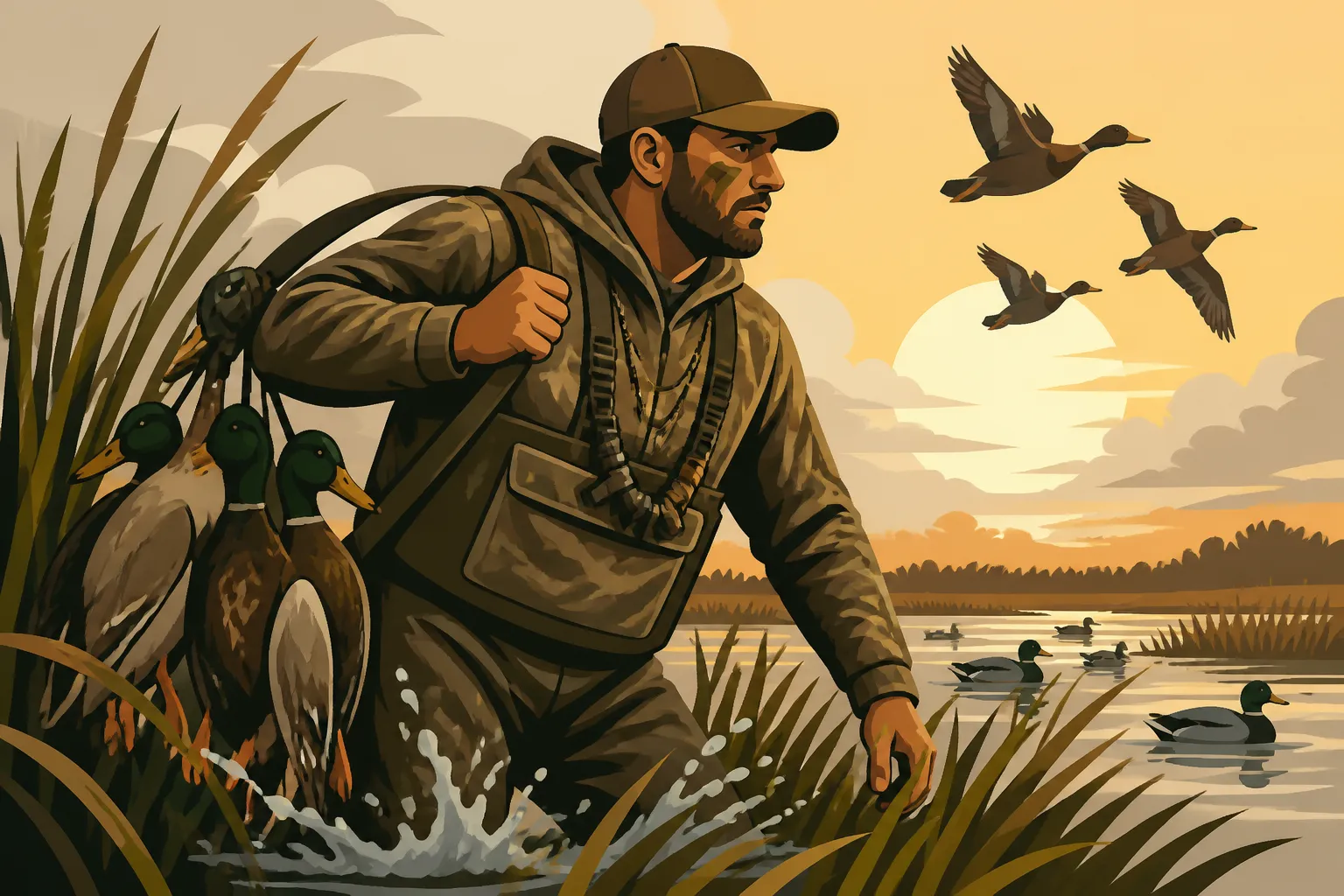
Imagine stepping out of a boat into what looks like solid ground, only to sink to your knees in thick, black gumbo mud. That's a common occurrence in the Louisiana marsh. The bottom varies wildly, from relatively firm shell ridges to deep, sucking mud that can steal your waders if you're not careful. You might be wading through ankle-deep water one minute, and the next, you're pushing through chest-deep sloughs, trying to keep your balance with a shotgun in hand and decoys slung over your shoulder.
This isn't a flat, even surface; it's a labyrinth of small ditches, hidden crab holes, submerged logs, and undulating terrain. Every step requires effort and a conscious awareness of where you're placing your feet. The constant struggle against resistance – be it mud or water – engages muscles you might not use often in daily life, leading to rapid fatigue if you're not conditioned. The footing changes dramatically with tides and recent rainfall, so what was an easy crossing last week might be a significant challenge today.
The Role of the Boat and Wading
Your journey into the marsh almost always starts with a boat. Whether it's a flat-bottomed boat, a mud boat, or even a traditional pirogue, getting in and out of these vessels, especially in the pre-dawn darkness, is a workout in itself. You're often stepping into murky water or onto soft banks, requiring balance and strength. Once you reach your hunting spot, the real work often begins: wading.
Depending on the setup, you might have a short wade or a quarter-mile trek through water and mud to reach your blind or chosen spot. This isn't a leisurely stroll. You're carrying your shotgun, a blind bag full of calls and shells, and potentially a heavy decoy bag. Pushing through dense marsh grass adds another layer of resistance, requiring strong legs and core. If you're hunting in areas where you're setting up a spread, that means multiple trips back and forth, each time struggling against the elements. A guided trip might mean less wading for you personally, but it still requires being agile enough to move around as needed. Don't underestimate the strain of walking in water-filled boots and bulky waders for extended periods. It's a full-body workout that taxes your cardiovascular system just as much as your muscles. Hunting the Vermilion Parish Marsh or Hunting the Terrebonne Parish Marsh often involve significant wading, as does much of the entire Waterfowl Hunting the Louisiana Coastal Marsh experience.
Common Physical Challenges and How to Prepare
It's one thing to know the terrain is tough; it's another to understand the specific physical attributes you'll need to conquer it. Marsh duck hunting demands a blend of endurance, strength, and resilience that can catch even seasoned hunters off guard if they're not prepared.
Stamina and Endurance for Long Days
A typical marsh duck hunt isn't a quick sprint; it's a marathon. Your day often starts hours before sunrise, waking up at 2:00 AM or 3:00 AM to get to the boat launch, load up, and make the run out to your spot. By the time you've gotten in the boat, run through the marsh, waded to your location, set decoys, and brushed in your blind, you've already put in a few hours of hard physical labor before the first legal shooting light.
Then, you're standing or sitting, often in an awkward position, for several hours as you scan the sky and call ducks. Even if the hunting is slow, the physical toll of being out in the elements, maintaining vigilance, and occasionally adjusting decoys or retrieving downed birds adds up. If you're with a guide, they might handle a lot of the heavy lifting, but you'll still need the endurance to remain alert and ready to shoot. Later, you'll repeat the process in reverse: picking up decoys, wading back to the boat, unloading, and cleaning birds. This extended period of activity, often in cold or damp conditions, requires good cardiovascular fitness. Regular walking, jogging, or even swimming in the months leading up to your hunt can significantly improve your experience. Thinking about booking a multi-day trip? That's even more reason to boost your stamina. Many outfitters listed on platforms like BookYourHunt will specify the intensity of their hunts, and "marsh" almost always implies "strenuous."
Strength and Core Stability for Gear and Movement
You'd be surprised how quickly the weight of your gear adds up when you're wading through mud. A shotgun, a full blind bag with shells, calls, snacks, and perhaps a thermacell, plus a bag full of decoys – it all becomes incredibly heavy when you're fighting resistance with every step. Retrieving downed birds can mean more wading, sometimes into deeper water or thicker cover, and carrying a limit of ducks back to the boat adds even more weight.
Core strength is absolutely crucial. The unstable footing of the marsh means your core muscles are constantly engaged to maintain balance and prevent falls. Imagine leaning over to pick up a decoy while sinking into soft mud – without a strong core, you're going to struggle, potentially lose your balance, or strain your back. Practicing exercises like planks, squats, and lunges in the off-season can build the necessary strength in your legs, back, and core to handle these demands. Even something as simple as carrying a loaded backpack around your neighborhood can simulate the experience of hauling gear through the marsh.
Dealing with Environmental Factors
Louisiana weather is famously unpredictable and can significantly amplify the physical demands of a marsh hunt. What starts as a cool, crisp morning can quickly turn into a warm, humid day, leading to overheating and dehydration. Conversely, a sudden cold front can bring bone-chilling winds and rain, increasing the risk of hypothermia if you're not adequately dressed. Hunting Deer After a Cold Front applies to duck hunting too, as these conditions are often the most physically taxing.
- Heat and Humidity: Even in fall and winter, warm spells happen. Wading in waders is inherently warm, and adding high humidity can make you feel like you're in a sauna. This leads to profuse sweating, electrolyte loss, and rapid fatigue.
- Cold and Wind: When cold fronts do roll through, the exposed nature of the marsh means there's little shelter from biting winds. Staying warm requires your body to work harder, burning more calories and depleting energy reserves. Wet clothes from wading or rain can accelerate heat loss.
- Rain: A steady drizzle or downpour makes everything slicker, colder, and heavier. Your gear gets soaked, adding weight, and visibility decreases, making navigation even tougher.
- Insects: While less prevalent in colder months, mosquitos and biting gnats can be relentless in the marsh, especially during warmer periods. Dealing with constant bites and buzzing adds mental and physical stress, making it harder to focus and draining your energy.
Proper layering, knowing how to shed or add clothing effectively, and staying hydrated are key to mitigating these factors.
Gear Considerations for Minimizing Physical Strain
While you can't change the marsh itself, you can certainly choose your gear wisely to lessen the physical burden. Investing in the right equipment isn't just about comfort; it's about efficiency and safety when you're deep in the challenging environment of a Louisiana marsh.
Waders and Footwear Choices
Your waders and the boots attached to them are arguably the most critical piece of equipment for a marsh hunt. Cheap, ill-fitting, or poorly designed waders can turn an already tough hunt into an absolute misery.
- Neoprene vs. Breathable: Neoprene waders offer excellent insulation for cold weather but can be incredibly hot and cumbersome for warmer days or long wades. Breathable waders, often made with Gore-Tex or similar materials, are lighter and allow moisture to escape, reducing sweat and fatigue. However, they require more layering underneath for warmth. Consider the typical temperatures you'll be hunting in, but often, a good pair of breathable waders with quality layering underneath offers the most versatility.
- Boot Type and Traction: The integrated boots on your waders need to offer excellent traction for slippery mud and firm support to prevent ankle rolls on uneven ground. Look for aggressive tread patterns. Some hunters prefer waders with uninsulated boots, allowing them to wear thick wool socks for warmth and comfort, giving more flexibility. Make sure the boots fit well – too loose, and you'll be fighting slippage; too tight, and you'll restrict circulation and get cold feet quickly. A well-fitting pair helps distribute weight and provides crucial support.
Carrying Systems and Decoy Spreads
Dragging a heavy decoy bag or blind bag through mud and water is a surefire way to wear yourself out quickly. Think about how you'll carry your gear.
- Decoy Bags: Instead of one giant, heavy bag, consider multiple smaller bags or a backpack-style decoy bag that distributes the weight across your shoulders and back. Some hunters even use floating sleds or large mesh bags that can be pulled across shallow water, which can save a lot of energy compared to carrying.
- Lightweight Decoys: While traditional plastic decoys are durable, foam-filled or collapsible decoys can significantly reduce the overall weight of your spread. If you're doing a run-and-gun style hunt in the marsh, where mobility is key, a smaller, lighter spread is often the smarter choice. Check out online resources like GoHunt, which often review new gear designed to lighten the load for hunters.
- Blind Bags: Choose a blind bag that's not excessively large and can be comfortably worn or carried. Consider waterproof bags to keep your essentials dry and organized. A well-designed blind bag with external pockets for calls or shells can make accessing items easier without fumbling around.
Importance of Layering and Hydration
These two factors are often overlooked but play a huge role in managing physical demands.
- Layering: The ability to add or shed layers is critical in Louisiana's variable climate. Start with a moisture-wicking base layer to pull sweat away from your skin. Add insulating layers (fleece, wool) for warmth, and finish with a waterproof and windproof outer shell. This system allows you to adapt to changing temperatures and activity levels. You might be shedding layers during a strenuous wade and putting them back on when you're sitting still in the blind. Neglecting proper layering can lead to overheating, chilling, or both, draining your energy much faster. A little research into what to pack for a guided Louisiana hunt will almost always emphasize flexible layering.
- Hydration: Even in cool weather, you're exerting yourself and sweating, especially inside waders. Dehydration saps energy, impairs judgment, and can lead to muscle cramps. Carry plenty of water, and consider electrolyte-rich drinks, especially on warmer days. Start hydrating the day before your hunt, not just the morning of. It's easy to forget to drink when you're focused on the hunt, but regular sips throughout the morning will make a huge difference in your stamina and ability to stay sharp.
Mental Fortitude and Safety in the Marsh
Beyond the physical requirements, a successful and enjoyable marsh duck hunt in Louisiana also demands mental toughness and a strong focus on safety. The challenges of the environment can wear down your spirit as much as your body if you're not prepared.
The Psychological Aspect of Discomfort
Let's be real: hunting in the marsh can be uncomfortable. You're often cold, wet, muddy, and tired. The bugs can be aggravating, the blind might be cramped, and the ducks might not be flying. It's easy to get discouraged when you're fighting the elements and not seeing immediate results. This is where mental fortitude comes into play.
Having a positive attitude, even when things are tough, makes a huge difference. Focus on the beauty of the sunrise, the camaraderie with your hunting partners, or the sheer privilege of being out in such a unique environment. Learning to manage frustration and staying focused on the task at hand – calling, scanning, being ready for a shot – will help you push through the discomfort. Remember why you're out there. Sometimes, the greatest trophy isn't a limit of birds, but the satisfaction of overcoming the challenges the marsh throws at you. You might find yourself knee-deep in mud, questioning your life choices, but a strong mental game will keep you pushing forward, ready for that next flock.
Safety Considerations and Emergency Preparedness
The physical demands of a marsh hunt can quickly lead to dangerous situations if you're not careful. Exhaustion, hypothermia, and getting stuck in deep mud are real risks. This is why safety should always be your top priority.
- Know Your Limits: Be honest with yourself about your physical condition. If you're feeling overly tired or notice unusual discomfort, speak up. Don't push yourself beyond a safe point, especially when you're far from the boat or vehicle. It’s far better to call it a little early than to risk injury or a more serious emergency.
- Communicate: Always let someone know where you're hunting and when you expect to return. Hunt with a buddy if possible, and carry reliable communication devices (fully charged phone, satellite communicator). Cell service can be spotty or non-existent in many marsh areas, so plan accordingly.
- First Aid: Carry a basic first aid kit with essentials for cuts, scrapes, blisters, and any personal medications. Knowing basic first aid is also crucial.
- Navigation: The marsh can be disorienting, especially in low light or fog. Always have a reliable GPS or mapping app like the one discussed in Scouting With the LDWF App, along with a compass and the knowledge to use it. Mark your starting point and your hunting location.
- Hypothermia Prevention: If hunting in cold weather, be vigilant for signs of hypothermia. Even if the air temperature isn't freezing, wind and wetness can quickly drop your core body temperature. Extra layers, dry clothes, and knowing how to get warm are vital. Be aware of Weather Contingency Policies for Marsh Guides if you are hunting with an outfitter.
- Getting Stuck: If you find yourself sinking deep into the mud, remain calm. Slowly and deliberately work your feet free. Don't panic and thrash, as this can make it worse. Leaning forward and distributing your weight can help. A sturdy stick or monopod for your shotgun can double as a probe or a leverage point if you get stuck.
A day spent hunting in the Louisiana marsh is an unforgettable experience, but it's one that rewards preparation. By understanding the physical demands and taking steps to condition your body and equip yourself properly, you'll be able to enjoy the challenge and the thrill of the hunt to its fullest. Whether you're a seasoned veteran or planning your first marsh adventure, a little foresight goes a long way.
Disclaimer
This article is for general informational purposes only and does not constitute professional advice. Laws, prices and regulations vary by location and change over time. Consult a qualified professional for guidance on your specific situation.