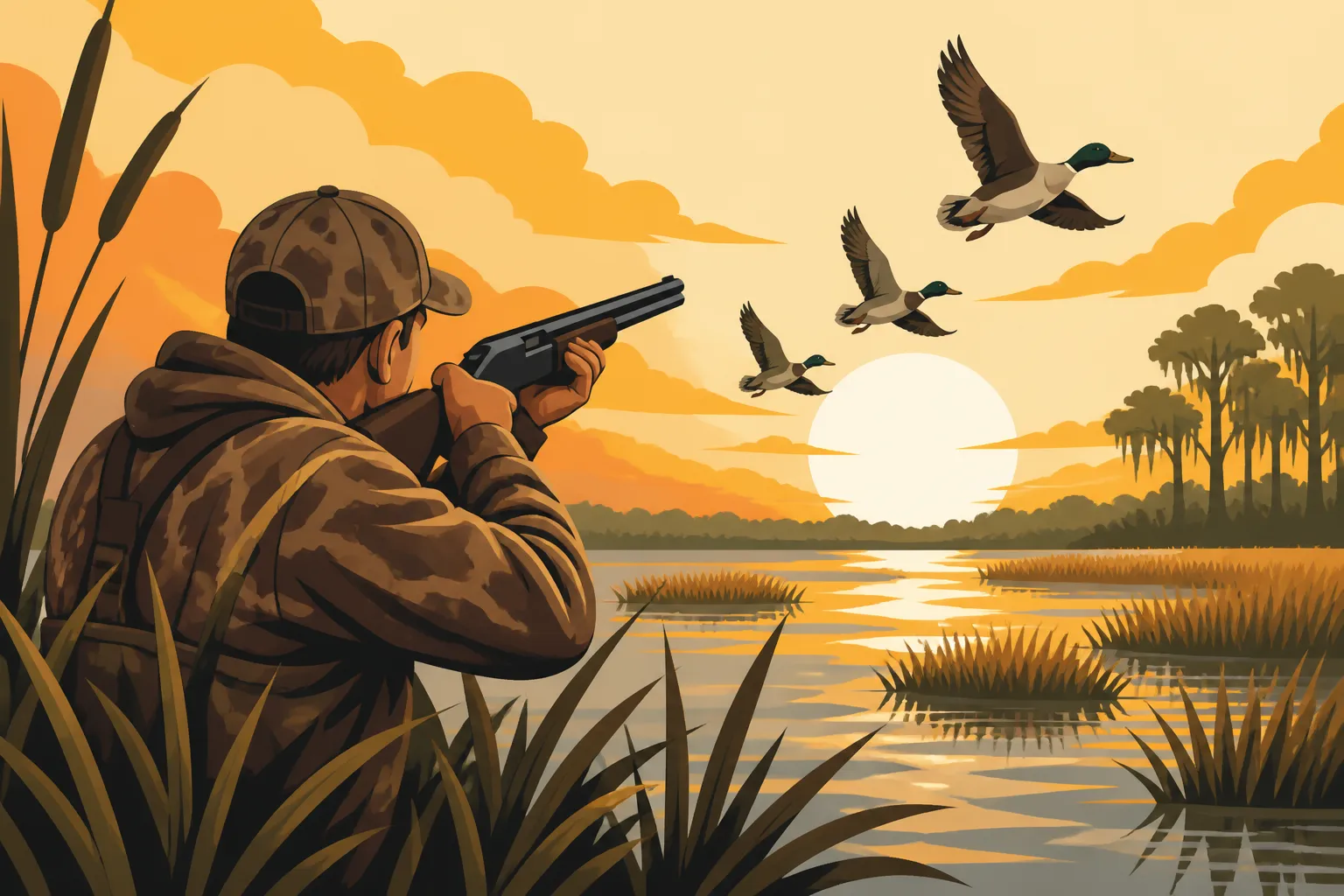
Hunting the Terrebonne Parish Marsh
Hunting the vast, often unpredictable marshlands of Terrebonne Parish can be an exhilarating, yet incredibly challenging endeavor. Many hunters arrive with high hopes of strapping limit straps full of ducks, only to find themselves battling shifting tides, dense vegetation, and a labyrinth of waterways. This guide is designed to cut through that confusion, offering practical, in-depth advice on what it truly takes to successfully hunt the Terrebonne Parish marsh, from understanding its unique environment to mastering the tactics and regulations that govern this wild, watery paradise.
The Allure and Challenges of Terrebonne Parish Marsh Hunting
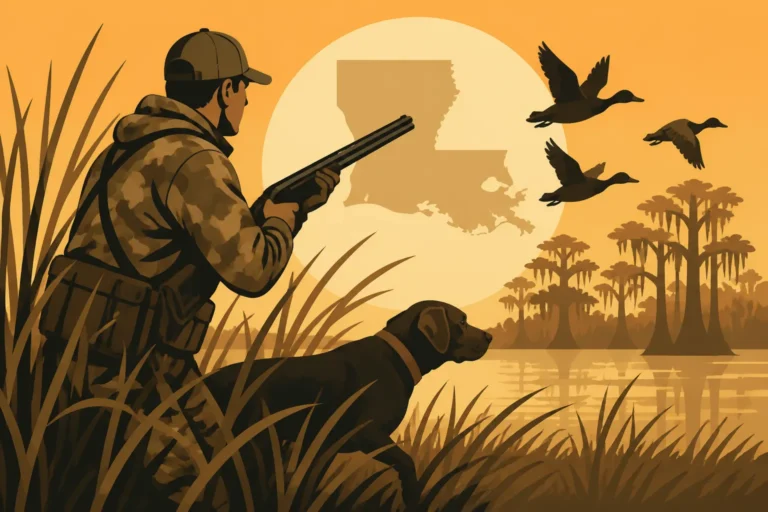
Terrebonne Parish offers some of the most iconic and productive hunting grounds in Louisiana, particularly for waterfowl. However, it's not a place for the faint of heart or the unprepared. This isn't your typical timber hole or farm field hunt; it's an immersive experience dictated by the rhythm of the tides, the whispers of the wind, and the sheer vastness of the estuarine environment. Understanding this landscape is your first step to success.
A Landscape Shaped by Water and Wildlife
Imagine a sprawling mosaic of brackish water, mudflats, winding bayous, and seemingly endless stretches of spartina grass. That's the Terrebonne Parish marsh. This dynamic environment is a constant tug-of-war between freshwater inflows from the Mississippi River basin and the saline embrace of the Gulf of Mexico. This brackish nature creates a rich, diverse ecosystem, teeming with the invertebrates and aquatic vegetation that migrating waterfowl absolutely depend on. You'll find everything from shallow, open ponds to dense, nearly impenetrable cane thickets.
The sheer scale is daunting. There are countless hidden pockets, secluded ponds, and intricate drainages that can hold birds one day and be barren the next. Water levels fluctuate dramatically with the tides and wind, making navigation tricky and constantly reshaping the hunting grounds. What was a navigable channel at sunrise might be a mudflat by noon. This means your scouting needs to be ongoing, and your adaptability must be paramount. Learning to "read the marsh" – understanding where the water is moving, where the food sources are exposed or covered, and where birds are likely to rest and feed – becomes an almost intuitive skill honed over many frustrating, yet rewarding, trips. It's a place where patience isn't just a virtue; it's a necessity.
Game Abundance and Primary Targets
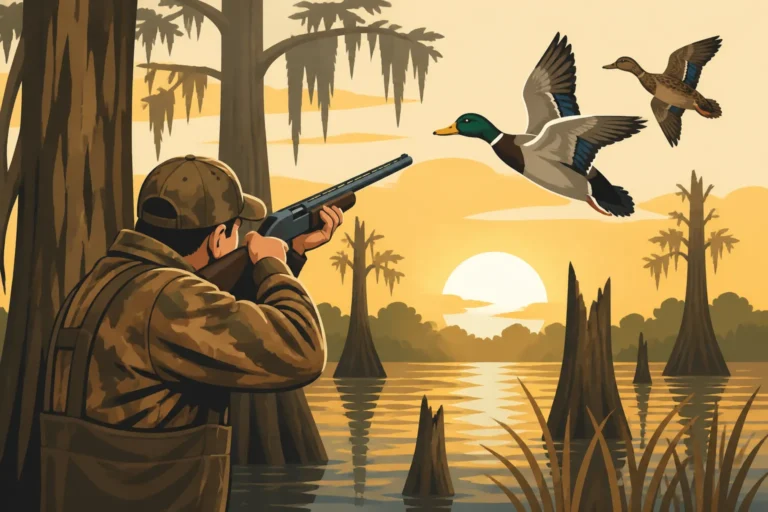
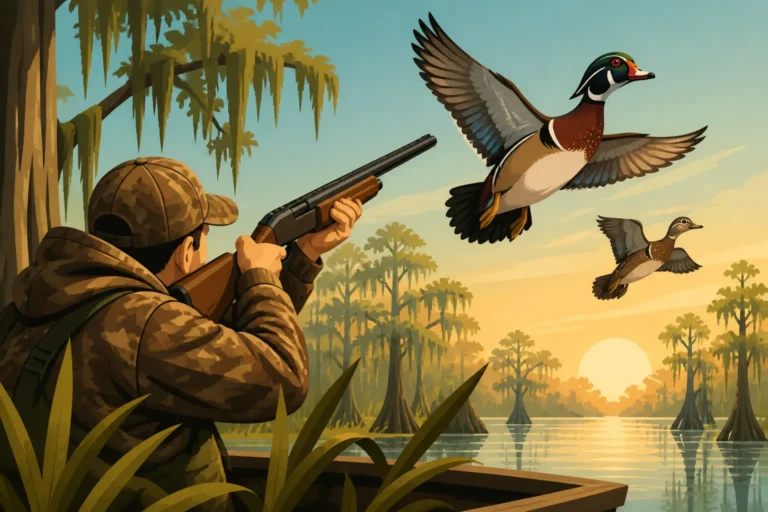
While the marsh offers a variety of game, the undisputed kings of the Terrebonne Parish hunting scene are waterfowl. This region lies squarely in the Mississippi Flyway, making it a critical wintering ground for millions of ducks and geese. You'll encounter a diverse array of duck species, with pintails, gadwall, wigeon, green-winged teal, and blue-winged teal often making up the bulk of the harvest. Mallards, while present, tend to be less numerous here than in the flooded timber further north, but you'll still find pockets of them. Diving ducks like scaup, buffleheads, and canvasbacks also frequent the deeper ponds and open bays.
Beyond ducks, the marsh also hosts significant numbers of geese. Specklebelly geese (white-fronted geese) are a highly prized bird, known for their delectable meat and challenging calls. Large flocks of snow geese also stage in the area, particularly in agricultural fields that border the marsh, but they'll often utilize marsh ponds for roosting. Hunting the Vermilion Parish Marsh to the west presents similar opportunities, but Terrebonne holds its own as a waterfowl mecca.
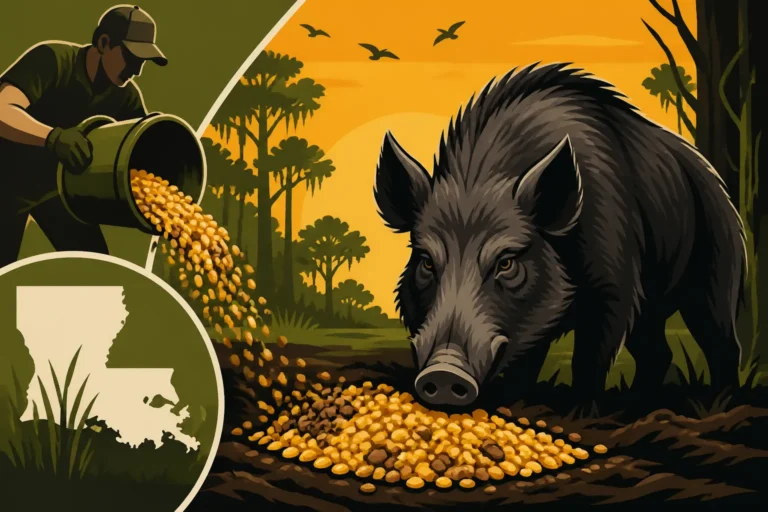
While ducks and geese are the main draw, don't overlook other opportunities. Feral hogs thrive in the marsh, often rooting through vegetation and along spoil banks. They can be incredibly destructive to the delicate marsh ecosystem, and Hunting Louisiana's Year-Round Feral Hogs is encouraged. Alligators are also abundant, and for those lucky enough to draw a tag in the annual lottery, Louisiana's New Recreational Alligator Season offers a unique hunting experience. Small game like rabbits can also be found on higher ground or spoil banks, providing an extra dimension to a marsh hunt, though they are usually secondary to the main targets.
Equipping Yourself for the Salty Grind
Hunting the Terrebonne Parish marsh requires specialized gear. You can't just show up with your deer rifle and a pair of boots; the environment demands specific tools and preparations. Investing in the right equipment isn't a luxury; it's a necessity for both safety and success.
Essential Watercraft and Navigation
Your choice of watercraft is paramount. A flat-bottom boat, ideally with a mud motor or surface drive, is the workhorse of the marsh. These boats allow you to navigate extremely shallow water, push through thick vegetation, and often get into areas where conventional outboards would be rendered useless. The marsh is crisscrossed with shallow bayous, canals, and open ponds, many of which can be just inches deep, especially at low tide or during periods of strong north winds. Having a dependable, shallow-running boat can be the difference between a successful hunt and being stranded for hours.
Navigation is equally critical. The marsh is a maze, and without proper tools, it's incredibly easy to get disoriented, especially in the pre-dawn darkness or heavy fog. A reliable GPS unit, either a dedicated handheld device or a robust smartphone app, is non-negotiable. This is where tools like the GoHunt app truly shine. Its detailed satellite imagery and property line overlays can help you identify subtle changes in marsh terrain, locate narrow channels, mark your blind locations, and most importantly, stay off private property. Even with a GPS, always carry a physical map and a compass as a backup. Water levels can change rapidly, and what looks like a clear path on a map might be an impassable mudflat in reality. Learning to Use the LDWF Map Tool in conjunction with other apps can provide even greater situational awareness.
Clothing, Decoys, and Firearms
Layering is key for marsh hunting. Louisiana weather can be notoriously fickle, swinging from frigid temperatures to unseasonably warm conditions within a single day. Start with moisture-wicking base layers, add insulating mid-layers like fleece, and top it off with a waterproof and windproof outer shell in a natural camouflage pattern. Breathable waders, preferably chest waders, are absolutely essential. You'll be standing, walking, and setting decoys in water that can range from ankle-deep to waist-deep. Don't skimp on quality here; a leaky pair of waders can quickly ruin a hunt and pose a hypothermia risk.
For waterfowl, a good spread of decoys is crucial. Most marsh hunters use a mix of puddle duck and diver duck decoys, often adding some goose decoys for increased visibility. The size of your spread will depend on the area you're hunting; smaller, more intimate ponds might only need a dozen, while large open bays could benefit from a hundred or more. Consider motion decoys, like spinning wing ducks or jerk cords, to add realism. Keep your decoys clean and free of unnatural glare. Your shotgun should be a reliable 12-gauge, capable of handling 3-inch or 3.5-inch shells. Non-toxic shot, typically steel, bismuth, or tungsten-iron, is required for waterfowl. Choose a shot size appropriate for the birds you're targeting – often 3s or 4s for ducks, and BBs or 2s for geese.
Proven Strategies for Terrebonne Marsh Success
Once you've got the right gear, it's time to talk tactics. The marsh demands a nuanced approach, and what works one day might not work the next. Adaptability and keen observation are your best friends.
Mastering Decoy Placement and Calling
Decoy placement in the marsh is an art. Unlike a static dry field, the marsh is dynamic, with tides and currents influencing how your decoys sit and move. A common strategy for ducks is to set up a "J" or "U" shaped spread, leaving an open landing zone directly in front of your blind. Pay attention to the wind direction; ducks almost always land into the wind. Position your decoys so that incoming birds will naturally funnel into your shooting lane. In shallower areas, consider placing some decoys on mudflats to simulate resting birds. For goose hunting, especially specklebellies, larger spreads of full-body or shell decoys can be effective, often positioned in a family group pattern.
Calling techniques in the marsh tend to be a bit more conservative than in other environments. Often, soft quacks, feeding chuckles, and greeting calls are more effective than aggressive hail calls, especially on calm days or after birds have committed. Knowing when to call and, perhaps more importantly, when to be silent, is a skill developed over time. Watching how the birds react to your calls will inform your approach. Sometimes, a few subtle quacks are all it takes to convince a wary flock to drop its wings. When it comes to geese, mastering the distinct "cluck" and "yodel" of the specklebelly can bring them right into your spread.
Concealment and Scouting in Open Water
Concealment is critical in the often-open marsh environment. Natural blinds can be constructed from local vegetation like roseau cane, willow branches, or spartina grass. A well-built natural blind will blend seamlessly into the surroundings. If natural cover is sparse, a portable boat blind, brushed in with marsh grass, or even a layout blind placed discreetly on a small island or spoil bank, can be highly effective. The key is to break up your silhouette and hide any unnatural lines. Remember, ducks and geese have incredible eyesight, and they will flare at the slightest hint of danger.
Pre-season Scouting Louisiana Public Land Before Season is invaluable. Use your boat to explore new areas, look for fresh sign (like duck droppings or feeding activity), and identify natural flyways. Watch how birds move at different times of day and under varying wind conditions. The GoHunt app can again be a lifesaver here, allowing you to mark potential roosting ponds, feeding areas, and promising blind locations long before opening day. Pay close attention to tidal charts; knowing when the water will be high or low can help you predict where birds will feed and rest, and also where you'll be able to navigate your boat. Reading a Marsh Pond for a Morning Flight will teach you volumes about waterfowl patterns.
Beyond Waterfowl: Other Marsh Hunting Opportunities
While waterfowl typically dominate the narrative, the Terrebonne marsh offers other unique hunting experiences. Feral hogs are a persistent problem in coastal Louisiana, causing extensive damage to the fragile marsh ecosystem. Hunting them can be a year-round pursuit. Tactics often involve spot-and-stalk along spoil banks or higher ground, often from a boat. Setting up bait stations on dry ground can also be effective, especially if you have permission on private land. You might even find success with thermal optics during authorized night hunts, where legal. Given the damage they cause, many landowners are more than willing to grant access for hog hunting.
For the adventurous, alligator hunting is an unparalleled experience, though access is primarily through the Louisiana Department of Wildlife and Fisheries (LDWF) lottery system. If you're fortunate enough to draw a tag for one of the designated alligator hunting zones in Terrebonne, you'll employ methods like hook-and-line sets, where baited hooks are strategically placed along bayous and ponds. This is a very hands-on hunt, culminating in a close-quarters encounter with one of Louisiana's most iconic predators. Louisiana's New Recreational Alligator Season rules are strict, so be sure to study them closely.
Understanding Regulations and Access Points
Hunting in Louisiana, especially on public lands, comes with a specific set of rules and requirements. Terrebonne Parish is no exception. Understanding these regulations and knowing where you can legally hunt are crucial before you even think about setting out your first decoy.
Navigating Public Lands and WMAs
Terrebonne Parish offers several key public access points and Wildlife Management Areas (WMAs) for hunters. One of the most prominent is the Pointe-aux-Chenes WMA, which provides extensive marsh hunting opportunities for waterfowl, hogs, and even rabbits. Theriot Canal WMA is another important one. Each WMA has its own unique set of rules, including specific entry/exit points, allowable hunting methods, and sometimes even mandatory self-clearing permits. Always consult the current Louisiana Hunting Regulations pamphlet or the LDWF website for the most up-to-date information regarding specific WMA regulations. These can change annually, and ignorance is never an excuse.
Accessing these WMAs often involves launching a boat from designated ramps and navigating the intricate waterways. It's critical to know the boundaries of the WMA, as adjacent lands are frequently private, and trespassing is a serious offense. This is another area where a good mapping application like GoHunt can prevent headaches, clearly showing WMA boundaries and private property lines, even when cell service is spotty. While public access exists, competition for prime spots can be intense, especially during opening weekends and peak migration. Consider hunting during weekdays or exploring deeper into the marsh to find less pressured areas. Louisiana Wildlife Management Areas is a good resource to start with.
License Requirements and Season Specifics
Before heading out, ensure all your licenses and certifications are in order. For waterfowl hunting in Louisiana, you'll need a basic Louisiana hunting license, a Louisiana waterfowl license, a federal duck stamp, and be HIP (Harvest Information Program) certified. Non-residents will need specific non-resident licenses. These requirements are statewide, but it's always good to double-check the latest regulations. You can find detailed information on Louisiana Hunting Licenses and What They Cost.
Season dates for waterfowl in Terrebonne Parish fall within the state's established Louisiana Waterfowl Zones and Seasons. Terrebonne Parish is typically located within the Coastal Zone. This means specific opening and closing dates for various duck and goose species, as well as bag limits for each. Pay close attention to these dates; hunting outside of them is a serious violation. For other species like feral hogs, the season is generally year-round on private land, but WMAs will have specific rules. Alligator hunting is confined to a short, lottery-based season. Always consult the official LDWF regulations pamphlet for the current year to avoid any legal issues.
| Game Species | Typical Season Dates (Coastal Zone) | Bag Limit (Daily) | Notes |
|---|---|---|---|
| Ducks (General) | Early Nov – Late Jan (split seasons) | 6 (species specific) | Must have federal stamp & HIP certification |
| Geese (Specklebelly) | Early Nov – Late Jan (often longer than ducks) | 3 | Separate goose seasons, check specifics |
| Geese (Snow/Blue) | Early Nov – Mid-Mar (Conservation Order often extended) | 20 (no possession limit during Conservation Order) | Special Conservation Order rules apply |
| Feral Hogs | Year-round on private land; WMA specific | No limit | Check WMA rules for methods and restrictions |
| Alligators | Mid-Aug – Mid-Oct (Lottery-based, zone specific) | Tag specific | Lottery tag required, strict methods |
Note: These are typical season dates and bag limits. Always consult the current year's official Louisiana Department of Wildlife and Fisheries (LDWF) regulations for precise, up-to-date information.
Disclaimer
The information provided in this guide is for general informational purposes only and is not a substitute for official regulations. Hunting laws and regulations in Louisiana are subject to change. It is the responsibility of every hunter to consult the most current Louisiana Department of Wildlife and Fisheries (LDWF) hunting regulations pamphlet or website before engaging in any hunting activities. Always prioritize safety, ethical hunting practices, and respect for wildlife and private property.