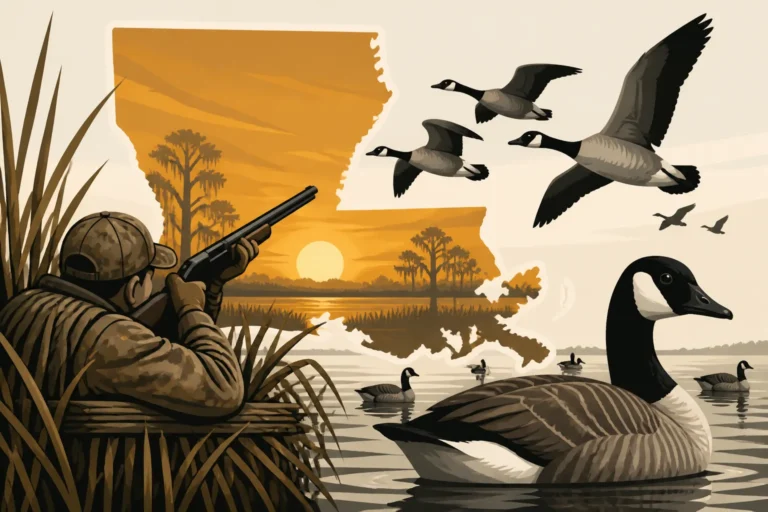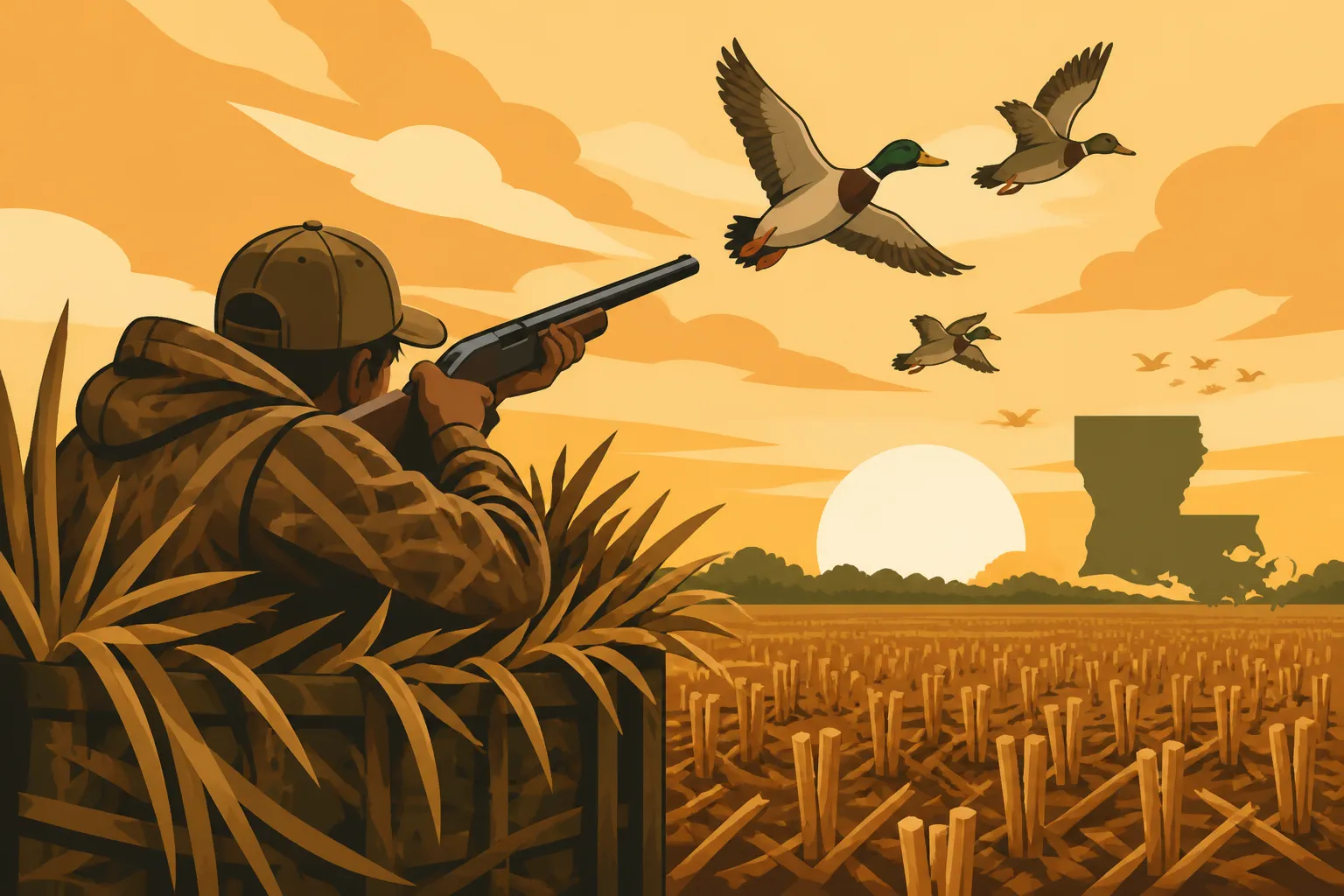
Layout Blind Hunting a Cut Rice Field
Hunting cut rice fields for ducks and geese in Louisiana can feel like a high-stakes guessing game. You know the birds are there, feasting on leftover grain, but finding that perfect spot, setting up invisibly, and getting them to commit can be incredibly frustrating, leading to missed opportunities and empty straps. This guide will walk you through everything you need to know about successfully hunting these productive fields from a layout blind, transforming those frustrating hunts into memorable ones.
Understanding the Allure of Cut Rice Fields for Waterfowl
Louisiana's vast agricultural landscape, particularly its extensive rice fields, offers an irresistible buffet for migrating waterfowl. After the harvest, these fields become prime real estate for ducks and geese looking to refuel and rest. Understanding why they are so attractive is the first step to hunting them effectively.
Why Ducks and Geese Flock to Rice
Imagine being a duck or a goose flying thousands of miles, needing energy, and suddenly seeing an endless spread of prime food. That's what a cut rice field represents. The mechanical harvest inevitably leaves a significant amount of waste grain scattered across the ground. This rice, rich in carbohydrates, is an energy powerhouse for these birds, crucial for their long journeys and the cold winter months. Beyond the food, these fields often hold shallow sheet water, whether from rainfall, irrigation overflow, or drainage, creating ideal loafing and feeding conditions. The low stubble provides a sense of security, allowing birds to rest and feed without feeling overly exposed. It's a perfect combination of sustenance, safety, and comfort, drawing in huge numbers of pintails, mallards, gadwall, and various goose species, especially specklebellies and snow geese. For anyone interested in the broader picture of why birds love our state, our comprehensive guide on Louisiana Waterfowl Migration Timing offers even more insights.
Reading the Landscape: Field Edges and Ponds
Before you even think about setting up a blind, you need to become a detective of the rice field. Ducks and geese aren't just randomly spread out; they have preferred spots. During your scouting trips, pay close attention to any areas where water collects, even if it's just an inch or two deep. These shallow sheet water areas, often found in low spots or along drainage ditches, are magnets for feeding ducks. Look for signs like muddy water, droppings, and the tell-tale "puddler" marks where ducks have tipped up to feed. Geese, on the other hand, might prefer slightly higher, drier ground for loafing after feeding, often congregating near field edges or slight rises that offer a vantage point. The edges of the field, especially those bordering a levee, timberline, or a ditch with deeper water, can also be critical travel corridors and initial landing zones. Sometimes, birds will land on the edge and walk into the field, or they'll use a deep ditch as a safety zone before moving to feed. Using tools like GoHunt and similar mapping applications can provide crucial aerial views to help identify these subtle topographical changes and potential loafing ponds, giving you a serious edge in your scouting efforts.
Essential Gear for Layout Blind Success
Hunting cut rice fields effectively demands specialized gear that allows you to disappear into the landscape while remaining comfortable and ready for action. Your choice of layout blind, decoy spread, and personal attire are critical components of a successful hunt.
Choosing the Right Layout Blind
The layout blind is your mobile fortress, and picking the right one is paramount. These blinds are designed to make you virtually invisible in low-profile environments like stubble fields. Look for blinds that offer a low profile but still provide adequate comfort for potentially long waits. Brands like Avery GHG, Rogers Sporting Goods, and FA Brand all offer popular models that cater to different needs. Some blinds feature a larger footprint for more comfort or storage, while others prioritize extreme portability and packability. Consider the camouflage pattern carefully; a pattern like Realtree Max-5 or Mossy Oak Shadow Grass Habitat that mimics dried vegetation and muddy conditions will blend seamlessly with Louisiana's rice field environment. Ensure the blind has a sturdy frame, quick-deploying doors, and a comfortable headrest. Remember, you'll be spending hours in this blind, so comfort is key to staying still and alert. Furthermore, practicing opening and closing the doors smoothly is essential – a fumbled attempt can flare an entire flock.
Decoy Spreads for Rice Field Waterfowl
Decoys are your visual bait, and a realistic spread is crucial for drawing birds into gunning range. For ducks in rice fields, a mixed spread of mallards, pintails, and gadwall is often effective, mimicking what natural concentrations look like. Full-body decoys offer the most realism, especially in clear, still conditions, but a combination of full bodies, shells, and even silhouettes can be effective and more practical to transport in large numbers. Motion decoys, like spinning-wing ducks (e.g., Mojo Outdoors), can add lifelike movement and catch the attention of distant birds, but use them judiciously, especially on heavily pressured birds who may have learned to associate them with danger. Geese, particularly specklebellies, are often more decoy-shy. A spread of realistic full-body or highly detailed shell goose decoys, set in small family groups, often works best. For snow geese, sheer numbers are usually the key – hundreds of white rags or full-body snow goose decoys can create the illusion of a massive flock. Positioning is vital: create open landing zones (holes) within your spread, and ensure your decoys appear natural, as if they are feeding or loafing. This is where scouting intelligence comes in handy – observing how real birds use the field will inform your decoy setup. If you're planning on focusing on geese, you might want to read up on Early Goose Season Tactics in Louisiana for more specialized advice.
Camouflage, Clothing, and Comfort
Disappearing into your environment goes beyond just your blind. Your personal camouflage must be impeccable. A head-to-toe camouflage pattern matching the dried rice stubble is essential, including a face mask and gloves. Even a glimpse of skin or a brightly colored object can be enough to spook wary birds. Layering your clothing is also critical for comfort in Louisiana's unpredictable weather. Mornings can be chilly and damp, while midday can warm up significantly. Waterproof outer layers are a must, as rice fields are often wet and muddy. Don't forget waterproof boots; walking through wet fields will quickly soak your feet without them. Beyond clothing, consider bringing a small, comfortable cushion for your blind, and pack plenty of water, snacks, and perhaps a thermos of coffee or hot chocolate. A good pair of binoculars can help identify distant birds and confirm species. Lastly, ensure your calls are tuned and readily accessible. Your ability to remain comfortable and still for extended periods directly impacts your success, so invest in quality gear that allows you to endure the elements.
Strategic Placement and Setup of Your Layout Blind
You’ve scouted the field, identified the hot zones, and gathered your gear. Now comes the critical stage: placing and setting up your layout blind. This isn't just about hiding; it's about becoming an integral part of the landscape.
Concealment is King: Brushing In Your Blind
The golden rule of layout blind hunting is simple: if it looks like a blind, birds won't come in. You need to become completely invisible, and that means brushing in your blind meticulously. Start by choosing a spot where the natural stubble or vegetation offers some inherent cover. Once your blind is in place, begin gathering natural materials from around the field—rice stalks, clumps of grass, even clods of mud—and attach them to the blind's stubble straps or pockets. The goal is to break up the blind's outline and make it blend seamlessly with the surrounding environment. Pay particular attention to the edges and any areas where the blind creates an unnatural shadow. Don't overdo it, though; you want it to look natural, not like a bush on top of a blind. The best way to check your concealment is to walk 20-30 yards away from your setup and look back. Does anything stand out? Are there any hard lines or unnatural colors? Take your time with this step, as it's often the difference between birds circling warily and birds committing to your spread. This art of disappearance is something you'd find valuable in other setups too, like when Brushing In a Blind on a Field Edge for deer or turkeys.
Wind, Sun, and Entry/Exit Routes
Beyond pure concealment, strategic placement involves considering the elements and your movement. Always try to position your blinds with the sun at your back. This puts the sun in the birds' eyes as they approach, making it harder for them to spot your position and giving you a clearer view for identification and shooting. Wind direction is equally crucial. Ducks and geese almost always land and take off into the wind. Therefore, you want your decoys and blinds set up so that approaching birds will be flying into the wind, directly over your spread, presenting close-range shots. A quartering wind, where the wind is coming from your side and slightly in front, can be ideal, allowing birds to approach and cup their wings right over your landing zone.
Finally, think about your entry and exit routes. You want to be able to get into and out of your blinds with minimal disturbance to the field and without spooking any birds that might be loafing nearby. Approach your setup from a direction that keeps you concealed, perhaps along a levee or a ditch. Use the cover of darkness to get into position before first light, and if possible, plan your exit to avoid disturbing birds that might be returning to the field. Many hunters use GPS or mapping apps, like the ones offered by GoHunt, to mark their blind locations and approach paths, ensuring they don't get lost in the pre-dawn darkness or disturb crucial areas. Smart planning here ensures you maximize your hunting window and minimize your impact on the birds' behavior.
In-Field Tactics and Ethical Considerations
Once you're tucked away in your layout blind, the real waiting game begins. Success now hinges on your patience, calling ability, and ethical hunting practices.
Calling Sequences and Shot Opportunities
Calling is an art, not a science, and in cut rice fields, it's about subtlety and realism. For ducks, a series of soft quacks, feed chuckles, and greeting calls can be very effective, especially when birds are circling. Avoid over-calling; often, less is more, particularly for pressured birds. Watch the birds' reactions – if they respond positively, continue your sequence; if they flare, ease off or change your tune. For specklebellies, a sharp, distinct yelp or cluck can grab their attention, followed by a more contented chatter as they get closer. Snow geese are a different beast entirely; loud, continuous "barking" calls are often needed to mimic a large flock.
When birds commit and drop their landing gear, the hardest part is often waiting for the right moment. Let them work, let them get into your landing zone. Identify your target before you rise. It’s critical to ensure they are within ethical shooting range and that you can clearly identify the species and sex if bag limits require it. A common mistake is jumping up too soon, catching birds too far out, or shooting into a tight group without a clear target. Wait until the birds are directly over or just feet from your decoys, with their feet down and wings set. This typically provides the cleanest, most ethical shot opportunities, leading to quick, humane kills. For those serious about their duck hunting, understanding other methods, such as Working Flooded Timber for Mallards, can broaden your skills.
Retrieving Birds and Post-Hunt Etiquette
After the shot, marking your downed bird is paramount. In a vast, stubble-filled rice field, a fallen duck or goose can disappear quickly. Keep your eyes fixed on where the bird falls, noting any landmarks like distant trees or irrigation pipes. If you have a retrieving dog, this is where they truly shine. A well-trained retriever can save you countless hours of searching and prevent lost birds. If hunting without a dog, walk directly to where you saw the bird fall and conduct a thorough grid search if necessary. Don't give up quickly; a lost bird is a wasted bird.
Once the hunt is over, proper etiquette and responsible hunting practices are essential. Pick up all your spent shell casings; leaving them behind is littering and sends a poor message about hunters. Take down your blinds and decoys cleanly. If you've driven onto the field, be mindful of crop stubble and potential damage. Respect the landowner's property and leave the field cleaner than you found it. This helps ensure future access and maintains a positive relationship between hunters and farmers. Whether you're in a rice field or hunting the Hunting Cameron Parish Marsh Ducks, these courtesies are always important. Before heading out, make sure you're familiar with all the relevant Louisiana Duck and Goose Bag Limits and other regulations, as responsible hunting is about knowing and following the rules.
Comparing Layout Blind Options for Rice Fields
When it comes to selecting a layout blind, several factors play a role in its effectiveness and your comfort during long hunts in Louisiana's rice fields. Here's a brief comparison of common considerations:
| Feature | Low-Profile Blinds (e.g., Avery Finisher, Rogers Goose Buster) | Mid-Profile Blinds (e.g., Banded Axe, Avery Power Hunter) | Pit Blinds (Semi-Permanent) |
|---|---|---|---|
| Concealment | Excellent; designed to disappear into minimal cover. | Good; slightly more visible but still low. | Superior; completely below ground level. |
| Comfort | Basic; can be cramped for larger hunters. | Moderate; more room to move, often better back support. | Excellent; like sitting in a chair. |
| Portability | Very High; lightweight, folds compactly. | High; a bit bulkier but still manageable by one person. | Low; requires heavy digging, often permanent. |
| Setup Time | Fast; unfolds quickly, minor brushing. | Moderate; similar to low-profile, but may need more brushing. | Very High; significant pre-season work. |
| Cost | Mid-range ($150-$300) | Mid-range ($200-$400) | High (materials, labor, landowner permission) |
| Ideal Use | Cut rice fields, short stubble, minimal cover. | Slightly taller stubble, field edges, more cover available. | Private land with dedicated, long-term access. |
| Weather Res. | Good; protects from wind and some rain. | Good; slightly more protection due to higher walls. | Best; fully enclosed from elements. |
| Accessibility | Easiest for single hunters or small groups. | Good for small groups, slightly more effort to transport. | Requires a dedicated spot, specific permission. |
It's clear that for most public or temporary private land access in Louisiana's cut rice fields, a low or mid-profile layout blind offers the best combination of concealment, portability, and ease of setup. While pit blinds offer ultimate concealment, their semi-permanent nature makes them impractical for varied locations or short-term leases. The choice between low and mid-profile often comes down to personal comfort and the typical height of the stubble you'll be hunting.
Disclaimer
Hunting is an activity with inherent risks. Always prioritize safety, understand and follow all Louisiana Department of Wildlife and Fisheries (LDWF) regulations, and obtain proper licenses and permits before heading into the field. This guide provides general information and should not replace official safety courses or legal consultation.