Louisiana Duck and Goose Bag Limits
It can feel like you need a law degree to understand all the rules and regulations when you're gearing up for a duck or goose hunt here in Louisiana. Between daily limits, possession limits, species-specific restrictions, and all the various zones, it's enough to make your head spin before you even step foot in the marsh or a flooded field. This guide is here to untangle that web for you, breaking down Louisiana's duck and goose bag limits so you can hunt confidently and legally.
Understanding the Basics of Bag Limits
Before we dive deep into the specific numbers, let's get a solid grasp on what these terms actually mean. It's not just about how many birds you can shoot in a single morning; there are layers to these regulations designed to manage waterfowl populations sustainably. Getting these foundational concepts right is the first step to staying compliant and avoiding an unexpected conversation with a game warden.
Daily Bag Limits Explained
The "daily bag limit" is probably the most commonly understood rule, but even that can have some nuanced interpretations. Simply put, it's the maximum number of a particular species, or combination of species, that you can harvest in one calendar day. If you're out hunting ducks, for instance, you can't just shoot six of any duck you see. Often, that overall daily limit is further broken down by specific species, meaning you might only be allowed one or two of certain ducks even if your overall bag isn't full. This specificity is crucial because some species are more sensitive to hunting pressure than others, or their populations might be struggling in a given year.
For example, a common daily bag limit might be six ducks, but within that six, you might only be allowed one pintail, two mallards (with specific hen restrictions), or a limited number of canvasbacks or redheads. These species-specific limits are put in place by the U.S. Fish and Wildlife Service in conjunction with state wildlife agencies like the Louisiana Department of Wildlife and Fisheries (LDWF) to ensure that we're not overharvesting vulnerable populations. It’s a dynamic system, and these numbers can shift from year to year based on breeding success, habitat conditions, and migration patterns, which is why it's so important to check the current regulations before each season.
Distinguishing Possession Limits
Now, a "possession limit" is a different beast entirely, and it's where many hunters, especially those on multi-day trips or traveling from out of state, can get tripped up. The possession limit is the maximum number of lawfully taken migratory game birds that any one person may possess at any time during a given season. This isn't just about what's in your cooler at the camp; it includes birds stored in your freezer at home, birds you've given away (if they haven't been processed by the recipient), and even birds at a taxidermist or processor if they haven't been checked in as final products.
Typically, the possession limit is two or three times the daily bag limit. So, if the daily duck limit is six, the possession limit might be 18. This allows hunters to accumulate birds over several days of successful hunting without exceeding a sustainable take over the long run. However, if you hunt for three days straight and bag six ducks each day, you'd be at 18 birds. If you then tried to hunt on the fourth day, you wouldn't be able to legally take any more ducks until some of those 18 were consumed, given away, or processed in a way that removes them from your "possession" count. It's a system designed to prevent commercialization and ensure fair chase principles.
Navigating Daily Bag Limits for Ducks
Louisiana is a waterfowl paradise, and our duck hunting seasons are eagerly anticipated by hunters across the state and beyond. But with that abundance comes the responsibility to understand the intricate rules governing what you can actually put in your strap. The daily duck bag limit isn't a blanket rule; it's a careful mosaic of species-specific restrictions that require diligent attention.
Mallards, Pintails, and Other Dabblers
The total daily bag limit for ducks in Louisiana is generally six birds, but the devil is truly in the details when it comes to specific species within that limit. For many hunters, the most sought-after bird is the mallard. The limit for mallards is typically two, with a further restriction that only one of those two can be a hen. This "one hen mallard" rule is a conservation measure, as hens are critical for successful breeding. You might find yourself passing on a hen mallard shot opportunity even when your overall bag is far from full, just to stay within this specific guideline.
Other popular dabbling ducks also have their own strict limits. For instance, northern pintails often have a limit of one bird per day. This is due to long-term population concerns for pintails across their breeding grounds. Gadwall, wigeon, and shovelers typically fall under the general six-bird limit without individual sub-limits, meaning you can shoot up to six of these species combined, as long as you don't exceed the overall six-duck aggregate. It's a lot to keep track of, but knowing these common species limits by heart will make your time in the blind much less stressful.
Divers and Special Species Restrictions
Beyond the dabblers, Louisiana's waters also host a fantastic array of diving ducks, and these birds often come with even tighter regulations. Species like canvasbacks and redheads are usually limited to one or two per day, if they are open to harvest at all in a given season. Scaup (bluebills), a common sight in our coastal marshes and open lakes, also have specific limits, which have fluctuated in recent years based on population surveys, often being one or two per day. These limits reflect the unique migratory patterns and population status of divers, which can be different from dabblers.
It's not just divers that have special rules. Wood ducks, with their striking plumage, are typically limited to two per day. Black ducks, though less common in Louisiana than in Atlantic Flyway states, might also have a specific limit if encountered. Mottled ducks, our resident breeding ducks, are an important species, and their limit is generally one per day. This intricate structure means that even with a six-duck daily limit, reaching it requires a varied bag and a keen eye for species identification. Staying current with these ever-changing numbers is non-negotiable for responsible hunters, and consulting the official Louisiana Department of Wildlife and Fisheries (LDWF) regulations is always the best course of action. You can often find detailed maps and specific rules for each of the Louisiana Duck Zone Rules that might influence these limits.
Specific Possession Limits and Season Frameworks
Understanding the daily limits is just one piece of the puzzle. The possession limit, which dictates how many birds you can legally have at any given time, is equally critical, especially for those extending their hunt or processing birds over several days. Louisiana's waterfowl seasons also feature specific frameworks, including different zones and special dates that influence when and where you can hunt.
Possession Limits for Ducks and Geese
As mentioned, the possession limit for ducks is typically three times the daily bag limit. So, if your daily bag for ducks is six, your possession limit is 18 ducks. This includes all species of ducks combined. For geese, the possession limits also follow this multiplier, but they are species-specific, mirroring their daily limits. For example, if the daily limit for dark geese (like specklebellies) is two, the possession limit would be six. For light geese (snow, blue, and Ross's), if the daily limit is 20, the possession limit would be 60.
This means you can't simply take 18 mallards, 18 pintails, and 18 gadwalls. Your total duck possession must not exceed 18, regardless of species composition, as long as you adhere to the species-specific daily limits during the days you harvested them. This rule is designed to ensure that hunters aren't stockpiling large quantities of game, which could blur the lines into commercial activity. When preparing to travel with your birds, ensure they are properly separated and identified, especially if you're crossing state lines, to prevent any legal issues. Proper tagging with your name, address, hunting license number, and the date and location of harvest is often required by law when transporting game, particularly if it's being shipped or left with another party.
Understanding Louisiana Waterfowl Zones
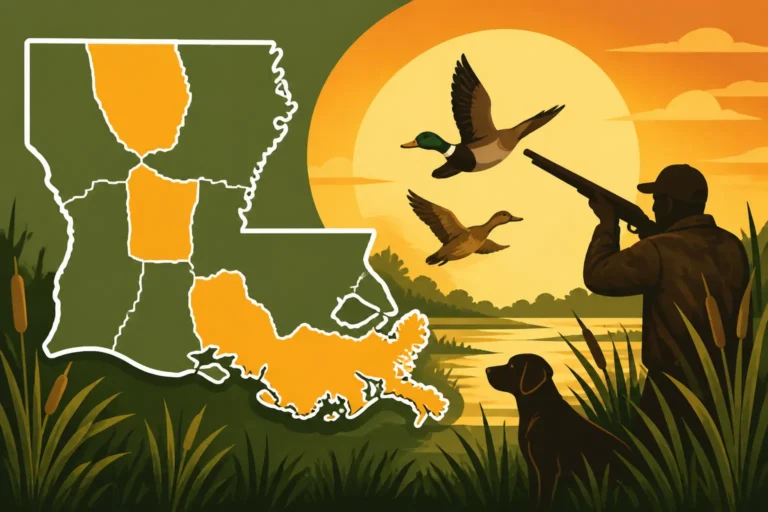
Louisiana is split into distinct waterfowl zones, and these zones have different season dates, affecting when you can hunt and, in some cases, which species might be more prevalent. These zones, primarily East, West, and Coastal, are established to accommodate the varying arrival and departure times of migratory birds across the state. The Louisiana Waterfowl Zones and Seasons dictates the specific opening and closing dates for each segment of the duck and goose seasons within those areas.
For example, the Coastal Zone, encompassing much of our prime marsh habitat, often has slightly different season splits than the East or West Zones. This is critical for hunters to know, as hunting outside of the established season dates for your specific zone is a serious violation. Always confirm which zone you'll be hunting in and verify the corresponding dates in the current hunting regulations. Using an app like GoHunt can be incredibly helpful for quickly referencing season dates and regulations specific to your location, often integrating with maps to show zone boundaries. It's a great tool to keep everything straight when you're planning a trip to a new area like the Vermilion Parish Marsh Public Access.
Deciphering Goose Bag Limits and Species-Specific Rules
Goose hunting in Louisiana offers a thrilling alternative or addition to duck hunting, particularly in the agricultural fields of Southwest Louisiana. Just like ducks, geese come with their own set of specific regulations that differentiate between species, often categorized as "dark geese" and "light geese." These distinctions are vital for hunters to recognize in the field to ensure they stay within legal limits.
Dark Geese: Specklebellies and Canada Geese
Dark geese primarily refer to white-fronted geese, commonly known as specklebellies or "specks," and Canada geese. Specklebellies are a highly prized bird among Louisiana hunters, known for their exceptional table fare and challenging hunts. The daily bag limit for specklebellies is typically two birds, and this limit is strictly enforced. Their possession limit would then be six. Successfully bagging two specks in a hunt is often considered a great day for many waterfowl enthusiasts.
Canada geese, while less abundant in Louisiana compared to northern states, are also found, particularly in certain agricultural regions. The daily bag limit for Canada geese is generally one bird. These limits are set to manage populations that are not as numerous in our state as light geese. Distinguishing between a specklebelly and a juvenile snow goose can be tricky for new hunters, especially in low light, making accurate identification skills paramount. Always err on the side of caution if you're unsure of the species.
Light Geese: Snow, Blue, and Ross's Geese
Light geese encompass snow geese, blue geese (which are a color phase of snow geese), and Ross's geese. These birds migrate to Louisiana in truly staggering numbers, often blanketing huge agricultural fields, particularly in the rice prairies of Southwest Louisiana. Their abundance is reflected in their incredibly generous bag limits. The daily bag limit for light geese is typically 20 birds per hunter, with a possession limit of 60. This allows for large, action-packed hunts that can be very exciting, especially when dealing with massive flocks.
Furthermore, Louisiana participates in the Light Goose Conservation Order, often extending beyond the regular duck and goose seasons. During this special conservation period, specific methods are often allowed that are otherwise illegal during regular seasons, such as electronic calls and unplugged shotguns (meaning no limit on shell capacity). The goal of the Conservation Order is to help manage the overpopulation of light geese, which can cause significant damage to their Arctic breeding grounds. Hunters need to be aware of the exact dates and specific rules for the Louisiana Goose Season Dates and the Conservation Order, as they can differ significantly from the regular season.
Important Considerations Beyond the Numbers
While knowing the specific duck and goose bag limits is critical, there are several other regulatory requirements and ethical considerations that every waterfowl hunter in Louisiana must understand and adhere to. These aspects ensure not only legality but also responsible and sustainable hunting practices. Overlooking any of these can lead to fines, loss of hunting privileges, or worse.
Federal Duck Stamp and HIP Certification
Beyond your standard Louisiana hunting license, two federal requirements are non-negotiable for migratory bird hunting: the Federal Duck Stamp and HIP (Harvest Information Program) certification. The Federal Migratory Bird Hunting and Conservation Stamp, commonly known as the Federal Duck Stamp, is required for all waterfowl hunters aged 16 and older. Not only is it a legal necessity, but it's also a powerful conservation tool, with 98 cents of every dollar spent on the stamp going directly to conserve vital wetlands and acquire habitat for the National Wildlife Refuge System. You can find information on the Louisiana Federal Duck Stamp Requirement to ensure you're in compliance.
HIP certification is another crucial, though often overlooked, requirement. It's not a physical stamp or license but rather a registration with the U.S. Fish and Wildlife Service, indicating that you plan to hunt migratory birds. This data is used to conduct nationwide harvest surveys, providing biologists with critical information on migratory bird populations and hunter activity. You can get HIP certified when you purchase your state hunting license, and it typically involves answering a few questions about your previous year's hunting success. Ensure you complete your Louisiana HIP Certification for Bird Hunters every year before you head out.
WMA-Specific Regulations and Baiting Rules
Hunting on Louisiana's Wildlife Management Areas (WMAs) often comes with an additional layer of regulations that go beyond the statewide limits. While the daily and possession limits for ducks and geese remain consistent, WMAs might have restrictions on hunting hours, specific access points, allowable methods (e.g., no permanent blinds, certain types of blinds only), or even temporary closures due to habitat management or bird concentrations. Always check the specific regulations for the WMA you plan to hunt before you go. This information is readily available on the LDWF website and in their annual hunting digests.
Furthermore, baiting rules are extremely strict for migratory bird hunting. It is illegal to hunt migratory birds over any area where bait has been placed. Bait is defined as any grain, feed, salt, or other edible lure that could attract migratory game birds. This includes distributing feed or even planting crops in a way that creates an abnormal attraction for birds. Normal agricultural operations are generally exempt, but any manipulation of crops specifically to attract birds for hunting is considered illegal baiting. Ignorance of the law is not an excuse, and violations can carry severe penalties, including hefty fines and loss of hunting privileges.
Staying Informed and Legal
The dynamic nature of waterfowl regulations means that staying informed isn't a "one-and-done" task. It's an ongoing responsibility for every ethical and legal hunter. Relying on outdated information or hearsay from a buddy can lead to serious consequences. Thankfully, there are many reliable resources available to keep you up-to-date.
Official Sources for Regulations
The absolute best place to find the most current and accurate duck and goose bag limits and season dates is the official Louisiana Department of Wildlife and Fisheries (LDWF) website and their annual Hunting and Fishing Regulations pamphlet. These documents are updated annually, sometimes with in-season emergency orders, and provide the definitive legal framework for hunting in the state. Always download the latest version or pick up a physical copy at an LDWF office or local license vendor.
The LDWF often publishes press releases and social media updates when significant changes occur, such as changes to specific bag limits for certain species or extensions of seasons. Subscribing to their email newsletters or following their official social media channels can be an excellent way to receive timely alerts. Remember, it's your responsibility as a hunter to know and follow the rules, not the game warden's responsibility to educate you in the field.
Utilizing Technology: Apps and Digital Tools
In today's digital age, technology offers fantastic tools to help hunters stay informed. Many reputable hunting apps, like GoHunt, provide integrated access to state regulations, season dates, and even interactive maps that show public land boundaries, waterfowl zones, and WMA rules. These apps are often updated regularly and can be a lifesaver when you're in the field without cell service, as many allow for offline access to downloaded maps and regulations.
A table outlining some common daily and possession limits can be a quick reference, but always double-check against current LDWF regulations.
Louisiana Waterfowl Bag and Possession Limits (Example, Check Current Regulations!)
| Species Group | Daily Bag Limit (per hunter) | Possession Limit (per hunter) | Notes |
|---|---|---|---|
| Ducks (Aggregate) | 6 | 18 | Species-specific limits apply within this aggregate. |
| Mallard (Total) | 2 (only 1 hen) | 6 (only 3 hens) | Hen mallards are limited for conservation. |
| Northern Pintail | 1 | 3 | Specific limit due to population concerns. |
| Canvasback | 2 | 6 | Often restricted; check current limits. |
| Redhead | 2 | 6 | Check current limits for this diver. |
| Wood Duck | 2 | 6 | |
| Mottled Duck | 1 | 3 | Louisiana's resident breeder. |
| Scaup (Bluebills) | 2 | 6 | Limit can fluctuate year-to-year. |
| Dark Geese | |||
| White-fronted Geese (Specks) | 2 | 6 | Highly sought after. |
| Canada Geese | 1 | 3 | Less common in Louisiana than elsewhere. |
| Light Geese | |||
| Snow, Blue, & Ross's Geese | 20 | 60 | High numbers due to overpopulation concerns; check Conservation Order rules. |
Please note: This table provides general examples. Always consult the current Louisiana Department of Wildlife and Fisheries (LDWF) regulations for precise, up-to-date limits and season information before hunting. Regulations can change annually or even in-season.
Using GPS-enabled mapping tools that can overlay current WMA boundaries or Hunting the Louisiana Rut by Area maps can also prevent accidental trespass or hunting in restricted areas. Whether you're planning a trip to the Waterfowl Hunting the Louisiana Coastal Marsh or focusing on Working Flooded Timber for Mallards, these digital aids can enhance your preparation and safety. While technology is a powerful ally, it should always supplement, not replace, your direct review of official regulations.
Final Thoughts on Responsible Waterfowl Hunting
Navigating Louisiana's duck and goose bag limits might seem complex at first, but with a commitment to understanding the regulations, utilizing available resources, and prioritizing ethical hunting, it becomes second nature. These rules are in place for a good reason: to ensure the sustainability of our incredible waterfowl resources for generations to come.
The Role of Hunter Education
For new hunters, or even seasoned veterans looking for a refresher, hunter education is invaluable. It covers not just firearm safety but also ethical considerations, wildlife identification, and an overview of hunting laws. While typically required for younger hunters, anyone can benefit from refreshing their knowledge. This foundational understanding helps build confidence and ensures you’re not just chasing birds, but also upholding the values of conservation. Learning to identify ducks like Louisiana Mallard and Gadwall Numbers or recognizing a Duck Migration Timing Through Louisiana pattern can drastically improve your success and adherence to limits.
Always remember the importance of proper game care, from field dressing to storage. Waste not, want not is a core principle of hunting, and ensuring your harvested birds are properly handled preserves the meat and honors the animal. Be a good ambassador for hunting, both in and out of the blind, and exemplify responsible behavior.
The Spirit of Conservation
Ultimately, adhering to bag limits and all hunting regulations is about more than just avoiding a fine; it's about being a steward of the land and its wildlife. Louisiana hunters are deeply passionate about their outdoor traditions, and preserving those traditions means playing by the rules. By doing so, we contribute to the health of the flyway, ensuring that ducks and geese continue to fill our skies for countless seasons ahead. Whether you're Hunting Cameron Parish Marsh Ducks or patiently waiting in a Layout Blind Hunting Coastal Rice Fields, your commitment to ethical and legal hunting practices makes a real difference.
Disclaimer
The information provided in this guide is for informational purposes only and is subject to change. While every effort has been made to ensure accuracy, hunting regulations can be complex and are updated frequently. It is the sole responsibility of each hunter to consult the most current official Louisiana Department of Wildlife and Fisheries (LDWF) regulations and federal migratory bird hunting regulations before engaging in any hunting activity. Failure to comply with all applicable laws and regulations can result in severe penalties.