How the Fifteen-Mile CWD Zone Radius Works
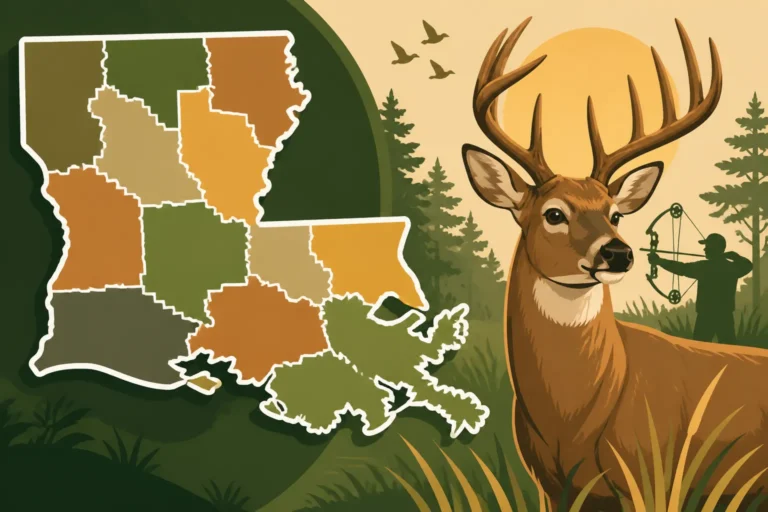
The news about Chronic Wasting Disease (CWD) hitting Louisiana has been a real gut punch for many hunters, bringing a wave of uncertainty about where and how we can pursue deer. One of the most confusing aspects often discussed is how the Louisiana Department of Wildlife and Fisheries (LDWF) establishes and manages CWD zones, particularly the elusive "fifteen-mile radius" rule. This guide aims to clear up the confusion, helping you understand exactly what these zones entail and what they mean for your hunting plans in the Sportsman's Paradise.
Understanding the Core CWD Management Zone
When Chronic Wasting Disease made its unwelcome appearance in Louisiana, it wasn't just a biological problem; it was an immediate headache for hunters and wildlife managers alike. This neurological disease, always fatal to deer and elk, spreads slowly but relentlessly. Its discovery triggered a rapid response from the LDWF, creating a framework of CWD management zones to try and contain its spread.
The Initial Detection and Its Impact
The first confirmed case of CWD in Louisiana was a moment many of us hoped would never come. It occurred in Which Parish Found Louisiana's First CWD Case, shaking the hunting community and prompting immediate and drastic action. This single detection didn't just mean one sick deer; it meant an entire region was now under scrutiny, with the potential for wider implications. The initial focus was on understanding the prevalence and distribution, leading to widespread testing efforts. This proactive approach was crucial because CWD can take years to manifest noticeable symptoms in infected animals, meaning by the time you see a sick deer, the disease has likely been present in the herd for a while. This initial discovery was the catalyst for the CWD zone system we now navigate. Since then, the number of confirmed cases, particularly in areas like Why Tensas Parish Drives Louisiana's CWD Count, has continued to inform and expand these management zones.
Defining the Enhanced Mitigation Zone
Following the initial detections, the LDWF established what they call an "Enhanced Mitigation Zone." This isn't just a suggestion; it's a legally defined area where specific, stringent regulations are put in place to aggressively combat the disease. Think of it as ground zero, where the risk is highest and the response is most intense. Within this zone, hunters face mandatory testing for harvested deer, strict Louisiana Carcass Movement Restrictions, and, perhaps most notably for many, an outright The Enhanced Mitigation Zone Baiting Ban. These measures are designed to limit human-assisted spread of CWD and prevent the unnatural congregation of deer, which can accelerate disease transmission. It changes how you scout, how you hunt, and even how you think about sharing your harvest, creating new challenges for seasoned hunters.
How the Fifteen-Mile Buffer Zone is Established
The fifteen-mile buffer zone is a crucial element in Louisiana's CWD management strategy, acting as a protective perimeter around known positive detections. It's the LDWF's way of drawing a line in the sand, attempting to prevent CWD from creeping into uninfected areas.
The Dynamic Nature of the Radius
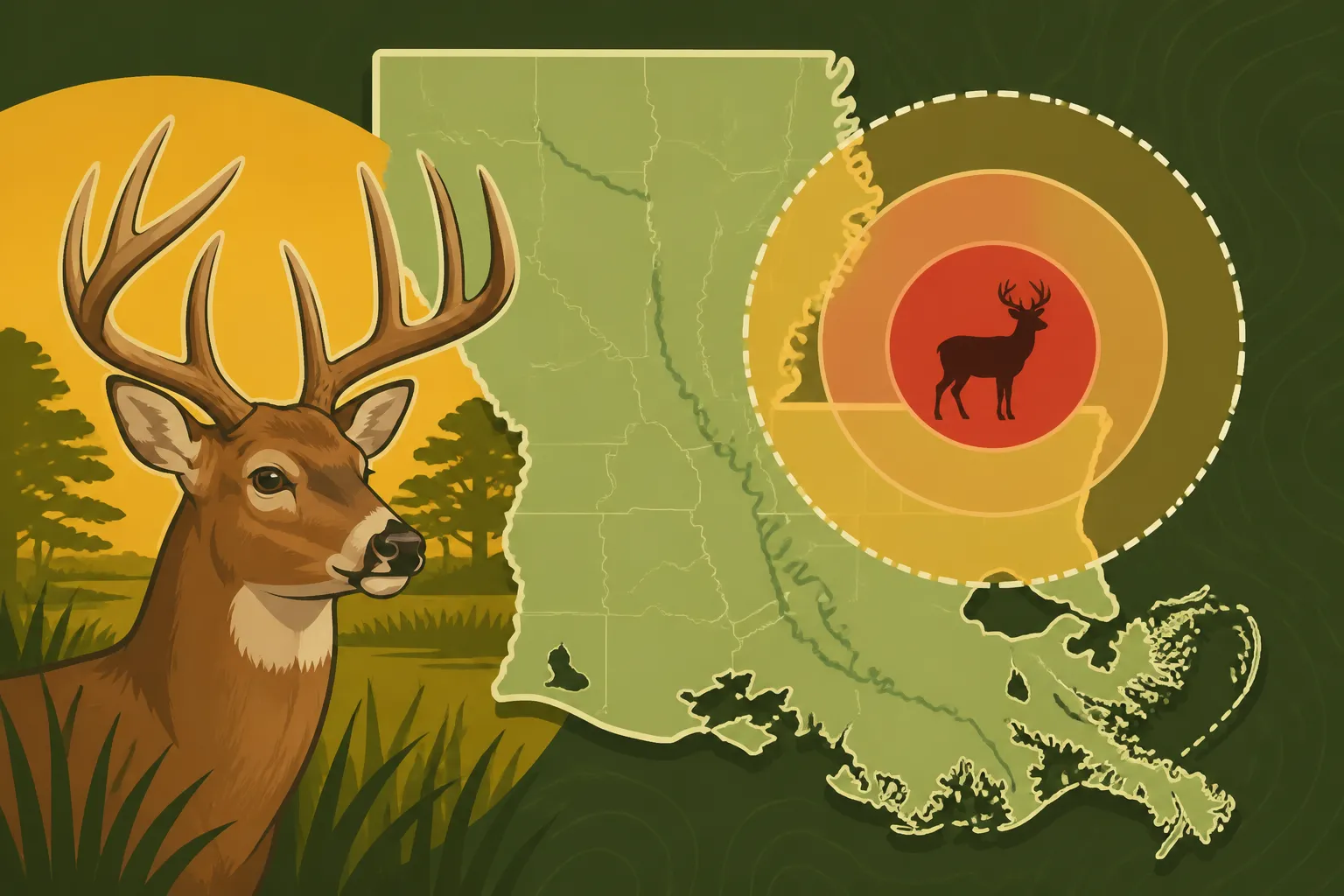
The moment a CWD-positive deer is confirmed, the LDWF draws a virtual circle with a fifteen-mile radius around that specific detection point. This circle defines the new buffer zone. What's vital to understand is that these zones are not static. They are incredibly dynamic. If another CWD-positive deer is found outside the current enhanced zone but within or near an existing buffer, a new fifteen-mile radius is drawn around that new positive location. This means zones can expand, overlap, or even merge as more cases are identified.
This ever-shifting landscape can be a real headache for hunters trying to plan their seasons. One week, your hunting lease might be outside a CWD zone; the next, a new detection could place you squarely in a buffer zone. To stay on top of these changes, utilizing resources like the official LDWF website, their social media channels, or advanced hunting apps like GoHunt is essential. GoHunt, for instance, often integrates updated regulatory boundaries, allowing you to see these dynamic zones overlaid on property maps, which is incredibly helpful for pre-season scouting and in-season adjustments. It's also wise to regularly consult tools like Scouting With the LDWF App for the most current information.
Rules Within the Buffer Zone
While the Enhanced Mitigation Zone comes with the most severe restrictions, the fifteen-mile buffer zone also carries its own set of rules, though generally less stringent than the core zone. The primary distinction often lies in the baiting regulations. For example, while the Enhanced Mitigation Zone typically imposes a full baiting ban, the buffer zone might allow baiting but with certain conditions, such as specific distances from known deer travel corridors or types of bait allowed. You need to verify the exact stipulations for The CWD Buffer Zone Baiting Rules versus The Enhanced Mitigation Zone Baiting Ban each season, as these can be updated based on ongoing research and disease prevalence.
Carcass movement restrictions also apply, albeit sometimes with slightly different nuances than the Enhanced Mitigation Zone. The overarching goal is still to prevent the movement of potentially infected carcass parts (like brain and spinal cord material) that could inadvertently spread prions to new areas. The LDWF has worked hard to roll out Louisiana's New CWD Management Zone Law to clarify these various stipulations. It's critical to realize that even if you're just in the buffer, careful planning for deer transport and processing is a must. Ignorance of the rules is not an excuse, and violations can carry stiff penalties, so always double-check the specific regulations for the parish or WMA you plan to hunt.
Practical Implications for Hunters in CWD Zones
Navigating CWD zones can feel like trying to hit a moving target, especially when rules seem to change and overlap. The reality is, CWD fundamentally alters how we approach deer hunting in affected areas, requiring more planning and a deeper understanding of the rules than ever before.
Mandatory Testing and Carcass Restrictions
Perhaps the most significant change for hunters operating within CWD zones, especially the Enhanced Mitigation Zones, is the requirement for mandatory CWD testing. When you harvest a deer in one of these areas, you're usually required to submit the deer's head for testing at a designated Finding a Louisiana CWD Sampling Location within a specific timeframe. This isn't just for data collection; it's a critical part of the surveillance effort to map the disease's spread. It’s an extra step, often involving a bit of a drive, but it's vital for the health of our deer herd.
Beyond testing, Louisiana Carcass Movement Restrictions are a major consideration. You can't just throw a whole deer in the truck and drive it home if your home is outside the CWD zone. Generally, only deboned meat, clean skull plates (antlers still attached), hides, and quarters without spinal column or brain material are allowed to leave the zone. This means on-site field dressing and butchering become much more important, or you need to plan to use a local processor within the CWD zone. This can be a real adjustment, particularly for hunters accustomed to taking their deer straight back to camp or home for processing. It’s also crucial for those wondering about Handling Venison From a CWD Management Zone safely and legally.
Baiting and Food Plot Restrictions
The baiting ban in Enhanced Mitigation Zones and potential restrictions in buffer zones are often the most contentious rules for hunters. For generations, baiting with corn or other attractants has been a common practice for many Louisiana deer hunters, especially on private land. The rationale behind the ban is sound: CWD prions (the infectious agents) can persist in the soil for years, and concentrating deer at a bait site increases the likelihood of nose-to-nose contact and saliva exchange, accelerating disease transmission.
This ban forces a significant shift in hunting strategy. Instead of relying on a feeder, hunters must now focus on natural food sources, bedding areas, and travel corridors. This means more intensive scouting, understanding deer movement patterns, and identifying areas where deer naturally congregate for feeding or cover. You might need to pivot your approach entirely, exploring techniques like still-hunting through thick cover or focusing on Late-Season Food Sources for Louisiana Whitetails. If you've traditionally relied on food plots, remember that these are also restricted within certain CWD zones due to the same principle of concentrating deer. Instead, you might explore areas where natural browse is abundant or consider planting Hunting a Green Field Planted for Deer outside of any CWD zone to avoid complications. For public land hunters, this might mean diving deeper into understanding Hunting Pressure on Louisiana Public Land and finding less trafficked spots where deer movement is more predictable.
Staying Informed and Responsible Hunting Practices
As hunters, we're not just consumers of wildlife; we're stewards of the land and its creatures. Staying informed about CWD and actively participating in mitigation efforts is paramount to protecting Louisiana's deer herd for future generations.
Utilizing Technology and LDWF Resources
The ever-evolving nature of CWD zones means constant vigilance is required from hunters. Thankfully, the LDWF has made significant strides in providing accessible information. Their official website is a treasure trove of data, including interactive maps that show the current boundaries of Enhanced Mitigation and buffer zones. These maps are updated frequently, so it’s wise to check them before every trip. Beyond the official website, apps like GoHunt offer detailed mapping overlays that integrate these CWD zones, allowing you to visualize them directly on your property lines or public land boundaries. This makes it incredibly simple to determine if your hunting spot falls within a restricted area.
Beyond zone boundaries, these resources also provide crucial updates on regulations, sampling locations, and even specific advisories. It’s not just about CWD either; these platforms can also help you keep track of other important information like Louisiana Managed Hunt Sign-Up Deadlines or Louisiana Quota Hunt Application Window, ensuring you don't miss out on opportunities. Taking a few minutes to check these digital tools before you head afield can save you a lot of headaches and ensure you're always hunting within the letter of the law.
The Hunter's Role in CWD Mitigation
Ultimately, the success of CWD mitigation in Louisiana rests heavily on the shoulders of informed and compliant hunters. We are the front line in detecting and reporting potential cases. If you observe a deer exhibiting symptoms of CWD – such as extreme weight loss, drooling, stumbling, or unusual behavior – it is imperative to report it to the LDWF immediately. Do not harvest the animal or attempt to move it. Early detection in new areas is critical for preventing wider spread.
Beyond reporting, adherence to Louisiana Carcass Movement Restrictions and mandatory testing is non-negotiable. While these rules can be inconvenient, they are designed to protect the very resource we cherish. Every hunter who follows these guidelines contributes to a larger data set that helps wildlife biologists understand the disease, track its spread, and develop more effective management strategies. It’s about more than just your personal hunt; it’s about ensuring the long-term health and sustainability of white-tailed deer in Louisiana. By being proactive and responsible, we can all play a part in facing this challenge head-on.
| CWD Zone Type | Typical Restrictions | Primary Purpose | Hunter Impact |
|---|---|---|---|
| Enhanced Mitigation Zone | Mandatory CWD testing, strict carcass movement restrictions, complete baiting ban, no food plots. | Aggressive containment and reduction of disease spread. | Requires significant changes to hunting methods (no baiting), mandatory submission of deer heads for testing, and on-site field dressing or using local processors within the zone. |
| 15-Mile Buffer Zone | Mandatory CWD testing (often), carcass movement restrictions (may be slightly less stringent), limited baiting/food plot rules (verify specific conditions). | Creates a protective perimeter around positive detections to prevent outward spread. | Hunters must stay updated on dynamic boundaries. May require testing and carcass management similar to Enhanced Zone but could allow limited baiting under specific conditions. Requires checking official sources like the LDWF CWD map for current regulations. |
Disclaimer
The information provided in this article is for general guidance only and is subject to change. Hunting regulations, including those related to Chronic Wasting Disease zones, are updated periodically by the Louisiana Department of Wildlife and Fisheries (LDWF). It is the hunter's responsibility to consult the most current official LDWF regulations and advisories before hunting.