The Enhanced Mitigation Zone Baiting Ban
The news about Chronic Wasting Disease (CWD) hitting Louisiana has been a real gut punch for a lot of us hunters, bringing with it a wave of confusion and new regulations that can feel overwhelming. Suddenly, the simple act of putting out a feeder or a mineral block, something many of us have done for years, is now under scrutiny, especially in certain areas. This guide is here to cut through that confusion, giving you a clear, empathetic breakdown of the Enhanced Mitigation Zone (EMZ) baiting ban and what it really means for your hunting practices in Louisiana.
Understanding Chronic Wasting Disease CWD in Louisiana
It's tough to hear about a disease threatening our deer herds, especially one as insidious as CWD. For generations, hunting has been a way of life here, a tradition passed down, and seeing something like this potentially disrupt it is unsettling. But understanding CWD is the first step in protecting our deer and our hunting future.
What CWD Is and How It Spreads
Chronic Wasting Disease is a nasty neurological disease that affects cervids—that's deer, elk, reindeer, sika deer, and moose. It's caused by abnormal proteins called prions, not bacteria or viruses, which makes it particularly challenging to deal with. These prions essentially turn the animal's brain into a sponge-like consistency, leading to weight loss, behavioral changes, and eventually, death. The really concerning part is how it spreads: primarily through direct animal-to-animal contact, but also indirectly through contaminated environments. Think about it – infected deer shed prions through their saliva, urine, and feces. These prions can then hang around in the soil for years, potentially infecting other deer that come into contact with it. This environmental persistence is why it’s such a nightmare for wildlife managers and hunters alike.
The History of CWD in Louisiana
For years, Louisiana was one of the few states in the South that hadn't detected CWD. We all watched with bated breath as it crept closer, showing up in neighboring states, and hoping it would skip over us. Unfortunately, that hope was dashed when, in 2022, the Louisiana Department of Wildlife and Fisheries (LDWF) confirmed the state's first positive case in a buck harvested in Tensas Parish. This discovery, while heartbreaking, immediately triggered a response from the LDWF, setting in motion a series of regulations aimed at containing the spread. If you're interested in the specifics, you can dive deeper into How CWD Reached Tensas Parish. Since that initial discovery, a few more cases have been identified, primarily concentrated in that initial region, making it clear that vigilance is absolutely crucial.
Why Baiting Exacerbates CWD Risk
Now, let's talk about baiting. For many of us, setting out a feeder or a pile of corn has been a time-honored tradition, a way to draw deer in, get trail camera pictures, and sometimes, fill a tag. We do it for convenience, for fun, and to improve our odds. But when it comes to CWD, baiting creates a significant problem. When deer congregate around a bait site – rubbing noses, sharing saliva, and depositing waste – it creates a perfect storm for prion transmission. That single corn pile becomes a communal feeding station where the risk of disease spread skyrockets. It essentially bypasses the natural dispersal of deer and forces them into close, prolonged contact that wouldn't typically happen in the wild. This forced congregation dramatically increases the likelihood that a healthy deer will pick up prions from an infected one or from the contaminated soil around the bait. It’s why baiting is seen as such a critical factor in the spread of CWD and why these bans are so necessary, even though they can be frustrating for hunters.
Defining Louisiana's CWD Management Zones
The LDWF didn't just blanket the entire state with new rules. Instead, they’ve taken a more surgical approach, creating specific zones based on the known prevalence and risk of CWD. Understanding these zones is paramount because your hunting regulations can change dramatically from one parish line to the next. It’s not just about knowing where your hunting spot is, but also understanding the invisible lines that dictate what you can and cannot do. For a broader overview, you might want to look into Louisiana's Chronic Wasting Disease Zones.
The Core Enhanced Mitigation Zone EMZ
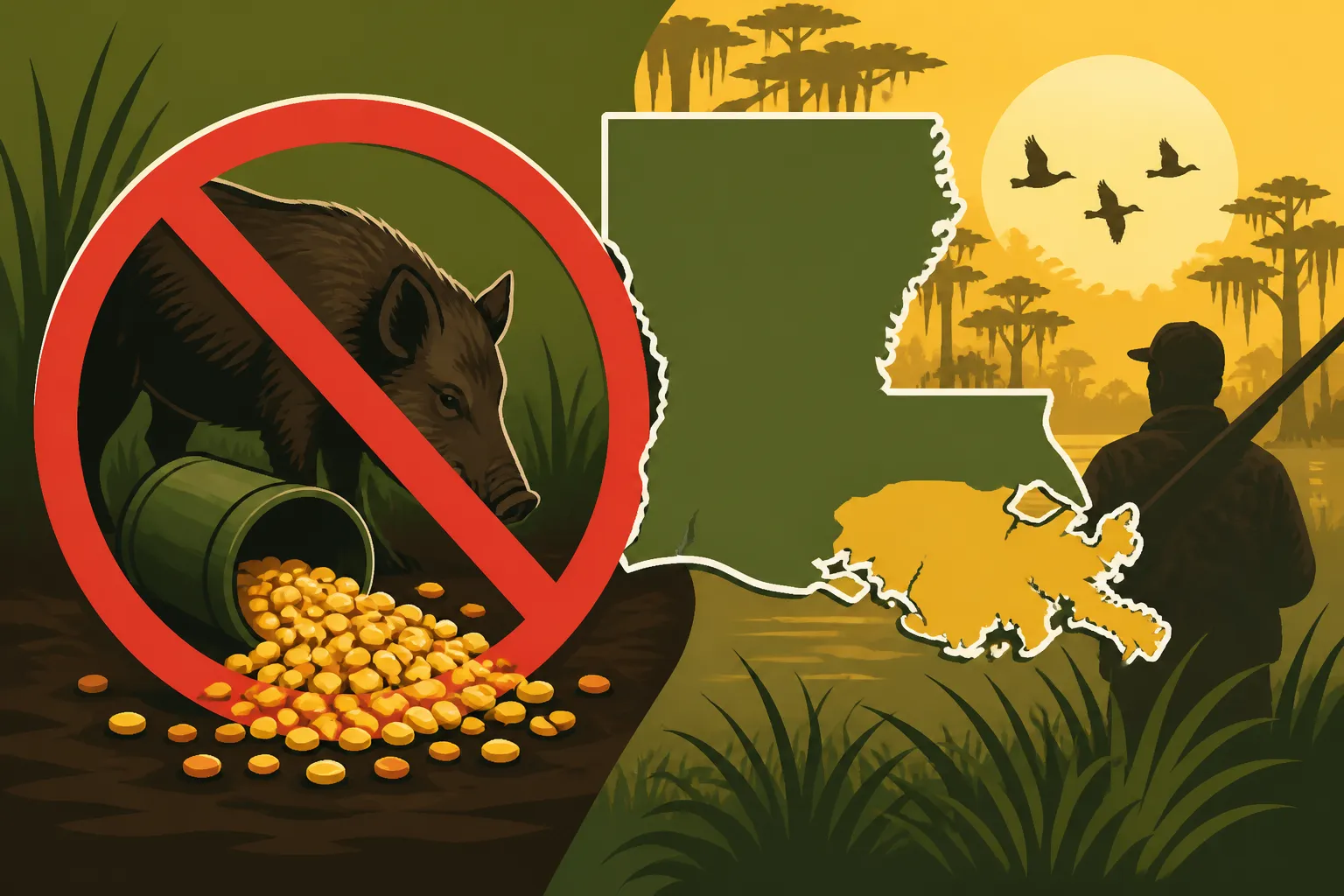
The Enhanced Mitigation Zone (EMZ) is the bullseye of CWD management. This is the area where confirmed CWD cases have been found, and as such, it's where the most stringent regulations apply. Currently, the EMZ primarily encompasses portions of Tensas and Franklin Parishes, but these boundaries can shift based on new findings. Within the EMZ, the goal is aggressive containment and monitoring. This isn't just about limiting the spread; it's about trying to get a handle on the disease where it's already established. The baiting ban in this zone is absolute, and there are strict rules around carcass movement and mandatory testing. Knowing if your hunting property or public land spot falls within this specific zone is your first and most critical step.
The Surrounding CWD Buffer Zone
Outside the EMZ, but still within a defined risk area, lies the CWD Buffer Zone. This zone acts as a protective ring, designed to minimize the chances of CWD spreading outwards from the EMZ. While not as restrictive as the EMZ, the Buffer Zone still carries significant regulations to mitigate risk. For instance, while the baiting ban in the Buffer Zone isn't total, it does have specific restrictions you need to be aware of, which we'll cover in more detail. This zone is typically defined as a 15-mile radius around the EMZ, but again, it’s crucial to check the most current LDWF maps because these lines are dynamic. It's often where the rules get a bit fuzzier, and where hunters need to pay extra attention to what's allowed. You can find more specific guidance on The CWD Buffer Zone Baiting Rules. If you want to know which parishes are generally affected, consider reading Which Fourteen Parishes Sit in a CWD Zone.
How Zone Boundaries Are Determined
The LDWF doesn't just draw lines on a map arbitrarily. These zone boundaries are the result of scientific analysis, disease modeling, and ongoing surveillance efforts. When a CWD positive deer is detected, biologists use a combination of factors, including geographic features, deer movement patterns, and proximity to the positive case, to define the initial EMZ. The Buffer Zone is then typically established around that EMZ, creating a broader area of increased vigilance. These zones are constantly reviewed and can be expanded or adjusted if new positive cases are found or if surveillance data suggests a change in risk. This dynamic nature means that hunters can't just learn the rules once and forget about them; staying up-to-date with the latest LDWF announcements and maps is essential. It's a continuous, evolving process driven by science and the need to protect our deer herd.
The Specifics of the Enhanced Mitigation Zone Baiting Ban
This is where the rubber meets the road for many hunters. The term "baiting ban" can conjure up images of overzealous wildlife agents, but the intent is purely about disease management. Understanding the nuances of what's prohibited, and what isn't, can save you a hefty fine and ensure you're doing your part to protect the herd.
What "Baiting" Means Under Louisiana Law
In the context of CWD, the LDWF defines baiting quite broadly. It's not just about pouring out a bag of corn. "Baiting" generally refers to placing, depositing, exposing, distributing, or scattering corn, wheat, oats, or other grain, salt, minerals, or other feed that can attract deer. The key here is the attraction of deer for the purpose of hunting or observation. If you put something out that pulls deer in and concentrates them, it's likely considered baiting. This isn't just about active feeding; it can also include things like sweet feed, protein pellets, or even certain food scraps. The intent is to prevent the unnatural congregation of deer that facilitates prion transmission. It's a significant shift for many hunters who are used to supplementary feeding, but it's a necessary step in the fight against CWD.
Feeders, Minerals, and Attractants Covered by the Ban
So, if it attracts deer, it's out in the EMZ. This means your traditional spin feeders, gravity feeders, and trough feeders are all a no-go. Those mineral blocks and granular mineral mixes that deer love to lick? Banned. Scent attractants that incorporate feed ingredients or create a food-like lure? Also prohibited. The ban is comprehensive because CWD prions can persist in the soil where these attractants are placed, becoming a long-term source of infection. Even liquid attractants or powdered deer candy that encourages licking and nose-to-nose contact falls under this umbrella. It's not about punishing hunters; it's about eliminating as many potential high-contact points as possible. It's a hard pill to swallow, especially if you've invested in this kind of gear, but the health of the herd is paramount.
Exceptions and Misconceptions
It's easy to get confused, so let's clear up some common misconceptions. The baiting ban does not prohibit hunting over bona fide agricultural crops, food plots, or normal agricultural practices (like spreading fertilizer or planting cover crops) that happen to attract deer. If a farmer plants a field of soybeans or winter wheat, you can absolutely hunt over it. Similarly, a properly managed food plot planted for deer nutrition and hunting purposes is not considered baiting under this specific CWD regulation. The distinction lies in the active placement of supplemental feed or attractants versus the natural or cultivated growth of forage. Another point of confusion sometimes arises with "natural" attractants like acorns. No, you can't be cited for hunting over a natural acorn drop. The ban specifically targets introduced substances. However, you can't rake up a pile of acorns and call it "natural." The rule targets artificial congregation points, not nature itself.
Practical Implications for Hunters in the EMZ
Hunting in the EMZ requires a different mindset. The old reliable methods might be off the table, but that just means it's time to sharpen your traditional hunting skills. It’s an opportunity to become a better hunter, relying more on woodsmanship and less on convenience.
Scouting and Hunting Without Bait
Without bait, scouting becomes your absolute best friend. You'll need to spend more time on the ground before the season, looking for natural food sources like acorns, persimmons, or browse. Pay close attention to travel corridors between bedding areas and these food sources. Look for fresh tracks, rub lines, and scrape lines – these tell you where deer are moving and what they’re doing. Instead of sitting over a feeder, you'll be sitting on a pinch point, a creek crossing, or a ridge saddle where deer naturally travel. This kind of hunting requires more effort and knowledge of deer behavior, but it's incredibly rewarding. Tools like the GoHunt app can be invaluable here. Using its satellite imagery and topographic maps to identify potential funnels, bedding cover, and natural food sources can give you a significant advantage when you're scouting Reading Aerial Photos for Central Louisiana Deer or trying to understand Finding Sign in Big Kisatchie Timber.
Legal Food Plotting Options
Food plots are a fantastic and legal alternative to baiting within the EMZ. Instead of simply dumping corn, you're actively managing the land to provide nutrition and attract deer naturally. Think about planting cool-season annuals like clover, winter wheat, oats, or brassicas in the fall. These provide highly palatable forage during hunting season and into the colder months. For spring and summer, perennial clovers or warm-season legumes can offer year-round nutrition. The key is that these are cultivated crops growing from the ground, not piles of imported feed. When planning food plots, consider soil testing, proper fertilization, and planting dates to maximize their appeal and effectiveness. This kind of land management benefits the deer herd by providing quality forage, and it does so without the CWD risk associated with bait piles.
Carcass Movement Restrictions in the EMZ
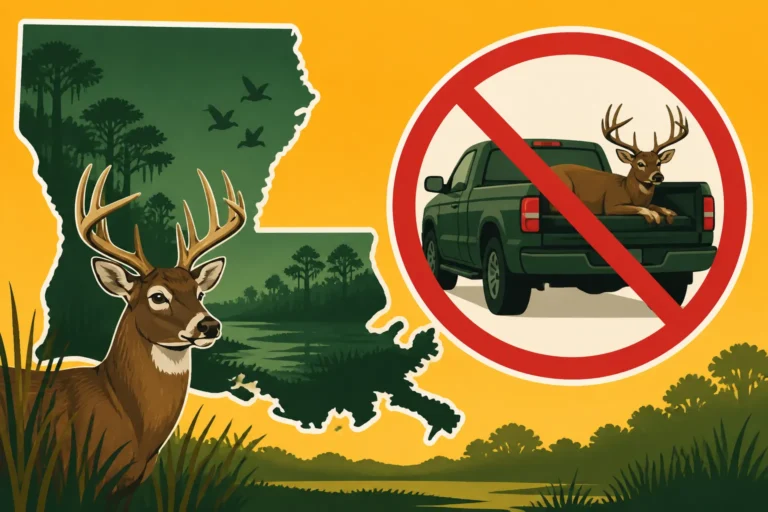
Another critical regulation in the EMZ, closely tied to CWD prevention, is the restriction on carcass movement. Because CWD prions are most concentrated in the brain, spinal cord, and lymph nodes, moving a whole deer carcass out of the EMZ could potentially introduce the disease to new areas. To prevent this, hunters are generally prohibited from moving whole deer carcasses out of the EMZ. You can usually transport boned-out meat, cleaned antlers (without brain tissue), hides, and skull plates (cleaned of all tissue) out of the zone. However, the entire carcass or any parts containing brain or spinal tissue generally must remain within the EMZ for proper disposal or testing. This is a crucial rule for all hunters to understand, not just those who hunt in the immediate vicinity of positive cases. To ensure you're compliant, you'll want to review Louisiana Carcass Movement Restrictions and even Moving a Deer Carcass Out of a CWD Zone before your hunt.
| Zone Category | Baiting Rules | Carcass Movement Rules (General) | CWD Testing |
|---|---|---|---|
| Enhanced Mitigation Zone (EMZ) | Complete Baiting Ban | Boned-out meat, cleaned antlers/skull plates only outside EMZ; whole carcasses must stay within. | Mandatory for harvested deer during specified periods. |
| CWD Buffer Zone | Specific rules apply; generally no placement of bait for hunting within eyesight of stand. | Boned-out meat, cleaned antlers/skull plates only outside Buffer Zone; whole carcasses must stay within. | Voluntary, but strongly encouraged. |
| All Other Areas | Legal, but strongly discouraged by LDWF. | No restrictions unless a new CWD case is detected and zones are established. | Voluntary, if desired. |
Note: Always consult the latest LDWF regulations for the most current and specific rules, as boundaries and regulations can change.
Alternative Strategies to Attract Deer
Okay, so baiting is out in the EMZ. It feels like losing a tool in your hunting toolbox, right? But fear not! Louisiana offers incredible opportunities for hunters who are willing to adapt. It’s about leveraging the natural behavior of deer and the rich habitat around us.
Natural Food Sources and Habitat Enhancement
Louisiana is blessed with abundant natural food sources that deer absolutely crave. Think about mature oak flats dropping acorns in the fall, or thickets of briars and honeysuckle offering year-round browse. Scouting for these natural food sources is paramount. Deer will key into them, sometimes for weeks at a time, providing excellent hunting opportunities. You can also implement habitat enhancements on private land to improve these natural offerings. This could mean selective timber stand improvements to encourage browse growth, planting native fruit trees like persimmons or muscadines, or even controlled burns to stimulate fresh new growth. These efforts not only attract deer but also improve the overall health and diversity of the ecosystem. It's about working with nature, not just trying to lure deer to a specific spot.
Effective Scouting and Stand Placement
This is where true woodsmanship shines. Instead of relying on a feeder, you become a detective, piecing together the puzzle of deer movement. As mentioned before, start by identifying natural food sources. Then, look for bedding areas – often thick cover, briar patches, or pine thickets where deer feel secure. The crucial next step is to find the travel corridors between these bedding and feeding areas. Look for well-worn trails, fresh rubs on saplings, and active scrape lines. Pay attention to topography: ridges, creek bottoms, and swampy edges can all funnel deer movement. Once you've identified these key locations, focus on strategic stand placement that allows for a clean shot while minimizing your disturbance. Consider prevailing winds, sun angles, and entry/exit routes. This type of detailed scouting and thoughtful stand placement is the foundation of successful hunting without bait. Getting out there before the season, even just walking your property or public hunting areas, is vital. Don't forget to check out Scouting Louisiana Public Land Before Season for more tips on preparing.
Using Calls and Decoys Responsibly
Even without bait, you have other tools to draw deer into range. Deer calls, when used effectively, can be incredibly persuasive. Grunt tubes can mimic a buck or doe, attracting curious deer. Rattling antlers can simulate two bucks fighting, appealing to the dominance instinct of other bucks, especially during the rut. Using these calls requires practice and an understanding of the deer's mood and the time of year. A soft doe bleat in early season might entice a cautious buck, while aggressive rattling during the peak of the rut could bring a dominant buck charging in. Decoys can also be effective, particularly a doe decoy during the rut to draw in bucks looking for a receptive partner. Always consider your hunting situation, wind direction, and shot distances when employing calls and decoys. For those interested in the specifics, Rattling and Grunting in Louisiana offers some great local insights. Just remember, these are tools to be used strategically, not crutches.
Staying Informed and Compliant
The CWD situation is dynamic, and regulations can evolve quickly. As hunters, it's our responsibility to stay informed, not just for our own compliance but for the health of the entire deer herd and the future of hunting in Louisiana.
LDWF Resources and Updates
The Louisiana Department of Wildlife and Fisheries (LDWF) is the primary source for all official CWD information and regulations. They have a dedicated section on their website where they post updates, detailed maps of the CWD zones, and specific regulations for each hunting season. Make it a habit to check their site regularly, especially before and during hunting season. They also often send out email alerts or publish news releases when significant changes occur. Attending local hunter meetings or following their social media channels can also provide valuable, real-time information. The LDWF has a tough job managing this, and they rely on informed hunters to be their partners in this critical effort. Always consult the official LDWF regulations, particularly Louisiana's New CWD Management Zone Law, for the most accurate and up-to-date information.
Using Mapping Tools for Zone Verification
Knowing exactly where the EMZ and Buffer Zone lines fall is critical. It’s not always obvious on the ground, especially in dense Louisiana timber or marsh. That’s where modern mapping tools truly shine. Apps like GoHunt, for example, offer detailed plat maps and public land boundaries that you can overlay with CWD zone maps if you acquire the data or use their specific CWD layers where available. This allows you to verify, down to the parcel, whether your hunting spot falls within a restricted zone. You can mark your stand locations, plot your entry and exit routes, and even monitor your exact location in relation to the zone boundaries in real-time using your phone’s GPS. This technology is a game-changer for avoiding accidental violations. Double-checking with GoHunt or similar reliable mapping applications can give you peace of mind and ensure you're hunting legally and responsibly.
The Role of Hunters in CWD Management
As hunters, we are on the front lines of CWD management. Our actions, both individually and collectively, have a profound impact. Beyond complying with regulations, there are several ways we can contribute. First, participate in CWD surveillance by submitting your harvested deer for testing, especially if you hunt in or near a CWD zone. The LDWF often sets up voluntary or mandatory Louisiana CWD Testing for Hunters at various locations, and your participation provides vital data. If you see a deer exhibiting symptoms consistent with CWD (emaciation, drooling, neurological issues), report it immediately to the LDWF. Educate your fellow hunters about the disease and the importance of compliance. By being proactive, responsible, and informed, we can all play a crucial role in minimizing the spread of CWD and ensuring the long-term health of Louisiana’s incredible deer herd.
Disclaimer
The information provided in this guide is for general informational purposes only and does not constitute legal advice. Hunting regulations, including those related to Chronic Wasting Disease (CWD) and baiting, are subject to change. It is the responsibility of each hunter to consult the most current official regulations published by the Louisiana Department of Wildlife and Fisheries (LDWF) before engaging in any hunting activities. Always refer to the official LDWF website or publications for the latest rules and zone boundaries.