Why Zones B and C Get the Most Alligator Tags
It's no secret that drawing a recreational alligator tag in Louisiana can feel like hitting the lottery, and for many hunters, the goal is to land a tag in one of the state's most productive zones. If you've ever found yourself wondering why Zones B and C consistently receive the lion's share of those coveted alligator tags, you're not alone. This guide is here to shed light on the unique factors that make these particular zones so special and why they offer the best chance for hunters hoping to embark on an unforgettable alligator hunt.
The Core of Louisiana's Alligator Program
Louisiana's alligator population is a true conservation success story, rebounding from near extinction to a thriving population thanks to diligent management by the Louisiana Department of Wildlife and Fisheries (LDWF). Today, the recreational alligator hunting program allows resident hunters a chance to participate in harvesting these incredible reptiles, but it's a highly regulated process. The state is divided into alligator hunting zones, and understanding how these zones operate is the first step to understanding why some are more productive than others.
How Alligator Tags are Allocated Statewide
The LDWF meticulously manages the recreational alligator season through a lottery system, and the allocation of tags is a scientific process, not just a random draw. Each year, wildlife biologists conduct extensive surveys to assess alligator populations, habitat health, and harvest sustainability within each zone. This data directly influences how many tags are issued for a particular zone. The goal isn't just to provide hunting opportunities, but to ensure the long-term health and stability of the alligator population. When you apply for the Alligator Recreational Lottery, you're entering a draw for a chance to receive tags for a specific zone. While every zone has alligators, the sheer number of tags available varies dramatically, leading to the common observation that certain areas, like Zones B and C, consistently offer more opportunities. This isn't favoritism; it's a reflection of the robust alligator populations these zones support.
The Lottery System and Hunter Demand
The demand for recreational alligator tags in Louisiana is incredibly high, and for good reason. It’s a unique hunting experience, steeped in tradition and offering an adrenaline rush unlike almost any other. Hundreds, if not thousands, of hunters apply each year, knowing that the odds can be tough, especially for those highly desirable zones. This intense competition means that every tag issued is a precious commodity. Because Zones B and C consistently have higher tag allocations, they naturally become the primary target for many applicants looking to maximize their chances. It’s a classic supply and demand scenario: where the LDWF identifies a sustainable surplus of alligators, more tags are issued, and that's where hunters focus their efforts. If you're looking into applying, remember to check the specific Louisiana Alligator Zone Allocations for the current year, as these can shift slightly based on population dynamics and survey results.
Why Zones B and C Stand Out in the Alligator Landscape
When we talk about alligator hunting in Louisiana, Zones B and C are often mentioned with a certain reverence. It’s not just hype; there are very real, tangible reasons why these zones receive the most alligator tags and, consequently, why they are so productive for hunters. It boils down to a perfect storm of geography, hydrology, and ecology that creates an ideal environment for American Alligators.
Geographic and Hydrological Features Driving Abundance
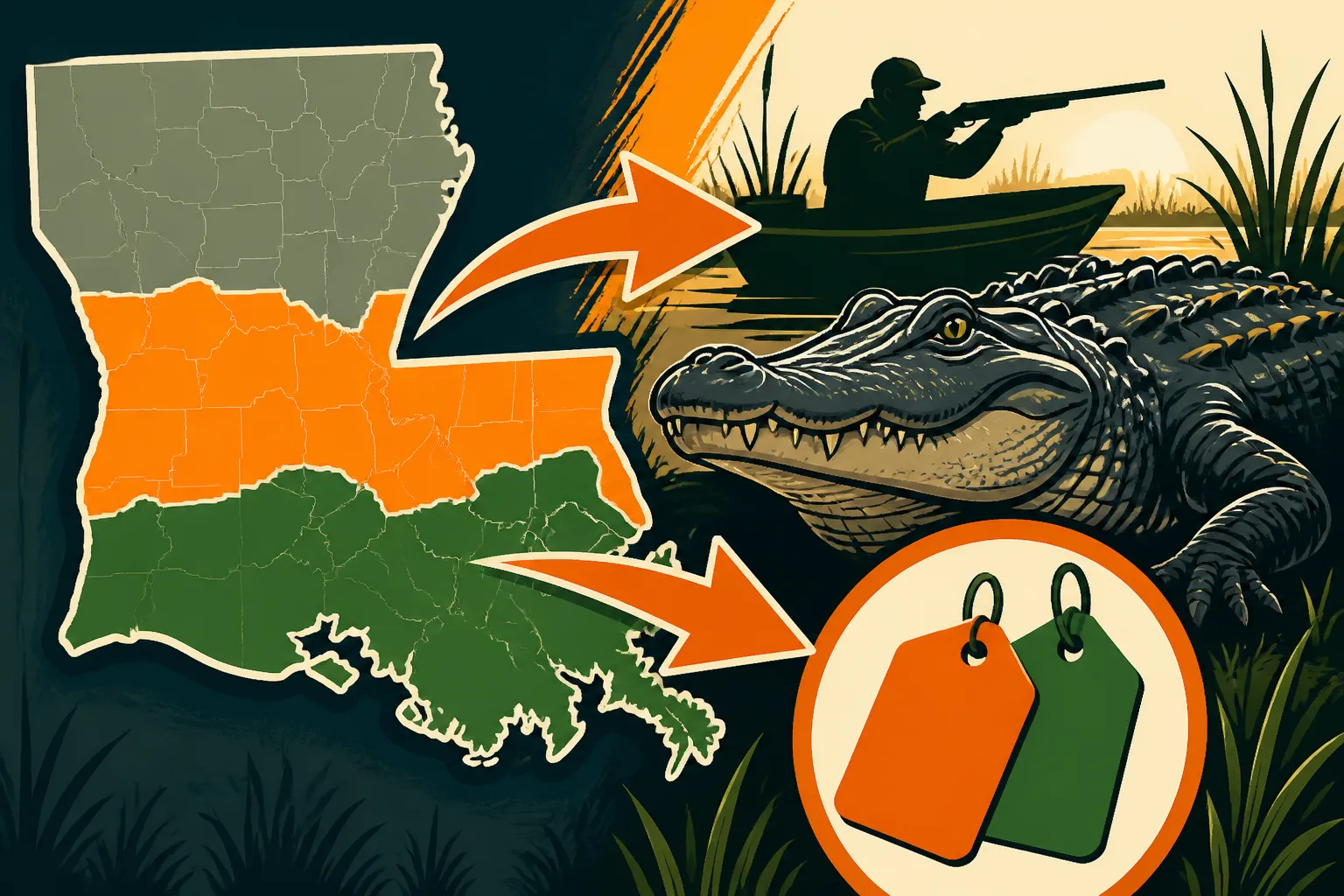
Louisiana's landscape is defined by its water, and nowhere is this more evident than in the southern parts of the state where Zones B and C are primarily located. These zones encompass vast expanses of the coastal marsh, a labyrinthine network of bayous, canals, lakes, and ponds. Think about the heart of Cajun Country, places like the coastal parishes of Cameron, Vermilion, and Terrebonne. These areas are incredibly rich in diverse aquatic environments. This intricate web of shallow, nutrient-rich waters provides everything an alligator needs to thrive: ample space, diverse prey, and countless isolated pockets for nesting and basking.
Unlike the more riverine systems further north, the coastal marsh offers a stable, consistent water supply and a mild climate year-round. The sheer acreage of contiguous wetlands in these zones is staggering, far surpassing the more fragmented habitats found elsewhere. This extensive, interconnected waterway system allows alligator populations to spread out, find mates easily, and recover quickly from localized disturbances. It's a vast natural nursery and hunting ground that few other areas can match. This is also why these areas often produce some of Where Louisiana's Biggest Alligators Live, as the plentiful resources allow them to grow to impressive sizes.
Ecological Richness and Alligator Habitat
Beyond just the water, it's the entire ecological makeup of Zones B and C that makes them such prime alligator territory. These are not stagnant, barren swamps; they are vibrant, biodiverse ecosystems teeming with life. The coastal marsh is incredibly productive, supporting a massive food base for alligators. From various species of fish like shad, mullet, and carp, to aquatic birds, small mammals like nutria and muskrats, and even other reptiles and amphibians, the alligator's diet here is varied and abundant. This rich food supply means that individual alligators grow larger, healthier, and reproduce more successfully.
Furthermore, the unique vegetation of the marsh, including dense stands of roseau cane and various grasses, provides ideal cover for alligators to hide, ambush prey, and construct their formidable nests. Female alligators build large mound nests from vegetation, which decompose and generate heat, incubating their eggs. The sheltered nature of the marsh, with countless small islands and elevated ridges, offers safe, secluded nesting sites away from major predators and human disturbance. This combination of abundant food, suitable nesting habitat, and consistent water temperature contributes to incredibly high alligator recruitment rates, which means more young alligators survive to adulthood, ultimately leading to higher overall populations and, you guessed it, more tags for hunters. It's truly a testament to How Many Alligators Louisiana Has.
Louisiana's Data-Driven Approach to Alligator Management
The success of Louisiana's alligator program isn't accidental; it's the result of decades of dedicated, science-based management. The LDWF doesn't just guess when it comes to setting tag numbers; they rely on hard data and comprehensive understanding of the species' biology and ecology. This approach ensures that hunting opportunities are sustainable and that the alligator population remains robust for future generations.
Population Surveys and Harvest Data
Every year, LDWF biologists are out in the field, conducting extensive population surveys across all alligator zones. They use a variety of methods, including night spotlight counts, aerial surveys, and habitat assessments, to estimate alligator numbers, assess their health, and track reproductive success. This data is critical for understanding the current status of the alligator population in each specific zone. They also analyze historical harvest data, including the number of alligators taken, their size, and sex ratios. This information helps them identify trends, such as increasing or decreasing populations in certain areas, and adjust tag allocations accordingly.
For example, if surveys indicate a particularly healthy and expanding alligator population in a specific section of Zone B, the LDWF might increase the number of tags for that area. Conversely, if a zone shows signs of decline due to environmental factors or over-harvesting, tag numbers would be reduced. This dynamic, responsive management strategy ensures that the harvest remains within sustainable limits, balancing conservation with recreational and commercial interests. Programs like this are what also helped stabilize Louisiana's Alligator Farming Industry, showing a deep commitment to the species.
Balancing Conservation with Recreational Opportunity
The primary mandate of the LDWF is the conservation of Louisiana's wildlife resources. However, they also recognize the significant cultural and economic value of recreational hunting. The alligator program is a shining example of how these two goals can be effectively balanced. By using data to inform tag allocations, the LDWF ensures that enough alligators are harvested to help manage populations and reduce nuisance encounters, while never jeopardizing the overall health of the species.
The large number of tags in Zones B and C, therefore, isn't just about hunter demand; it's a reflection of the LDWF's confidence in the ability of these zones to sustain a higher harvest rate without negative long-term impacts. They've found the sweet spot where the robust alligator populations in these areas can support more hunting pressure, providing more opportunities for Louisiana residents to experience this incredible hunt. This careful balance is what makes Louisiana's alligator program a model for other states.
Maximizing Your Chances: Tips for Securing a Tag
Given the popularity of alligator hunting and the limited number of tags, applying for the recreational lottery can feel daunting. While Zones B and C offer more opportunities, success isn't guaranteed. However, by understanding the system and strategizing your application, you can significantly improve your odds.
Understanding Zone-Specific Success Rates
It's natural to gravitate towards Zones B and C because they receive the most tags, and logically, this means they have higher success rates in the lottery. However, it's worth taking a deeper dive into the specific numbers each year. The LDWF often publishes information on the number of applicants per zone and the resulting draw odds. While Zone B might offer 500 tags, and Zone C offers 450, if Zone B has 5,000 applicants and Zone C has 3,000, your statistical odds might actually be better in Zone C, even with slightly fewer tags. This information is usually available on the LDWF website after each lottery draw, giving you valuable insight for the following year's application.
Another thing to consider is that some hunters might avoid certain zones due to perceived difficulty of access or hunting conditions. For example, some areas within the expansive coastal marsh might require specialized boats or more challenging navigation. Don't let these factors completely deter you; sometimes, a slightly less popular (but still high-tag) zone might be your ticket to success. When planning your application, resources like GoHunt can sometimes provide aggregated data or insights into draw odds, helping you make a more informed decision.
Strategic Application Tactics
Applying for the Louisiana recreational alligator lottery requires careful planning. Here are a few tactics to consider:
- Prioritize Your Zones Wisely: Most applications allow you to list multiple zone preferences. Don't just list B and C if you're open to other areas. Research all zones, understand their tag allocations, and list them in your true order of preference. Remember, even a zone with fewer tags might have significantly fewer applicants, potentially increasing your odds.
- Apply as a Group (If Allowed/Advantageous): Sometimes, applying with a partner or small group can slightly increase your collective odds or simplify logistics if one of you draws a tag. Always double-check the current year's rules for group applications.
- Stay Informed: The LDWF periodically updates its regulations and application windows. Make sure you're aware of the specific dates for Applying for the Alligator Recreational Lottery. Missing a deadline means missing out entirely. Sign up for LDWF newsletters or check their website regularly.
- Consider Mentoring: If you're new to alligator hunting, drawing a tag is just the first step. The actual hunt can be complex. Consider reaching out to experienced hunters or even booking a guide once you draw a tag. There are plenty of reputable guides, especially in Zones B and C, who can provide invaluable expertise and equipment for your hunt. They can help you with Louisiana Alligator Legal Methods like Snatch-Hook Alligator Tactics or Hook-and-Line Alligator Setups.
What to Expect When Hunting Alligators in High-Yield Zones
Congratulations, you drew a tag in Zone B or C! Now the real work (and fun) begins. Hunting alligators in these marshy, high-yield zones offers a unique challenge and an incredible reward. However, it's crucial to understand the environment and be well-prepared for the conditions you'll encounter.
The Realities of Hunting in Zones B and C
Hunting in Louisiana's coastal marsh is an experience unto itself. These aren't your typical deer woods. You'll be navigating a complex system of shallow water, often dense vegetation, and potentially challenging weather conditions. Here’s what you can expect:
- Boat-Centric Hunting: Expect to spend most of your time in a boat. A shallow-draft boat, like a flatboat or an airboat, is almost essential for reaching prime hunting spots. Navigation can be tricky, with countless bayous and ponds that might look similar. Having good GPS with detailed mapping (like you can find on GoHunt) is crucial for safety and efficiency.
- Warm and Humid Conditions: The alligator season generally runs from late August through September, which means hot, humid weather. Be prepared for relentless sun, mosquitoes, and potentially pop-up thunderstorms. Hydration and appropriate clothing are key.
- Diverse Terrain: While it's mostly water, you'll encounter marsh grass, mud flats, and sometimes slightly higher ground. Be mindful of footing if you need to get out of the boat.
- Alligators are Powerful: Remember that alligators are apex predators. Even after they're secured on a line, they can be incredibly powerful. Safety protocols, proper equipment, and a healthy respect for the animal are paramount. Landing an Alligator From a Small Boat requires coordination and strength.
Preparing for a Successful Alligator Hunt
Once you have your tags, preparation is everything. This isn't a spur-of-the-moment trip.
- Scout Your Zone: If possible, spend time scouting your specific area within Zone B or C before the season opens. Look for signs of alligator activity, potential basking spots, and good locations to set your lines. Understanding the ebb and flow of tides in the marsh can also be beneficial.
- Gather the Right Gear:
- Boat: As mentioned, a reliable shallow-draft boat is a must.
- Lines and Hooks: You'll need sturdy lines, floats, and legal hooks. Ensure they meet Louisiana Alligator Legal Methods specifications.
- Retrieval Tools: A harpoon, gaff, and possibly a bang stick (only legal for dispatching, check regulations) are essential for securing and dispatching an alligator once hooked.
- Safety Equipment: Life vests, first-aid kit, communication devices, and plenty of water.
- Navigation: GPS, detailed maps (digital or paper), and a compass are critical.
- Coolers: Large coolers with plenty of ice are needed for meat and hide preservation. Alligator meat spoils quickly in warm weather.
- Understand Regulations: Beyond just having the tags, know the specific rules for your zone, legal harvest sizes (e.g., Judging a Legal Forty-Eight-Inch Alligator), and reporting requirements. You'll also need to understand how to properly set and retrieve your lines, including Anchoring an Alligator Line Legally. Ignorance of the law is never an excuse.
- Physical and Mental Preparedness: Alligator hunting can be physically demanding and mentally intense. It often involves long hours in the heat, navigating tricky waters, and dealing with powerful animals. Be sure you and anyone joining you are up to the challenge. Consider bringing an experienced partner if you're a first-timer.
By understanding why Zones B and C are so productive, and by preparing thoroughly for the unique challenges they present, you can significantly increase your chances of a successful and memorable Louisiana alligator hunt. It’s an incredible opportunity to connect with Louisiana's wild heritage and experience one of North America's most ancient and magnificent predators up close.
Disclaimer
Always consult the most current Louisiana Department of Wildlife and Fisheries (LDWF) regulations and official publications before planning any hunting trip. Hunting rules, seasons, and licensing requirements are subject to change, and it is the hunter's responsibility to ensure full compliance with all applicable laws and regulations.