Louisiana Resident Alligator License Cost
Getting into Louisiana's alligator season is a dream for many, full of visions of marsh adventures and impressive harvests. But before you even think about setting a hook, one of the first big questions that pops up is, "What's this going to cost me?" Navigating the licensing and tag fees can feel like wading through murky swamp water, and it's easy to get confused. This guide is here to clear up exactly what a resident alligator license and its associated tags will set you back, so you can budget properly for your incredible Louisiana gator hunt. We'll dive into the application process, the actual license and tag fees, and even touch on those often-overlooked expenses that can quickly add up, giving you a comprehensive financial picture.
Understanding the Louisiana Alligator Lottery System
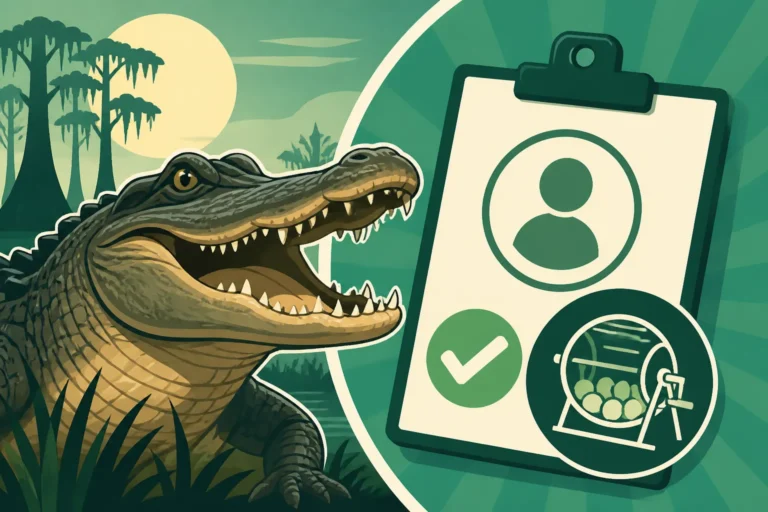
It's important to understand right from the start that unlike a standard hunting license you can just pick up over the counter, getting a recreational alligator tag in Louisiana operates on a lottery system for residents. You don't simply decide you want to hunt alligators and then buy a license; you first have to be fortunate enough to be drawn for the opportunity. This system is in place to carefully manage the alligator population and ensure sustainable hunting opportunities, and it also means there are a few steps and associated fees before you even get to the "license" part. It’s a unique system that can sometimes catch new hunters by surprise, thinking they can just show up and buy a tag.
The Lottery Application Process and Fees
The journey to hunting alligators in Louisiana begins with the lottery application. Typically, the application window opens up in the late spring or early summer, and it’s a period you absolutely don't want to miss if you're hoping to participate that year. During this time, residents can apply for a chance to draw tags in one of the designated alligator hunting zones across the state. There's usually a small, non-refundable application fee associated with submitting your name into the lottery. This fee covers the administrative costs of running the draw, and while it's not a huge sum, it's the first financial commitment you'll make.
When you apply, you're not actually buying a license or tags yet; you're simply paying for the chance to be selected. The Louisiana Department of Wildlife and Fisheries (LDWF) allocates a certain number of tags to each zone, and the number of applicants often far exceeds the available opportunities, making it a true lottery. You'll specify which zone or zones you'd prefer, and if you're lucky enough to be drawn, then and only then do you move on to purchasing your license and tags. For a deeper dive into this initial step, you can read more about Applying for the Alligator Recreational Lottery.
Resident vs. Nonresident Participation
One of the most crucial distinctions to grasp when it comes to Louisiana's recreational alligator season is the residency requirement. This isn't just a minor detail; it's a fundamental aspect of the program. For recreational alligator hunting, only Louisiana residents are eligible to apply for and receive lottery tags. Nonresidents, unfortunately, are not permitted to participate in the recreational alligator lottery. This policy is primarily in place to prioritize hunting opportunities for the state's residents, who contribute to conservation efforts through their license purchases and taxes year-round, and to manage local resources effectively.
This distinction can be a point of frustration for out-of-state hunters who might be interested in the unique experience of gator hunting in the bayou. However, it underscores Louisiana's commitment to its own citizens for managing its valuable wildlife. If you're curious about the reasoning behind this, it's explored further in Why Only Residents Can Enter the Alligator Lottery. So, if you're a Louisiana resident, consider yourself privileged to have this opportunity, as it's not open to everyone.
The Actual Cost of a Louisiana Resident Alligator License
Alright, let's get down to the brass tacks: what does the actual license cost once you've successfully navigated the lottery? Many hunters, especially those new to alligator season, might lump all the costs together. But it's vital to separate the license itself from the individual tags you'll receive. These are two distinct expenses that contribute to your overall investment in a gator hunt. You've already paid the small application fee; now comes the heavier lift.
Breaking Down the License Fees
If you're one of the fortunate Louisiana residents drawn in the recreational alligator lottery, congratulations! Your next step is to purchase the actual Resident Alligator Hunting License. As of recent regulations, this license typically costs $25.00. This fee grants you the legal authority to hunt alligators in the state, specifically for the recreational season, once you possess your tags. It’s not an insignificant amount, but it’s a necessary one.
It's worth noting that to legally purchase this alligator license, you'll also need a valid Louisiana hunting license. For most residents, this means having at least a basic resident hunting license, which is another separate cost. These licenses vary depending on the package you choose (e.g., basic, sportsmans paradise, lifetime), so ensure you have the appropriate base license in place first. Many hunters, to avoid any last-minute scramble or confusion, use platforms like GoHunt to keep track of these specific state regulations and costs, making sure they don't miss any deadlines for their basic hunting credentials or the alligator lottery. Having all your ducks (or gators!) in a row beforehand makes the entire process smoother. You can explore your base license options further by checking out Louisiana Resident Hunting License Options.
Understanding Alligator Tag Costs
Beyond the $25.00 alligator hunting license, the real meat of the cost, so to speak, lies in the tags themselves. The license allows you to hunt, but the tags are what you physically affix to the harvested alligator, making it legal. Each individual alligator tag typically costs $25.00.
When you're drawn in the lottery, you're usually allocated a specific number of tags, most often two or three, depending on the zone you applied for and the overall harvest quotas for that season. So, if you're drawn for, say, three tags, you'd pay $25.00 for the license plus $75.00 for the three tags (3 tags x $25.00/tag). This brings your total initial outlay, after being drawn, to $100.00 for the license and tags.
This cost per tag is crucial for budgeting. If you're dreaming of harvesting a couple of gators, be prepared for this expense. It’s also important to remember that these tags are for recreational harvest, and the number you receive is strictly limited to ensure the sustainability of the population.
To give you a clear picture, here's a breakdown of the typical costs for a successful resident alligator lottery participant:
| Item | Cost (Approx.) | Notes |
|---|---|---|
| Lottery Application Fee | $5.00 | Non-refundable, just for the chance to be drawn |
| Resident Alligator License | $25.00 | Required if drawn in the lottery |
| Individual Alligator Tag | $25.00 / tag | Typically 2-3 tags are allocated if drawn |
| Total for 2 Tags | $80.00 | ($5 app + $25 license + $50 for 2 tags) |
| Total for 3 Tags | $105.00 | ($5 app + $25 license + $75 for 3 tags) |
(Note: These costs are approximate and can change, always check current LDWF regulations.)
Additional Costs to Consider for Alligator Hunting
While the license and tags are the official entry fee, any experienced alligator hunter will tell you that the actual costs don't stop there. An alligator hunt is an endeavor that often requires specialized gear, considerable logistical planning, and post-harvest expenses. Failing to budget for these can lead to unexpected financial strain or, worse, an incomplete hunting experience. It's not just about the thrill of the catch; it's about the entire process, from preparation to plate.
Gear and Equipment Investments
Hunting alligators isn't like deer hunting where a rifle and a stand might suffice. This is a water-based hunt requiring a very specific set of tools, and these can quickly become the most significant financial investment. First and foremost, you'll need a suitable boat – something stable and robust enough to navigate the shallow marshes and bayous, and capable of handling a potentially large, feisty animal. This means a good motor, perhaps a trolling motor for stealth, and safety equipment like life vests and navigation lights.
Beyond the boat, the actual hunting gear includes heavy-duty lines, specialized alligator hooks, snares, and often a bangstick or legal firearm for dispatching the gator once it's subdued. Don't forget powerful spotlights for night hunting (where permitted), a gaff hook, and heavy gloves. You'll also need coolers – big ones – to hold your harvest, plenty of ice, and potentially a winch or other hoisting equipment to get a large gator into your boat or onto shore. The cost of outfitting yourself for alligator hunting can easily run into the hundreds, if not thousands, of dollars. For those looking at specific techniques, understanding Hook-and-Line Alligator Setups or Snatch-Hook Alligator Tactics will give you a better idea of the specialized gear involved.
Processing and Preparation Expenses
You've successfully harvested your alligator, now what? This is where another set of significant costs comes into play: processing and preparation. An alligator isn't like a deer you can easily field dress and load into a truck. These animals are powerful, can be very large, and their hides are incredibly tough.
Many hunters, especially first-timers, opt to take their gator to a professional processor. These services handle the skinning, meat removal, and often provide tanning services for the hide. Professional processing can be costly, often several dollars per foot of alligator, plus additional fees for specific cuts of meat or hide preparation. For a 7-foot alligator, you could be looking at several hundred dollars. If you decide to go the do-it-yourself route, you'll need specialized knives, skinning tools, and a lot of patience and know-how. Then there's the cost of freezing or otherwise preserving the meat. While GoHunt focuses on licenses and draw odds, it’s the on-the-ground expenses like professional processing that truly round out the cost of a successful hunt. If you're planning on enjoying your harvest, make sure to read up on Cooking Louisiana Alligator Tail Meat for some fantastic recipes.
Potential Guide or Outfitter Fees
Even if you've been drawn for tags, some resident hunters, particularly those with limited experience or equipment, might consider hiring a guide or outfitter for assistance. While the lottery gives you the tags, it doesn't necessarily provide the boat, expertise, or specialized gear. A local guide can provide all of this, taking you out on their boat, showing you proven techniques, and helping with the difficult task of subduing and securing a gator.
The cost of a guided alligator hunt can vary wildly, from a day rate for assistance to an all-inclusive package. Even for a resident with their own tags, paying for a guide for a day or two could easily be several hundred dollars. This is an elective cost, but for many, it's a worthwhile investment to ensure a safe, successful, and educational hunt, especially when you consider the rarity of drawing those tags. If you've won the lottery, you might want to look into Booking an Alligator Hunt as a Lottery Winner to see how guides can assist. For a general understanding of these costs, check out What a Guided Alligator Hunt Costs.
Planning Your Louisiana Alligator Hunt Budget
Embarking on a Louisiana alligator hunt is a unique and thrilling experience, but it requires more than just luck in the lottery. A well-thought-out budget and a clear understanding of all the potential expenses involved are paramount to ensure your adventure is as smooth as possible and free from unwelcome financial surprises. It's about combining foresight with the excitement of the hunt.
Researching Zone-Specific Odds and Allocations
One often-overlooked aspect when budgeting for your alligator hunt is how different zones impact your overall strategy and potential costs. Louisiana is divided into several alligator hunting zones, and each zone has its own specific allocation of tags and, consequently, different draw odds. Some zones are historically harder to draw, meaning your application fee might go toward a lower chance of success. Other zones might offer more tags, potentially making your initial investment in the application fee feel more "worthwhile" due to increased odds.
It pays to research which zones align best with your hunting goals and budget. Are you looking for a specific type of habitat? Is proximity to your home important? Understanding these nuances, including Louisiana Alligator Zone Allocations and Why Zones B and C Get the Most Alligator Tags, can help you make a more informed decision when applying, potentially saving you wasted application fees on zones with extremely long odds if your primary goal is simply to draw a tag.
Maximizing Your Investment
Given the effort and expense involved in securing an alligator hunt, you'll want to maximize your investment. This means not just focusing on the hunt itself, but also on what you do with your harvest. Consider sharing costs with a hunting buddy if allowed, especially for boat rentals, fuel, and processing fees. If you're up for the challenge, learning to skin and butcher your own gator can save a substantial amount on processing fees, adding to the satisfaction of the hunt.
Also, think about what you want to do with the hide. A tanned hide can be a beautiful keepsake or even turned into custom leather goods, adding value to your harvest. Don't let any part of the gator go to waste, from the meat to the hide, to truly honor the animal and your successful hunt. Planning meticulously, perhaps even setting up alerts within platforms like GoHunt for upcoming application periods and regulatory changes, can save you a headache and ensure you're always ready and making the most of your opportunity. It's about being prepared, being smart, and fully appreciating the unique opportunity that a Louisiana resident alligator license offers.
Disclaimer
Please note that hunting regulations, license fees, and season dates are subject to change by the Louisiana Department of Wildlife and Fisheries (LDWF). Always consult the most current official LDWF regulations pamphlet or website before planning any hunting activities to ensure compliance. This guide is for informational purposes only and should not be considered legal advice.