Louisiana WMA Permit Requirement
It can be incredibly frustrating to plan a public land hunting trip in Louisiana, only to find out you need another permit on top of your standard hunting license. You’ve got your gear ready, your stand hung, and your camo dialed in, but suddenly you’re left wondering if you’ve actually crossed all your T's and dotted all your I's with the Louisiana Department of Wildlife and Fisheries (LDWF). This guide is here to clear up all the confusion around the Louisiana WMA permit requirement, ensuring you're fully legal and prepared for your next adventure on public lands.
Why Public Land Hunting Requires Extra Steps
Venturing onto Louisiana's Wildlife Management Areas (WMAs) offers incredible hunting opportunities, but it also comes with a unique set of rules and requirements that differ from hunting private land. Many hunters, especially those accustomed to private leases or family land, often overlook the specific WMA permit, thinking their general hunting license covers everything. This oversight can lead to an unexpected citation or, worse, having your hunt cut short, which is a real bummer when you've invested time and effort into your trip.
Louisiana's public lands are invaluable resources, managed by the LDWF to ensure sustainable hunting, provide diverse habitat for wildlife, and offer access to all citizens. This careful management is why these areas have their own set of regulations and, yes, often require a separate permit to access for hunting purposes. It’s not just about collecting fees; it’s about funding the conservation efforts that keep these areas healthy and productive for generations of hunters.
Understanding the Louisiana WMA Access Permit
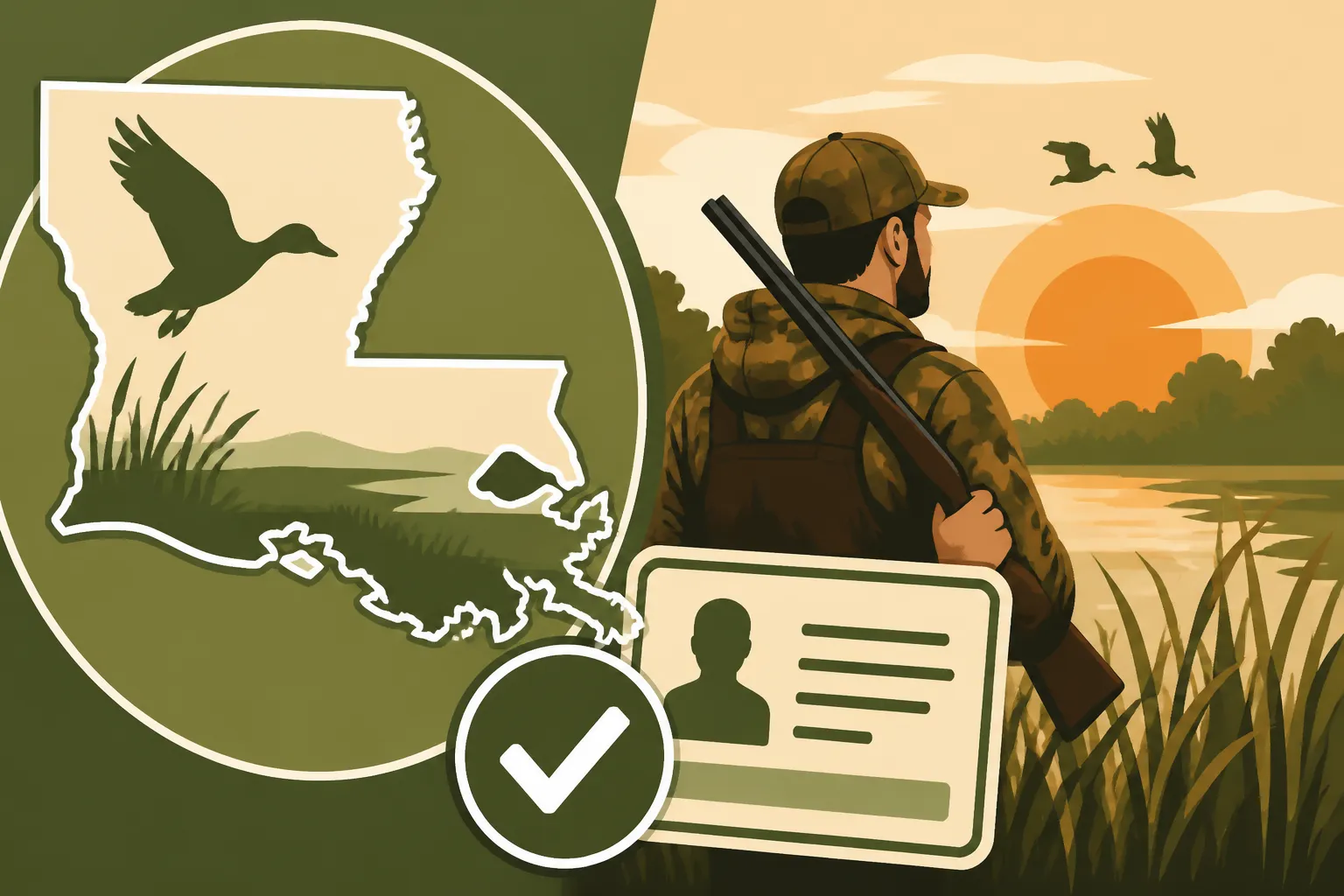
So, what exactly is this WMA Access Permit, and who needs it? Simply put, if you plan to hunt, fish, trap, or even just use designated shooting ranges on most of Louisiana's Wildlife Management Areas, you're going to need one. This permit is distinct from your basic hunting license or any species-specific tags you might purchase, like those for deer or turkey. It acts as your entry ticket, signaling that you're aware of and supporting the management efforts on these crucial public grounds.
The LDWF maintains a vast network of WMAs, from the sprawling bottomland hardwoods of the Tensas River Basin to the unique coastal marshes, and each is a testament to the state's commitment to public land access. But with that access comes the responsibility to understand and adhere to the regulations designed to protect these areas. The WMA Access Permit is a fundamental part of that regulatory framework, ensuring funds are available for habitat improvements, facility maintenance, and law enforcement on these lands.
Who Needs a WMA Access Permit
Generally, anyone 16 years of age or older who intends to hunt, fish, or trap on a Louisiana WMA is required to possess a valid WMA Access Permit. There are some exceptions, of course, but it's always safer to assume you need one if you're stepping onto WMA land for an activity beyond simply driving through. For instance, if you're a seasoned duck hunter heading into the Sabine National Wildlife Refuge area or a deer hunter setting up a stand in the Richard K. Yancey Wildlife Management Area, this permit is non-negotiable.
Even if you hold a lifetime hunting and fishing license, which covers many basic licensing requirements, you will still need to purchase and carry a WMA Access Permit. This detail often catches experienced hunters off guard, but it's clearly laid out in the regulations. Think of the lifetime license as your foundational pass, and the WMA permit as a specialized add-on for specific, intensively managed areas. Youth hunters, typically those under 16, are generally exempt from this specific permit requirement, but they must still comply with all other WMA regulations and hunter education requirements.
What the WMA Access Permit Covers (and Doesn't)
The WMA Access Permit grants you general access to hunt, fish, or trap on most designated WMAs. This permit is an annual purchase, typically valid from July 1st through June 30th of the following year. It's your ticket to explore countless acres of diverse habitat, from swampy bayous to upland pine forests. However, it's vital to understand that this permit doesn't automatically grant you access to all public lands or cover all hunting scenarios.
For example, this permit does not apply to federal refuges, which often have their own specific permitting systems or stamp requirements. It also doesn't substitute for any required species-specific tags (like those for deer or turkey), federal duck stamps for waterfowl hunting, or state migratory bird licenses. Furthermore, some WMAs implement special quota hunts, which require an application and a separate draw process to participate. So, while your WMA Access Permit gets you in the door, you'll still need to check the specific rules for the area and the game you're pursuing. Always cross-reference your plans with the LDWF's official regulations pamphlet or the handy LDWF map tool before heading out.
Obtaining Your Louisiana WMA Access Permit
Getting your WMA Access Permit is thankfully a straightforward process, designed to be as accessible as possible for hunters across the state. The LDWF has streamlined the purchasing system, allowing you to acquire the necessary permits through multiple convenient channels. This ease of access ensures that even if you realize you're missing a permit last minute, you can usually rectify the situation without too much hassle, assuming you have internet access or a nearby vendor.
It's absolutely critical to secure this permit before you step foot onto WMA land with the intent to hunt or fish. Ignorance of the law is not an excuse, and game wardens regularly patrol these areas, especially during peak seasons, to ensure compliance. Imagine getting a fine or losing your game because you overlooked this small but vital detail. It's a preventable headache that nobody wants to experience.
Where to Purchase Your Permit
The most convenient way to purchase your WMA Access Permit is online through the Louisiana Department of Wildlife and Fisheries website. Their user-friendly portal allows you to select and buy all necessary licenses and permits from the comfort of your home. You'll simply create an account or log in, choose the appropriate permit, and complete the transaction. Once purchased, you'll receive a digital copy that you can store on your phone, though many hunters prefer to print a physical copy as a backup, especially in areas with spotty cell service.
Alternatively, if you prefer an in-person transaction or need to grab a permit on your way to the hunting grounds, you can visit any authorized LDWF license vendor. These vendors include many sporting goods stores, bait shops, and even some Walmarts across the state. Just ask for the "WMA Access Permit," and they'll be able to process it for you. Having these physical locations is a huge help for those who might not be tech-savvy or who just prefer to handle things face-to-face.
Permit Costs and Validity
The cost of the Louisiana WMA Access Permit is quite reasonable, especially when you consider the vast amount of public land it opens up for your enjoyment. As of my last check, a standard resident WMA Access Permit costs around $15. Non-residents, as is common with hunting licenses, will pay a higher fee. It's an annual permit, meaning it's valid for one full license year, from July 1st to June 30th. This allows you to plan your WMA visits across different seasons without needing to repurchase repeatedly within that year.
Here's a quick breakdown of typical costs (always check the current LDWF website for the most up-to-date pricing, as fees can change):
| Permit Type | Resident Annual Cost (Approx.) | Non-Resident Annual Cost (Approx.) |
|---|---|---|
| Basic Hunting License | $15 | $150 |
| Basic Fishing License | $17 | $60 |
| WMA Access Permit | $15 | $30 |
| Deer Tag (4 tags) | $14 | Included with hunting license |
| Turkey Tag (2 tags) | $14 | Included with hunting license |
Note: These are approximate costs and can vary. Always refer to the official LDWF website for current pricing.
It’s a small investment for the access it provides. These funds go directly back into maintaining the WMAs, enhancing wildlife habitat, and providing the infrastructure that hunters and outdoor enthusiasts rely on. So, when you purchase that permit, you're not just buying access; you're directly contributing to conservation in Louisiana.
Navigating WMA Regulations Beyond the Permit
Possessing the WMA Access Permit is a crucial first step, but it's really just the tip of the iceberg when it comes to successfully and legally hunting on public land in Louisiana. Each Wildlife Management Area is a unique ecosystem, managed with specific goals and, therefore, specific regulations. What might be allowed on one WMA could be strictly prohibited on another, sometimes even just miles apart. This variability is where things can get a little tricky, but with a bit of proactive research, you can avoid any potential pitfalls.
One of the biggest frustrations for hunters is the feeling of being overwhelmed by an endless list of rules. However, these rules are in place for good reasons: to manage wildlife populations, reduce user conflict, and protect the integrity of the habitat. Understanding these nuances is what truly differentiates a prepared WMA hunter from one who might inadvertently run into trouble.
WMA-Specific Regulations and Quota Hunts
Every WMA has its own distinct set of rules governing everything from season dates and bag limits to approved hunting methods and vehicle access. For instance, the deer season dates on WMAs often differ significantly from the statewide or area-specific dates on private land. Some WMAs might have earlier openings or later closings, while others might restrict hunting to certain days of the week or specific weapons. It’s not uncommon to find areas designated for primitive firearms deer hunting in Louisiana or archery-only zones within a larger WMA.
Beyond general access, many of Louisiana's most popular WMAs utilize a "quota hunt" system for certain species, particularly deer and turkey. This means that hunters must apply in advance and be drawn to participate in specific hunting periods. This system helps manage hunting pressure and maintain high-quality hunting experiences. If you're planning a trip to a heavily sought-after WMA like the Sherburne Wildlife Management Area, you'll definitely want to check if a quota hunt application is necessary. The Louisiana WMA Quota Hunt Sign-In Process is something you should familiarize yourself with well before hunting season.
The best way to stay informed about these ever-changing rules is to consult the LDWF's official website or the WMA-specific handouts they provide. Many hunters also find apps like GoHunt incredibly useful, as they often compile regulations and boundary maps, making it easier to see exactly where you are and what rules apply. These tools are invaluable for scouting Louisiana public land before season and ensuring you're compliant.
General WMA Rules to Keep in Mind
Beyond the specific regulations for each WMA, there are some overarching rules that apply to most, if not all, public hunting areas in Louisiana. These are designed for safety, conservation, and ethical hunting practices:
- Vehicle Restrictions: Many WMAs have designated parking areas, and vehicle access is often restricted to certain roads or trails. Off-roading is generally prohibited.
- Tree Stand Regulations: There are specific rules regarding the type of tree stands allowed, how they can be attached (no damaging trees), and how long they can remain on public land. For example, you generally can't leave stands up year-round. Understanding treestand setups in Kisatchie National Forest or other WMAs is vital.
- Blaze Orange Requirements: During gun seasons, specific blaze orange or pink requirements are in effect for safety. These are often stricter on public lands. Make sure you understand Louisiana Blaze Requirements before heading out.
- Littering and Habitat Damage: This goes without saying, but leaving trash, cutting trees, or otherwise damaging the habitat is strictly forbidden. Pack it in, pack it out.
- Camping: Some WMAs allow primitive camping in designated areas, while others do not. Always check the rules for your specific WMA if you plan to stay overnight.
- Trail Cameras: While generally allowed on many WMAs, rules regarding trail camera placement and identification requirements exist. Always check the specific WMA regulations for trail camera rules on Louisiana public land.
- Reporting Harvests: All deer and turkey harvests on WMAs (and statewide) must be reported to the LDWF. This is crucial data for wildlife management. You can find more info on Louisiana Deer Reporting Requirements to ensure you're compliant.
It might sound like a lot, but taking the time to review the rules for your chosen WMA is a small price to pay for a legal and enjoyable hunting experience. The LDWF works hard to manage these areas for everyone, and our responsibility as hunters is to respect those efforts.
Common Misconceptions and Troubleshooting
Despite the efforts of the LDWF to clarify regulations, it's easy for misunderstandings to arise, especially for those new to public land hunting or coming from other states with different systems. Let's tackle some of the most common myths and challenges that hunters face regarding WMA permits and rules in Louisiana. Knowing these ahead of time can save you a lot of grief and ensure your hunting trip goes smoothly.
It's natural to feel a bit overwhelmed when trying to decipher all the various licenses, stamps, and permits. Many hunters ask, "Why can't it just be simpler?" The truth is, wildlife management is complex, and WMAs require specific funding and tailored rules to thrive. What works for a sprawling private timber tract won't necessarily work for a busy public area near a population center.
"I Have a Lifetime License, So I Don't Need a WMA Permit, Right?"
This is perhaps the most common misconception, and unfortunately, it's incorrect. While a Louisiana lifetime hunting and fishing license is an incredible investment that covers your basic hunting and fishing privileges for life, it does not include the WMA Access Permit. You will still need to purchase the annual WMA Access Permit to legally hunt or fish on designated Wildlife Management Areas.
The lifetime license covers the fundamental fees, but the WMA Access Permit is a separate fee dedicated specifically to the ongoing maintenance and operational costs of these managed areas. It's an additional layer of funding that ensures these public lands remain accessible and productive for all. So, if you're a proud lifetime license holder, just remember to add that WMA permit to your cart each year before you head out to public land.
"All Public Lands in Louisiana are WMAs"
Another common misunderstanding is that all public lands are the same, or that the WMA permit covers every piece of public hunting ground in Louisiana. This isn't quite accurate. While Louisiana boasts a significant amount of public hunting land in Louisiana, it's composed of various types of managed areas.
Besides WMAs, you'll find National Wildlife Refuges (NWRs) and sometimes state parks that allow hunting through special permits. NWRs, managed by the U.S. Fish and Wildlife Service, often have their own specific application processes, lottery hunts, and sometimes even federal stamps required for access. For example, some NWRs may require you to possess a federal duck stamp for waterfowl hunting in addition to your state licenses and a WMA permit (if hunting on state-managed sections). Always check the specific management entity for the land you plan to hunt. The GoHunt app is excellent for delineating these different land types and their corresponding rules.
Checking WMA-Specific Season Dates and Regulations
Perhaps the most critical piece of troubleshooting advice is this: always check the current season dates and regulations for the specific WMA you plan to hunt, every single season. Do not assume they are the same as last year, or the same as the statewide seasons. WMA regulations are dynamic and can change based on wildlife population surveys, habitat conditions, or management goals.
What might have been a firearms deer season last year could be archery-only this year, or vice-versa. Likewise, turkey season dates, bag limits, and even approved hunting equipment can differ significantly from private land regulations. A reliable way to stay current is to download the LDWF Hunting & Fishing Regulations pamphlet each year or use the LDWF's website to look up individual WMA rules. Using apps like GoHunt can also give you real-time updates and geo-located regulations, which is incredibly helpful when you're literally standing on the border of a WMA. Remember, how Louisiana WMAs are managed is a complex process, and staying informed is your responsibility as a hunter.
Disclaimer
Please note: The information provided in this guide is for general informational purposes only and is not a substitute for the official regulations issued by the Louisiana Department of Wildlife and Fisheries (LDWF). Hunting laws and regulations can change frequently. Always consult the most current LDWF hunting regulations pamphlet or their official website before participating in any hunting activity.