Why Tensas Parish Drives Louisiana’s CWD Count
It's an unfortunate truth that Chronic Wasting Disease (CWD) is a significant concern for Louisiana deer hunters, and when we talk about its presence in our state, one parish consistently comes up: Tensas Parish. The discovery of CWD has changed how we think about deer management and hunting practices in some areas, and understanding why Tensas Parish has become a focal point for CWD is crucial for anyone who hunts or cares about our state's deer herd. This guide will dig deep into the factors that have made Tensas Parish a key area in Louisiana's CWD management efforts, helping you understand the landscape, the deer, and the critical role hunters play.
Understanding Chronic Wasting Disease and Its Arrival in Louisiana
Let's start by getting a handle on CWD itself. This isn't just a sniffle or a temporary illness; it's a progressive, fatal neurological disease affecting deer, elk, and moose. It's caused by abnormal proteins called prions that slowly degrade the animal's brain. There's no cure, and it's always fatal. Animals infected with CWD might appear healthy for an extended period, sometimes for over a year, before showing any symptoms. Once symptoms develop, they can include drastic weight loss (hence "wasting"), stumbling, listlessness, neurological signs like head tremors, and excessive salivation. It’s truly heartbreaking to witness an animal suffering from it.
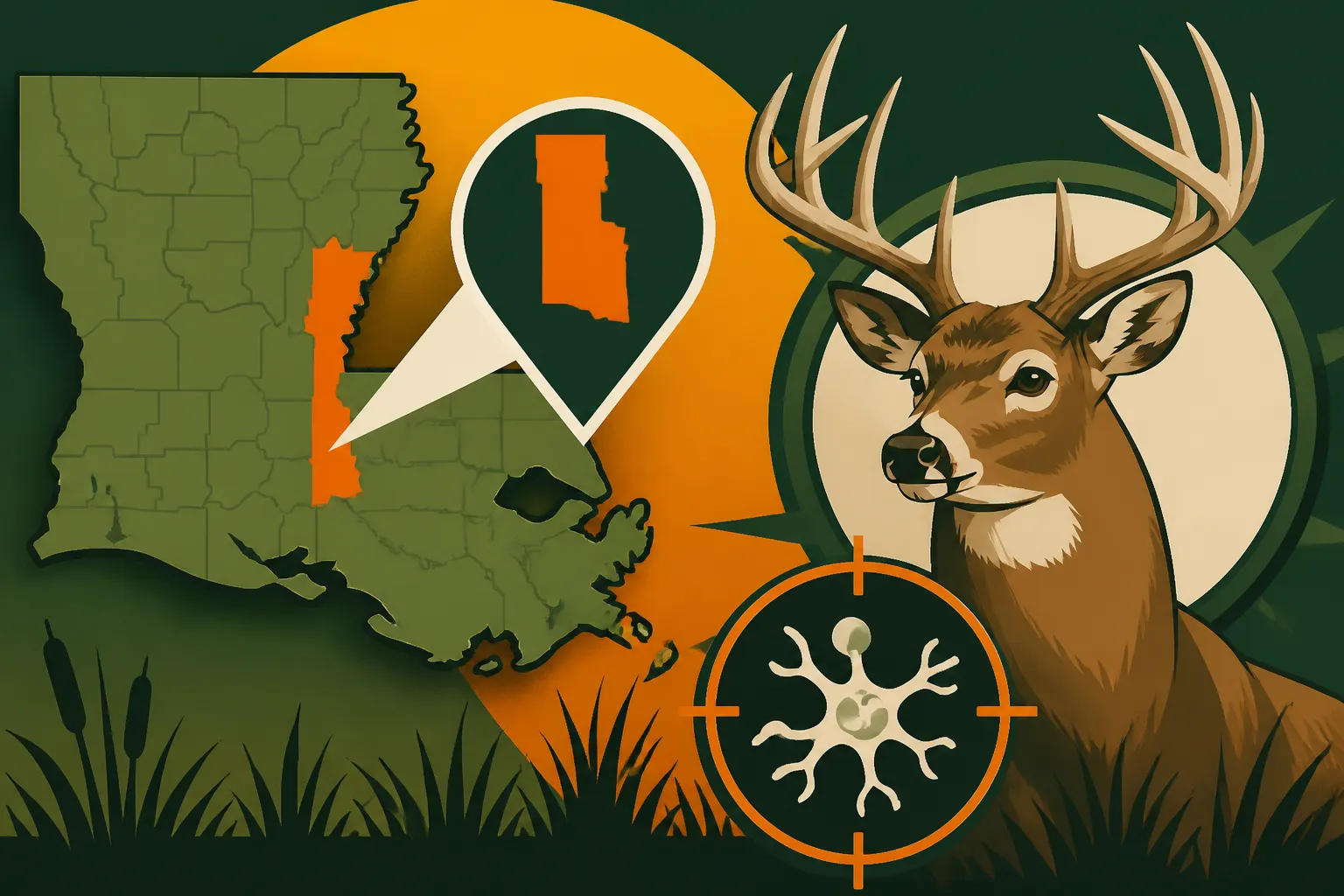
CWD spreads through direct animal-to-animal contact and indirectly through the environment, as prions can persist in soil, plants, and water for years. This environmental persistence is what makes containing CWD so incredibly difficult. The disease was first detected in Louisiana in January 2022, marking a somber moment for our wildlife management efforts. The initial positive sample came from a hunter-harvested deer in Tensas Parish. This single discovery immediately triggered a comprehensive response from the Louisiana Department of Wildlife and Fisheries (LDWF) and set a new course for deer hunting regulations in the region. Since then, the number of confirmed cases, as detailed in How CWD Reached Tensas Parish, has underscored the seriousness of the situation.
The Unique Landscape and Deer Dynamics of Tensas Parish
So, why Tensas? It’s not just a random occurrence. Tensas Parish, located in the rich alluvial floodplains of northeast Louisiana, possesses a unique combination of environmental and biological factors that unfortunately make it a prime candidate for CWD prevalence and spread.
The Alluvial River Bottomland Habitat
Imagine some of the most fertile ground in Louisiana, fed by the Mississippi River and its tributaries. That's Tensas Parish. The area is characterized by vast tracts of bottomland hardwood forests, fertile agricultural fields, and an intricate network of sloughs, oxbow lakes, and bayous. This habitat is incredibly productive, offering an abundance of high-quality forage throughout the year. From acorns and other mast crops to lush agricultural plantings like soybeans and corn, deer here have a consistent and rich food supply. This bounty leads directly to healthier, more robust deer populations, but it also means more deer.
This prime habitat also facilitates deer movement. River corridors, in particular, act as natural highways for deer, allowing them to travel considerable distances. As a hunter, you often look for these travel corridors when scouting, and unfortunately, these same natural advantages can aid in the spread of diseases like CWD. Deer moving along the Tensas River or other water systems can deposit prions in new areas, especially where they congregate to feed or drink. Understanding these dynamics is key to Hunting the Tensas River Basin effectively and responsibly.
High Deer Population Density
Tensas Parish has historically been known for its thriving deer populations, often boasting some of the highest densities in the state. For decades, hunters have flocked to this area, drawn by the promise of abundant deer and the chance at harvesting a trophy buck. The fertile soils, diverse food sources, and relatively good habitat have contributed to a robust and healthy White-Tailed Deer Across Louisiana population in this region. This is fantastic for hunting, but it's a double-edged sword when it comes to disease.
High deer density means more interactions between individual animals. Whether it's during the rut, at communal feeding sites, or simply moving through shared habitat, deer are constantly encountering each other. Each encounter presents an opportunity for direct transmission of CWD. Moreover, a denser population concentrates biological material – including saliva, urine, and feces, which can contain prions – in the environment. This means that prions shed by one infected deer are more likely to be picked up by another, or ingested from contaminated soil, accelerating the rate of infection within the herd. The dynamics of Deer Density by Louisiana Area are a critical component in understanding CWD spread.
Factors Contributing to CWD Spread Within Tensas
Beyond the general landscape and deer density, several specific factors likely contribute to why Tensas Parish has become a CWD hotspot. These often involve a combination of natural deer behavior and, regrettably, sometimes human practices.
Deer Movement and Social Structures
Deer are not static creatures; they move, especially during certain times of the year. Bucks, particularly during the rut, will travel significant distances in search of does. Does will also move within their home ranges, and family groups can expand or contract. These natural movements, while essential for genetic diversity, are also efficient vectors for disease spread. A buck infected in one part of the parish might travel several miles during the breeding season, potentially shedding prions in multiple new locations.
Furthermore, deer are social animals, often forming small groups or congregating in larger numbers, especially when food sources are plentiful. When deer feed together in a food plot or naturally occurring acorn flat, they are in close contact, increasing the chances of direct contact transmission. Prions can be shed through saliva and other bodily fluids, meaning multiple deer feeding from the same spot could easily become exposed. The constant interaction at shared mineral licks, water sources, and feeding areas within the dense Tensas deer population exacerbates this risk.
Supplemental Feeding and Baiting Practices
While baiting is a common and legal practice in many parts of Louisiana to attract deer, it presents a significant challenge in CWD management. In a CWD Management Zone, such as the one established around Tensas Parish, The Enhanced Mitigation Zone Baiting Ban is strictly enforced, and for good reason. When deer congregate around a bait site, they are in unnaturally close contact, increasing the potential for direct transmission of prions.
Imagine a group of deer feeding on corn from the ground. An infected deer might drool on the corn or the soil around it. Another deer then comes along and ingests those prions. This scenario is exactly why baiting is prohibited in CWD zones. Even if a bait site isn't technically "baited" with corn, any practice that concentrates deer, such as mineral blocks or even certain types of food plots, can unintentionally contribute to the spread if not managed carefully. The goal of these regulations is to disrupt these high-contact opportunities, limiting the artificial congregation of animals that facilitates disease transmission.
Proximity to Other Infected Areas
It's also important to consider the geographical context of Tensas Parish. The Mississippi River acts as a major corridor, and CWD has been detected in neighboring states, particularly Arkansas and Mississippi. While the exact origin of CWD in Tensas Parish isn't definitively known, it's plausible that deer movement across state lines, facilitated by the river system, could have played a role. Deer don't recognize state boundaries, and a buck or doe can easily swim across the Mississippi or use the extensive river bottoms to travel long distances, potentially bringing the disease into Louisiana from an already infected herd in an adjacent state. This ongoing threat from regional populations underscores the challenge of containing CWD once it establishes a foothold.
LDWF's Response and Hunter Responsibility
The Louisiana Department of Wildlife and Fisheries has taken the CWD threat in Tensas Parish and surrounding areas very seriously, implementing a robust management strategy. This includes establishing CWD Management Zones (CMZ), which impact hunters directly.
CWD Management Zones and Regulations
Following the initial detection, LDWF established a CWD Control Area, now often referred to as a CWD Management Zone, encompassing Tensas Parish and parts of several neighboring parishes. Within these zones, specific regulations are put in place to monitor the disease, minimize its spread, and educate hunters. These regulations are detailed in resources like Louisiana's Chronic Wasting Disease Zones.
Key regulations typically include:
- Mandatory CWD Testing: All deer harvested within the CWD Management Zone, especially during the opening weekends of firearms season, are often required to be submitted for CWD testing. This gives biologists crucial data on prevalence and geographic spread. You can find information on Louisiana CWD Testing for Hunters through LDWF resources.
- Carcass Movement Restrictions: To prevent hunters from inadvertently moving prions to uninfected areas, strict rules govern the transport of deer carcasses out of the CWD Management Zone. Generally, only deboned meat, antlers (with all brain material removed), clean hides, and skull plates (similarly cleaned) can leave the zone. This is a critical measure to prevent human-assisted spread and is thoroughly explained in Louisiana Carcass Movement Restrictions.
- Baiting and Feeding Bans: As discussed earlier, baiting and supplemental feeding are prohibited within the Enhanced Mitigation Zone (EMZ) of the CWD Management Zone. This rule aims to reduce deer congregation and the environmental concentration of prions.
- Mandatory Deer Reporting: All harvested deer, regardless of whether they are tested, must be reported to the LDWF. This data helps track harvest rates and deer populations within the zone. More information is available on Louisiana Deer Reporting Requirements.
These regulations, while sometimes inconvenient for hunters, are vital for managing CWD. Compliance is not just a legal obligation but a moral responsibility to protect our deer herd. Tools like the GoHunt app can be immensely helpful here, as they often provide up-to-date regulations and zone maps, ensuring you're always informed when planning your hunt.
The Hunter's Role in CWD Management
As hunters, we are on the front lines of CWD detection and management. Our actions directly impact the health of the deer herd.
Here's how you can make a difference:
- Stay Informed: Always check the latest LDWF regulations, especially if you hunt in or near a CWD Management Zone. Regulations can change, and ignorance is no excuse. Websites like GoHunt often integrate these regulatory updates into their mapping systems, which can be a lifesaver.
- Submit Samples: If you harvest a deer in a CWD zone, follow all mandatory testing requirements. Even if not mandatory, consider submitting a sample voluntarily. Every sample provides valuable data. Information on Finding a Louisiana CWD Sampling Location is readily available from LDWF.
- Adhere to Carcass Rules: Respect the carcass movement restrictions. Process your deer in the field or at a local processor within the zone. Don't risk moving infected material to a new area.
- Avoid Baiting: Strictly adhere to baiting bans in CWD zones. If you hunt outside a zone, consider whether baiting is truly necessary, understanding its potential risks for disease spread.
- Report Sick Deer: If you observe a deer exhibiting CWD symptoms (emaciation, neurological issues, unusual behavior), do not harvest it. Instead, contact the LDWF immediately and provide precise location details.
- Practice Good Hygiene: When processing deer, wear gloves and clean your tools thoroughly with a bleach solution afterward. While CWD is not known to affect humans, caution is always wise.
- Know Your Deer: Be familiar with common deer diseases and how to differentiate them from CWD. This knowledge, coupled with an understanding of How LDWF Counts the Louisiana Deer Herd, helps you contribute to overall wildlife health monitoring.
CWD Hunter Check-In Requirements & Recommendations (Tensas Parish & CMZ)
| Requirement/Recommendation | Description | Hunter Action |
|---|---|---|
| Mandatory Testing | All deer harvested during specific periods (e.g., opening weekends of firearms season) within the Enhanced Mitigation Zone (EMZ) and generally within the entire CWD Zone. | Locate an official LDWF sampling station or designated drop-off point and submit your deer head. Check LDWF for specific dates. |
| Carcass Movement | Only deboned meat, antlers/skull plate (cleaned), and clean hides may leave the CWD Management Zone. | Debone your deer in the field or at a CWD-compliant processor within the zone. Do not transport whole carcasses. |
| Baiting/Feeding Ban | Prohibited within the EMZ (Enhanced Mitigation Zone) of the CWD Management Zone to reduce deer congregation. | Do not use corn, minerals, or other attractants that concentrate deer in prohibited areas. |
| Deer Reporting | All harvested deer must be reported via the LDWF app or website, regardless of CWD testing. | Report your harvest promptly, ensuring correct location and harvest details. |
| GoHunt App Usage | Use mapping tools like GoHunt to identify CWD zone boundaries, check local regulations, and locate sampling stations. | Download the app, review CWD layers, and use it for scouting and in-field compliance checks. |
| Scouting | Understanding deer movement patterns and avoiding areas with unusual deer activity or high concentrations of sick animals. | Pay attention to deer health during scouting trips. Reading Aerial Photos for Central Louisiana Deer can help with this. |
The journey to understand and manage CWD in Louisiana, particularly in Tensas Parish, is ongoing. It's a complex issue with no easy answers, but with informed and responsible hunters, we stand a much better chance of protecting our cherished deer resource for future generations.
Disclaimer
The information provided in this guide is for general informational purposes only and is not intended as legal advice or an exhaustive list of all regulations. Hunting regulations, especially those pertaining to Chronic Wasting Disease (CWD) Management Zones, can change frequently. Always consult the most current Louisiana Department of Wildlife and Fisheries (LDWF) hunting regulations and official CWD advisories before hunting. Failure to comply with regulations can result in penalties.