Louisiana Nonresident Alligator License Cost
Trying to pin down the exact cost of a nonresident alligator hunting license in Louisiana can feel like wrestling a gator in a murky bayou – confusing, full of hidden snags, and potentially expensive if you're not prepared. The fees and requirements aren't always a straightforward one-size-fits-all, leaving many prospective hunters scratching their heads about what to budget for their adventure. This comprehensive guide aims to clear up all the fog, meticulously detailing every financial requirement, from the essential licenses to the often-overlooked tags and lottery fees, ensuring you have a crystal-clear understanding of what your Louisiana alligator hunt will truly cost.
Breaking Down the Nonresident Alligator License Expenses
For nonresidents, simply wanting to participate in Louisiana's alligator season means navigating a specific set of fees that differ significantly from what residents pay. It's not just a single license; rather, it’s a combination of permits and entries that contribute to the overall cost. Understanding each component is crucial for accurate budgeting and avoiding any unwelcome surprises down the line, especially when planning a trip to a state known for its unique hunting opportunities.
The Mandatory Basic Nonresident Hunting License
Before you can even dream of setting a line for an alligator, every nonresident hunter in Louisiana is required to possess a valid basic hunting license. This isn't specific to alligators; it's a foundational requirement for almost any hunting activity within the state. Think of it as your entry ticket to the general hunting world in Louisiana. This license ensures that you're registered with the Louisiana Department of Wildlife and Fisheries (LDWF) and are contributing to the state's conservation efforts. Without it, none of the species-specific permits, including those for alligators, will be valid.
The cost for a nonresident annual basic hunting license is typically a significant chunk of change, making it one of the primary expenses. However, for those planning a shorter trip, Louisiana does offer a Louisiana nonresident five-day license which can sometimes be a more economical choice depending on the length of your stay and whether you plan to hunt other species. It's always a good idea to check the current fee schedule directly on the LDWF website or through a reliable hunting app like GoHunt, as these figures can be subject to change between seasons. This basic license acts as the fundamental layer upon which all other specialized permits are built, so securing it is the absolute first step.
The Alligator Hunter License and Recreational Tags
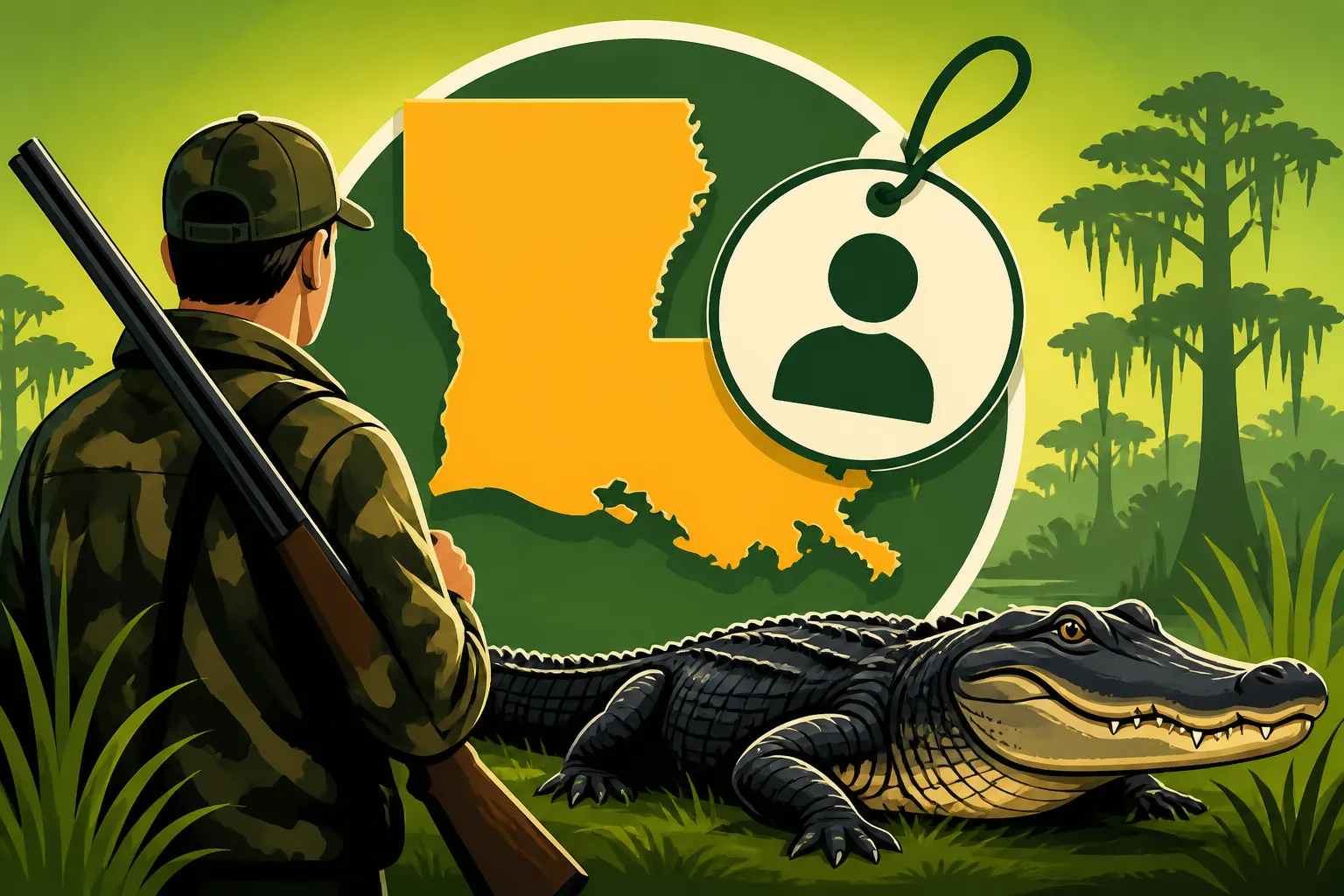
Once you have your basic nonresident hunting license, the next crucial step is acquiring the specific Alligator Hunter License, often referred to simply as the "alligator license" itself. This license is what legally allows you to participate in the recreational alligator season. Unlike many other game species where a general license might cover a tag or two, alligator hunting operates on a lottery system for tags, making this license a prerequisite to even apply. The cost for the nonresident Alligator Hunter License is another distinct fee, and it's separate from your basic hunting license.
Beyond the license, there's the matter of alligator tags. Louisiana’s recreational alligator harvest is strictly managed through tags, which are issued via a lottery system. This means that simply buying the Alligator Hunter License doesn't automatically grant you the right to harvest an alligator. You must successfully draw tags through the Applying for the Alligator Recreational Lottery. If you are fortunate enough to win a lottery spot, you will then be issued a specific number of tags, each corresponding to an alligator you are permitted to harvest. The cost for these tags, once drawn, is usually an additional fee per tag. These tags are physical devices that must be immediately attached to a harvested alligator, signifying its legal capture. Many hunters find themselves poring over their GoHunt app, checking application deadlines and lottery results, hoping for good news to secure these coveted tags.
Navigating the Lottery and Application Process for Nonresidents
The Louisiana alligator season for nonresidents is not an over-the-counter affair. It's a carefully managed resource, and access is primarily gained through a competitive lottery system. This process adds an extra layer of planning and financial consideration that extends beyond just the license and tag fees.
Understanding the Recreational Alligator Lottery Application Fee
To even have a chance at drawing alligator tags, nonresidents must apply through a lottery system. There's usually a non-refundable application fee associated with entering this lottery. This fee covers the administrative costs of processing applications and conducting the draw, and it's important to remember that paying it does not guarantee you tags. It merely grants you eligibility to be considered in the draw. This lottery system is critical for managing the How Many Alligators Louisiana Has and ensuring a sustainable harvest.
The application period for the alligator lottery typically opens well in advance of the season, and missing the Louisiana Alligator Lottery Application Window means you'll have to wait until next year. It's a critical deadline to mark on your calendar. Many hunters set reminders on their phones or through their GoHunt accounts to ensure they don't miss out. The lottery allocates specific tags to successful applicants for designated Louisiana Alligator Zone Allocations, meaning where you can hunt your gators is also determined by your draw. This zone-specific allocation is part of the LDWF's strategy to balance hunting pressure across different parts of the state's vast alligator habitat.
What Happens if You Don't Draw a Tag?
A common frustration for many nonresident hunters is the possibility of paying for the basic hunting license and the alligator hunter license, along with the lottery application fee, only to not draw any tags. It's a real possibility, given the popularity and limited nature of the recreational alligator season. If you don't draw tags, those initial license fees are generally non-refundable, as they've already provided you with legal hunting status for other species or the eligibility to apply for the lottery. This can be a bitter pill to swallow, especially if alligator hunting was the sole purpose of your trip.
However, not drawing tags doesn't necessarily mean your alligator hunting dreams are dashed entirely. Many nonresidents who don't draw tags opt to book a What a Guided Alligator Hunt Costs with a licensed Louisiana outfitter. These outfitters often possess their own commercial alligator tags or work with landowners who have private land tags, allowing non-tag-holding hunters to still experience a guided alligator hunt. This can be a more expensive route, but it guarantees you an opportunity to hunt without the uncertainty of the lottery. It's a good fallback option to consider when planning your budget and expectations for the trip.
Beyond the License: Hidden Costs and Smart Budgeting
While the licenses, lottery fees, and tags form the core financial framework for a nonresident alligator hunt, several other costs can quickly add up, transforming your initial budget into something far greater. Thinking holistically about all potential expenses will give you a more realistic picture.
Gear, Travel, and Accommodation Expenses
Hunting alligators isn't like deer hunting, where you might already have most of the necessary equipment. Specialized gear is often required, particularly if you're pursuing the traditional Louisiana Alligator Legal Methods of hook-and-line sets or snatch hooks. You'll need sturdy boats capable of navigating shallow marshes and swamps, robust lines, specialized hooks, and often bait. While some of this can be rented or borrowed, purchasing it outright can be a significant investment. For example, setting up legal Anchoring an Alligator Line Legally requires specific knowledge and equipment.
Beyond the hunting gear itself, you need to consider all the standard travel expenses. Flights or fuel for driving, local transportation (especially if you need to access remote boat launches), and lodging can quickly become substantial. If you're staying for several days, accommodation costs can vary widely from budget motels to more upscale lodges, particularly around popular hunting areas like the coastal marsh parishes. Food and drink, whether cooking at a camp or eating out, also need to be factored in. Many hunters use mapping tools available on GoHunt to scout potential boat launches and access points, which can help in planning travel logistics and estimating fuel costs for reaching specific hunting grounds.
Table of Estimated Nonresident Alligator Hunting Costs
To provide a clearer picture, here's an estimated breakdown of potential costs for a nonresident looking to hunt alligators in Louisiana. Please remember these are estimates and actual prices can vary by year, vendor, and your specific choices.
| Item | Estimated Cost Range (USD) | Notes |
|---|---|---|
| Nonresident Annual Basic Hunting License | $150 – $300 | Mandatory for all nonresident hunters. Prices vary; check current LDWF regulations. A 5-day option may be available. |
| Nonresident Alligator Hunter License | $50 – $100 | Required to apply for the alligator lottery and hunt if successful. |
| Alligator Lottery Application Fee | $5 – $20 | Non-refundable fee to enter the draw for tags. Does not guarantee tags. |
| Alligator Tags (per tag, if drawn) | $25 – $50 | Cost for physical tags issued if you win the lottery. You'll typically get 2-3 tags. |
| Specific Alligator Hunting Gear | $100 – $500+ | Hooks, lines, bait, specialized boat equipment, processing tools. (Can be higher if buying a boat). |
| Travel (Fuel/Flights) | $200 – $1000+ | Highly variable based on distance and mode of transport. |
| Accommodation (per night) | $70 – $250+ | Hotel, cabin, or lodge costs. Camping can be cheaper on Louisiana Wildlife Management Areas. |
| Food & Drink | $50 – $100 per day | Self-catering vs. restaurant meals. |
| Meat Processing & Taxidermy | $100 – $500+ | Depending on size of gator and services desired (skinning, butchering, head/hide preservation). |
| Total Estimated Low-End | $725 | Basic license, alligator license, application fee, 2 tags, minimal gear, local travel, cheap accommodation, self-processing. |
| Total Estimated High-End | $3,000+ | Annual license, alligator license, application, 3 tags, new specialized gear, cross-country travel, comfortable lodging, full services. |
Note: These are estimates. Always check the official Louisiana Department of Wildlife and Fisheries website for the most current and accurate fee schedules and regulations before making plans.
Post-Harvest Costs and Other Fees
Your financial obligations don't necessarily end once you've successfully harvested an alligator. There are often post-harvest costs to consider. Processing an alligator, especially a large one, can be a labor-intensive task. Many hunters opt to have their gators professionally processed for meat and hide. The cost for this can vary significantly based on the size of the alligator and the services you request (e.g., just skinning, full butchering, tanning preparation). If you're considering taxidermy for a trophy, that's another substantial expense.
Additionally, remember that Louisiana Hunter Education Requirements might apply if you were born on or after September 1, 1969. While this is often a one-time cost, it's essential to complete before you can purchase certain licenses. Ensure you verify all legal requirements well in advance of your trip. Don't forget small incidentals like ice for cooling meat, extra fuel for scouting, and potentially a tip for anyone who assists you, even informally. Being thorough in your planning, using tools like GoHunt for mapping and regulations, will help prevent any unexpected expenses from turning your dream hunt into a financial headache.
Maximizing Value for Your Nonresident Alligator Hunt
Since nonresident hunting in Louisiana involves a significant investment, especially for unique species like alligators, it makes sense to explore ways to maximize the value of your trip and ensure you get the most out of your experience.
Combining Hunting Opportunities
One smart strategy to get more bang for your buck is to combine your alligator hunt with other hunting or fishing opportunities available in Louisiana. Depending on the time of year, you might find overlap with seasons for small game like Squirrel and Small Game Hunting in Louisiana or feral hogs, which are year-round and often don't require specific tags beyond a basic hunting license on private land. If you're already in the state, utilizing your basic hunting license for multiple species can feel like a better return on your initial investment.
Consider extending your trip by a few days to target other game. For instance, if you're hunting alligators in the marsh, you might also find opportunities for fishing or even Waterfowl Hunting the Louisiana Coastal Marsh if your visit aligns with duck season. Always check the current season dates and bag limits for any species you plan to pursue to ensure you are fully compliant with LDWF regulations. Planning a multi-species trip requires even more meticulous organization, but with resources like the GoHunt app for regulation checks and scouting, it becomes much more manageable.
Exploring Guided Hunt Options
As mentioned, if you don't secure your own alligator tags through the lottery, or if you simply prefer a more structured experience without the hassle of logistics, booking a guided alligator hunt is a strong alternative. While the upfront cost of a guided hunt package might seem higher than self-guided, it often includes many elements that you would otherwise pay for separately. This can include the use of the outfitter's tags, specialized equipment, boat access, expert guidance on Louisiana Alligator Legal Methods, and sometimes even lodging and meals.
For a nonresident, a guided hunt can remove a lot of the guesswork and logistical challenges associated with hunting a complex and potentially dangerous animal in an unfamiliar environment. Guides are intimately familiar with Hunting the Louisiana Coastal Marsh Parishes or other alligator-rich areas, and they understand the best techniques for success. When researching What a Guided Alligator Hunt Costs, be sure to ask exactly what is included in the package to compare apples to apples. Sometimes, the peace of mind and higher success rates offered by a reputable guide can justify the additional expense, turning a potentially frustrating trip into a memorable and successful one.
Disclaimer
The information provided in this guide is for general informational purposes only and is subject to change. Hunting regulations, license costs, and season dates are determined by the Louisiana Department of Wildlife and Fisheries (LDWF) and can be updated at any time. It is the responsibility of the hunter to verify all current regulations and acquire the necessary licenses and permits directly from the LDWF before engaging in any hunting activities. Always prioritize safety and ethical hunting practices.