Louisiana Alligator Lottery Application Window
Trying to snag one of those coveted Louisiana alligator tags can feel like drawing a winning hand in a high-stakes poker game – exciting, a little nerve-wracking, and often, quite confusing if you're not sure when to even pull up a chair. Many hunters, myself included, have felt that pang of frustration, realizing they've missed the application window entirely because the dates just slipped by in the hustle and bustle of life. This guide is here to untangle the mystery of the Louisiana alligator lottery application window, walking you through everything you need to know to ensure you're ready when the time comes, giving you the best shot at joining the ranks of recreational gator hunters.
Understanding the Louisiana Alligator Lottery System
Louisiana's recreational alligator hunting program is truly unique, offering an incredible opportunity to participate in a hunt that's deeply woven into the state's cultural fabric. Unlike deer or duck hunting, which might have more open seasons, alligator hunting is carefully managed through a lottery system. This isn't just about limiting harvest; it's a critical part of the Louisiana Department of Wildlife and Fisheries (LDWF)'s successful conservation efforts that brought these magnificent reptiles back from the brink of endangerment. The state actively manages the population to maintain a healthy ecosystem, and part of that management involves controlling the number of tags issued to recreational hunters each year. It’s a testament to good wildlife management that we even have a recreational season, given their history.
Why the Lottery System Exists
The primary reason for the lottery system is population control and sustainable harvesting. Alligators reproduce readily in Louisiana's abundant wetlands, but left unchecked, an explosion in numbers could lead to various ecological imbalances, including over-predation on other species or increased nuisance alligator complaints in human-populated areas. By issuing a limited number of tags through a lottery, the LDWF can precisely manage harvest numbers, ensuring the alligator population remains robust and healthy for generations to come.
Beyond conservation, the lottery also ensures fair access. Demand for these tags is incredibly high, far outstripping the supply. Without a lottery, it would be a mad dash or purely based on who has the most money to buy private land tags, which wouldn't sit right with the spirit of public access for hunting. This system gives every eligible resident hunter an equal chance, no matter their background or land ownership status, to experience a truly iconic Louisiana hunt. It's about preserving a tradition while maintaining biological integrity.
Overview of Tags and Zones
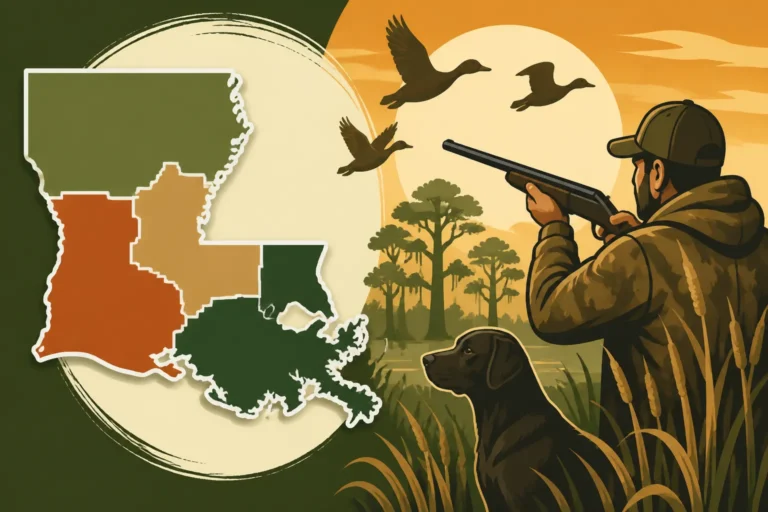
When you apply for the lottery, you're not just applying for "an alligator tag." You're applying for a tag within a specific hunting zone. Louisiana is divided into several alligator hunting zones, each with its own allocation of tags based on population densities and habitat availability. For example, some zones, particularly those in the sprawling coastal marsh, might offer more tags than smaller, more isolated areas. Understanding these different zones, which you can learn more about in resources like Louisiana Alligator Zone Allocations, is key to strategizing your application.
Each tag typically allows for the harvest of a specific number of alligators, usually one or two, within the designated zone during the season. It’s not just about getting drawn; it’s about understanding the specific parameters of the tag you might receive. The sheer number of alligators in Louisiana is impressive, but the thoughtful allocation of these tags ensures that the hunting pressure is distributed appropriately across the state, preventing any single area from being over-harvested.
Navigating the Application Process
So, you're ready to throw your hat in the ring for an alligator tag? Fantastic! The application process is primarily handled online through the Louisiana Department of Wildlife and Fisheries' portal. While the exact interface might change slightly year to year, the core steps remain consistent. It’s not overly complicated, but paying close attention to detail and deadlines is absolutely crucial. Missing a single step or a cutoff date means you're out for the year, and nobody wants that kind of disappointment.
Online Application Portal and Requirements
To begin, you'll need to head to the official LDWF website, usually within their "Recreational Alligator Season" or "Lottery Applications" section. You'll typically need to have a valid Louisiana hunting license (or be eligible to purchase one upon selection) and be a resident of the state. Non-residents, unfortunately, are not eligible for the recreational alligator lottery at this time. This isn't a slight against our out-of-state hunting friends; it's simply a measure to prioritize opportunity for Louisiana residents given the limited number of tags. Many hunters utilize tools like GoHunt for their general hunting planning, but for the actual lottery application, you'll be directly on the LDWF site.
The application itself will ask for your personal information, contact details, and then present you with options for which hunting zones you'd like to apply for. You might be able to select multiple choices, ranking them in order of preference. It's smart to do a little research beforehand to understand which zones might have slightly less competition or offer the type of hunting experience you're looking for. Sometimes, applying for less popular zones can marginally increase your odds, though it's still very much a game of chance. There's also usually a small, non-refundable application fee that helps cover the administrative costs of running the lottery.
Tips for a Smooth Application
My biggest tip for anyone applying is to not wait until the last minute. The internet can be a fickle beast, and the LDWF website can experience heavy traffic as the deadline approaches. Imagine spending an hour filling everything out, only for the site to crash or your internet to drop right as you hit submit! To avoid that kind of heartache, aim to complete your application several days, if not a week, before the official closing date.
Double-check every piece of information you enter. A typo in your email or phone number could mean you miss a crucial notification if you're drawn. Also, make sure your hunting license is up to date, or that you understand the requirements to purchase one if you are selected. Finally, print or save a confirmation of your submission. This acts as your proof that you actually applied, just in case any questions arise later. Thinking ahead and being meticulous can save a lot of headaches down the road.
Key Dates and Deadlines for the Alligator Lottery
Alright, let's get down to brass tacks: when can you actually apply? The Louisiana Alligator Lottery application window is relatively narrow, and the specific dates shift slightly each year. It's not like deer season where you have months to plan; this is a defined period where you absolutely must act. Missing this window means another year goes by without a chance to pursue a gator, and we don't want that for you. Keeping these dates front and center is essential for any aspiring gator hunter.
Annual Application Window
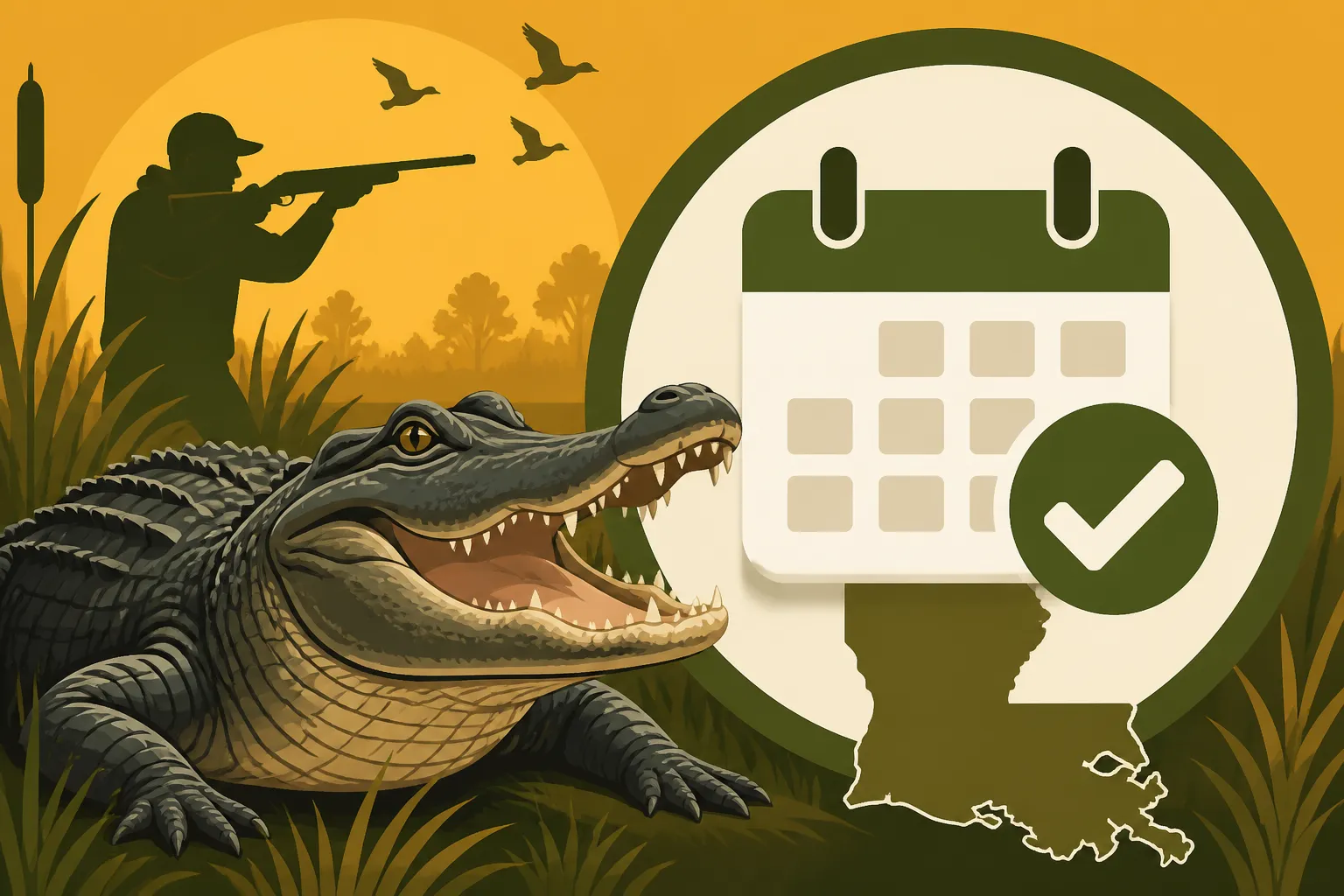
Generally, the LDWF opens the recreational alligator lottery application period in late May to early June each year. The window then typically closes towards the end of June or early July. For instance, in a recent season, applications might have opened on May 22nd and closed on June 30th. These are critical dates to mark on your calendar, set reminders for, and share with your hunting buddies. Because the exact dates can vary, it's always best to check the official LDWF website directly as May approaches.
It's a common frustration that these dates can sometimes catch people off guard. We're often so focused on spring turkey seasons or preparing for fall deer hunting that a summer alligator lottery can slip through the cracks. But with a little proactive planning, like adding a recurring annual reminder to your phone or calendar, you can ensure you're always in the loop. This short window is your golden opportunity, so don't let it pass you by.
Important Dates at a Glance
To make it easier, here's a general overview of the typical timeline for the Louisiana Recreational Alligator Lottery. Remember, these are approximate, and checking the LDWF website for the current year's exact dates is always the best practice.
| Event | Typical Timeframe | Key Action |
|---|---|---|
| Application Opens | Late May – Early June | Submit your online application promptly. |
| Application Closes | Late June – Early July | Final deadline for all submissions. |
| Selection Draw/Notification | Mid-July – Late July | Check your email/LDWF account for results. |
| License & Tag Purchase | Late July – Early August (if drawn) | Purchase required alligator license and tags. |
| Mandatory Training | Mid-August (if drawn) | Attend required course, often online. |
| Alligator Hunting Season | Late August – Early September | Go hunt your alligator! |
As you can see, the entire process moves fairly quickly once the application closes. If you're drawn, you'll have a limited time to purchase your license and tags, and often, to complete a mandatory hunter training course. This course is vital for understanding Louisiana Alligator Legal Methods and safe handling practices, and it’s usually offered online for convenience. Missing any of these post-draw deadlines can result in forfeiting your tag, so staying vigilant after applying is just as important as during the application window itself.
What Happens After You Apply
So, you've submitted your application, paid your fee, and you've got that confirmation in hand. Now comes the hard part for many of us: the waiting game. The period between applying and notification can feel like an eternity, filled with anticipation and hopeful speculation. But understanding what to expect after the application window closes can help manage that anxiety and prepare you for the next steps, whether you're drawn or not.
The Draw and Notification Process
Once the application window officially closes, the LDWF conducts the random drawing for the available alligator tags. This typically happens in mid-July to late July. The drawing is a computerized process designed to be fair and unbiased, giving every applicant who followed the rules an equal chance at a tag within their chosen zones. It’s purely luck of the draw, much like any other lottery.
If you are one of the lucky few drawn for a tag, the LDWF will generally notify you via email, so make sure the email address on your application is correct and that you're checking your spam folder periodically. They may also post the results on their website. This notification will include details about which zone you were drawn for, the number of tags allocated to you, and the critical deadlines for purchasing your Louisiana Resident Alligator License Cost and any associated tags. This is often a short window, usually a couple of weeks, so prompt action is essential. Do not delay!
If You're Drawn for a Tag
Congratulations! Getting drawn is a fantastic achievement and the start of an incredible adventure. Your notification will outline the next steps, which typically include:
- Purchasing Your License and Tags: You'll need to buy your specific recreational alligator hunter license and the physical alligator tags through the LDWF's online portal or an authorized vendor. These tags must be physically attached to the alligator immediately upon harvest.
- Completing Mandatory Hunter Training: Louisiana often requires recreational alligator hunters to complete a mandatory training course. This course covers everything from proper harvest techniques, legal methods like Snatch-Hook Alligator Tactics and Hook-and-Line Alligator Setups, ethical considerations, and safety. It's often available online and is designed to ensure you're well-prepared for a safe and successful hunt.
- Understanding Your Zone and Season Dates: Each zone has specific season dates, typically running from late August through early September. You'll need to know the exact start and end dates for your assigned zone. Planning your hunt, scouting potential areas (and maybe even using a mapping tool like GoHunt to mark promising spots), and preparing your gear will be your next big tasks. Remember, landing an alligator from a small boat takes skill and preparation, so research this thoroughly!
If You're Not Drawn This Year
It's a tough pill to swallow, but the reality is that many, many more people apply than there are tags available. If you don't get drawn, don't despair! It happens to the best of us, and it’s just part of the lottery system. The most important thing is to learn from the experience, ensure you have your reminders set, and be ready to apply again next year.
Use this time to deepen your knowledge. You can research different alligator hunting techniques, watch videos, or even connect with experienced alligator hunters to learn from their successes and challenges. You might even consider reaching out to an outfitter if you're keen on experiencing a guided hunt, as they sometimes have access to private land tags, which is a different avenue entirely. While it might not be your year for a tag, it can absolutely be your year for preparation, so you’re even more ready for the next application window.
Disclaimer
Please note that hunting regulations, license requirements, and application dates can change annually. Always consult the official Louisiana Department of Wildlife and Fisheries (LDWF) website or current hunting regulations pamphlet for the most accurate and up-to-date information before planning any hunting trip or submitting applications. This article provides general information and should not be considered legal advice or a substitute for official LDWF resources.