Louisiana Snipe Season Dates
It's incredibly frustrating, isn't it, trying to pin down the exact season dates for migratory birds like snipe in Louisiana? One year it seems to start in October, the next it's November, and the dates for bag limits or even what licenses you need can feel like a moving target. You just want to know when you can hit the fields and marshes without worrying about accidentally breaking a rule. This guide is here to untangle all that, giving you a clear picture of Louisiana's snipe season dates, regulations, and even some tips to get you out there confidently.
Understanding Louisiana Snipe Seasons
Snipe hunting, while perhaps not as glamorous as deer or duck hunting, offers some of the most challenging and rewarding wing-shooting experiences in Louisiana. However, because they are migratory birds, their season dates aren't as straightforward as some of our resident game species.
The Migratory Bird Framework
Louisiana's snipe season, much like our duck and goose seasons, falls under a complex web of federal and state regulations. The U.S. Fish and Wildlife Service (USFWS) establishes broad frameworks, dictating the earliest and latest possible dates, as well as overall season lengths and bag limits for migratory birds across the country. Within these federal guidelines, states like Louisiana, through the Department of Wildlife and Fisheries (LDWF), then set their specific seasons. This system is designed to ensure sustainable harvest across flyways, with Louisiana sitting squarely in the Mississippi Flyway, a critical corridor for countless species. This means our dates are influenced by population data and hunting pressure across many states. You might find it useful to understand the broader context of Louisiana Waterfowl Zones and Seasons and Louisiana Duck Zone Rules to see how these migratory frameworks apply to other popular species.
The dates aren't just pulled out of a hat; they're the result of careful monitoring and collaboration. Biologists track snipe populations, breeding success, and migration patterns, feeding this data into a system that ultimately informs the decisions made by the USFWS and subsequently, the LDWF. This dynamic process means that while there's a general pattern, specific dates can shift slightly year to year. It's why relying on last year's calendar is almost always a bad idea, and why staying updated is key to a legal hunt.
Typical Season Window
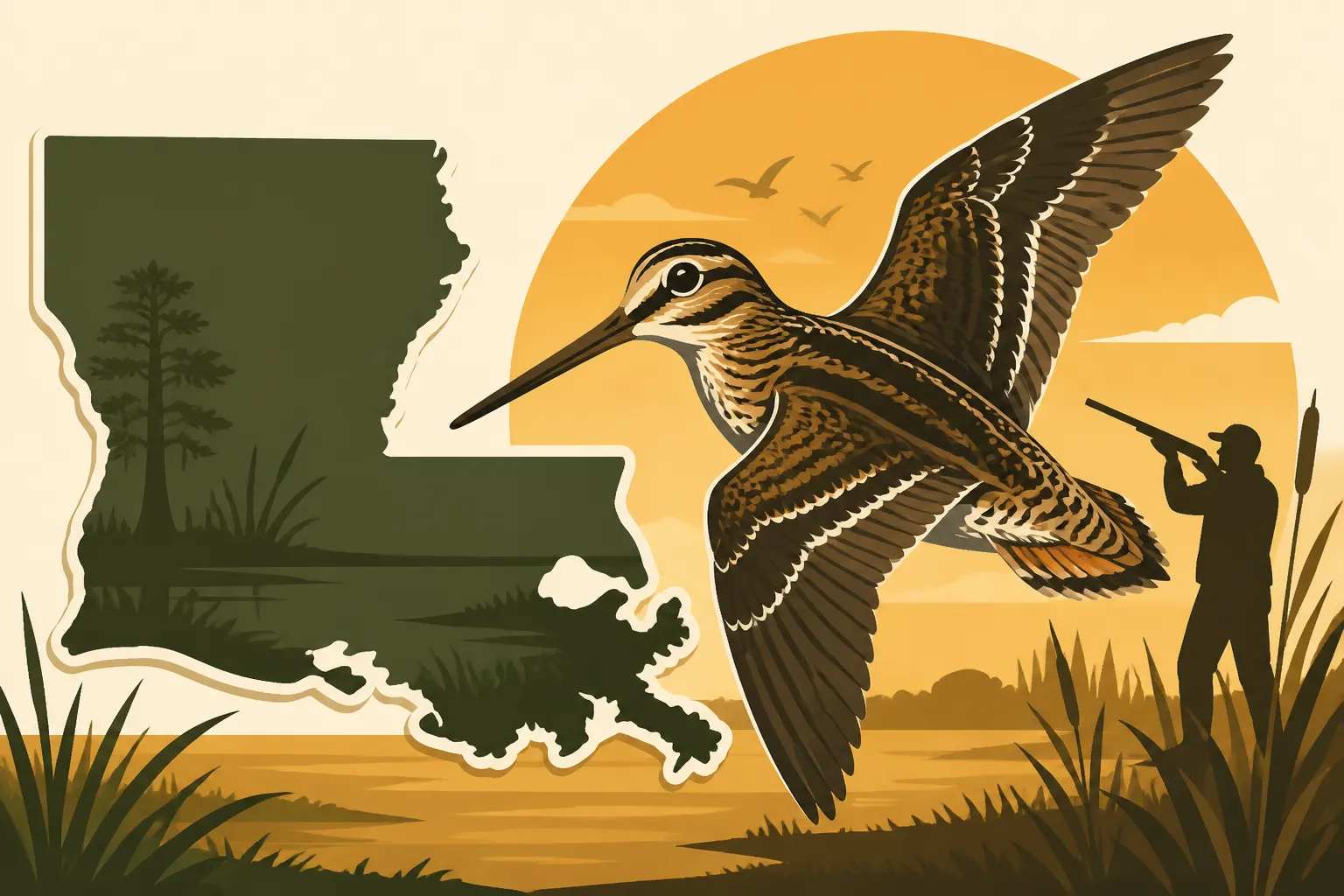
For hunters in Louisiana, the snipe season typically kicks off in the late fall and runs through the winter months. Historically, you can expect the season to begin sometime in November and extend all the way into February. For instance, the 2023-2024 snipe season in Louisiana ran from November 10th to February 25th. This long window provides ample opportunity to get out and enjoy the sport, often overlapping with other popular hunting seasons.
This extended period is a real treat for bird hunters, offering action when some other seasons might be winding down or experiencing mid-season lulls. It also means you can often combine a snipe hunt with a late-season rabbit hunt or even some Squirrel and Small Game Hunting in Louisiana if you're in the right type of mixed habitat. The key is that snipe are looking for specific conditions – soft, wet ground with plenty of invertebrate food – which become more prevalent across parts of Louisiana as the cooler, wetter months settle in. So, while the dates are consistent, the best hunting days will often depend on local weather and field conditions.
Navigating Louisiana's Snipe Regulations
Understanding when to hunt is just one piece of the puzzle; knowing how to hunt legally is equally important. Louisiana has specific rules regarding licenses, bag limits, and how to verify these details each year.
Finding Current Season Dates
The absolute best and most reliable place to find the current, up-to-date snipe season dates for Louisiana is directly from the Louisiana Department of Wildlife and Fisheries (LDWF). They publish their official hunting regulations annually, usually in late summer or early fall, covering all the seasons for the upcoming year. You can usually find this information in a few key places:
- The Official LDWF Website: Head over to wlf.louisiana.gov. Look for the "Hunting" section, and then navigate to "Seasons and Regulations." They'll have a link to the current year's migratory bird regulations.
- Printed Hunting Digests: These small booklets are often available at LDWF offices, sporting goods stores, and even some convenience stores throughout the state. They're handy to keep in your truck or hunting bag.
- Mobile Apps: The LDWF offers a mobile app that often includes the full regulations digest, allowing you to have it at your fingertips even without cell service in some remote areas. Digital mapping apps like GoHunt are also invaluable, as they integrate crucial public land boundaries and sometimes even have overlays for seasonal regulation updates, though you should always cross-reference with official LDWF sources for migratory bird dates. While these apps are fantastic for Scouting Louisiana Public Land Before Season and finding property lines, the LDWF website is your ultimate authority for season dates.
It cannot be stressed enough: always verify the dates for the current hunting season. Don't assume they are the same as last year. Hunting out of season, even by accident, can lead to stiff penalties, so a quick check online before you head out is a small investment for peace of mind.
Daily Bag Limits and Possession Limits
Louisiana also sets specific limits on how many snipe you can harvest per day and how many you can possess in total. These limits are designed to help manage the population and ensure sustainable hunting opportunities for future seasons.
Currently, the daily bag limit for snipe in Louisiana is typically 8 birds. This means that in a single day, you cannot harvest more than eight snipe. The possession limit is usually three times the daily bag limit, which would be 24 birds. The possession limit applies to birds that are processed, stored, or transported, and includes any birds taken on previous days that are still in your possession. So, if you've been hunting for a few days and have some snipe in the freezer, those count towards your possession limit.
These limits are carefully considered based on population surveys and scientific data to prevent overharvest. Even if the birds are flying thick and fast, sticking to the bag limit is crucial for conservation. It’s part of being a responsible hunter, ensuring that these acrobatic little game birds continue to grace our Louisiana landscapes for generations to come.
Essential License Requirements
Before you even think about loading up your shotgun and heading to the field, you need to make sure your paperwork is in order. Hunting snipe in Louisiana requires a few specific licenses and certifications, separate from what you might need for deer or hogs.
Here's what you'll typically need:
- Basic Hunting License: This is your fundamental license to hunt in Louisiana. Whether you're a resident or non-resident, this is the first step. You can learn more about the various options and costs by reading our guide on Louisiana Hunting Licenses and What They Cost.
- Louisiana Migratory Bird Hunter Certification (HIP): This is absolutely essential for any migratory bird hunting in Louisiana, including snipe, doves, ducks, and geese. It's free, but you must complete it annually. The HIP certification helps the USFWS gather data on migratory bird hunters, which is vital for population management and setting future seasons. You simply register online through the LDWF licensing system. Don't overlook this! We have a detailed article on Louisiana HIP Certification for Bird Hunters that explains this further.
- Federal Duck Stamp (Optional for Snipe): While crucial for waterfowl hunters (ducks and geese), a Federal Duck Stamp is not required specifically for hunting snipe. Many migratory bird hunters will have one anyway if they also chase ducks, but if snipe is your sole quarry, you can save yourself that purchase.
Make sure all your licenses and certifications are valid for the current hunting season. Many hunters choose to carry digital copies on their phone through the LDWF app, but always ensure your phone is charged or carry a physical backup, especially in areas with poor cell service.
Snipe Hunting Tactics and Hotspots in Louisiana
Once you've got your licenses sorted and the season dates locked down, it's time to think about where and how to actually find and harvest these elusive little birds. Snipe hunting isn't typically a sit-in-a-blind-and-wait kind of hunt; it's an active, engaging pursuit.
Ideal Habitat and Scouting
Snipe are masters of camouflage, blending seamlessly into their preferred environment: soft, wet, muddy ground with dense, low vegetation. Think shallowly flooded fields, the edges of ponds, irrigated pastures, overgrown ditches, and boggy areas near agricultural fields. You'll often find them in rice fields after harvest, where the stubble and muddy conditions provide perfect cover and food sources. They love areas where there are plenty of worms and insect larvae to probe for with their long bills.
When you're scouting for snipe, look for these types of wet, open, yet vegetated areas. A good strategy is to use aerial maps (which you can often access through apps like GoHunt) to identify potential locations, focusing on transitions between drier ground and water. Look for cow pastures with standing water after a rain, or fallow agricultural fields that haven't been drained completely. You're not necessarily looking for the birds themselves during scouting, but rather their habitat. Once the season opens, you'll walk these areas to flush them. You can get a lot of great intel before the season even starts, which we cover in detail in Scouting Louisiana Public Land Before Season.
Gear and Techniques
Hunting snipe is physically demanding but incredibly rewarding. You're going to be walking, often through thick, wet terrain, so proper gear is paramount.
Essential Gear:
- Lightweight Shotgun: A 20-gauge or 28-gauge shotgun is often preferred due to its lighter weight for carrying all day, and its ability to swing quickly on fast-flushing birds. A 12-gauge will certainly work, but can feel heavy after a few hours of slogging through mud.
- Small Shot Sizes: #7.5 or #8 shot is ideal for snipe. These birds are small, and smaller shot provides a denser pattern, increasing your chances of connecting with these erratic fliers.
- Comfortable, Waterproof Boots: This is non-negotiable. Muck boots or knee-high rubber boots will save your feet from getting soaked and muddy. You'll be traversing marshy ground, so good traction and waterproof protection are critical.
- Lightweight Vest/Game Bag: For carrying shells, water, and your harvested birds.
- Eye and Ear Protection: Always, always.
Hunting Techniques:
The most common and effective technique for snipe is walking them up. This involves systematically walking through suitable habitat, often in a zigzag pattern, to flush the birds. Snipe typically hold tight until you're quite close, then erupt into a chaotic, zig-zagging flight pattern, often accompanied by a distinctive "scape" call. This sudden flush and erratic flight are what make them such a challenging and fun target.
- Walk Slowly and Deliberately: Don't rush. Give yourself time to spot movement and react.
- Work into the Wind: This often helps birds hold tighter and gives you a slightly better chance at a shot as they flush into the wind.
- Mark the Fall: These birds are small, and their drab coloring makes them incredibly hard to find once they hit the ground. When you shoot, fix your eyes on where the bird falls and walk directly to that spot. A good bird dog can be an invaluable asset here.
- Consider a Dog: A well-trained pointing or flushing dog can significantly increase your success rate, both in finding birds and especially in retrieving them from dense cover.
It's a similar style of hunting to Jump-Shooting Louisiana Bayous for Wood Ducks, where active movement and quick reflexes are key. The adrenaline rush when a snipe flushes at your feet is something every bird hunter should experience!
Popular Public Land Areas for Snipe
Louisiana is blessed with an abundance of public hunting opportunities, and many of these areas can hold snipe, especially during peak migration and in the right conditions. While snipe can pop up in various spots, certain types of public lands offer more consistent opportunities.
Wildlife Management Areas (WMAs): Many of Louisiana's WMAs, particularly those with significant wetland components, flooded fields, or agricultural leases, can be excellent for snipe. Look for WMAs that have recently flooded after heavy rains, or those with managed water levels that create shallow, muddy flats.
Some areas to consider that often have suitable snipe habitat include:
- Sherburne Wildlife Management Area: While known for deer, its low-lying, wet areas can hold snipe.
- Salvador/Timken Wildlife Management Area: Coastal WMAs like these often have expansive marsh and wet areas that can attract snipe, especially those bordering agricultural areas.
- Elmer's Island Wildlife Refuge: Though primarily a coastal recreation area, nearby wet areas and marshes can be productive.
However, the specific success of any WMA for snipe hunting depends heavily on the water levels and recent weather. A WMA that was fantastic last year might be too dry or too flooded this year. The best approach is to check the individual WMA regulations on the LDWF website for any specific access rules or closures and then use mapping tools, like those offered by GoHunt, to identify promising habitat features within the WMA. You can also explore our general guide on Louisiana Wildlife Management Areas for more information on how these areas are managed. Remember, understanding Public Hunting Land in Louisiana is the first step to unlocking these opportunities.
The Joy and Challenge of Snipe Hunting
There's something uniquely captivating about snipe hunting. It's not for everyone, but for those who embrace the challenge, it offers a distinct blend of frustration and exhilaration that keeps you coming back for more.
Why Hunt Snipe?
You might wonder why anyone would bother chasing these small, elusive birds through muddy fields. The reasons are many, and deeply rooted in the primal joy of the hunt:
- The Ultimate Wing-Shooting Challenge: If you can consistently hit snipe, you can hit anything. Their erratic flight path is legendary, making them a fantastic way to hone your shotgunning skills. Every bird harvested feels like a true accomplishment.
- Extends Your Season: With seasons running well into winter, snipe hunting provides a welcome opportunity to stay active in the field when other seasons might be closed or winding down. It's a great way to beat cabin fever.
- Excellent Table Fare: Don't let their small size fool you; snipe are absolutely delicious. Their dark, rich meat is a gourmet treat, often compared to woodcock or even small doves. They make for fantastic roasted delicacies or can be wrapped in bacon and grilled.
- Accessible Hunting: While demanding, snipe hunting doesn't require expensive blinds, decoys, or specialized boats. A good pair of boots, a shotgun, and a willingness to walk are often all you need, making it a very democratic form of hunting.
- Quiet Solitude: Unlike duck blinds or deer stands which can sometimes be crowded, a snipe hunt often provides a peaceful, solitary experience in nature, allowing you to truly connect with the outdoors.
Common Misconceptions and Tips
New snipe hunters often fall prey to a few common misconceptions or make easily avoidable mistakes. Learning from these can make your first few hunts much more enjoyable.
- Misconception: They're Easy to Shoot: This is perhaps the biggest myth. Snipe are notoriously difficult to hit. Don't go into your first hunt expecting to fill your bag. Embrace the challenge, enjoy the misses, and celebrate every bird you connect with. Practice your quick mounting and swinging, as you'll need those reflexes.
- Misconception: Any Wet Field Will Do: While they like wet fields, they prefer specific types of cover. A totally open, bare mud flat is less likely to hold birds than one with short, sparse vegetation for cover. Likewise, a field with standing water that's too deep isn't ideal. They want shallow, mucky areas.
- Tip: Hunt After a Rain: Recent rainfall often softens the ground, making it easier for snipe to probe for food, and concentrating them in newly wet areas. It can be a prime time to hit the fields. Use weather tracking features in apps like GoHunt to plan your hunts accordingly.
- Tip: Don't Give Up on a Flush: If a bird flushes and you miss, keep walking the area. Snipe often occur in loose flocks, and where there's one, there are often more. You might flush several birds from a relatively small patch of ground.
- Tip: Mark Your Birds Carefully: We touched on this, but it bears repeating. Their camouflage is so good that a downed bird can vanish instantly. Watch it all the way to the ground, use landmarks, and walk directly to the spot. A bright cap or a piece of flagging tape on a bush can help you mark the spot if you're alone.
| Snipe Hunting Key Information | Detail |
|---|---|
| Typical Season Dates | Early November to Late February (Always check current LDWF regulations annually) |
| Daily Bag Limit | 8 birds |
| Possession Limit | 24 birds |
| Required Licenses | Louisiana Basic Hunting License, Louisiana Migratory Bird Hunter Certification (HIP) |
| Federal Duck Stamp | Not required for snipe |
| Recommended Shot Size | #7.5 or #8 |
| Ideal Habitat | Shallowly flooded fields, wet pastures, muddy edges of ponds, rice fields, boggy ditches with low vegetation |
| Hunting Method | Walking up/flushing (often in zigzag patterns), preferably with a good bird dog |
| Public Land Access | Many Louisiana WMAs and national wildlife refuges with suitable wetland habitat (always verify WMA specific rules and current conditions) |
| Best Time to Hunt | After a good rain, especially when fields become soft and mucky, concentrating birds in feeding areas. |
Disclaimer
The information provided in this article is for general guidance and informational purposes only. Hunting regulations in Louisiana are subject to change by the Louisiana Department of Wildlife and Fisheries (LDWF) and federal agencies. Always consult the most current official LDWF hunting regulations, proclamations, and advisories before planning or undertaking any hunting activity. Failure to comply with all applicable laws and regulations can result in penalties.