Louisiana Woodcock Season Dates
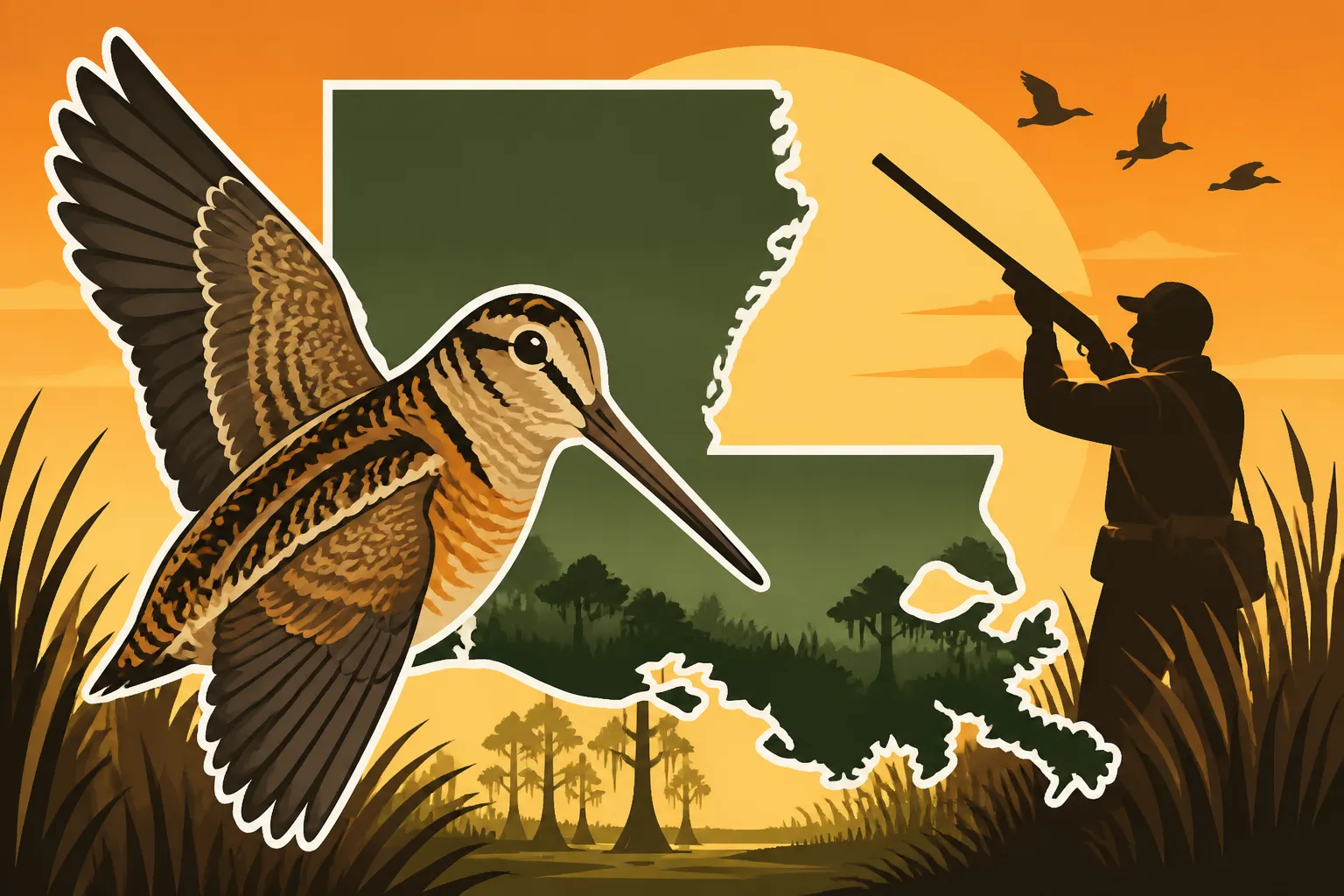
It's easy to get lost in the excitement of deer season or the clamor of duck blasts, but if you've ever overlooked the humble woodcock, you're missing out on a truly unique Louisiana hunting experience. Often referred to as "timberdoodles," these migratory birds offer a challenging and rewarding hunt, but knowing their specific season dates is crucial – and they don't always align with other small game. This guide is dedicated to untangling the current Louisiana woodcock season dates, detailing bag limits, and sharing insights on where and how to find these elusive, long-billed beauties in our state's varied cover.
Understanding Louisiana's Woodcock Season Framework
Hunting woodcock in Louisiana is a special kind of challenge, not just because the birds themselves are masters of camouflage in dense cover, but also because their season operates under a different set of rules than, say, squirrels or rabbits. It's a dance between federal migratory bird guidelines and state-specific management, which can sometimes leave hunters scratching their heads.
Why Woodcock Seasons Differ from Other Birds
Unlike our resident game species, woodcock are migratory birds, traveling vast distances from their northern breeding grounds down to their wintering havens in the South, including a significant portion right here in Louisiana. This migratory status means their seasons aren't set solely by the Louisiana Department of Wildlife and Fisheries (LDWF). Instead, the federal government, through the U.S. Fish and Wildlife Service (USFWS), establishes broad frameworks based on population data gathered across the entire flyway. States then select their specific season dates and bag limits within those federal guidelines, often consulting with the Atlantic and Mississippi Flyway Councils.
This multi-agency approach is what makes woodcock season dates unique. It’s about managing a resource that doesn’t stay put in one state, ensuring sustainable populations across its entire range. So, while you might be accustomed to consistent opening days for deer or squirrel, migratory bird dates, including woodcock, can see slight adjustments year to year based on population surveys, habitat conditions, and even hunter harvest data from previous seasons. It’s a complex system, but it’s all aimed at keeping these fantastic birds around for generations of hunters to enjoy.
The Typical Season Structure in Louisiana
Historically, Louisiana's woodcock season tends to fall in the late autumn and early winter months, capitalizing on the peak migration as birds funnel into our state seeking warmer climates and abundant food sources like earthworms in our moist soils. While the exact opening and closing dates might shift a little each year – sometimes by a week or two, sometimes just a few days – you can generally expect the season to kick off sometime in mid-December and run through late January.
This window is strategically chosen to coincide with the arrival of the majority of the migratory population. The LDWF works hard to balance hunter opportunity with conservation, ensuring that the season provides ample time for hunters without over-pressuring the birds. It’s always, and I mean always, a good idea to check the most current regulations released by LDWF each year. Don't rely on last year's dates; those little green booklets or the official LDWF website are your best friends. These official sources will provide the definitive word on when you can hit the woods, avoiding any potential misunderstandings. For more general insights into small game seasons, you can also refer to resources like Louisiana Small Game Season Rules.
Navigating Current Louisiana Woodcock Season Dates and Bag Limits
Getting the right dates down is half the battle when you're planning a woodcock hunt. There's nothing more frustrating than showing up to a prime covert only to realize you're a week early or, worse, a day late. Louisiana, being a major wintering ground for woodcock, offers a generous season, but knowing the specifics for the current year is non-negotiable.
Official Season Dates for the Current Year
For the 2023-2024 hunting season, Louisiana's woodcock season is set to run from December 18, 2023, through January 31, 2024. This window provides a solid month and a half of prime hunting opportunity, perfectly timed for when these secretive birds have settled into their wintering habitats across the state. These dates reflect the most recent official migratory bird regulations published by the Louisiana Department of Wildlife and Fisheries, so you can confidently mark your calendars.
It's a long enough stretch that you don't have to cram all your hunting into a single weekend, which is a real blessing, especially with unpredictable weather patterns we often see in Louisiana. You can plan multiple trips, perhaps focusing on different areas or targeting different cold fronts as new birds might push into the region. Just remember, these dates are fixed for the season, so plan your vacation days or weekend trips accordingly to make the most of it.
Daily Bag and Possession Limits
Alongside the season dates, understanding the bag and possession limits is just as important. For the 2023-2024 Louisiana woodcock season, the daily bag limit is 3 birds. This means you can legally harvest up to three woodcock per day. The possession limit is 9 birds, which is three times the daily bag limit. The possession limit applies to birds that are retrieved from the field and in your custody, whether at your home, camp, or being transported. It essentially covers the total number of birds you can legally possess at any given time, reflecting the harvest from multiple hunting days.
These limits are in place for conservation reasons, designed to ensure a sustainable harvest without negatively impacting the overall woodcock population. It's not about how many you could shoot, but how many you should for responsible hunting. Always count your birds carefully, both in the field and when packing up. Moreover, don't forget that as a migratory bird hunter, you are required to be HIP (Harvest Information Program) certified each year. This is a quick, free registration that helps wildlife agencies gather crucial data on migratory bird harvests. You can find more details on this essential step by looking into Louisiana Migratory Bird Certification.
To help keep things clear, here's a quick rundown of the current woodcock season details:
| Season Item | 2023-2024 Details |
|---|---|
| Season Dates | December 18, 2023 – January 31, 2024 |
| Daily Bag Limit | 3 Woodcock |
| Possession Limit | 9 Woodcock |
| Hunting Hours | ½ hour before sunrise to sunset |
| HIP Certification | Required Annually |
This table provides a quick reference, but always consult the official LDWF regulations for any last-minute updates or specific details not covered here.
Where to Find Woodcock and Key Hunting Tactics in Louisiana
Hunting woodcock is a truly immersive experience, demanding a different kind of focus than sitting in a deer stand. These birds are masters of concealment, preferring specific types of dense cover that can be challenging to navigate. But once you unlock their habitat preferences, finding them becomes less about luck and more about strategy.
Prime Habitats for Woodcock in the Pelican State
Woodcock aren't found just anywhere. They have a distinct palate for habitat, primarily seeking out young, regenerating forests, dense brushy thickets, and areas with moist, loamy soil where they can probe for earthworms with their long bills. In Louisiana, this often translates to several key environments. Look for early successional areas, often found in recent timber clear-cuts that are regrowing with saplings, briars, and low-lying vegetation. Abandoned agricultural fields that have reverted to brush and small trees, especially if bordered by mature timber, are also hotspots.
Another excellent place to concentrate your efforts is in bottomland hardwood forests, particularly along the edges of sloughs, creek bottoms, and moist areas where the ground stays soft. These areas provide both the dense cover woodcock need for roosting and escaping predators, and the rich, damp soil that supports their primary food source. For hunters familiar with areas like the Pearl River WMA Bottomland Deer Ground or even parts of the Richard K. Yancey Wildlife Management Area, these are exactly the types of locales to explore. Even Hunting Louisiana Bottomland Hardwoods for other small game can put you in prime woodcock territory.
When you're scouting, keep an eye out for areas with a mix of young, dense cover and slightly older growth, which can provide a transition zone that woodcock love. Tools like those found on GoHunt can be invaluable for mapping out potential cover, identifying clear-cuts, and understanding topographical features that might hold moisture, all of which are critical for locating good woodcock habitat. The better you understand the land through aerial photos, as you might when Reading Aerial Photos for Central Louisiana Deer, the more efficiently you can find these timberdoodles.
Effective Strategies for Flushing These Elusive Birds
The classic method for hunting woodcock involves a good bird dog. A well-trained pointing dog (like a Brittany, English Setter, or German Shorthaired Pointer) that can lock onto a bird's scent and hold point is truly invaluable. The dog does the hard work of locating the birds in thick cover, allowing you to walk in for the flush. Flushing dogs (like a Springer Spaniel or Labrador Retriever) can also be effective, though the flush might be more unpredictable in dense brush.
If you don't have a dog, it's certainly tougher, but not impossible. You'll need to move slowly and methodically through promising cover, stopping frequently for several seconds. Woodcock often sit very tight, relying on their camouflage, and will sometimes flush only after you've passed them, or when you pause, making them nervous. They often explode straight up through the canopy before leveling off and darting through the trees. Because of the close-quarters nature of the hunt and their explosive flush, open-choke shotguns (like improved cylinder or skeet) and lighter loads (7.5 or 8 shot) are typically preferred. Remember, it's a quick, close shot, not a long-range blast. Before you even head out, spending time Scouting Louisiana Public Land Before Season can give you an edge, helping you identify the thickest cover where woodcock prefer to hide.
Timing Your Hunt for Optimal Success
While the season dates give you a broad window, understanding the peak timing for woodcock migration can significantly improve your success. Woodcock are pushed south by cold weather and frozen ground in their northern breeding areas. This means that a strong cold front sweeping down through the Mississippi Flyway can often signal a fresh influx of birds into Louisiana. Keeping an eye on weather patterns in states north of us can be a great predictor.
Once they arrive, woodcock are primarily nocturnal feeders, probing for earthworms during the night. They spend their days resting in dense cover. The best times to hunt them are usually early morning, just after sunrise, and late afternoon, leading up to sunset, when they might be moving between roosting cover and feeding grounds. Look for "borings" – small, round holes in the moist soil where they've probed for worms – and splashes of white droppings (known as "chalk") to confirm their presence in an area. These fresh signs are undeniable indicators that woodcock are actively using that covert. Using mapping apps, which you might have access to through a platform like GoHunt, can also help you track your movements and mark areas where you've found birds or promising sign, building a personal database of hotspots over time.
Essential Gear and Regulations Beyond Season Dates
Beyond knowing when and where to hunt, being properly equipped and fully compliant with all state and federal regulations is paramount. This ensures a safe, legal, and enjoyable experience for everyone afield.
Required Licenses and Stamps
Before you even step foot in the woods for woodcock, you need to ensure all your paperwork is in order. For Louisiana residents, this means having a valid Louisiana Resident Hunting License Options or a more comprehensive license like the Resident Sportsman’s Paradise License. Non-residents, of course, will need to secure a Louisiana Nonresident Hunting License Options. Crucially for migratory bird hunters, you must also purchase a Federal Duck Stamp and obtain your annual HIP (Harvest Information Program) certification. While woodcock aren't ducks, they fall under the federal migratory bird umbrella, making these stamps and certifications mandatory.
If you plan to hunt on any of Louisiana's Wildlife Management Areas (WMAs) – and many WMAs offer excellent woodcock habitat – you'll also need a WMA Access Permit. This permit is an essential add-on for public land hunting and helps fund the management and maintenance of these valuable resources. Double-check the specific requirements for your chosen WMA, as some might have additional sign-in procedures or specific rules. It's always a good idea to confirm all necessary permits and licenses well in advance of your hunt, and Louisiana WMA Permit Requirement can provide more specific guidance on that.
Safe and Ethical Hunting Practices
Woodcock hunting, by its very nature, often involves navigating dense cover. This makes adherence to fundamental firearm safety even more critical. Always know your target and what's beyond it, and assume there are other hunters in the area, especially on public land. Carrying your shotgun safely, preferably broken open or unloaded until you're actively hunting, is always smart.
While Louisiana generally requires blaze orange during open gun seasons for deer, typically, it's not strictly mandated for small game or bird hunting outside of those specific deer seasons. However, wearing some visible orange, especially if you're hunting with partners or dogs, is always a wise safety precaution, particularly in thick cover where visibility is low. You can find more comprehensive details on general blaze requirements in Louisiana by checking out Louisiana Blaze Requirements. If you're hunting with a dog, ensure it's well-trained and under control to prevent it from running out of sight or disturbing other hunters. Ethical hunting also means making every effort to retrieve downed birds, which can be a real challenge in dense thickets but is a core responsibility. And, of course, for all hunters, especially new ones, completing a hunter education course is fundamental, and you can learn about that at Louisiana Hunter Education Requirements.
The Role of Conservation in Woodcock Management
Hunting woodcock in Louisiana isn't just about the thrill of the flush; it's also a direct contribution to their conservation. The purchase of your hunting licenses, stamps, and permits directly funds wildlife management efforts, habitat restoration, and research conducted by organizations like the LDWF and the USFWS. Without these funds, the detailed population surveys and habitat improvements necessary to maintain healthy woodcock populations simply wouldn't happen.
LDWF biologists continuously monitor woodcock populations, harvest rates, and habitat conditions to ensure that hunting seasons are set sustainably. They participate in collaborative research with other states and federal agencies to understand migration patterns, breeding success, and overall population health. By following all regulations and supporting these efforts, hunters play a vital role in ensuring that these unique migratory birds continue to thrive in Louisiana and across their range for future generations to pursue. It's a privilege to hunt these birds, and with that privilege comes the responsibility to be an informed and ethical conservationist.
Disclaimer
The information provided in this guide is for general informational purposes only and is subject to change. While we strive to provide accurate and up-to-date details, hunting regulations, season dates, and bag limits are ultimately determined by the Louisiana Department of Wildlife and Fisheries (LDWF) and federal agencies. Always consult the official LDWF hunting regulations booklet or their website for the most current and legally binding information before planning any hunting trip.