Louisiana Falconry License Requirements
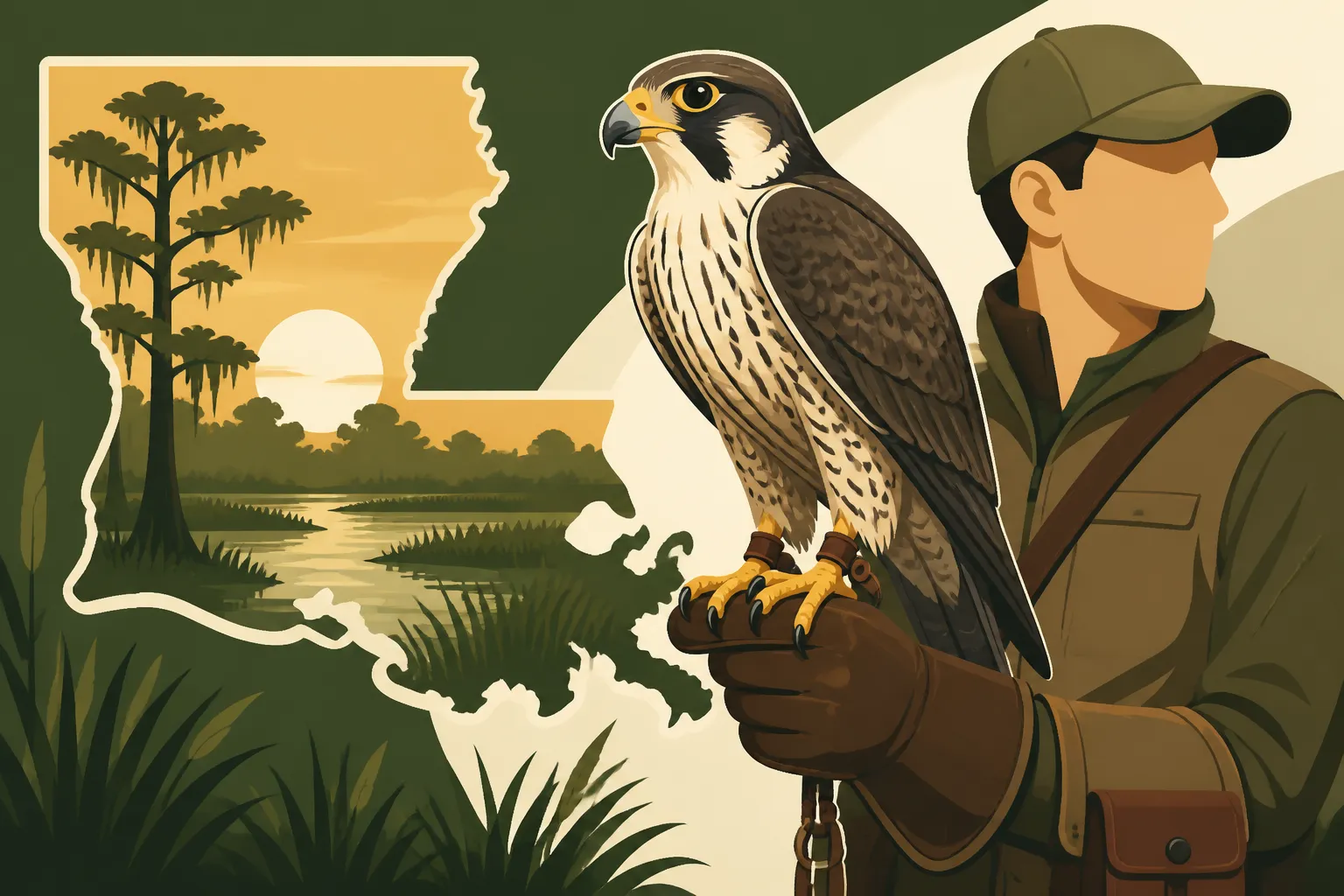
Getting into falconry in Louisiana isn't like picking up a basic hunting license; it's a deep dive into an ancient art form that requires immense dedication, patience, and a thorough understanding of stringent regulations. Many folks find themselves scratching their heads, wondering where to even begin with the Louisiana Department of Wildlife and Fisheries (LDWF) requirements for obtaining a falconry license. This comprehensive guide will walk you through every step, from the foundational apprentice stage to becoming a seasoned master falconer, demystifying the process so you can embark on this incredible journey.
Understanding the Falconry Journey in Louisiana
Falconry is truly a unique pursuit, often called "the sport of kings," and it demands a level of commitment far beyond what most hunters are accustomed to. It’s not just about harvesting game; it’s about forming a profound bond with a wild raptor, understanding its instincts, and dedicating yourself to its well-being and training.
The Commitment Beyond a Hunting License
When you decide to become a falconer, you're signing up for a lifestyle, not just a seasonal hobby. This isn't something you can do for a few weekends a year and then forget about. Your raptor relies on you daily for food, shelter, health checks, and exercise. It's a year-round commitment that involves meticulous record-keeping, constant learning, and an unwavering ethical standard for the bird's welfare. You'll spend countless hours monitoring your bird's weight, ensuring its enclosure is pristine, and flying it regularly, whether for training or actual hunting. It can be a steep learning curve, even for experienced hunters who are already familiar with things like Louisiana Hunter Education Requirements or Louisiana Resident Hunting License Options.
Federal and State Partnership in Regulation
One of the first things you'll realize about falconry is that it’s not solely governed by the state of Louisiana. The sport is deeply rooted in conservation and animal welfare, which means it falls under the jurisdiction of both the U.S. Fish and Wildlife Service (USFWS) and the Louisiana Department of Wildlife and Fisheries (LDWF). This dual oversight ensures that raptor populations remain healthy and that licensed falconers adhere to strict housing, care, and handling standards. This partnership adds layers of complexity to the licensing process, as you'll be dealing with both federal and state applications, permits, and inspections. It’s a testament to the seriousness with which raptor conservation is approached.
The Apprentice Stage: Where Everyone Begins
Every aspiring falconer, regardless of their prior hunting experience, must start at the apprentice level. This initial stage is designed to provide a structured, supervised introduction to the demanding art of falconry. It's not just a formality; it’s a critical period where you learn the ropes under the watchful eye of an experienced mentor. The apprentice stage focuses heavily on basic bird husbandry, equipment use, and the foundational principles of training a raptor. Without this hands-on, guided learning, the complexities of falconry would be overwhelming and potentially harmful to the birds involved. It's where you'll grasp the nuances of feeding, handling, and understanding your bird's unique personality and hunting drives.
Navigating the Louisiana Apprentice Falconry License Requirements
The path to becoming a licensed falconer in Louisiana is rigorous, designed to ensure that only dedicated individuals with appropriate knowledge and facilities are entrusted with these magnificent birds. The apprentice license is your crucial first step, and it comes with very specific demands.
Finding a Sponsor: Your Essential Mentor
Perhaps the most challenging, yet absolutely critical, step in becoming an apprentice falconer in Louisiana is finding a sponsor. A sponsor isn't just someone who signs off on your application; they are an experienced General or Master Falconer who commits to guiding you for at least the first two years of your journey. They will teach you everything from proper bird handling and husbandry to training techniques and safe hunting practices. They're your lifeline, your teacher, and your sounding board when things inevitably get tough.
Finding a sponsor can be difficult because it's a significant time commitment for them, and they need to trust your dedication and ethical approach. Many aspiring falconers find success by networking through local falconry clubs, attending events hosted by the Louisiana Hawking Club, or reaching out to established falconers in their area. Persistence, professionalism, and demonstrating a genuine passion for the birds and the sport are key. Without a sponsor, you simply cannot proceed to the apprentice license. This mentorship ensures that new falconers learn proper, ethical techniques, safeguarding the well-being of the raptors they will eventually fly.
The Written Exam and Facilities Inspection
Once you've secured a sponsor, the next major hurdles are the written examination and the facilities inspection. These are not trivial steps; they are comprehensive assessments of your knowledge and your preparedness.
The Written Exam: A Test of Knowledge
The written exam, administered by the LDWF, is no walk in the park. It covers a vast array of topics essential for responsible falconry. You'll need to demonstrate a solid understanding of raptor biology, including anatomy, physiology, and species identification pertinent to Louisiana. Beyond biology, the exam delves into raptor health and diseases, recognizing symptoms, and knowing how to provide appropriate care. Regulations are a major component—both federal (USFWS) and state (LDWF) rules concerning capture, possession, transportation, and hunting with raptors. You’ll also be tested on the ethical considerations of falconry, equipment knowledge, and basic training principles. Many hours of studying manuals, scientific papers, and state regulations are required to pass this comprehensive test.
The Facilities Inspection: Housing Your Raptor Safely
Passing the written exam is only half the battle. Next, an LDWF agent, often accompanied by your sponsor, will inspect your proposed facilities. These facilities, known as a "mew" (indoor enclosure) and a "weathering area" (outdoor enclosure), must meet stringent federal and state standards designed to keep your raptor safe, healthy, and secure.
The mew must be robust, weatherproof, and escape-proof, providing adequate space for the bird to stretch its wings fully without touching the sides. It needs proper ventilation, drainage, and a suitable perch that won't injure the bird's feet. The weathering area is typically a larger, secure outdoor enclosure that protects the bird from predators, harsh weather, and escape, while allowing it access to fresh air and natural light. It also requires appropriate perches and a water source. These facilities represent a significant investment in time and resources, reflecting the high standards of care expected from falconers.
Here's a breakdown of general facility requirements:
| Facility Type | Key Requirements |
|---|---|
| Mew (Indoor) | – Weatherproof and well-ventilated |
| – Sufficient size for bird to fully extend wings in all directions (e.g., typically 8'x8'x8' for a Red-tailed Hawk, but varies by species) | |
| – Smooth, easily cleaned interior surfaces to prevent injury and disease | |
| – Security measures: sturdy door with padlock, small openings to prevent escape | |
| – Appropriate perches (e.g., block, T-perch) to prevent foot problems | |
| – Lighting and ventilation for bird's health | |
| Weathering Area | – Secure outdoor enclosure, protected from predators and unauthorized access |
| – Shade and shelter from direct sun, rain, and wind | |
| – Adequate size for bird to move freely | |
| – Clean, fresh water available at all times | |
| – Perches that allow the bird to see its surroundings but also feel secure | |
| General Storage | – Secure storage for food (e.g., freezer), equipment (jesses, leashes, bells, telemetry), and health records. |
Note: Specific dimensions and materials can vary based on the species of raptor and current regulations. Always check the latest LDWF and USFWS guidelines.
Application Process and Fees
Once your sponsor is confirmed, your exam is passed, and your facilities have been approved, you'll complete the actual application. This involves submitting forms to both the USFWS and the LDWF. There are federal application fees associated with your USFWS permit, and the state of Louisiana will also have a fee for your annual falconry license. Be prepared for some administrative back-and-forth; government processes often take time. Ensure all paperwork is filled out meticulously, as errors can cause significant delays. It’s also crucial to understand the rules regarding Louisiana Hunting Licenses and What They Cost for general hunting, as you'll still need those in addition to your specialized falconry permit.
Advancing Through the Ranks: General and Master Falconer
Falconry is a progressive sport with distinct license classes, each representing increasing levels of experience, knowledge, and responsibility. Moving up from apprentice is a testament to your dedication and skill.
The General Falconer License: Moving Up
After successfully completing a minimum of two years as an apprentice, under the guidance of your sponsor, you can apply for a General Falconer license. This is a significant milestone, indicating you've gained sufficient experience to handle and hunt with raptors largely on your own. To qualify, you must have maintained your raptor in good health, consistently applied proper training techniques, and demonstrated successful hunting for small game, adhering to Louisiana Small Game Season Rules.
The requirements for a General Falconer still include maintaining approved facilities, but you'll have more flexibility in the species of raptors you can possess and the number of birds you can hold at one time. This stage allows for deeper exploration of different raptor species and more advanced training methods, fostering a greater understanding of predator-prey dynamics. Your sponsor will provide an endorsement attesting to your readiness for this next level, and the LDWF will review your logbooks and overall performance before issuing the upgrade.
Becoming a Master Falconer: The Pinnacle
Reaching the rank of Master Falconer is the ultimate achievement in the falconry community, reserved for those with exceptional experience and unwavering commitment. To apply for a Master Falconer license in Louisiana, you must have held a General Falconer license for at least five consecutive years. This extended period ensures you've navigated various challenges, handled multiple birds, and mastered the intricate art of falconry across different hunting scenarios and seasons.
Master Falconers enjoy the most flexibility in terms of raptor species and possession limits, reflecting their profound expertise. They are often sought after as sponsors for apprentices and act as ambassadors for the sport, upholding the highest ethical standards. This level signifies not just skill, but a deep, lifelong dedication to raptor conservation, education, and the preservation of falconry's rich heritage. It’s a very elite group, and earning this title means you’ve truly mastered not only the birds but also the incredibly complex federal and state regulations that govern them.
Continuous Learning and Ethics
Regardless of your license rank, the journey of a falconer is one of continuous learning. Raptors are complex animals, and the natural world is ever-changing. Ethical practices are paramount, from ensuring the highest standards of care for your bird to respecting wildlife and habitat. This includes staying updated on Louisiana Wildlife Management Areas regulations where you might fly your bird and understanding local game populations. Even seasoned Master Falconers constantly refine their techniques, study new research, and adapt to environmental shifts. It's a never-ending pursuit of knowledge and improvement, ensuring the welfare of the birds and the integrity of the sport.
Practical Considerations and What to Expect
Once you’ve navigated the licensing maze, the real work (and immense reward) of falconry begins. It’s important to have a realistic understanding of the day-to-day realities and the significant investment it entails.
Acquiring Your First Raptor
After obtaining your apprentice license, your sponsor will guide you through the process of acquiring your first raptor. For apprentices in Louisiana, this typically means trapping a wild "passage" bird, which is a young raptor on its first migration. Common species for apprentices include the Red-tailed Hawk or the American Kestrel, both relatively common across the state and more forgiving for beginners. Trapping must be done legally, with appropriate permits, and under the strict supervision of your sponsor.
Alternatively, you may be able to acquire a bird from another licensed falconer if they are transferring ownership. Breeding raptors is generally reserved for General or Master Falconers with specific breeding permits. The beauty of trapping a wild bird is that it ensures you're starting with a genetically sound, wild-smart bird, and the process itself teaches you valuable lessons about raptor behavior and local ecology. This initial bird will be your greatest teacher, and the bond you form will be unlike any other.
Daily Care, Training, and Hunting
The daily routine of a falconer is incredibly demanding. Your bird's weight is perhaps the most critical factor in its willingness to hunt. Too heavy, and it's not motivated; too light, and its health is at risk. You'll spend time each day weighing your bird, preparing its food, and ensuring its mew and weathering area are spotless. Training is an ongoing process, starting with manning (getting the bird comfortable with humans), progressing to flying to the fist, and eventually free-flying and hunting. This all happens under the watchful eye of your sponsor.
When it comes to hunting, falconers typically pursue small game like rabbits, squirrels, or various game birds, often in areas like Public Hunting Land in Louisiana or open fields. You'll need to scout diligently to find suitable hunting grounds where game is plentiful and safe for your raptor to fly. Tools like GoHunt's mapping features can be invaluable here, helping you identify potential small game habitat on public lands, allowing you to scout for clear flight paths and abundant prey. This isn't just a physical endeavor; it's a mental game of reading the landscape, understanding your bird's temperament, and predicting prey movements. It's a dance between human and hawk, often leading to incredible moments of connection in the field.
Tools and Equipment: More Than Just a Glove
Falconry requires specialized equipment, and much of it represents a significant financial investment. Beyond the basics like a sturdy leather glove, you'll need:
- Jesses and Leashes: Leather straps attached to the bird's legs, allowing you to hold and control it.
- Bells: Small bells attached to the bird's tail or legs, helping you locate it in cover.
- Telemetry: A tiny radio transmitter attached to the bird, emitting a signal that you track with a receiver. This is absolutely critical for locating a lost bird, especially when hunting in dense areas or on Hunting the Atchafalaya Basin.
- Scales: Highly accurate digital scales are essential for precise weight management.
- Perches: Various types of perches (block, ring, T-perch) are needed for the mew, weathering area, and even a travel perch for transport.
- Bathing Pan: A shallow pan for the bird to bathe in, promoting feather health.
- Lures: Artificial prey used for training, resembling the bird's natural quarry.
Even if you're an experienced hunter who uses tools like GoHunt for deer or hog hunting, the world of falconry demands a different level of interaction with the landscape and a highly specialized kit.
Finding Community and Resources
Falconry is a niche sport, and connecting with other falconers is incredibly beneficial. Joining local or national falconry associations, such as the Louisiana Hawking Club or the North American Falconers Association (NAFA), provides access to a wealth of knowledge, mentorship opportunities, and camaraderie. These groups often host workshops, field meets, and educational events where you can learn from seasoned veterans, share experiences, and even find a potential sponsor.
Online forums and social media groups dedicated to falconry also serve as valuable resources for advice, equipment discussions, and staying updated on regulatory changes. While a tool like GoHunt might focus on broader hunting applications, the principles of scouting, understanding wildlife movement, and legal access are transferable, and the community aspect is just as vital in falconry as in any other hunting discipline. Keeping detailed records is crucial, and using platforms or dedicated apps to mark successful hunting spots or potential trapping locations can be a smart move, complementing the in-depth knowledge shared by your falconry peers.
Disclaimer
The information provided in this guide is intended for general informational purposes only and does not constitute legal advice. Falconry regulations are complex and subject to change at both federal and state levels. Always consult the most current regulations published by the U.S. Fish and Wildlife Service (USFWS) and the Louisiana Department of Wildlife and Fisheries (LDWF) before taking any action related to falconry licensing, possession, or hunting with raptors.