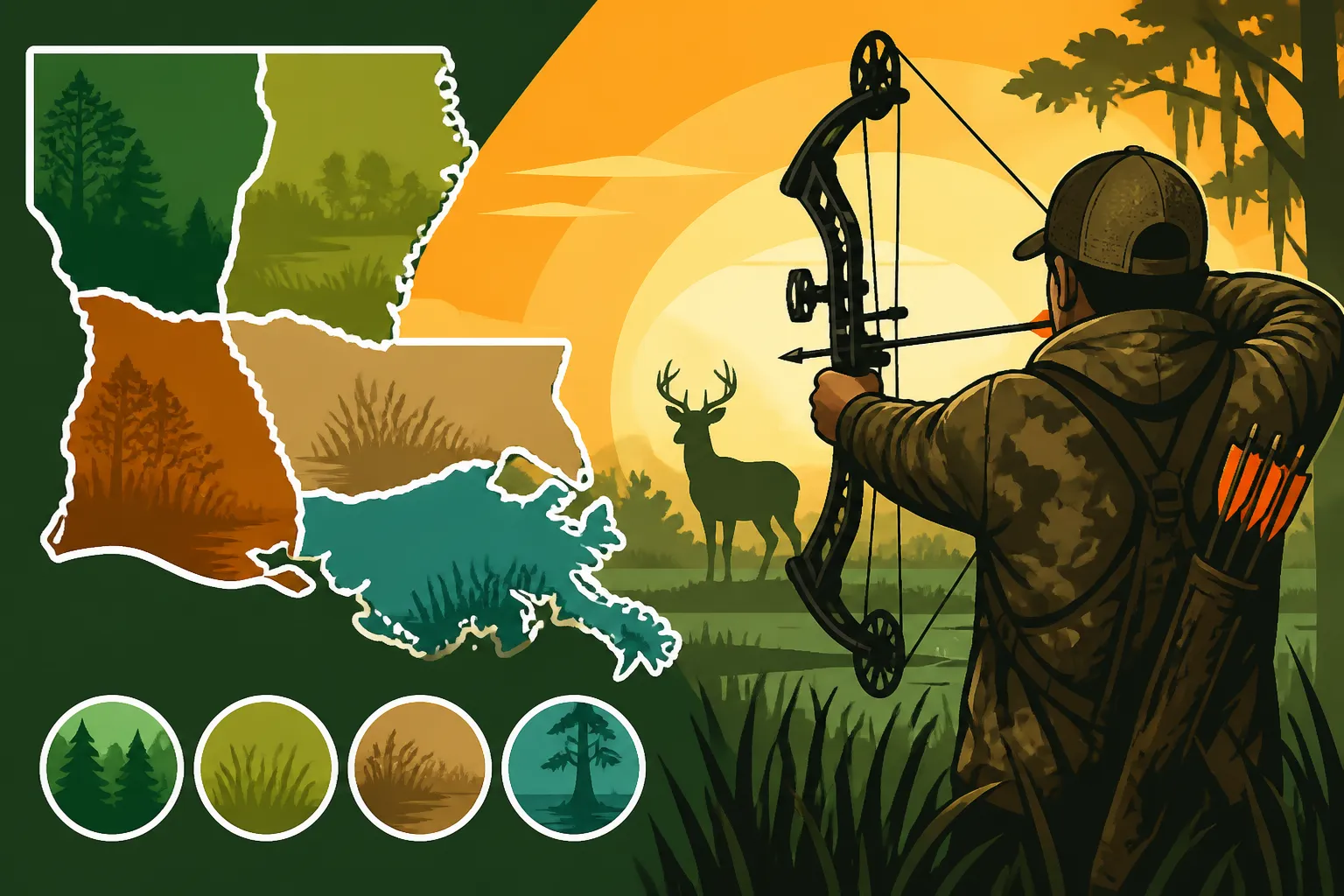
Louisiana Archery Opening Day by Area
Feeling lost when trying to figure out Louisiana's deer archery season? You're definitely not alone. It can feel like you need a secret decoder ring just to keep track of all the different opening days across our beautiful state. Nobody wants to miss out on those crisp early mornings in the stand, but juggling area-specific regulations and wondering if your favorite spot is even open yet is a common headache. This guide will cut through the confusion, clearly laying out the archery opening days for each of Louisiana's distinct deer management areas so you can plan your hunts with confidence.
Understanding Louisiana's Archery Season Structure
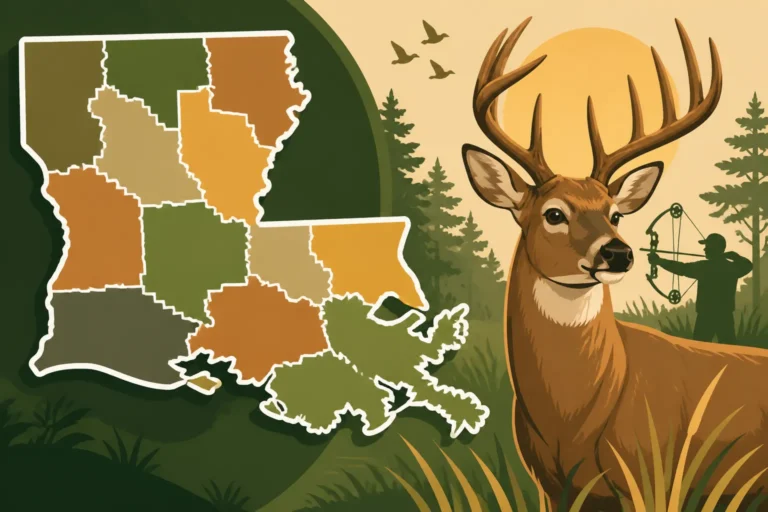
Louisiana's deer hunting seasons are incredibly diverse, and the archery portion is no exception. Unlike a blanket opening day across the entire state, our wildlife managers have carved the state into ten distinct deer areas, each with its own set of regulations, including unique archery opening and closing dates. This system, while sometimes a little complex to navigate, is actually a really smart way to manage our deer herd, balancing hunting pressure with population health and local rut timing.
Why Archery Dates Vary Across the State
The primary reason for these varied opening dates boils down to effective deer management. Different regions of Louisiana have different deer populations, habitat types, and even different peak rut timings. For example, some areas might have a denser deer population that can sustain an earlier, longer season, while others might need a slightly later start to allow for more antler growth or to manage doe populations more carefully. The Louisiana Department of Wildlife and Fisheries (LDWF) collects a ton of data, from harvest reports to herd health assessments, to fine-tune these dates. It’s all about creating hunting opportunities while ensuring a healthy, sustainable deer population for generations to come. This careful planning also helps distribute hunting pressure, especially on public lands, preventing every hunter from crowding the woods on one single opening day.
How to Find Your Specific Deer Area
Before you can pinpoint your archery opening day, you absolutely need to know which of Louisiana's ten deer areas your hunting property or intended public land falls into. This is probably one of the most common points of confusion for new hunters, and even seasoned folks can sometimes forget which area a particular parish or WMA belongs to. The LDWF provides detailed maps, often broken down by parish, that clearly delineate these areas. You can usually find these maps in the yearly Hunting and Fishing Regulations pamphlet, or even more conveniently, through the LDWF's online resources. Tools like the GoHunt app are fantastic for this, allowing you to overlay deer areas onto satellite maps, making it super easy to confirm your location. Knowing your area is the first, most crucial step in planning your hunt and understanding the rules. It's truly the foundation of knowing when and where you can legally pursue deer with your bow. If you’re ever in doubt, a quick check with the official LDWF site or a call to a local field office can save you a lot of grief. To get a broader picture of these zones, it's worth checking out our comprehensive guide on Louisiana's Ten Deer Hunting Areas Explained.
Archery Opening Days by Louisiana Deer Area
Let's dive into the specifics of when you can hit the woods with your bow across the state. Remember, these dates are for private lands; public Wildlife Management Areas (WMAs) often have different, more restrictive dates, so always double-check the WMA regulations if you're hunting public ground.
The Early Birds: Areas 2, 4, 10
These areas typically kick off the archery season earlier than others, giving hunters in these regions a head start. For the 2023-2024 season, Areas 2, 4, and 10 generally opened for archery on September 16th. This early start means you're often dealing with significant heat and humidity, along with dense foliage, but it also provides a unique opportunity to pattern deer before they've been heavily pressured. These areas often encompass parts of central and northern Louisiana, where specific habitat types or population dynamics allow for an earlier season. The excitement of an early opening day, however, comes with its own set of challenges, especially when it comes to keeping your cool in the stand and managing your scent. It’s a great time to be in the woods, even if the deer aren't moving quite as much in the midday heat.
Mid-Season Starts: Areas 1, 3, 7, 8
The majority of Louisiana's deer areas fall into this category, with archery season typically opening on October 1st for the 2023-2024 season. This includes Areas 1, 3, 7, and 8. By this point, the weather usually starts to show hints of cooling down, especially in the mornings, making for a more comfortable experience in the stand. The foliage might still be thick, but some early mast crops could be dropping, drawing deer into more predictable patterns. These areas span various parts of the state, from the piney woods to some of the river bottoms, and the October 1st start is a traditional kickoff for many hunters. This period can be particularly productive as deer transition from their summer patterns to fall feeding routines.
The Long Haul: Areas 5, 6, 9
These areas are truly for the dedicated archer, often boasting the longest seasons that extend well into February. For the 2023-2024 season, Areas 5, 6, and 9 also began their archery season on October 1st, but their closing dates often run through February 15th. This extended season is incredible for hunters who love to stay in the woods, offering opportunities to hunt pre-rut, rut, and post-rut phases, as well as late-season opportunities when deer are focused on remaining food sources. These areas often include vast tracts of marsh, agricultural lands, and some of the more productive deer habitats in the state, making the longer season a valuable tool for management and hunter satisfaction. The extended window gives you flexibility and a chance to experience the full spectrum of deer behavior throughout the fall and winter. For specific tactics during this extended period, consider exploring Hunting the Long Either-Sex Window in Areas 5, 6 and 9.
Here's a quick reference table for the general archery opening days for Louisiana's deer areas (based on the 2023-2024 season, always confirm with current LDWF regulations):
| Deer Area | General Archery Opening Day (2023-2024) | General Archery Closing Day (2023-2024) | Notes |
|---|---|---|---|
| Area 1 | October 1 | January 31 | |
| Area 2 | September 16 | January 31 | Early Start |
| Area 3 | October 1 | January 31 | |
| Area 4 | September 16 | January 31 | Early Start |
| Area 5 | October 1 | February 15 | Extended Season |
| Area 6 | October 1 | February 15 | Extended Season |
| Area 7 | October 1 | January 31 | |
| Area 8 | October 1 | January 31 | |
| Area 9 | October 1 | February 15 | Extended Season |
| Area 10 | September 16 | January 31 | Early Start |
Please note: These dates are for private lands. WMA dates can differ significantly and should always be checked directly with LDWF regulations for the specific WMA you plan to hunt.
Essential Tips for Early Archery Season Success
Louisiana's early archery season can be a completely different animal than hunting in late fall or winter. The heat, the bugs, and the deer behavior all present unique challenges. But with the right mindset and preparation, you can turn these challenges into opportunities.
Battling the Early Season Heat and Insects
One of the biggest hurdles for early archery hunters in Louisiana is, without a doubt, the heat and humidity. Those September and early October mornings can feel like walking into a sauna, and the mosquitoes, gnats, and horseflies are out in full force. This isn't just uncomfortable; it directly impacts your hunt. Sweating profusely means more human odor, which is a deer's worst enemy. To combat this, invest in lightweight, breathable hunting apparel that wicks moisture away from your skin. Scent control becomes even more critical now – think scent-eliminating sprays, ozone generators, and careful storage of your hunting clothes.
Beyond scent, bug control is paramount. A thermacell is practically mandatory for early season in Louisiana; it creates a bubble of protection that can make sitting still bearable. Without one, you'll be swatting constantly, making noise, and moving too much to stay concealed. Consider setting up stands along shaded travel corridors or near water sources where deer might frequent to cool down. Early morning and late evening are your prime times, as deer will often bed down during the midday heat to conserve energy. For tips on managing the heat, check out our piece on Warm-Weather Sitting Strategy in Louisiana.
Adapting Your Tactics to Pre-Rut Deer Patterns
During the early archery season, especially in September and early October, deer patterns are often vastly different from what you'll see during the rut. Bucks are typically still in bachelor groups, focused heavily on food sources, and less on chasing does. Their movements are often dictated by bedding areas close to prime feeding spots, such as white oak stands dropping acorns, freshly cut agricultural fields, or lush green plots that got an early rain. You're unlikely to see widespread scraping or rubbing activity, and rattling or grunting calls might not be as effective as they would be later in the season.
Instead, focus your scouting on identifying these primary food sources and the most discreet travel routes deer are using to get to them. Trail cameras can be invaluable in this phase, helping you pinpoint exactly when and where deer are moving. Pay attention to subtle signs like fresh tracks, droppings, and browsed vegetation. If you're hunting public land, scouting before the season opens is vital to understanding these patterns before pressure changes them. For in-depth scouting advice, read our guide on Scouting Louisiana Public Land Before Season. This is a time for patience and precision, identifying those consistent patterns before the madness of the rut begins.
Gear Considerations for Warm Weather Bowhunting
Your gear choices can significantly impact your comfort and success during the early archery season. Beyond clothing and bug protection, think about your other equipment. Your broadheads need to be razor-sharp for quick, ethical kills, especially since deer hide can be tougher than you expect, and a poor shot in warm weather can lead to spoilage. Consider lighter, more minimalist setups for your stand or ground blind, reducing the amount of gear you have to lug through humid woods.
Hydration is also critical. Carry plenty of water or electrolyte drinks, and maybe even a small cooler with ice to keep your drinks cool. If you are successful, having a plan for immediate field dressing and cooling your deer is paramount to preserving the meat in the heat. A deer left for too long can spoil quickly. Moreover, ensure your crossbow meets all legal specifications if you choose to use one, as Crossbow Rules During Louisiana Archery Season do apply. Being prepared with the right gear ensures you’re not just comfortable, but also ready to execute a successful and ethical hunt when the opportunity arises.
Navigating Regulations and Resources
Hunting in Louisiana involves more than just knowing when the season opens. You need to understand the full suite of regulations, from licensing to reporting, and know how to use the available resources to your advantage.
Licenses, Tags, and Reporting Requirements
Before you even step foot in the woods, ensuring you have the correct Louisiana hunting licenses and deer tags is non-negotiable. Every hunter, resident or non-resident, needs a basic hunting license, and then a separate deer license or "big game add-on" that includes your deer tags. These tags are absolutely crucial, and you must validate and attach them to your harvested deer immediately after the kill.
Beyond that, Louisiana has a mandatory deer reporting system. After you harvest a deer, you are required to report it online or through the LDWF app within 72 hours. This data is vital for wildlife biologists to monitor herd health and population trends. Missing this step can result in fines, so it's essential to get into the habit of reporting your harvest. Checking your Louisiana Resident Hunting License Options and understanding the Louisiana Deer Tag Add-On Cost well in advance will save you any last-minute stress. Keep your license and tags accessible, whether on paper or digitally on your phone, because game wardens often conduct checks in the field.
Using Digital Tools for Archery Hunters
In today's world, digital tools have become indispensable for hunters, and Louisiana is no different. The official LDWF app is a fantastic resource, allowing you to purchase licenses, check regulations, find WMA information, and most importantly, report your deer harvest all from your smartphone. It's truly a game-changer for convenience and compliance.
Beyond the official app, third-party mapping applications like GoHunt offer incredibly detailed aerial imagery, topographical maps, and public/private land boundary overlays. These features are invaluable for scouting, especially on unfamiliar ground, and for ensuring you stay within legal hunting areas. You can mark stand locations, food plots, and deer sign, making your planning much more efficient. Many hunters also use these apps to track their movements, understand wind direction, and plan quiet entry and exit routes. Utilizing these digital aids can drastically improve your preparation and increase your chances of success during Louisiana's diverse archery season.
Disclaimer
The information provided in this guide is for general informational purposes only and is based on typical regulations for the 2023-2024 Louisiana hunting season. Hunting regulations, including season dates, bag limits, and specific rules for Wildlife Management Areas, can change annually. It is the hunter's sole responsibility to consult the most current official Louisiana Department of Wildlife and Fisheries (LDWF) Hunting and Fishing Regulations pamphlet and website before participating in any hunting activity. Always confirm all dates, rules, and licensing requirements directly with the LDWF to ensure compliance.