Moving a Deer Carcass Out of a CWD Zone
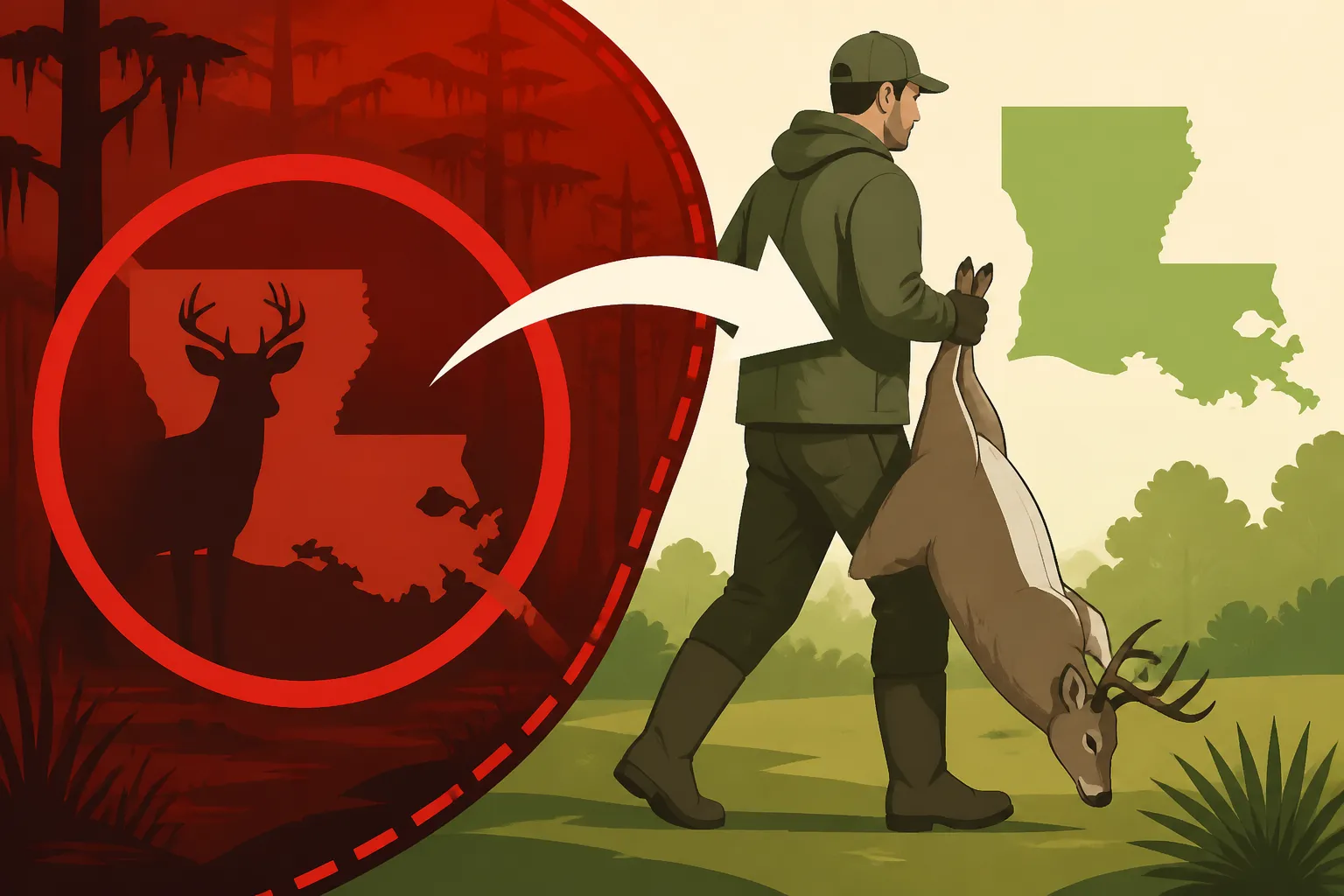
Heading out for a hunt in Louisiana, dropping a big buck, and then realizing you might not be able to take your prize home in one piece can be a real gut punch. The Louisiana Department of Wildlife and Fisheries (LDWF) has implemented strict rules, especially regarding Chronic Wasting Disease (CWD) zones, and knowing how to legally and safely handle your deer carcass is crucial. This guide is here to walk you through the nuances of moving a deer carcass out of a CWD zone, helping you avoid fines and, more importantly, do your part to protect our deer herd.
Understanding Louisiana's CWD Zones and Why They Matter
When you've spent countless hours scouting, preparing, and finally connected on a deer, the last thing you want to hear about is complicated regulations that might impact your harvest. But CWD is a serious, fatal neurological disease affecting deer, elk, and moose, and it poses a significant threat to Louisiana's cherished deer population. The rules aren't there to make your life harder; they're in place to safeguard the future of hunting in our state.
What is CWD and How Does it Spread?
Chronic Wasting Disease is often called "zombie deer disease" because of the horrific symptoms it causes in infected animals: severe weight loss, listlessness, neurological signs, and eventually death. It's caused by abnormal proteins called prions, which can persist in the environment for years. These prions are shed through saliva, urine, and feces of infected animals and can also be found in high concentrations in certain parts of a deer's carcass, like the brain, spinal cord, and lymph nodes.
The scary part is that CWD can spread directly from animal to animal or indirectly through contaminated soil and plants. Imagine a deer licking a mineral block or visiting a scrape that an infected deer has also used – that's how easily it can move. Once CWD takes hold in an area, it's incredibly difficult to eradicate, making prevention and containment our best defense. The long incubation period means a deer can be infected for months or even years without showing symptoms, looking perfectly healthy while still shedding prions into the environment. This makes seemingly healthy harvested deer a potential risk, which is why carcass movement is so tightly controlled.
Identifying Louisiana's Designated CWD Zones
Louisiana has been actively monitoring for CWD for years, and unfortunately, the disease has made its way into our state. The first confirmed case was found in Tensas Parish, which then triggered the creation of specific CWD Management Zones. These zones aren't just arbitrary lines on a map; they are carefully defined areas based on epidemiological data to contain and slow the spread of the disease. These zones include a core "Enhanced Mitigation Zone" where CWD has been detected, and a surrounding "Buffer Zone."
It's absolutely essential to know if the area you're hunting in falls within one of these zones. The LDWF provides detailed maps and information on their website and through their mobile app. Before you even head out to the stand, especially if you're venturing into unfamiliar territory, double-check these resources. A great tool like the GoHunt app, for instance, can often have overlay features that show public land boundaries and sometimes even specific CWD zone information, though you should always verify with official LDWF maps for the latest updates. You don't want to harvest a deer only to discover you're in a CWD zone and haven't made proper arrangements. For more specifics, understanding Louisiana's Chronic Wasting Disease Zones is crucial, and it’s important to stay informed on Louisiana's New CWD Management Zone Law as these regulations can evolve.
The Rationale Behind Carcass Movement Restrictions
The restrictions on moving deer carcasses out of CWD zones are designed to minimize the risk of inadvertently spreading those infectious prions to new areas. Think about it: if a hunter harvests an infected deer in a CWD zone, transports the entire carcass across the state, and then disposes of the remnants in their local trash or by burying them on their property, they could be unknowingly establishing a new hotspot for the disease.
The parts of the deer that pose the highest risk are those where prions concentrate: the brain, spinal cord, eyes, spleen, lymph nodes, and tonsils. By limiting the movement of these specific parts, the LDWF aims to keep the prions contained within the established CWD zones. This policy protects healthy deer herds in other parts of Louisiana, ensuring that hunters statewide can continue to enjoy the sport. It's a collective responsibility, and every hunter plays a vital role in preventing the further spread of CWD.
Navigating the Regulations for Carcass Movement
Once you've harvested a deer in a CWD zone, don't panic. The LDWF has established clear guidelines for what you can and cannot do. These regulations might seem a bit daunting at first, but with a little preparation and understanding, you can handle your harvest legally and responsibly.
Legal Processing and Transport Exceptions
The general rule is that certain high-risk parts of a deer harvested in a CWD zone cannot be transported out of that zone. However, there are crucial exceptions that allow hunters to still utilize their harvest. You can transport out of a CWD zone:
- Deboned meat: This is the safest and most widely accepted form of transport. All meat should be deboned, meaning no bone material remains.
- Quarters or other large pieces of meat: As long as all brain and spinal cord material, including the spinal column, is removed. This means the skull plate might be fine if thoroughly cleaned and free of brain matter.
- Cleaned skull plate or antlers: These are permissible if all brain tissue and other nervous system material are completely removed. This usually means boiling or power-washing the skull plate to ensure it's bone-white and clean.
- Skins or hides: These are generally low risk, but any brain matter or other high-risk tissues should be removed.
- Teeth: As long as they are cleaned and free of tissue.
What you cannot transport out of a CWD zone includes whole carcasses, intact heads (unless processed as described above), spinal columns, or any other part that hasn't been properly cleaned of high-risk tissues. The idea is to leave all the potentially infectious prions within the CWD zone. Many hunters opt to debone their deer immediately in the field to comply with these rules. This also makes the dragging job a whole lot lighter!
Mandatory Testing and Sampling Stations
If you harvest a deer within an Enhanced Mitigation Zone, mandatory CWD testing of your deer is required. This isn't optional; it's a critical part of the LDWF's surveillance efforts. Even in the Buffer Zone, voluntary testing is highly encouraged. The LDWF sets up numerous sampling stations, particularly during the early gun seasons, to make this process as convenient as possible for hunters. They'll collect a small tissue sample, typically from the lymph nodes near the jaw, which is then sent to a lab for testing.
It’s your responsibility to know where these stations are located and when they are open. The GoHunt app or LDWF website can help you locate the nearest one. Failure to present a deer for mandatory testing in an Enhanced Mitigation Zone could result in a violation. This data helps biologists track the disease, understand its prevalence, and inform future management strategies. To find out more about the process, check out Louisiana CWD Testing for Hunters and how to locate a Finding a Louisiana CWD Sampling Location.
Permissible Carcass Parts for Transport
Let's break down exactly what you can take home with you from a CWD zone, and how to prepare it. This table provides a clear overview:
| Carcass Part | Can Be Transported Out of CWD Zone? | Preparation Requirements |
|---|---|---|
| Deboned Meat | YES | All bone, brain, and spinal material must be removed. |
| Quarters/Meat Portions | YES | All spinal column, brain, and nervous system material must be removed. Bone can remain attached to the meat. |
| Cleaned Antlers | YES | Must be free of all meat and brain tissue. Skull plate is permissible if thoroughly cleaned (boiled/power-washed). |
| Hides/Skins | YES | Must be free of all head and spinal column material. No brain matter or high-risk tissues. |
| Skull Cap (for mount) | YES | Must be completely free of brain and nervous system tissue. Often requires professional cleaning or boiling. |
| Teeth | YES | Clean and free of any attached tissue. |
| Whole Carcass | NO | Absolutely no whole carcasses or intact heads (unless for immediate transfer to a CWD zone processor/taxidermist). |
| Brain/Spinal Column | NO | These are high-risk materials and must be left within the CWD zone or disposed of according to LDWF guidelines. |
| Internal Organs | NO | Organs (other than stomach contents) should be left at the kill site or disposed of properly within the CWD zone. |
This table provides a quick reference, but always refer to the most current LDWF regulations, as they can be updated.
Practical Steps for Hunters in a CWD Zone
It’s one thing to read the rules, and another to actually implement them when you’ve got a deer on the ground and daylight fading. Planning ahead is key, especially when hunting in or near a CWD zone. This forethought will save you a lot of hassle and ensure you stay within the law.
Field Dressing and Quartering Safely
The moment of truth arrives, and you've got your deer. If you're in a CWD zone, your first steps are crucial. The safest and most compliant method is to field dress and quarter your deer on site. This means removing the internal organs (which should be left at the kill site, well away from water sources and roadsides), and then breaking the deer down into its major muscle groups.
Here’s a general approach:
- Field Dress: Carefully remove all internal organs. Leave them at the kill site.
- Skin: If you can, skin the deer in the field. This significantly lightens the load and removes another potential carrier of contamination (though hides are generally safe for transport if clean).
- Quarter: Separate the deer into four quarters, removing the backstraps and tenderloins. The goal is to completely debone the meat. This will mean leaving the spinal column, pelvis, and rib cage at the kill site. Be sure to use clean tools and sanitize them afterward.
- Tagging: Remember to properly tag your deer immediately after harvest, as required by Louisiana Deer Reporting Requirements.
This process can be a bit messy and time-consuming, especially if you're not used to it, but it’s the most effective way to comply with carcass movement restrictions. Consider watching some instructional videos or practicing on a non-CWD zone deer if you’re new to quartering in the field. It’s also important to dispose of any remaining carcass parts appropriately within the CWD zone. Check with LDWF for specific disposal recommendations for Handling Venison From a CWD Management Zone if you have questions.
Utilizing Local Processors or Taxidermists
Sometimes, field quartering isn't practical or preferred. Maybe you hit that once-in-a-lifetime buck, and you want to ensure the cape is handled perfectly for taxidermy, or you just don't have the tools or time to process it yourself. In such cases, if you're hunting in a CWD zone, your best bet is to find a licensed meat processor or taxidermist located within that same CWD zone.
These professionals are familiar with the regulations and equipped to handle the high-risk carcass parts responsibly. They can process your deer into deboned meat, prepare your skull plate for transport, or cape your trophy while ensuring all CWD-risk materials are disposed of correctly within the zone. Before your hunt, do your homework and identify a few reputable businesses in the area. A quick search using terms like "Tensas Parish deer processor" or "CWD zone taxidermist" can yield good results. Call them beforehand to confirm their CWD policies and turnaround times. This pre-planning can save you a huge headache after a successful hunt.
Planning Ahead for Your Harvest
Preparation is the hunter’s best friend, especially in CWD zones. Don’t wait until you’ve got a deer down to figure out your next steps.
- Know Your Zone: Before every hunt, verify if your hunting area is in a CWD zone using the latest LDWF maps. This simple step can prevent serious complications. You can often check this information via the GoHunt app or other mapping software that overlays hunting zones.
- Pack the Right Gear: If you plan to field quarter, bring a sharp knife, a bone saw (or a reciprocating saw with a clean blade if you're bold!), game bags to keep your meat clean, and disposable gloves. A tarp or ground cover can also make the process cleaner.
- Identify Resources: Have a list of CWD sampling stations, local processors, and taxidermists in the zone saved on your phone. Note their hours of operation and contact information.
- Educate Your Hunting Partners: Ensure everyone in your hunting party understands the CWD regulations and their responsibilities. Knowledge shared is compliance achieved.
- Cooling Strategy: Even if you're processing in the field, you still need a plan to cool your meat quickly, especially in Louisiana’s warm climate. Large coolers with plenty of ice are essential.
By taking these proactive steps, you turn a potential regulatory nightmare into a smooth, legal, and responsible harvest. This commitment not only protects you from penalties but, more importantly, protects Louisiana's invaluable deer resource.
Consequences of Non-Compliance and Future Outlook
Ignoring CWD regulations isn't just a minor infraction; it carries significant consequences and undermines the broader conservation efforts in Louisiana. Understanding the seriousness of these rules helps underscore why every hunter's cooperation is so critical.
Penalties for Violating CWD Regulations
The LDWF takes CWD violations very seriously because of the immense threat the disease poses to the state's wildlife. Transporting an illegal deer carcass or parts out of a CWD zone, or failing to report a deer for mandatory testing in an Enhanced Mitigation Zone, can result in substantial fines. These fines can range from hundreds to thousands of dollars, depending on the severity and nature of the violation.
Beyond financial penalties, you could also face imprisonment, forfeiture of your harvested deer, and even the suspension or revocation of your hunting license. Imagine losing your privilege to hunt in Louisiana, all because you didn't properly handle a deer carcass. These are not minor consequences; they are designed to deter behaviors that could jeopardize the health of our entire deer herd and the future of hunting in our state. It's a stark reminder that staying informed and compliant is not just about avoiding a ticket, but about protecting a cherished tradition.
The Importance of Hunter Cooperation
The fight against CWD cannot be won by biologists and game wardens alone; it requires the full cooperation of every hunter. Hunters are the first line of defense, the eyes and ears in the field. When hunters adhere to carcass movement restrictions, participate in mandatory testing, and report suspicious-looking deer, they directly contribute to the containment and management of this disease.
Think of it as protecting your investment. You invest time, money, and passion into hunting. CWD threatens that investment by potentially decimating deer populations and reducing hunting opportunities. By working together, by adhering to regulations like those detailed in Louisiana Carcass Movement Restrictions, we help ensure that future generations can enjoy healthy deer herds and the rich tradition of hunting in Louisiana. It’s about being a responsible steward of the resource, making sacrifices today to secure a better tomorrow for our wildlife.
Louisiana's Ongoing Efforts to Combat CWD
The LDWF is not sitting idly by as CWD poses a threat. They are engaged in a multi-faceted approach to combat the disease, including:
- Surveillance and Monitoring: Extensive testing across the state, particularly in CWD zones, to track the spread and prevalence of the disease. Information gathered from mandatory and voluntary testing, including insights from How Many Deer Have Tested CWD-Positive in Louisiana, is crucial.
- Research: Collaborating with universities and other agencies to better understand CWD, its transmission, and potential management strategies.
- Public Education: Providing hunters and the public with up-to-date information on CWD and how they can help.
- Regulation Adjustments: Continuously reviewing and adjusting hunting regulations, such as baiting bans in The Enhanced Mitigation Zone Baiting Ban and The CWD Buffer Zone Baiting Rules, to minimize disease transmission risks.
- Carcass Disposal Sites: Exploring and implementing safe carcass disposal options within CWD zones.
These efforts are ongoing and require significant resources. Your compliance with the regulations, as well as your participation in programs like mandatory testing, directly supports these critical initiatives. It’s a challenging road ahead, but with a united front from Louisiana’s hunting community, we can make a difference in safeguarding our deer population from CWD.
Disclaimer
The information provided in this article is for general guidance only and is not a substitute for official legal advice or the most current regulations from the Louisiana Department of Wildlife and Fisheries (LDWF). Hunting regulations, especially those pertaining to Chronic Wasting Disease (CWD), can change rapidly. Always consult the official LDWF hunting regulations and CWD advisories before heading afield to ensure full compliance with state law.