Louisiana’s New CWD Management Zone Law
The threat of Chronic Wasting Disease (CWD) casts a long shadow over Louisiana's deer hunting community, bringing with it a mix of worry, confusion, and frustration. When CWD was first detected in our state, it signaled a pivotal moment, leading to the implementation of strict new regulations designed to protect our precious deer herd. This comprehensive guide aims to demystify Louisiana's new CWD Management Zone Law, breaking down what these changes mean for you as a hunter, from mandatory testing to carcass handling and baiting restrictions.
Understanding Chronic Wasting Disease and Its Threat to Louisiana
For many years, CWD felt like a distant problem, something affecting deer herds in other states, far from our cypress swamps and piney woods. But that all changed, and now, understanding this disease is crucial for every Louisiana deer hunter. It's not just a set of rules; it's about safeguarding the future of deer hunting in our beloved state.
What Exactly is CWD?
Chronic Wasting Disease is a progressive, fatal neurological disease affecting cervids, which include deer, elk, reindeer, sika deer, and moose. It's caused by abnormal proteins called prions, not a virus or bacteria. These prions essentially turn a deer's brain into a spongy mess, leading to a host of debilitating symptoms over time. Imagine watching a once vibrant, healthy animal slowly deteriorate, becoming emaciated, exhibiting abnormal behaviors, excessive salivation, and a vacant stare. It's a truly heartbreaking sight for anyone who cares about wildlife.
The insidious nature of CWD lies in its transmissibility. It can spread directly from animal to animal through contact with saliva, urine, feces, blood, or antler velvet. But even more concerning is its ability to persist in the environment for years, even decades, through contaminated soil, plants, and water. This means a CWD-infected deer can shed prions, and those prions can remain viable in the environment, infecting other deer long after the original carrier is gone. There's currently no vaccine or cure, and once an animal contracts CWD, its fate is sealed. The potential long-term impact on deer populations, including reduced deer numbers and a decline in herd health, is a serious concern for biologists and hunters alike.
Louisiana's CWD Journey: From First Case to New Laws
For years, the Louisiana Department of Wildlife and Fisheries (LDWF) proactively tested deer across the state, hoping to keep CWD at bay. Despite those efforts, the inevitable happened in early 2022 when the first confirmed case of CWD was detected in a wild white-tailed deer in Tensas Parish. This single detection sent ripples through the hunting community and immediately triggered a response from the LDWF. It transformed CWD from a theoretical threat to a very real, local problem that demanded immediate and decisive action.
Following the initial detection, further testing unfortunately revealed more positive cases. While Tensas Parish continues to be a focal point, the detection of CWD in other parishes, such as Ouachita Parish, later in 2023 further solidified the need for robust management strategies. Understanding how CWD reached Tensas Parish and why Ouachita Parish's case worried biologists are critical pieces of the puzzle for every hunter. These additional detections underscored the reality that the disease was present and spreading, necessitating swift and comprehensive regulations to attempt to contain it. The new CWD Management Zone Law wasn't just pulled out of thin air; it was a direct, science-backed response to confirmed cases in the field and the pressing need to protect the health of Louisiana's deer herd and the tradition of deer hunting.
Navigating Louisiana's CWD Management Zones
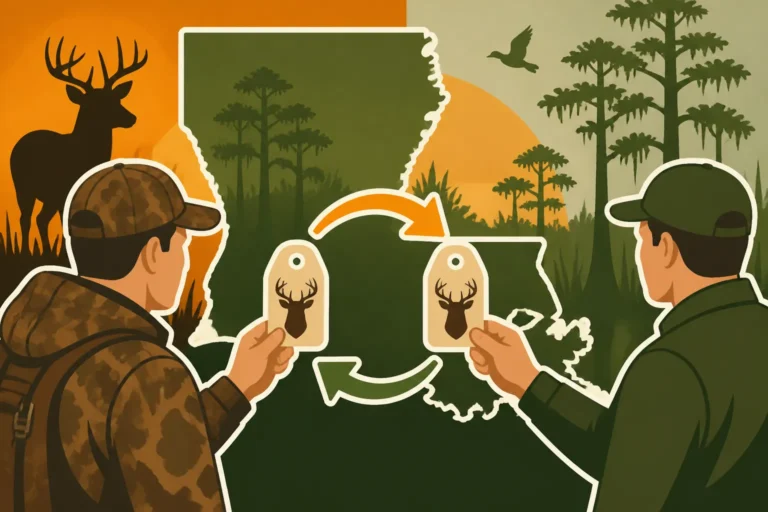
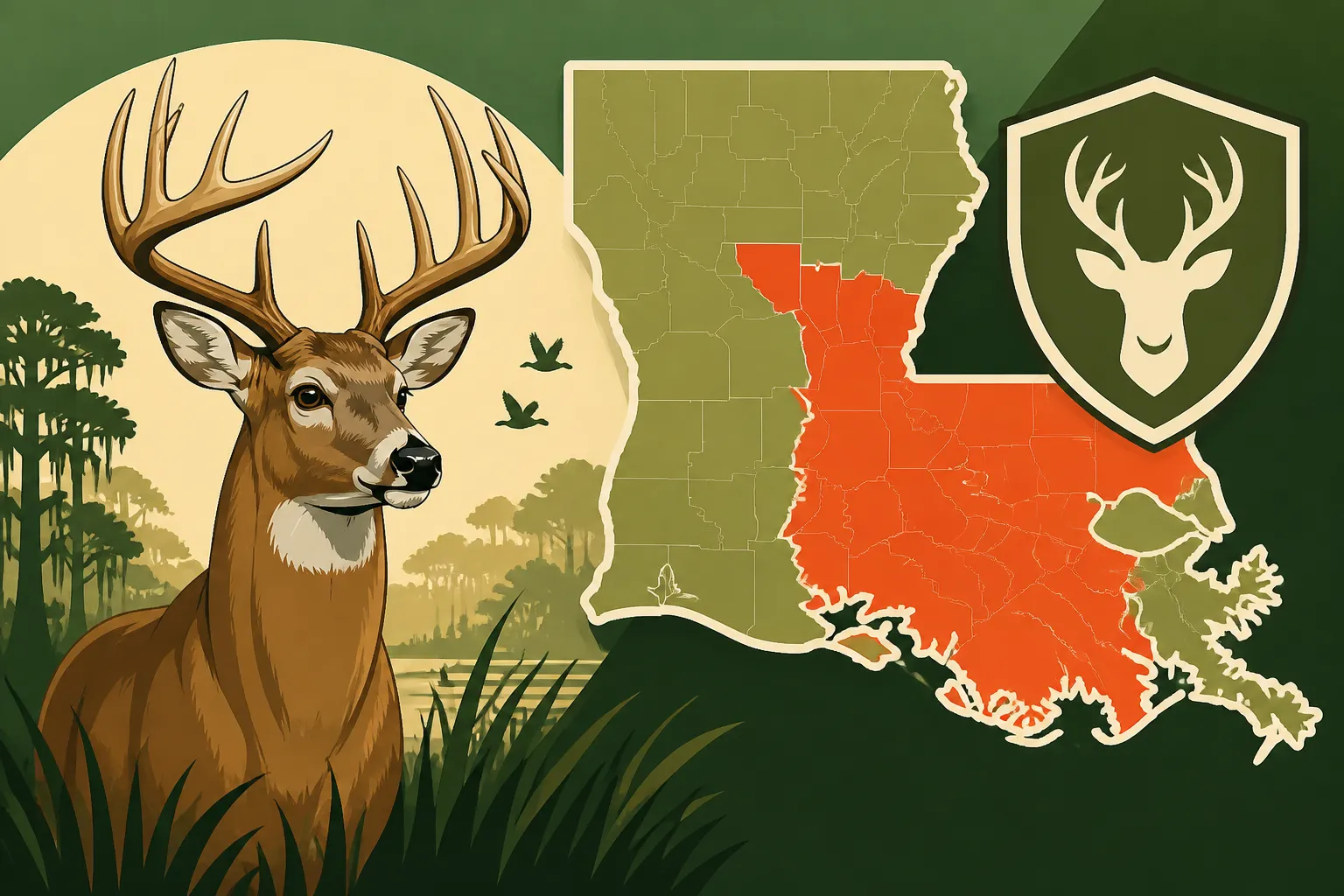
With the confirmed presence of CWD, the LDWF quickly established a system of CWD Management Zones. These aren't just arbitrary lines on a map; they are strategic designations based on the proximity to confirmed CWD cases, each carrying specific rules and restrictions designed to mitigate the spread of the disease. Understanding which zone you're hunting in is paramount, as the regulations can differ significantly and directly impact your hunting activities.
Enhanced Mitigation Zones (EMZ) Explained
The most restrictive areas are known as Enhanced Mitigation Zones (EMZs). These zones are established in and around areas where CWD-positive deer have been confirmed. The goal here is aggressive monitoring and reduction of any potential for disease transmission. As a hunter in an EMZ, you're looking at a stricter set of rules designed to isolate and manage the disease.
Currently, parishes like Tensas and Concordia Parishes have portions designated as EMZs. If you find yourself hunting within one of these areas, you'll encounter mandatory CWD testing requirements for all harvested deer during specific periods. This means taking your deer to a designated sampling station, often an LDWF check station or a participating taxidermist/processor, to have a sample taken for CWD testing. Furthermore, carcass movement out of an EMZ is severely restricted. You generally cannot transport whole carcasses, or even parts considered "high-risk" (like brains or spinal cords), outside the zone. Only deboned meat, clean skull plates, hides, or taxidermy products are allowed to leave. Perhaps one of the most impactful rules for many Louisiana hunters is the complete ban on baiting and supplemental feeding within EMZs. This is a tough pill for many to swallow, but it's crucial for preventing deer from congregating, which would otherwise facilitate disease transmission. Knowing which fourteen parishes sit in a CWD Zone is crucial before you even head out.
Buffer Zones and Their Regulations
Surrounding the Enhanced Mitigation Zones are what the LDWF refers to as Buffer Zones. These areas are considered to be at a higher risk for CWD detection due to their proximity to known positive cases, but they do not yet have confirmed cases within their immediate boundaries. Think of them as a precautionary ring, where measures are taken to prevent the disease from establishing a foothold. While the rules in a Buffer Zone are less stringent than in an EMZ, they are still significant and require careful attention from hunters.
The primary difference you'll notice in a Buffer Zone is that while mandatory CWD testing for harvested deer is not typically in effect, voluntary testing is strongly encouraged. Hunters are asked to submit samples if they harvest a deer, and the LDWF provides locations for this. Carcass movement restrictions still apply, albeit with some nuances. You generally cannot transport a whole carcass out of a Buffer Zone without first getting it tested or having the high-risk parts removed. The aim is to limit the potential spread of prions if an undetected CWD-positive deer were to be harvested. When it comes to baiting, Buffer Zones also have restrictions. While not a complete ban like in EMZs, there are often limitations on the amount, type, or placement of bait. It's essential to consult the most current LDWF regulations for the specific Buffer Zone you plan to hunt. Understanding how the fifteen-mile CWD Zone radius works helps explain the geographical scope of these rules.
Critical Rule Changes for Hunters in CWD Zones
The new CWD Management Zone Law introduces several significant changes that directly affect how you plan and execute your deer hunt in Louisiana. These aren't just minor adjustments; they require a fundamental shift in approach for many hunters, from how you prepare your harvest to where you can place a feeder.
Mandatory Testing and Sampling Requirements
If you're hunting in an Enhanced Mitigation Zone (EMZ) during specific open deer seasons, mandatory CWD testing is no longer an option – it's a requirement. This means every deer you harvest during these periods must be sampled for CWD. This process is designed to help the LDWF monitor the disease's prevalence and spread, gathering critical data needed for long-term management strategies. It's a collective effort, and your compliance is vital to the success of these programs.
So, what does this actually look like for you after a successful hunt? First, you'll need to locate an approved sampling station. These can include official LDWF check stations, strategically placed self-serve kiosks, or participating private partners such as taxidermists and wild game processors. The LDWF provides resources, including their mobile app and website, to help hunters find the nearest sampling location. Using the LDWF app can be incredibly helpful for finding a Louisiana CWD sampling location quickly. At the station, an LDWF agent or trained personnel will collect a small tissue sample, typically from the deer's brainstem or lymph nodes, which is then sent off for laboratory analysis. While waiting for results, you must adhere to carcass movement restrictions. This mandatory testing inside a Louisiana CWD Zone is a cornerstone of the state's CWD management plan.
Carcass Movement Restrictions: What You Can and Can't Do
This is perhaps one of the most frustrating, but absolutely necessary, regulations for hunters in CWD zones. The core principle behind carcass movement restrictions is to prevent the physical spread of CWD prions from an infected area to a clean area. Prions are most concentrated in what are called "high-risk" parts of the deer: the brain, spinal cord, eyes, spleen, and lymph nodes. These are the parts that pose the greatest risk for disease transmission.
To comply with the law and protect other areas of the state, hunters harvesting a deer in an EMZ or Buffer Zone generally cannot transport the whole carcass outside of that zone. Instead, you're typically allowed to move only certain "low-risk" parts. This includes deboned meat, which means all muscle tissue that has been separated from the bone. Other permissible parts often include clean skull plates (with no brain or spinal cord tissue attached, often bleached), hides (without the head), and antlers that are completely free of any soft tissue. If you're planning to take your trophy to a taxidermist outside the zone, the skull cap must be completely free of brain matter and spinal cord material. This usually means a thorough cleaning at a local processor or taxidermist within the CWD zone before transport. This rule about moving a deer carcass out of a CWD Zone is crucial for preventing the further spread of the disease and requires careful planning post-harvest.
Here's a quick reference for carcass movement:
| Carcass Part | EMZ or Buffer Zone Transport Rules |
|---|---|
| Whole Carcass | PROHIBITED outside of the zone. |
| Deboned Meat | ALLOWED outside of the zone. |
| Clean Skull Plate | ALLOWED outside of the zone (free of brain/spinal tissue). |
| Antlers | ALLOWED outside of the zone (free of soft tissue). |
| Hides | ALLOWED outside of the zone (no head attached). |
| Spinal Cord / Brain | PROHIBITED outside of the zone. |
| Organs (spleen, etc.) | PROHIBITED outside of the zone. |
The Baiting Ban and Its Impact on Hunting Strategies
For many Louisiana hunters, baiting has long been a staple tactic, especially for attracting deer to a specific location for an archery shot or during firearms season. The baiting ban in CWD zones, particularly the Enhanced Mitigation Zones, represents a significant shift that requires hunters to re-evaluate their entire approach to finding and harvesting deer. It's a tough change, but it's rooted in science and disease prevention.
Understanding the Baiting Ban in EMZs
In an Enhanced Mitigation Zone (EMZ), the ban on baiting and supplemental feeding is absolute. This isn't just about corn piles; it includes any natural or artificial substance that could attract or concentrate deer. This means no corn, no minerals, no protein pellets, no sweet feed, no food scraps, no attractants like deer lures or blocks – absolutely nothing that encourages deer to gather. Even seemingly innocuous mineral licks fall under this ban. The reason behind this strict rule is straightforward: deer congregating around a bait site significantly increases the chances of direct contact between animals and the contamination of the environment with infectious prions. Imagine a dozen deer routinely visiting the same spot, urinating, defecating, and salivating. If one of those deer is CWD-positive, the potential for other deer to contract the disease is astronomically high.
This regulation, known as the enhanced mitigation zone baiting ban, is designed to disrupt these congregation patterns, forcing deer to disperse and hopefully reducing the rate of CWD transmission. While it undoubtedly makes hunting more challenging for those accustomed to baiting, it's a critical tool in the fight to slow the spread of CWD and protect the overall health of the deer herd. It requires hunters to go back to basics, relying more heavily on traditional woodcraft and understanding deer behavior in their natural habitat.
Adapting Hunting Tactics Without Bait
The baiting ban, while challenging, is also an opportunity to hone your skills and embrace more traditional hunting methods. It pushes you to become a better, more observant hunter, forcing you to focus on deer patterns dictated by nature rather than artificial attractants. Instead of relying on a corn pile, you'll need to become intimately familiar with natural food sources, bedding areas, and travel corridors.
Start by intensely scouting your hunting area, both before the season and throughout. Look for hard mast like acorns (especially after a poor acorn year), soft mast like persimmons, and browse that deer prefer. Identify natural funnels created by terrain features, thick cover, or water bodies. Deer will use these natural pinch points to travel between bedding and feeding areas. Understanding how to read aerial photos for central Louisiana deer can give you a massive advantage here, revealing hidden trails, natural funnels between two sloughs, and prime bedding locations that you might otherwise overlook. Tools like GoHunt can be invaluable for analyzing satellite imagery and topo maps to pinpoint these features before you even set foot in the woods. Pay attention to wind direction and thermals in swamp bottomland, as these will dictate deer movement and your approach. Consider focusing your efforts on edges – field edges, timber edges, or clear-cut regrowth edges – where deer feel secure moving at dusk and dawn. Late-season food sources for Louisiana whitetails will become paramount as natural browse diminishes. This shift back to fundamental hunting skills will not only make you a more versatile hunter but also a more ethical one, as you become deeply connected to the natural rhythms of the deer and their environment. Don't forget the importance of scouting Louisiana public land before season, as this will be your best friend without the option of bait.
Practical Implications and Future Outlook
The new CWD Management Zone Law isn't just a temporary hurdle; it represents a long-term commitment to managing CWD in Louisiana. For hunters, this means a sustained period of adaptation, education, and vigilance. It's about more than just checking boxes; it's about understanding your role in a much larger conservation effort.
Hunter Responsibility and Compliance
Ultimately, the success of Louisiana's CWD management efforts rests heavily on the shoulders of individual hunters. Your commitment to understanding and complying with the regulations within CWD zones is paramount. This isn't just about avoiding a ticket; it's about ethical hunting and contributing to the health of the entire deer herd. Every hunter has a responsibility to minimize the risk of spreading CWD. This includes properly disposing of carcass remains, complying with testing requirements, and adhering to baiting bans.
If you observe a deer that appears sick or exhibits unusual behavior—such as extreme emaciation, stumbling, or excessive drooling—it's crucial to report it to the LDWF. Reporting a sick animal in Louisiana allows biologists to investigate potential new cases and track the disease's movement. By actively participating in these efforts, you're not just a hunter; you're a vital part of the solution, helping to ensure that future generations can enjoy the rich tradition of deer hunting in Louisiana. Remember, ignorance of the law is no excuse, and staying informed is your best defense against inadvertently contributing to the spread of CWD.
The Long-Term Fight Against CWD
CWD is a persistent and complex disease, and its management is not a sprint, but a marathon. The LDWF is continuously engaged in Louisiana wildlife disease monitoring, research, and surveillance to track the disease, understand its prevalence, and adapt management strategies as new information becomes available. This means that the CWD zones and associated regulations could change over time. New detections might lead to expanded EMZs or Buffer Zones, or, hopefully, if mitigation efforts prove successful, some restrictions could eventually be eased in certain areas.
Hunters should anticipate that managing CWD will be an ongoing process for the foreseeable future. This necessitates a commitment to staying informed about the latest regulations, CWD zone boundaries, and testing protocols. Resources like the LDWF website, official publications, and even hunting platforms such as GoHunt, which often provide regulatory updates, are essential tools for every conscientious hunter. Furthermore, understanding how to properly handle venison from a CWD Management Zone, even after testing, is an important aspect of food safety and compliance. By remaining vigilant, adaptable, and supportive of the LDWF's efforts, Louisiana hunters can play a pivotal role in protecting the state's white-tailed deer population for generations to come.
Disclaimer
The information provided in this guide is for general educational purposes only and is not intended as legal advice. Hunting regulations, including those related to CWD, can change frequently. Always consult the official Louisiana Department of Wildlife and Fisheries (LDWF) regulations and proclamations for the most current and accurate information before engaging in any hunting activities. Compliance with all state and federal laws is the sole responsibility of the hunter.