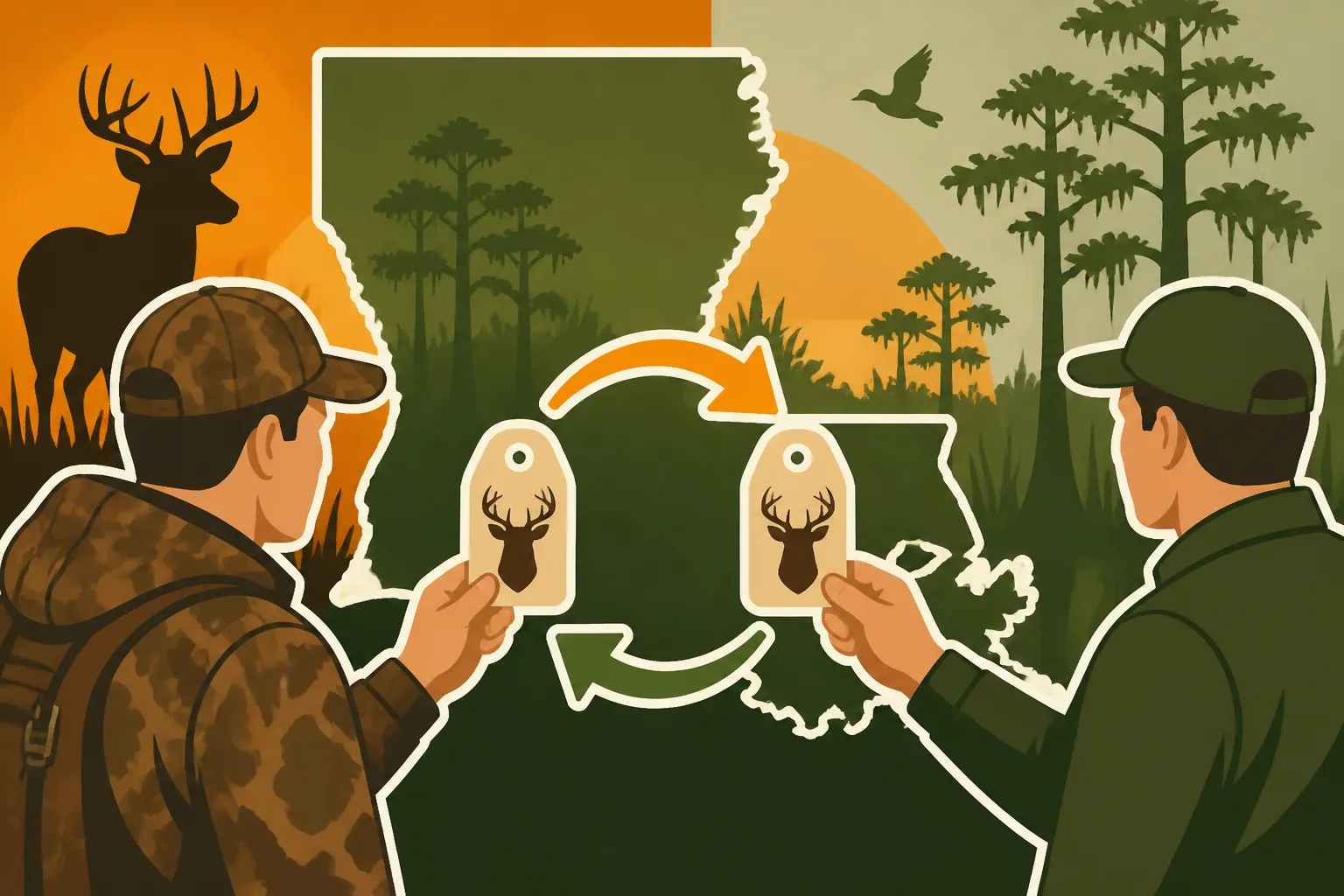
Louisiana Deer Tag Transfer Rules
Navigating the ins and outs of deer hunting regulations in Louisiana can feel like trying to untangle a fishing line after a particularly rough day on the water. One of the most common points of confusion and frustration among hunters, especially those new to the state or just getting into the swing of things, revolves around whether you can transfer your deer tags to another hunter. This guide is here to clear up that murky water, explaining precisely why and how deer tags work in Louisiana, and what the rules really mean for you and your hunting buddies.
Understanding the Basics of Louisiana Deer Tags
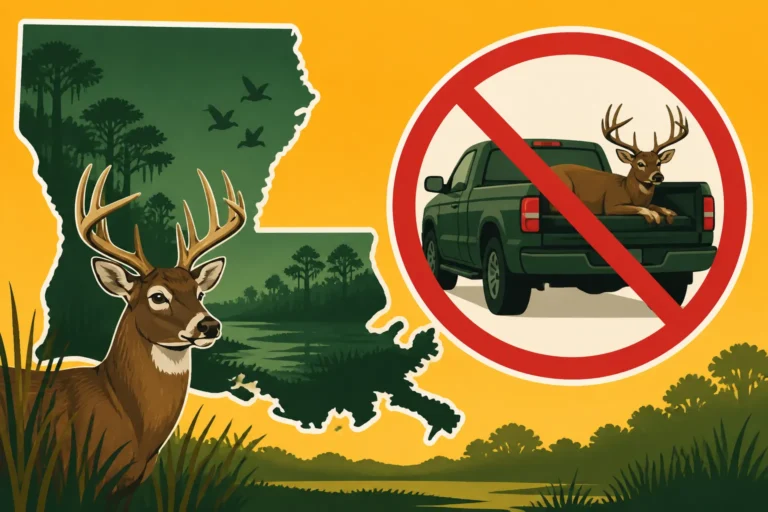
Let's cut right to the chase: in Louisiana, your deer tags are intrinsically linked to you, the hunter who purchased them. They are not designed to be transferable. This is a foundational principle of wildlife management, ensuring accountability and accurate harvest data, which ultimately helps maintain healthy deer populations across the state.
Personal Use and Non-Transferability
When you purchase your hunting license and those essential deer tags, whether it's through the Louisiana Department of Wildlife and Fisheries (LDWF) website or a local vendor, those tags are issued directly to you. Each tag carries your unique hunter identification and is intended solely for a deer you harvest. It's a system built on individual responsibility, which makes a lot of sense when you think about it. If tags could be freely passed around, it would quickly become impossible for the LDWF to track harvest numbers accurately, leading to potential overharvesting in some areas and an inability to manage deer populations effectively. Imagine trying to manage a pantry if everyone could just swap their grocery receipts – pure chaos!
This non-transferability means you cannot, under any circumstances, give an unused deer tag to your friend, your spouse, or even your child (unless they are also licensed and using their own tags for their own harvest). This is a common misconception, especially in hunting camps where folks might feel a sense of communal ownership over their efforts. But the law is clear: your tags are yours alone for the deer you personally take. It's a crucial piece of understanding for any responsible hunter in our great state.
The Digital System and Hunter ID
Louisiana has embraced a modern approach to licensing and tagging, moving largely to a digital system. When you buy your license and tags, they are linked to your specific hunter identification number. This integration streamlines the process of managing your hunting privileges, ensuring that all your tags, stamps, and certifications are readily accessible, often right on your phone through the LDWF app or other similar platforms. Tools like GoHunt can help you keep all your licensing information organized digitally, making it easier to reference your current tags and reporting requirements.
The digital system plays a huge role in reinforcing the non-transferability rule. Each tag, though digital, is still a unique identifier associated with your license. When you harvest a deer, you're required to validate that kill, usually through the LDWF mobile app or online portal, and that validation is tied directly to your hunter ID and your tag. This instantaneous reporting mechanism helps LDWF biologists get real-time data on harvest trends, allowing them to make informed decisions about future seasons and bag limits. It’s all about protecting our resource for future generations, and that starts with accurate reporting from every single hunter.
Specific Scenarios Where "Transfer" Might Be Considered
While the general rule is clear – no transferring tags – there are several scenarios where hunters might mistakenly believe a transfer is permissible or wonder how to handle particular situations. Let's break down these common gray areas to ensure you stay compliant and ethical in the field.
Youth Hunters and Apprentice Licenses
One area of frequent questioning involves youth hunters and those hunting under an apprentice license. It’s wonderful to see new hunters, especially young ones, getting introduced to our traditions, and Louisiana has specific provisions to encourage this. However, these programs do not involve transferring tags from an adult to a youth. A youth hunter, once they meet the minimum age and complete the necessary hunter education requirements (or hunt under the direct supervision of a licensed adult mentor via an Apprentice Hunter License Rules), must purchase their own hunting license and deer tags.
When a youth harvests a deer, it must be tagged with one of their own valid deer tags. The supervising adult cannot use one of their tags for the deer the youth shot. This principle applies equally to hunters utilizing an apprentice license; while they must be directly supervised by a licensed hunter, they are still responsible for tagging any game they harvest with their own legally acquired tags. This teaches personal responsibility from the get-go and ensures that every deer harvested is correctly accounted for under the individual hunter’s limits. Remember, even though you might be guiding them, that deer is theirs to tag and report.
Retrieving Game for Another Hunter
Another common situation arises when a hunting partner shoots a deer, and you, as a good friend or family member, assist in the tracking and retrieval. It's an unwritten rule of hunting camaraderie that you help your buddy out. However, even if you’re the one who ultimately puts your hands on the deer first, the responsibility for tagging still rests with the hunter who made the shot. The deer must be tagged immediately at the kill site with the tag belonging to the person who harvested it.
You cannot use one of your tags for a deer that your hunting partner shot, even if they're having trouble locating their tags or their phone for digital reporting. This is where pre-hunt planning comes into play: every hunter should have their license and tags readily accessible and understand the Louisiana Deer Reporting Requirements before heading into the woods. Helping retrieve is fantastic, but be absolutely clear whose tag needs to go on that animal to avoid any violations. Proper tagging at the point of kill is non-negotiable.
Hunting Clubs and Shared Properties
Hunting clubs and shared private properties are fantastic setups that foster community and provide consistent access to prime hunting grounds across Louisiana. However, the sense of camaraderie and shared experience sometimes leads to confusion about individual tagging responsibilities. Within a club, hunters often work together, perhaps doing deer drives or sharing information about deer movement. But regardless of how collaborative the hunt is, each member is an individual hunter under the law.
There is no concept of "pooling" tags or sharing your personal harvest limit within a club. If you’re a member of a hunting club in, say, the rich bottomlands of the Tensas River Basin, and you harvest a deer, you must use one of your personal tags. Your club cannot assign you another member's tag, nor can you "donate" a tag to help a friend fill their quota. Each hunter's individual bag limit and tags are sacred and non-transferable. Clubs often have their own internal rules regarding harvest management, but these must always operate within the bounds of state law, which means individual hunters are responsible for their own tags and reporting. This ensures that every individual’s legal limit is respected and that state-level harvest data remains accurate.
Legal Harvest Reporting and the Consequences of Misuse
The system of individual, non-transferable deer tags is a cornerstone of responsible wildlife management. Adhering to these rules isn't just about avoiding penalties; it's about contributing to the conservation efforts that ensure future generations can enjoy the incredible White-Tailed Deer Across Louisiana.
The Importance of Immediate Tagging and Validation
Louisiana law is very specific about when and how a harvested deer must be tagged. The rule dictates that immediately after harvesting a deer, you must attach one of your valid deer tags to the animal at the kill site. This isn't something you can wait to do when you get back to camp or home. "Immediately" means as soon as possible after the kill, before the deer is moved or field dressed. This crucial step ensures that every legally taken deer is accounted for and that there's no confusion over its legal status.
After tagging, the next step is validation. This means reporting your harvest to the LDWF. You can do this quickly and easily using the LDWF's mobile app, by calling a toll-free number, or through the LDWF website. The validation process records key information such as the date, parish of harvest, sex of the deer, and specific deer area. This data is vital for wildlife biologists who track deer populations and health. If you are ever asked to show proof of your license and harvest, it's wise to be able to access your information, whether it's through the app or by Carrying Proof of License on Your Phone. Missing this critical step, or providing incorrect information, can lead to serious issues, not to mention compromising the integrity of important wildlife data.
Penalties for Tag Violations
Misusing deer tags, failing to tag a deer, or attempting to transfer tags are not minor oversights; they are serious violations of Louisiana wildlife law. The LDWF takes these infractions very seriously because they directly undermine conservation efforts and fair chase principles. Penalties can range from hefty fines to the loss of hunting privileges, confiscation of game, and even seizure of hunting equipment. Imagine spending all season preparing, purchasing your Louisiana Hunting Licenses and What They Cost, scouting, and then having your hard-earned deer confiscated because you didn't follow the tagging rules. It’s a tough lesson to learn, and one that is entirely avoidable by simply understanding and adhering to the regulations.
These rules exist for a reason: to manage our precious wildlife resources. While it might feel inconvenient in the moment, every hunter's compliance ensures that Louisiana's deer herd remains healthy and robust. Organizations like GoHunt help hunters keep track of season dates and regulations, which can be a real boon in staying compliant. Their platform, while not directly involved in tagging, serves as a great resource for quick reference on specific rules, preventing unintentional mistakes.
Proper Handling of Unused Tags
So, what happens to your deer tags if you don't fill your bag limit for the season? It’s a common occurrence; sometimes, the deer just don't cooperate, or life gets in the way. Unused deer tags simply expire at the end of the hunting season for which they were issued. They cannot be rolled over to the next season, nor can they be given to another hunter. Think of them like a dated ticket to a concert – once the date passes, they hold no value.
This means there's no need to return unused tags to the LDWF or dispose of them in any special way. They become null and void once the season closes. The focus is on using the tags you have for the deer you harvest within the legal season framework. Understanding that your tags are a finite resource for a specific period helps reinforce the importance of proper planning and ethical hunting throughout the season.
Here’s a quick overview of common scenarios and the correct way to handle them:
| Scenario | Legal Action | Why It Matters |
|---|---|---|
| Hunter A shoots deer, gives tag to Hunter B to tag. | ILLEGAL. Hunter A must use their own tag. | Tags are non-transferable and tied to the individual who harvested the deer for accurate reporting. |
| Youth hunter shoots deer, adult mentor tags it with their own tag. | ILLEGAL. Youth hunter must use their own valid tag. | Teaches personal responsibility; youth must have their own license and tags for their harvest. |
| Hunter finds a deer shot by another hunter, tags it with their own tag to "help." | ILLEGAL. The original hunter must tag their own deer. | Avoids potential poaching accusations and ensures correct hunter accountability. |
| Unused tags from current season given to another hunter for next season. | ILLEGAL. Tags expire at end of season; new tags must be purchased annually. | Ensures annual license revenue for wildlife management and accurate annual harvest limits. |
| Hunter tags their own deer immediately at kill site. | LEGAL. This is the correct and required procedure. | Essential for legal harvest, accurate data collection, and resource management. |
Staying informed and following these guidelines is key to a successful and legal hunting season in Louisiana. Whether you're hunting deer in the diverse Louisiana Deer Hunting Area by Area or making sure you wear the appropriate Louisiana Blaze Requirement During Gun Season, adherence to rules is paramount. Remember, every hunter plays a vital role in preserving our state's rich hunting heritage.
Disclaimer
The information provided in this article is intended for general guidance and informational purposes only. While we strive to be as accurate and up-to-date as possible, hunting regulations can change. It is every hunter's responsibility to consult the most current Louisiana Department of Wildlife and Fisheries (LDWF) official regulations before participating in any hunting activity. Always confirm specific rules, seasons, and bag limits directly with the LDWF to ensure compliance.