Do Feral Hogs Need Landowner Permission?
One of the most common head-scratchers for hunters in Louisiana is figuring out the exact rules for pursuing feral hogs. It feels like everyone has a different answer, and the landscape of regulations can be confusing, especially when you're trying to do things by the book. This guide is here to untangle the specifics of whether you need landowner permission to hunt feral hogs in Louisiana, providing clarity and actionable advice for both private and public land scenarios.
Understanding Louisiana's Feral Hog Status
Feral hogs aren't just another game animal in Louisiana; they're an invasive species, a genuine nuisance that causes extensive damage to agriculture, timber, and the natural environment. This classification drastically changes how they are managed and hunted compared to, say, a white-tailed deer or a wild turkey. It's crucial to grasp this fundamental difference because it underpins all the regulations, or lack thereof, surrounding hog hunting in the state.
The Problem with Feral Hogs in Louisiana
If you've spent any time in the rural parts of Louisiana, you've likely seen the evidence of feral hog activity: vast stretches of rooted-up fields, destroyed crops, and torn-up forest floors. These aren't just minor inconveniences; they represent millions of dollars in agricultural losses annually for farmers across the state, from the rich farmlands of the Tensas Basin to the sugarcane fields of South Louisiana. Hogs are voracious eaters and their rooting behavior devastates delicate ecosystems, impacting native plant species and even small animal habitats. They're also vectors for diseases that can spread to livestock and even humans, like brucellosis and pseudorabies.
Beyond the immediate damage, their rapid reproductive rates make them an incredibly difficult problem to control. A sow can have multiple litters in a year, with each litter containing numerous piglets. This exponential growth means that even significant hunting pressure often barely keeps pace with their ability to multiply, making sustained efforts absolutely necessary. Hunters are a key part of the solution, helping to mitigate the damage these animals inflict on our precious Louisiana landscape and economy.
Why No Season or Bag Limits Exist for Hogs
Unlike deer or turkey, where seasons are carefully managed and bag limits are enforced to sustain healthy populations, feral hogs have no closed season, no daily bag limit, and no possession limit in Louisiana. This isn't because the state wants to make hunting easy; it's a desperate measure to try and curb their numbers. The Louisiana Department of Wildlife and Fisheries (LDWF) views feral hogs primarily as a pest species, and the goal is eradication or, at the very least, significant population control.
This "no limits" approach reflects the severe threat these animals pose. Biologists understand that strict hunting regulations would only allow their populations to explode further, exacerbating the problems they already cause. Therefore, hunters are encouraged to remove as many as possible, year-round, using a variety of legal methods, which is a unique situation compared to almost any other species you'd pursue in Louisiana. It empowers hunters to be part of the solution, but always within legal and ethical boundaries, especially concerning property rights.
Hunting Hogs on Private Land: Permission is Paramount
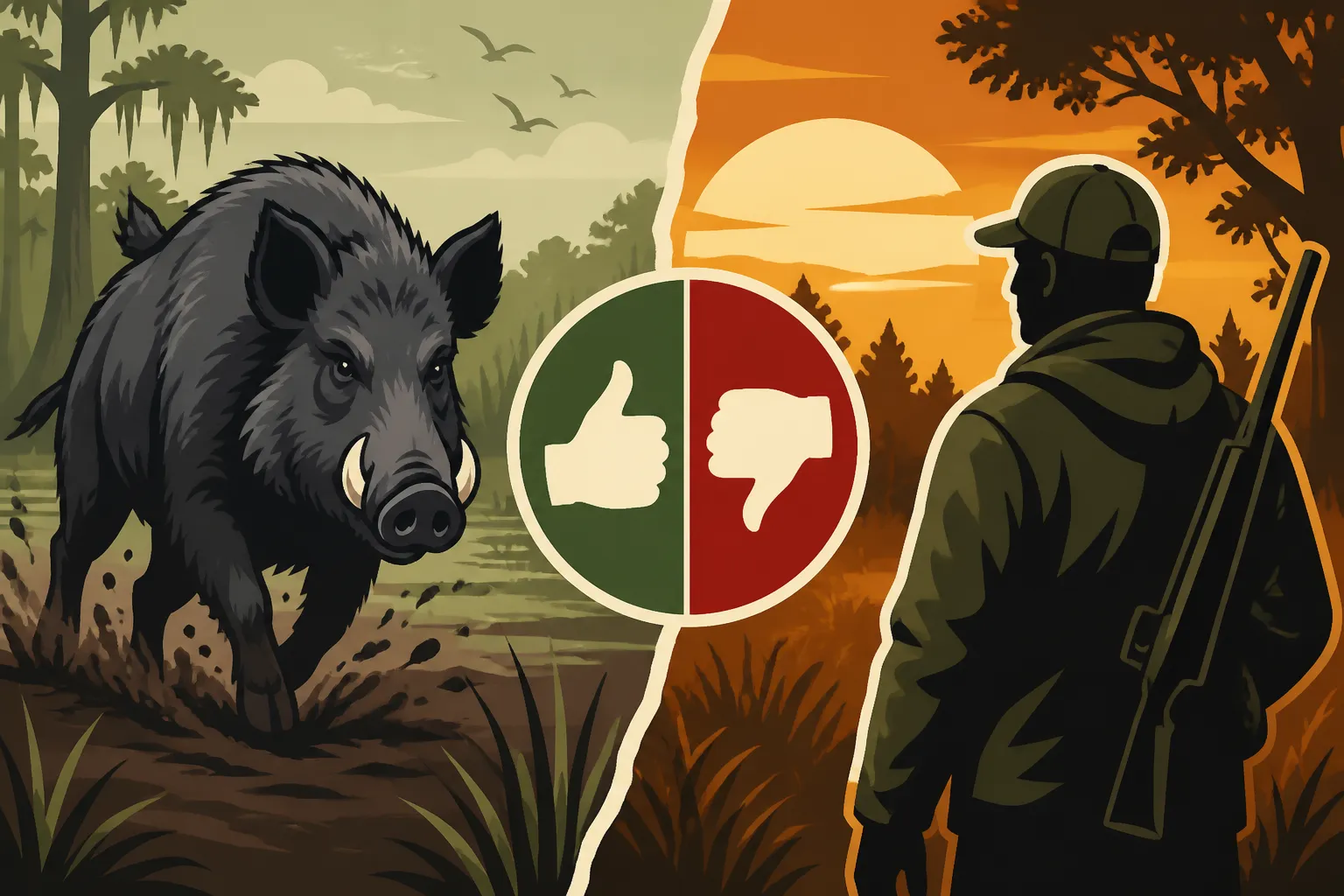
When it comes to hunting feral hogs on private land in Louisiana, there's absolutely no ambiguity: you must have permission from the landowner. This isn't just a courtesy; it's a legal requirement that carries significant weight. Disregarding this rule can lead to serious consequences, including trespassing charges, fines, and potentially even the loss of hunting privileges. It's a cornerstone of responsible hunting and respecting private property rights, which are deeply valued here in the Sportsman's Paradise.
The Absolute Necessity of Landowner Permission
Imagine waking up one morning to find someone hunting on your property without asking. It's an unsettling thought, right? That's precisely why securing explicit permission is non-negotiable for hunting feral hogs on private land. Louisiana's trespassing laws are quite clear, and hunting without permission is a direct violation. Even if the land appears unposted or neglected, it still belongs to someone, and you need their go-ahead. This applies whether you're carrying a rifle, setting a trap, or running dogs. Without that permission, you're not just a hunter; you're a trespasser, and that can damage the reputation of all responsible hunters.
Furthermore, respecting property lines is not just about avoiding legal trouble. It's about maintaining good relationships with landowners, which is vital for the future of hunting access. A single instance of unauthorized hunting can sour an entire community against hunters, making it harder for everyone to gain permission in the future. Remember, private land access is a privilege, not a right, and it hinges entirely on trust and respect.
How to Secure Permission
Getting permission to hunt hogs on private land often comes down to good old-fashioned communication and politeness. Start by identifying landowners in areas where you suspect hog activity. This might involve knocking on doors, making phone calls, or even sending letters. When you approach them, be respectful, articulate, and honest about your intentions. Explain that you're interested in helping them mitigate hog damage, which frames your request as a service rather than just a personal desire to hunt. Offer to share any meat you harvest or to assist with other chores on their property.
Consider asking for written permission, especially if you're hunting regularly or if it's a larger tract of land. A simple, signed document outlining the dates, areas, and methods you'll use can prevent misunderstandings down the line. It protects both you and the landowner. Tools like GoHunt can be incredibly useful here, allowing you to clearly identify property boundaries and landowner information, which can make your approach more informed and professional. Knowing exactly whose door to knock on and having a clear visual of the property lines can make all the difference in gaining that valuable access.
What to Discuss with Landowners
Once you've secured permission, or even while you're in the process, a detailed discussion with the landowner is critical. This isn't just about "can I hunt?" but "how can I hunt responsibly on your specific property?" You'll want to cover several key points to ensure a smooth and safe experience for everyone involved.
First and foremost, talk about the specific hunting methods you plan to use. Will you be still-hunting with a rifle, setting traps, or perhaps running dogs? Each method has different implications for safety and potential impact on the property. Discuss preferred hunting times – are certain hours off-limits due to livestock, family activities, or farm work? Clarify access points and any areas that are absolutely off-limits, like around barns, residences, or sensitive crops.
It's also smart to discuss safety protocols. Will you be hunting alone or with a group? What are the rules for shooting lanes and safe backstops? What should you do if you encounter other people on the property? Finally, establish a reporting system: how and when should you communicate your harvests or any observations of hog activity? Sharing this information helps the landowner understand the impact you're having and reinforces your reliability and transparency as a hunter. This open dialogue builds trust and often leads to long-term hunting opportunities.
Hunting Hogs on Public Land: Rules and Access
While private land requires explicit permission, public land offers a different set of opportunities and challenges for feral hog hunting in Louisiana. Here, you don't need individual landowner permission because the land is managed for public use, but you do need to adhere strictly to the regulations set forth by the managing agency, be it the LDWF for Wildlife Management Areas (WMAs) or the U.S. Forest Service for Kisatchie National Forest. These rules can vary significantly from one public land tract to another, so detailed scouting and research are key.
General Rules for WMAs and National Forests
Hunting feral hogs on Louisiana's public lands, such as WMAs or Kisatchie National Forest, means operating under a specific set of guidelines. First, you'll need all the appropriate licenses: a valid Louisiana Resident Hunting License Options or Louisiana Nonresident Hunting License Options, and often a WMA Access Permit for WMAs. Beyond that, each WMA or National Forest area will have its own specific rules regarding allowed hunting methods, access routes, and periods when hunting is permitted. These regulations are typically detailed in the annual Louisiana Hunting Regulations pamphlet and often posted at WMA entrances or on agency websites.
For example, on a WMA like Richard K. Yancey, you might find specific rules about vehicle access, camping, and even which types of firearms are allowed for hog hunting during different seasons. Some WMAs may restrict hog hunting to coincide with other open seasons (like deer or small game), while others might allow it year-round. Always check the specific WMA regulations for the area you plan to hunt. National Forests, like Kisatchie, might have broader allowances but still require adherence to federal land use policies and state hunting laws. Being familiar with these details is paramount to avoiding citations and ensuring a safe, legal hunt.
Specific Considerations for Public Hog Hunting
Public land hog hunting comes with its own quirks, distinct from private land. For instance, night hunting with lights, which is often effective for hogs, is generally prohibited on public lands in Louisiana. The rules on private land can be more flexible regarding lights, provided local ordinances are followed and landowner permission is secured for Night Hunting Hogs With Lights on Private Land. On WMAs, you typically can't use artificial lights to spot or take game at night.
Baiting, another common tactic for hogs on private land, is also typically forbidden on public WMAs and National Forests. While some hunters use Building and Freshening a Hog Bait Site on private property, this is a definite no-go on public ground. Similarly, dog hunting for hogs might be restricted or only allowed during specific periods or on particular WMAs. Always verify if Running Dogs on Louisiana Feral Hogs is permitted on the public land you intend to hunt. These variations mean that a strategy that works wonders on your buddy's lease might be illegal on a nearby WMA. Researching the Louisiana Feral Hog Regulations for the specific public tract is non-negotiable before you ever step foot on the property.
Using Technology for Public Land Recon
Navigating the vastness and varied regulations of Louisiana's public hunting land can be daunting, but modern technology offers powerful tools to simplify the process. Before you even leave the house, spend time with a good mapping application on your phone or computer. The LDWF has a fantastic online map tool that details WMA boundaries, access points, and specific regulations. Supplementing this with an app like GoHunt can give you an incredible advantage.
GoHunt provides detailed satellite imagery, topo maps, and crucially, public land boundary overlays, helping you understand where you can legally hunt and where restricted areas lie. You can pinpoint potential hog bedding areas, travel corridors, and food sources by studying terrain features, water sources, and historical aerial photos. This virtual scouting is invaluable for planning your approach, identifying potential bottlenecks, and finding those overlooked spots where hogs might congregate away from heavy pressure. Using these tools significantly enhances your ability to Scouting Louisiana Public Land Before Season and execute a successful, legal hunt.
| Feature / Location | Private Land (with permission) | Public Land (WMAs/National Forest) |
|---|---|---|
| Landowner Permission | Absolutely Required | Not required, but agency rules apply |
| Hunting License | Required | Required |
| WMA Access Permit | Not applicable | Required for WMAs |
| Seasons/Bag Limits | None (year-round, unlimited) | None (year-round, unlimited, but WMA dates may restrict general hunting periods) |
| Night Hunting | Permitted (with local ordinance compliance & landowner consent) | Generally Prohibited |
| Baiting | Permitted (with landowner consent) | Generally Prohibited |
| Dog Hunting | Permitted (with landowner consent & local laws) | Varies by WMA/area; check specific rules |
| Carcass Disposal | Landowner direction | Must follow WMA/agency regulations for disposal |
| Trespassing Risk | High if no permission | Low if within boundaries and rules |
Navigating Legalities and Best Practices
Successfully and ethically hunting feral hogs in Louisiana involves more than just pulling the trigger. It's about understanding the broader context of their management, respecting the land and fellow hunters, and upholding the integrity of the hunting tradition. By adhering to best practices and legal guidelines, you contribute to a positive perception of hunters and the effective control of this invasive species.
Reporting and Handling Harvested Hogs
Unlike deer and turkey, there is no mandatory reporting requirement for feral hog harvests in Louisiana. This further underscores their classification as a nuisance animal rather than a regulated game species. However, while not legally required, it's a good practice to communicate your success with the landowner if you're hunting on private property. They often appreciate knowing that their hog problem is being addressed.
Once harvested, responsible handling of the hog is crucial. Many hunters enjoy eating feral hog meat, which can be quite delicious, especially from younger animals. Make sure to field dress the animal promptly, especially in Louisiana's warm climate, to ensure the meat quality is preserved. For Shot Placement on a Feral Hog, aiming for the vitals is critical for a quick, humane kill. If you're not planning to consume the meat, proper disposal is essential. This often means burying the carcass or taking it to an approved disposal site, not simply leaving it where it falls, particularly on public land or near populated areas. Preventing the spread of disease and maintaining sanitation is part of being a responsible hunter.
Safety and Ethical Considerations
Safety should always be your top priority, especially when hog hunting. Feral hogs, particularly large boars, can be aggressive and dangerous if cornered or wounded. Always be aware of your surroundings and have a plan for safe shot placement. Inform others of your hunting plans, including your location and estimated return time. If hunting with a group, establish clear communication protocols and shooting zones.
Ethically, remember that while hogs are pests, they are still living creatures. Strive for a clean, humane kill every time. Avoid unnecessarily wounding animals or leaving them to suffer. Responsible hunting also extends to how you interact with non-hunters and landowners. Be a good ambassador for hunting by being polite, respectful, and adhering to all rules. The perception of hunting is often shaped by individual encounters, so making a positive impression matters. Always be mindful of sound, especially when hunting close to residential areas, and use appropriate firearms for the task to ensure swift dispatch.
Avoiding Conflicts and Building a Positive Reputation
The world of hunting, especially when dealing with controversial species like feral hogs, requires a nuanced approach to community relations. To avoid conflicts and build a positive reputation, consistent communication and transparent actions are key. This applies equally whether you're working with a private landowner or sharing public resources with other outdoor enthusiasts.
For private land, keep the landowner in the loop about your activities, successes, and even challenges. If you notice something unusual on their property, like a broken fence or suspicious activity unrelated to hunting, offer to report it. Building this kind of relationship fosters trust and can lead to more opportunities in the long run. Word-of-mouth travels fast in rural Louisiana, and a reputation as a respectful, effective hog hunter can open many doors.
On public land, be mindful of others. Share the space, be courteous to hikers, birdwatchers, and other hunters. Clean up after yourself, leaving no trace of your presence beyond footsteps. Properly dispose of carcasses and spent casings. If you encounter an issue, address it respectfully or report it to the appropriate authorities, like the LDWF, rather than escalating a situation. Being an advocate for ethical hunting and responsible land stewardship not only helps you but strengthens the entire hunting community's standing in Louisiana. For those interested in diverse hunting opportunities, remember that Hunting Louisiana's Year-Round Feral Hogs is a continuous effort, and your responsible participation makes a real difference.
Disclaimer
Please note that hunting regulations, seasons, and licensing requirements can change. While this guide provides current information based on Louisiana Department of Wildlife and Fisheries (LDWF) guidelines, it is always your responsibility to consult the most up-to-date official LDWF regulations before engaging in any hunting activities. This content is for informational purposes only and does not constitute legal advice.