Specklebelly and Snow Goose Guide Services
For many waterfowlers, the thought of huge flocks of geese filling the Louisiana sky is an exhilarating one, but the reality of scouting, setup, and successful hunting for specklebellies and snow geese can be incredibly daunting, especially for those unfamiliar with our unique landscapes. This guide dives deep into the world of guided goose hunting in Louisiana, offering insights into why a professional service can transform a challenging endeavor into an unforgettable experience.
Why Louisiana is a Prime Destination for Goose Hunting
Louisiana sits squarely on the Mississippi Flyway, a superhighway for migratory birds, and come winter, our state becomes a critical wintering ground for millions of waterfowl, including massive numbers of specklebelly and snow geese. The combination of abundant agricultural fields and vast coastal marshes provides an irresistible buffet for these birds, drawing them in year after year. For hunters, this means unparalleled opportunities, but also the challenge of navigating ever-changing patterns and private land access.
Louisiana's Strategic Position on the Mississippi Flyway
Our unique geography, from the agricultural expanse of North Louisiana to the rich deltas of the south, creates a perfect storm of habitat for migrating geese. When those cold fronts push down from the north, it’s not just a drop in temperature; it’s an invitation for thousands upon thousands of geese to descend on our state. They arrive seeking refuge from harsher northern winters and a bounty of food sources, making Louisiana a vital stop on their incredible journey. Knowing when these major migrations occur can make all the difference, and a good guide is constantly tracking these movements. Louisiana Waterfowl Migration Timing is crucial intel.
The Mississippi Flyway acts like a funnel, guiding birds right into our fields and marshes. We're talking about vast areas where rice, soybeans, and corn have been harvested, leaving behind plenty of waste grain for geese to feast on. This draws huge numbers, and understanding the specific local conditions, like recent rains or harvest schedules, is where local knowledge truly shines. Guides spend countless hours scouting these areas, identifying key feeding grounds and roosting spots that would take an uninitiated hunter weeks, if not months, to discover.
The Thrill of the Hunt: Specklebelly vs. Snow Geese
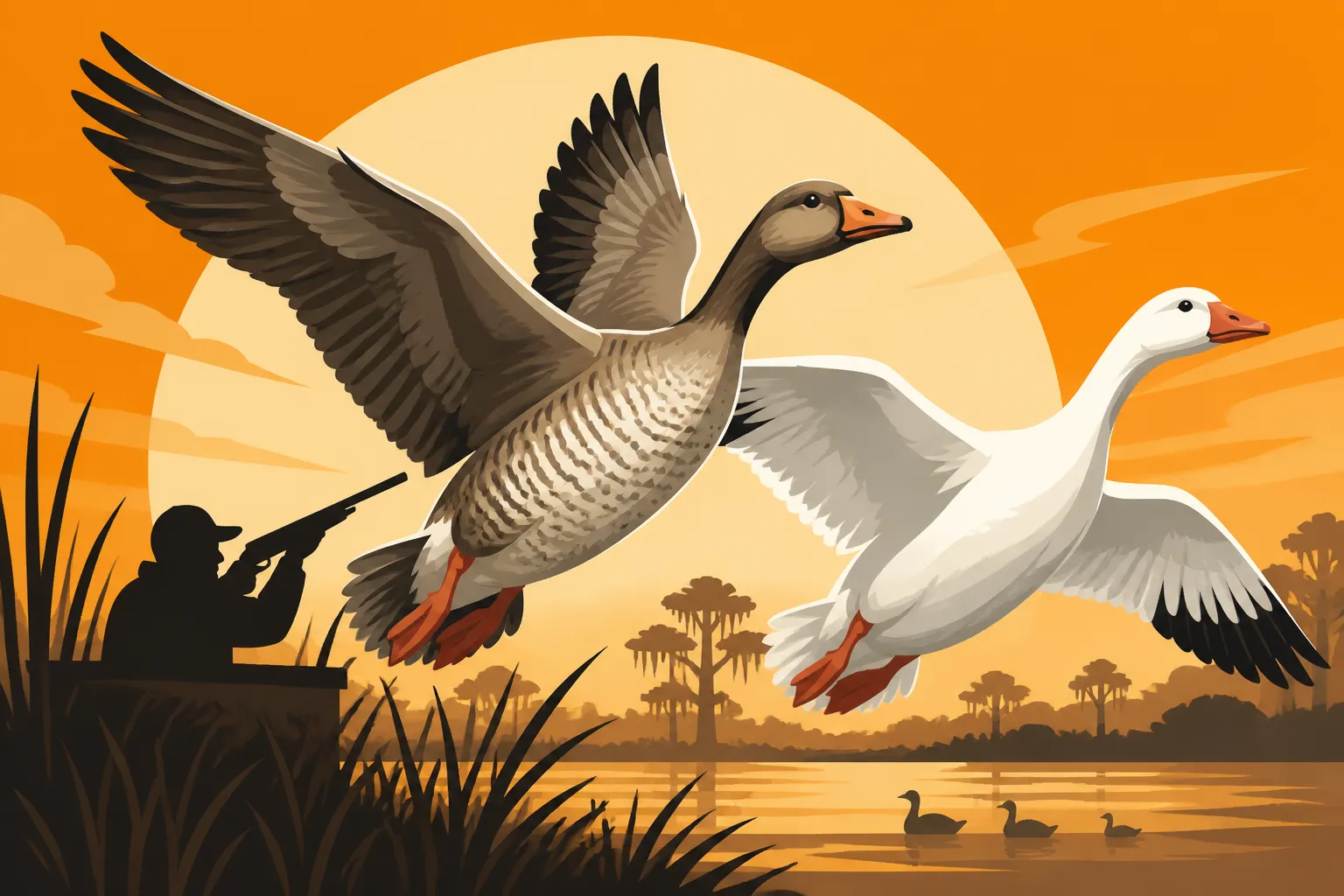
Hunting specklebellies, or "specks" as we affectionately call them, offers a different experience than chasing snow geese. Specks are known for being incredibly vocal and smart, responding to realistic calling and precise decoy spreads. Getting a small flock of specks to commit, watching them cup their wings and drop into your spread, is a moment that sticks with you. Their calls, that distinct "lah-onk," are unmistakable and thrilling to hear as they approach.
Snow goose hunting, on the other hand, often involves sheer numbers. Imagine thousands of white birds swirling in the sky, a blizzard of white as they tornado down towards your massive decoy spread. It’s an entirely different kind of spectacle, often requiring much larger spreads of decoys and different calling techniques to draw them in. While some guides specialize, many offer opportunities for both, depending on the season and the birds' current patterns. Both species provide an exciting challenge, but the tactics, gear, and sheer volume of birds involved can vary significantly.
Understanding Goose Behavior and Habitat
Successful goose hunting in Louisiana hinges on a deep understanding of goose behavior, especially their feeding and roosting habits. Guides are experts at reading the landscape and the birds, putting hunters in the best possible position. It's not just about setting out decoys; it's about predicting where the birds want to be and why.
Flight Patterns and Feeding Habits in Louisiana
Geese are creatures of habit. They typically roost on large, undisturbed bodies of water – think expansive lakes, flooded fields, or remote stretches of marsh – and then fly out to feed in agricultural fields at dawn and dusk. Their flight paths can be incredibly consistent, sometimes following bayous, tree lines, or drainage ditches to and from their feeding grounds. A guide has spent years observing these patterns, knowing which fields are "hot" based on recent activity and which flight lines the birds prefer. Snow Geese on Louisiana Rice Fields provides a classic example of this behavior.
The waste grain left after harvest is a primary food source. Rice, corn, and soybeans are staples. A good guide will know which specific fields have been recently harvested, which varieties of crops are still present, and even the subtle preferences the birds show from day to day. They understand that geese will often hit certain fields for a few days, deplete the easy pickings, and then move on, requiring constant scouting and adaptability. This constant movement and reliance on fresh food sources make hunting highly dynamic.
Decoy Spreads and Calling Strategies for Louisiana Geese
The art of the decoy spread is paramount for geese. For specklebellies, a smaller, realistic spread of full-body decoys, often mixed with a few mallard or pintail decoys to create a natural "family" look, is common. The focus is on realism and convincing a wary flock to drop in. Calling is subtle but persistent, imitating the soft clucks and feeding murmurs that calm approaching birds. It’s a game of finesse.
Snow geese, conversely, often require massive spreads. We're talking hundreds, sometimes even thousands, of white rags, Sillosocks, or full-body decoys stretched across a field. The idea is to create the illusion of a massive, safe feeding ground. Calling for snow geese is often loud and aggressive, aiming to mimic the cacophony of a huge flock on the ground, drawing distant birds with sheer volume and an almost hypnotic pull. Guides invest heavily in these massive spreads and specialize in setting them up for maximum visibility and realism, which is a huge advantage for the average hunter.
Types of Guide Services for Louisiana Geese
When you decide to embark on a guided goose hunt in Louisiana, you'll find a variety of services tailored to different needs and budgets. From quick day trips to multi-day, all-inclusive experiences, understanding the options helps you choose the best fit for your adventure. Many reputable outfitters list their packages on platforms like BookYourHunt.
Day Hunts vs. Multi-Day Packages
Most outfitters offer both single-day hunts and multi-day packages. A day hunt is exactly what it sounds like: you meet the guide before dawn, head to the field, hunt through the morning, and typically wrap up by late morning or early afternoon. This is a great option if you're local, have limited time, or want to sample a guide's services before committing to a longer trip. It’s also often the most economical choice.
Multi-day packages, often spanning two or three days, provide a more immersive experience. These usually include lodging, meals, and multiple hunts. This is ideal for out-of-state hunters who travel a distance and want to maximize their time in the field without worrying about accommodations or finding local eateries. Many lodges offer comfortable amenities, allowing you to relax and recount the day's events with fellow hunters. It really turns the hunt into a full Louisiana experience, often building camaraderie that lasts beyond the trip itself.
Field Hunts on Private Land
The vast majority of successful specklebelly and snow goose hunts occur on private agricultural land. This is where guides earn their stripes, cultivating relationships with farmers and landowners to secure access to prime feeding grounds. These private leases give guides the exclusive right to hunt specific fields, meaning less competition and often better bird activity compared to crowded public lands. This is a huge benefit, as geese quickly become wary of hunting pressure.
When you book a private land hunt, you're not just paying for a guide; you're paying for access to meticulously scouted fields that hold birds. Guides often manage these properties, perhaps planting specific cover crops or maintaining habitat, all to ensure consistent goose numbers. This access is paramount for success, as geese are incredibly sensitive to disturbance, and undisturbed private fields are often the key to getting them to commit close.
Specialized Snow Goose Decoy Spreads
Snow goose hunting, due to the sheer volume of birds and their flocking behavior, often requires massive, specialized decoy spreads that are labor-intensive to set up and take down. Many guides invest heavily in state-of-the-art equipment, including hundreds, sometimes thousands, of lightweight "sock" decoys, full-body floater decoys for water setups, and even rotary machines to simulate movement. These large spreads take significant time and effort to deploy correctly.
A dedicated snow goose guide will also have specialized electronic callers, legally permitted for snow goose conservation seasons, that project the sounds of thousands of feeding and chattering geese. This combination of visual and auditory enticement is critical for drawing in large flocks. Attempting to replicate this level of setup as a casual hunter is nearly impossible due to the cost and logistical demands. This is where a guide truly provides value, offering access to equipment and expertise that few individual hunters could ever amass.
What to Expect from a Guided Goose Hunt
A guided goose hunt is designed to maximize your chances of success and provide a comfortable, enjoyable experience. While every outfitter has their own style, there are some common elements you can expect that streamline the process and allow you to focus on the thrill of the hunt.
Typical Morning Routine and Setup
Your guided goose hunt will typically start well before sunrise. You'll meet your guide at a predetermined location, often a gas station or a lodge, where you'll consolidate vehicles and gear. From there, you'll travel to the chosen field, often in the dark. Be prepared for a walk, sometimes a long one, to get to the exact blind location. Many guides use layout blinds, which are low-profile blinds designed to blend seamlessly into the field, allowing you to lie down and remain hidden while waiting for the birds to decoy.
Once at the spot, the team (you, your guide, and potentially helpers) will finish setting up the decoy spread. This can involve staking out hundreds of decoys, positioning the blinds, and fine-tuning the setup based on the wind and expected flight paths. The guide will then brief you on safety, shooting zones, and what to expect as the birds approach. It's a team effort, and your participation in the setup, even just carrying a few bags of decoys, is often appreciated. Layout Blind Hunting a Cut Rice Field is a common setup you'll experience.
Gear Provided and What to Bring
Most guides provide the crucial, large-scale equipment: the decoy spreads, the blinds, and electronic callers for snow geese. Some might even provide shotguns if you're traveling light or prefer to use their calibrated gear, but always confirm this beforehand. What you're primarily responsible for bringing is your personal hunting gear. This includes:
- Shotgun and Ammunition: Non-toxic shot (steel, bismuth, tungsten-iron) is mandatory for all waterfowl. Confirm with your guide which shot size they recommend for specklebellies (often 3 or 2 shot) and snow geese (often BB or BBB). Bring plenty, at least a box or two per hunt, as opportunities can be fast and furious.
- Camouflage: Full camo, ideally in patterns that match dried fields or marsh grass, is essential. Layering is key, as mornings can be cold but midday can warm up.
- Waders/Waterproof Boots: Even if hunting a dry field, dew, mud, or unexpected puddles can soak your feet.
- Hunting License & Stamps: You'll need a valid Louisiana hunting license, a Louisiana waterfowl stamp, and a Federal Duck Stamp. Don't forget your Louisiana HIP Certification for Bird Hunters too.
- Other Essentials: A headlamp, snacks, drinks, a small backpack, and protective eyewear are always good to have.
Always verify the gear list with your specific outfitter well in advance. Some may offer more, some less, and knowing exactly what you need to pack makes for a smoother trip.
The Role of the Guide and Spotter
Your guide is much more than just a driver to the field. They are your chief strategist, bird identifier, caller, and safety officer. They've spent countless hours scouting, reading weather patterns, and understanding bird behavior to put you in the best possible position. During the hunt, the guide will be actively calling, watching for incoming birds, and instructing you on when to shoot and at what. Their experience is invaluable, especially when working wary birds.
Many operations, particularly for snow geese, also employ spotters. These individuals drive around, keeping an eye on the birds' movements throughout the day, looking for new feeding areas or significant shifts in flight patterns. This real-time intelligence allows guides to make quick adjustments, potentially moving the spread or switching fields to stay on top of the birds. This constant scouting and adaptability are why guides consistently have higher success rates.
Choosing the Right Goose Guide Service
Selecting the right guide service is crucial for a successful and enjoyable goose hunting experience. With many options available, taking the time to research and ask pertinent questions will pay dividends. Platforms like BookYourHunt and GoHunt often feature listings and reviews for various outfitters.
Researching Reputation and Reviews
Before booking, dig into the guide's reputation. Look for online reviews on platforms like Google, Facebook, and hunting forums. Pay attention to consistent themes – are people praising the guide's effort, bird numbers, and professionalism, or are there recurring complaints about disorganization, lack of birds, or hidden fees? Don't just look at the overall star rating; read the actual comments. A guide might have a few bad reviews, but if the vast majority are positive and highlight specific strengths, that's a good sign. Be wary of guides with very few reviews or overly generic praise.
Word-of-mouth is also incredibly powerful in the hunting community. Ask fellow hunters for recommendations. If someone has had a great experience, they'll likely be enthusiastic to share. Conversely, if they've had a poor one, they'll be just as quick to warn you away. Don't be shy about asking the guide for references from past clients, and then actually call those references. Reading Outfitter Success Claims with a critical eye is always smart.
Asking Key Questions Before Booking
Once you've narrowed down your choices, call the guide directly and ask specific questions. This conversation will not only clarify details but also give you a feel for their personality and professionalism. Some critical questions include:
- What are your typical success rates for specklebellies/snow geese? (While not a guarantee, it gives an idea.)
- What is the maximum number of hunters per blind/group? (Overcrowding can make for a less enjoyable experience.)
- What's included in the price? (Decoys, blinds, calling, bird cleaning, lodging, meals? Be clear about everything.)
- What's not included? (Licenses, stamps, ammunition, gratuities, processing? These add up.)
- What happens if the weather is bad or the birds aren't flying? (Cancellation policy, rain checks, refunds.)
- What is your policy on wounded birds? (Ethical guides will make every effort to recover all game.)
- How far is the drive to the hunting grounds from the meeting point/lodge? (Helps with planning travel.)
This conversation is essential for setting expectations and ensuring there are no surprises. It’s your chance to assess if this guide aligns with your hunting style and preferences. You can find more comprehensive advice in Questions to Ask Before Booking a Louisiana Hunt.
Checking Guide Licensing and Insurance
A legitimate guide should be licensed and insured. In Louisiana, guides are typically required to have specific licenses, especially if they operate on public lands or are transporting clients for hire. This isn't just a bureaucratic hurdle; it speaks to their professionalism and adherence to regulations. Insurance protects both you and the guide in case of an unforeseen accident.
Don't hesitate to ask for proof of their licensing and insurance. A reputable guide will be happy to provide it. If they hedge or seem evasive, that's a significant red flag. Booking with an unlicensed or uninsured guide could put you at risk and reflects poorly on their operation's overall legitimacy. Ensuring they meet these basic requirements gives you peace of mind that you're hunting with a responsible and professional outfitter.
Cost Considerations and Booking Your Hunt
Understanding the financial aspects of a guided goose hunt is important for planning your trip. Prices can vary significantly based on the type of hunt, duration, and inclusions, so it's essential to get a clear picture of all costs involved.
Average Rates for Specklebelly and Snow Goose Hunts
The cost of a guided goose hunt in Louisiana can vary widely. For a single-day hunt, you might expect to pay a certain amount per hunter, with prices increasing for multi-day packages that include lodging and meals. Specklebelly hunts might sometimes be slightly more expensive per bird due to their wary nature and the specialized calling involved, but often guides will bundle both species depending on what's flying.
These rates typically cover the guide's time, scouting efforts, the use of their extensive decoy spreads, blinds, and calling expertise. Remember, you're investing in their knowledge, equipment, and access, which are critical for a productive hunt. When comparing rates, don't just look at the bottom line; consider what's included to ensure you're getting a fair comparison. Some guides might seem cheaper upfront but tack on numerous hidden fees later.
What's Included in the Price
Always get a clear, itemized list of what your hunt package includes. A comprehensive package might cover:
- Guide Services: The guide's expertise, calling, and setup.
- Decoys and Blinds: Use of their extensive, expensive equipment.
- Lodging: If it's a multi-day package, comfortable accommodation near the hunting grounds.
- Meals: Often breakfast, lunch, and dinner for multi-day hunts.
- Bird Cleaning: Some guides offer basic bird cleaning (breasting) as part of the service, or for a small additional fee.
- Transportation: From the meeting point to the hunting field.
What's typically not included are your personal licenses and stamps, ammunition, alcoholic beverages, and taxidermy services. Gratuities for your guide and any staff (cooks, bird cleaners) are also separate and expected. It’s always good practice to tip for good service. For more details on this, check out Tipping Guides and Boat Captains.
Booking and Cancellation Policies
Outfitters typically require a deposit to secure your booking, especially for prime dates like opening weekend or during the peak migration. This deposit is usually non-refundable, reflecting the guide's commitment to reserving those dates for you. Be sure to understand the cancellation policy thoroughly before paying. What happens if you have to cancel? What if the guide has to cancel due to unforeseen circumstances (e.g., severe weather, lack of birds, personal emergency)?
Many guides offer a "weather out" clause, meaning if a hunt is unfishable or unsafe due to extreme weather, you might receive a credit for a future hunt or a partial refund. However, this varies, so clarify it upfront. The more popular a guide or the earlier in the season, the less flexible they might be with cancellations, as demand is high. Booking well in advance, especially for larger groups, is usually recommended to ensure you get your desired dates.
Disclaimer
This article is for general informational purposes only and does not constitute professional advice. Laws, prices and regulations vary by location and change over time. Consult a qualified professional for guidance on your specific situation.